Best time to visit Jaipur
October to March is comfortable for sightseeing. Summers are very hot (carry water, not ambition), and the monsoon is humid but green.

Jaipur is pink, proud and extremely photogenic, and it knows it. Forts, palaces and bazaars sit close enough that a long weekend covers the greatest hits.
October to March is comfortable for sightseeing. Summers are very hot (carry water, not ambition), and the monsoon is humid but green.
Jaipur International Airport (Sanganer) has flights from major cities, and Jaipur Junction is a big rail hub. Delhi is roughly 270–280 km away, an easy road or train hop.
Autos and app cabs cover most trips. Most big sights cluster in and around the old city, so a hotel near the centre saves a lot of back-and-forth.
Amber Fort, the City Palace, Hawa Mahal, Jantar Mantar (UNESCO-listed) and sunset from Nahargarh Fort. Save energy for Johari and Bapu Bazaar.
Dal baati churma, laal maas, pyaaz kachori, and ghewar if you catch it in season.


Prices are per night, taxes included, for a one-night stay on 28 Oct 2026. Pick your own dates above for the live rate. Seen it cheaper elsewhere? You can request a lower price on any hotel page.
Three things that make booking a hotel here simpler and safer.
Seen the same room cheaper elsewhere? Request a better rate on any hotel page.
Every room shows whether it is refundable, and until when, before you pay.
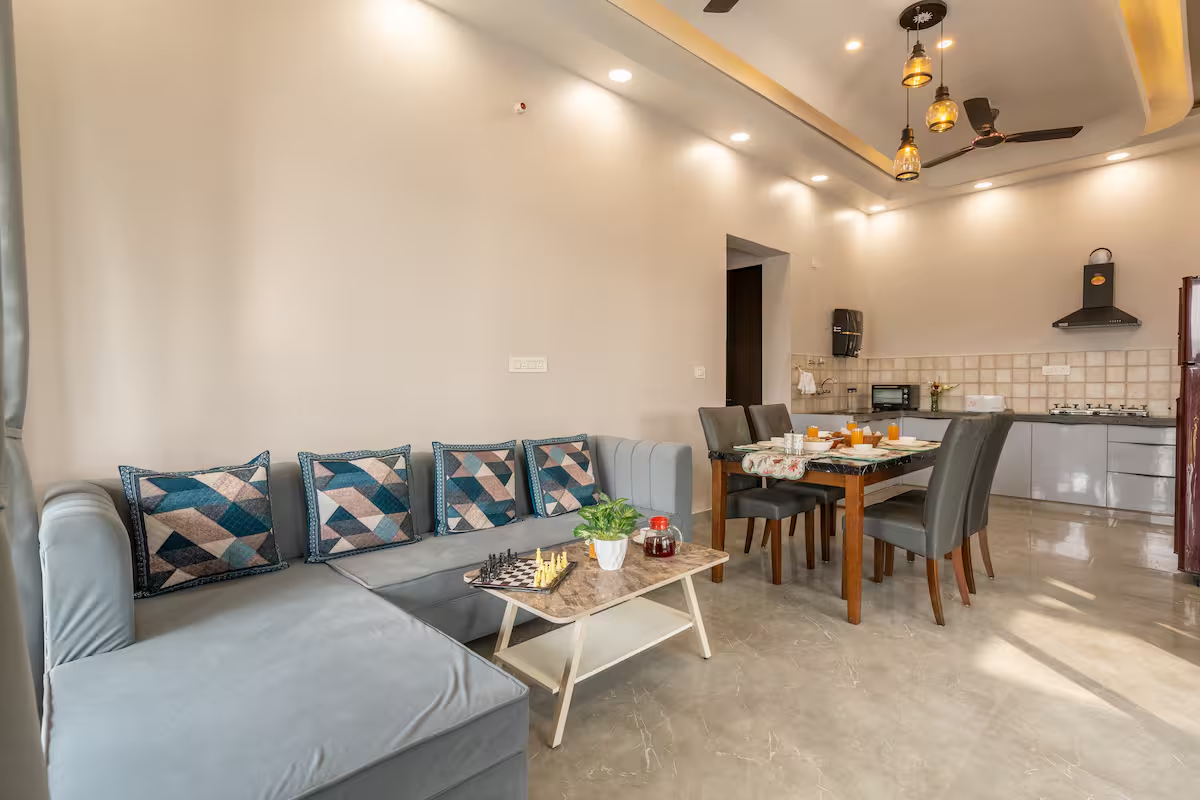
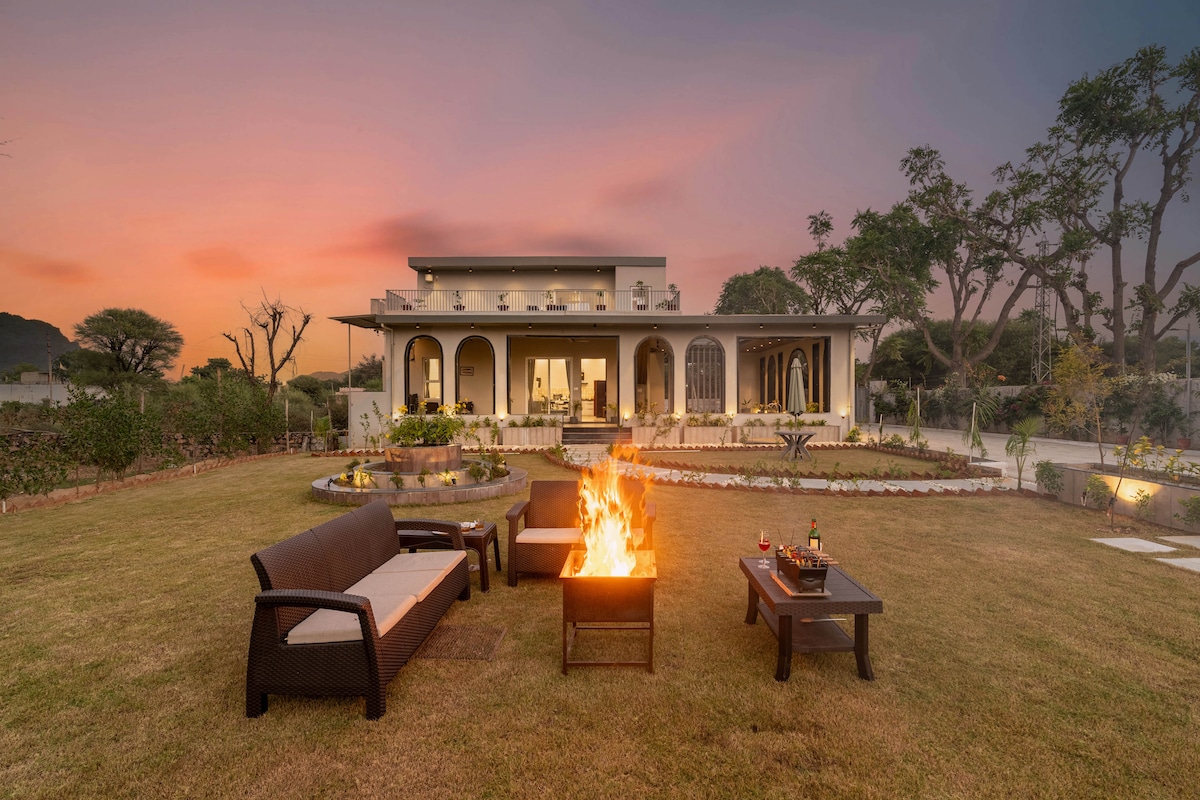
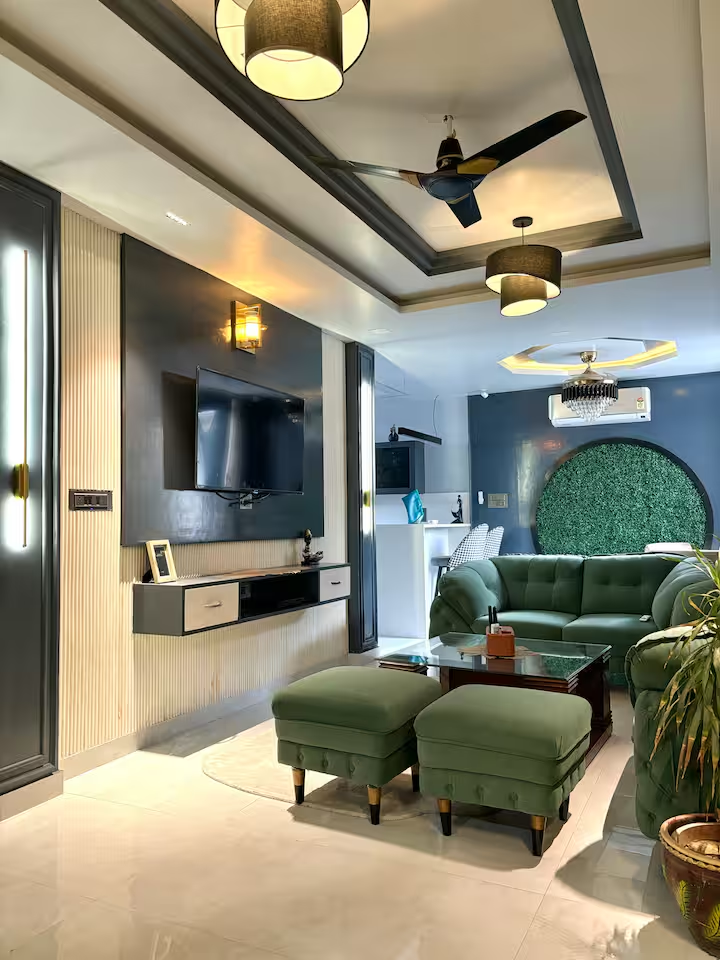
Prefer a villa or apartment? Browse homestays in Jaipur.
You’ll find everything from budget stays to premium hotels in and around Jaipur. Use the search above to pick your dates and guests, then filter by star rating, price and property type to narrow it down.
For a one-night stay on 28 Oct 2026, hotels in Jaipur start from ₹2,100 per night (taxes included) and go up to ₹2,17,173. Prices change with dates and demand, so check your exact dates for the live rate.
Among the highest star-rated hotels on Unpaqd in Jaipur are Anantara Jewel Bagh Jaipur, Bhanwar Singh Palace Jaipur and Brij Bageecha Jaipur - Private Villas with Heated Plunge Pool. The list above is ordered by star rating.
Our top 24 hotels in Jaipur include 24 5-star. Open any hotel to see its star rating, photos, room types and amenities before you book.
The best time to visit Jaipur is October to March. Hotel prices are usually higher in peak season and on weekends, so book early for those dates.
Popular areas to stay in Jaipur include C-Scheme, MI Road, Bani Park, Amer Road. The best choice depends on whether you want to be close to sights, the airport or station, or a quieter setting.
Jaipur International Airport (Sanganer) has flights from major cities, and Jaipur Junction is a big rail hub. Delhi is roughly 270–280 km away, an easy road or train hop.
It depends on the room you pick. Each room option shows whether it is refundable and the cancellation deadline before you pay, so you always know the terms up front.
Yes. If you have seen a lower price for the same room and dates elsewhere, you can ask for it on the hotel page and our team will try to match or beat it.
Yes. If you prefer a villa, apartment or homestay, see our homestays in Jaipur at https://unpaqd.com/best-homestays-in-jaipur.
Homestays, villas and stays chosen by what matters most to you in Jaipur.
Jaipur is the capital of Rajasthan and the best-planned city in this part of India. It was founded in 1727 by Maharaja Sawai Jai Singh II, laid out in a grid, and later painted a warm terracotta pink to welcome a royal visitor, a colour the old city still wears with pride. Today the walled city, Amer Fort and Jantar Mantar all carry UNESCO World Heritage status, and the city forms one corner of the Golden Triangle with Delhi and Agra.
What makes Jaipur work for visitors is how compact the big sights are. Forts, palaces, observatories and bazaars sit within a few kilometres of each other, so even a long weekend covers a lot, and a few extra days let you slow down and enjoy the cafés, courtyards and craft workshops in between.
October to March is the comfortable season: clear skies, warm days and cool evenings, ideal for forts and bazaars. December and January can get chilly at night, and it’s also when the city is busiest, with the Jaipur Literature Festival (usually January) drawing crowds. Kite-flying around Makar Sankranti in mid-January turns the rooftops into a spectacle.
From April the heat builds quickly, and May and June are very hot, so sightseeing is best done at dawn or dusk. The monsoon (July to September) is humid but green, with festivals such as Teej and the hills around Amer looking their best. If you travel in summer, plan your day around indoor stops in the afternoon and carry plenty of water.
For sightseers, the Old City and the area around MI Road put you closest to Hawa Mahal, the City Palace and the bazaars, and the railway station is nearby. C-Scheme is the polished, central neighbourhood with cafés, shops and good restaurants, and a favourite with business and leisure travellers alike.
If you want a quieter, homelier feel, Bani Park is known for heritage-style guesthouses with courtyards and rooftops. Amer Road puts you near the fort and the lake and suits travellers who plan to start early. Many heritage havelis and palace hotels across the city offer a more atmospheric stay, and they’re worth booking ahead in the winter season.
Jaipur is straightforward by road: app-based cabs and auto-rickshaws cover most trips, and a car with a driver is a popular choice for a full day of forts. The city also has a small metro line that serves part of the old city. Inside the walled city, lanes are narrow and traffic slow, so walking between nearby sights is often quickest.
Arrive by air at Jaipur International Airport, or by train at Jaipur Junction, one of the most connected stations in the state. Delhi is roughly 270–280 kilometres away, a comfortable road or rail journey, which is why Jaipur is so easy to add to a Golden Triangle trip.
Start with Amer Fort, best visited early before the crowds and the heat, then see the City Palace, Jantar Mantar and Hawa Mahal in the old city. Come late afternoon to Nahargarh Fort for sunset over the rooftops, and stop at Jal Mahal, the palace that seems to float on its lake. The Albert Hall Museum is lovely after dark, when it is lit up.
For something different, visit the temple complex at Galtaji, watch craftspeople at work in the block-printing villages of Sanganer and Bagru, or take a cooking class in a family home. Check for composite tickets that cover several monuments at a saving.
Rajasthani food is rich and bold. Try dal baati churma, the signature dish of lentils, baked wheat balls and sweet crumble, laal maas if you eat meat, and street snacks like pyaaz kachori and mirchi vada. Finish with ghewar, the honeycomb-like sweet that appears around Teej, and a lassi from one of the old-city stalls.
Shopping is half the reason people come. Johari Bazaar is known for jewellery and gems, Bapu Bazaar for textiles and juttis, and Tripolia Bazaar for lac bangles and metalware. Look for blue pottery, block-printed fabrics, handmade paper and miniature paintings. Bargain politely and compare a few shops before buying.
Good day trips include Abhaneri and its stepwell, Samode for its palace and village, and Ranthambore if tigers are on your list (better as an overnight). Pushkar and Ajmer are reachable in a long day or on the way to Udaipur.
A few practical notes: dress modestly at temples, carry some cash for small vendors, and be wary of unsolicited “guides” or gem shops promising unrealistic deals. Book hotels early for the winter peak, and if you can, start every sightseeing day early. Jaipur is at its most beautiful before 10am.