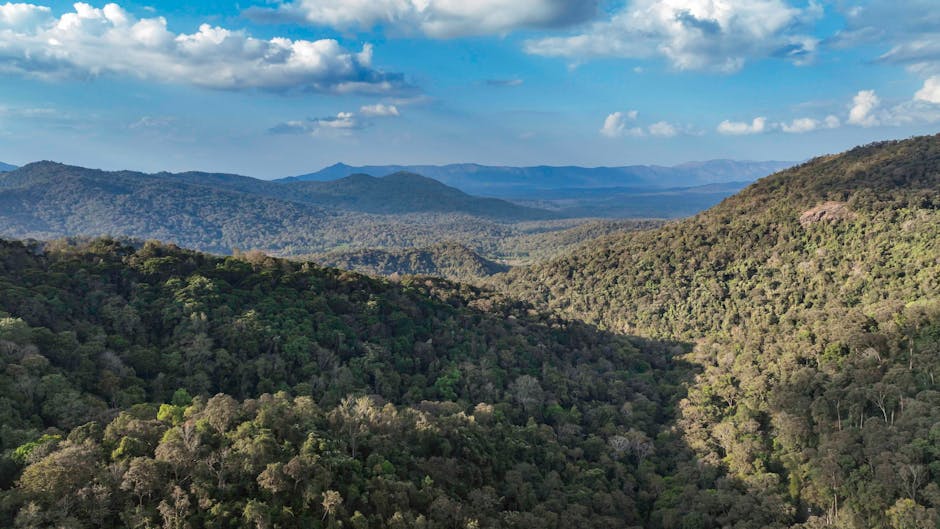
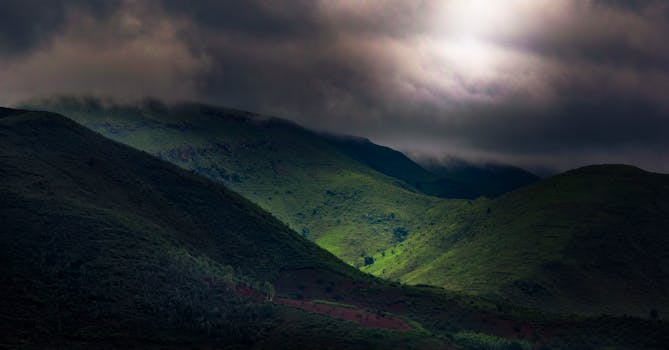
Ziro Valley
The right stay. At the right price. Every time.
Find your perfect Arunachal Pradesh stay on Unpaqd — with our AI search feature
Curated 4.5+ rated homestays, price-match guarantee, and zero commissions-so you never overpay or settle. Just describe your ideal stay, and we'll do the rest.
Explore stays on UnpaqdTL;DR Summary
- Ziro Valley: India's serene hidden gem in Arunachal Pradesh.
- Perfect for offbeat travelers seeking peace and culture.
- Stunning rice fields and unique tribal heritage.
- Budget-friendly with authentic, unspoiled experiences.
- Ideal for nature lovers and slow travel enthusiasts.
- A rare escape from crowded tourist traps.
Ziro Valley
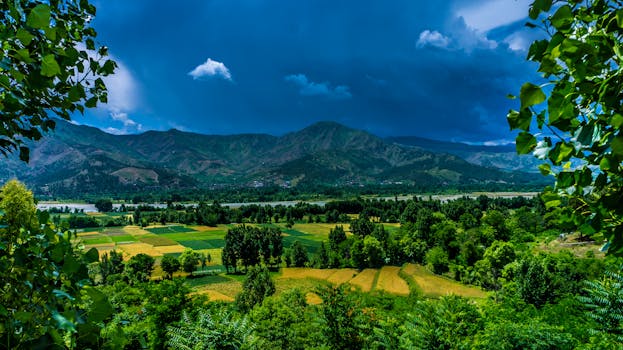
I still remember my first glimpse of Ziro Valley, driving through winding mountain roads in Arunachal Pradesh, when the landscape suddenly opened up to reveal endless stretches of emerald rice fields framed by misty hills. It felt like stepping into a painting—untouched, quiet, and almost otherworldly. A local Apatani woman, her face adorned with traditional tattoos, smiled as she offered me a cup of apong, a fermented rice beer. That moment captured the essence of Ziro: raw, warm, and deeply rooted in tradition. Yet, this paradise remains underrated, often overshadowed by more popular Himalayan destinations. What makes it special is its blend of natural beauty and the unique culture of the Apatani tribe, whose sustainable farming and ancient rituals are a window into a forgotten world. In this guide, you'll discover why Ziro Valley deserves a spot on your travel list, from its hidden attractions to insider tips on making the most of your trip.
Why Visit Ziro Valley?
- Untouched Beauty — Ziro Valley's sprawling paddy fields, surrounded by pine-covered hills, create a surreal, postcard-perfect landscape rarely seen elsewhere.
- Cultural Immersion — Home to the Apatani tribe, Ziro offers a rare chance to witness ancient traditions, including facial tattoos and unique festivals like Myoko.
- Offbeat Charm — Far from commercial tourism, Ziro remains a quiet retreat where you can truly disconnect and soak in authenticity.
- Sustainable Living — The Apatani's innovative wet-rice cultivation, a UNESCO-recognized practice, showcases harmony between humans and nature.
- Adventure Potential — Trekking trails through bamboo groves and hills provide a gentle yet rewarding challenge for outdoor enthusiasts.
- Peaceful Solitude — With minimal crowds, Ziro is a sanctuary for those seeking calm amidst breathtaking surroundings.
- Photographer’s Dream — Every corner, from misty mornings to golden harvests, offers a frame-worthy shot for visual storytellers.
Top Things to Do & See
Talley's Valley Wildlife Sanctuary
A biodiversity hotspot with rare flora and fauna, this sanctuary is a trekker's delight. Insider tip: Hire a local guide to spot the elusive clouded leopard tracks.
Ziro Paddy Fields
These UNESCO-nominated fields are a mesmerizing sight, blending agriculture with art. Insider tip: Visit during harvest season for the most vibrant green-gold hues.
Apatani Tribal Villages
Experience authentic tribal life in villages like Hong and Hari, where traditions thrive. Insider tip: Ask permission before photographing locals with facial tattoos.
Shivling Hill
A short hike to this sacred spot offers panoramic views of the valley below. Insider tip: Carry a light jacket as it gets windy at the top.
Myoko Festival
This Apatani festival celebrates friendship and fertility with vibrant rituals and feasts. Insider tip: Plan your visit around March to join the festivities.
Kile Pakho Ridge
A lesser-known viewpoint, this ridge offers stunning vistas of Ziro’s endless landscapes. Insider tip: Sunrise here is magical—arrive early to beat the mist.
How to Reach Ziro Valley
Ziro Valley, located in Arunachal Pradesh’s Lower Subansiri district, is accessible but requires some planning due to its remote location. The nearest airport is Jorhat Airport in Assam, about 100 kilometers away. From Jorhat, you can hire a taxi or take a shared sumo (jeep) to Ziro, which takes around 3–4 hours and costs approximately Rs 2,500–3,000 for a private cab or Rs 500 per person for a shared ride. The nearest railway station is Naharlagun, near Itanagar, about 115 kilometers from Ziro. From Naharlagun, taxis or shared sumos are available, taking 3–4 hours at similar costs. By road, Ziro is 450 kilometers from Guwahati, a 10–12 hour drive through scenic but winding routes—best done in a hired car for comfort, costing around Rs 8,000–10,000 one way. Public buses from Itanagar to Ziro are also available but less frequent and take longer due to stops. The best route is via NH-13, ensuring you travel during daylight for safety on hilly terrain.
Best Time to Visit
The ideal time to visit Ziro Valley is during the peak season from September to November, when the weather is cool (10°C to 20°C), the skies are clear, and the paddy fields glow in golden hues during harvest. This period also aligns with cultural events, adding vibrancy to your trip. The shoulder seasons of March to May offer pleasant weather (15°C to 25°C) and the chance to witness festivals like Myoko, though occasional rain might occur. Summers (June to August) bring the monsoon, with heavy rainfall making roads slippery and trekking risky—avoid unless you’re prepared for muddy trails and temperatures around 20°C to 30°C. Winters (December to February) are cold (0°C to 10°C), with misty mornings, ideal for those who enjoy a chilly, quiet escape, though some areas may be less accessible due to fog.
Where to Stay
Ziro Valley offers limited but charming accommodation options catering to different budgets, mostly concentrated around Hapoli, the main town, and nearby villages like Hong. For budget travelers, guesthouses like Blue Pine Homestay in Hapoli provide basic rooms with warm hospitality for Rs 800–1,200 per night. Mid-range options include Ziro Valley Resort near Old Ziro, offering comfortable stays with valley views for Rs 2,000–3,000 per night—perfect for families or couples. For a more boutique experience, try Ngunu Ziro Homestay in Biirii village, where you stay in traditional Apatani-style bamboo houses with modern amenities for Rs 3,500–4,500 per night, often including home-cooked meals. Booking in advance is recommended, especially during peak seasons or festivals, as options are limited and fill up quickly. Many homestays also offer cultural insights, making your stay more immersive.
Trip Cost Breakdown (3-Day Trip for 2 People)
| Item | Cost |
|---|---|
| Accommodation (mid-range, 3 nights) | Rs 7,500 |
| Food (local meals, 3 days) | Rs 3,000 |
| Transport (taxi from Jorhat & local travel) | Rs 6,000 |
| Activities (guides, entry fees, trekking) | Rs 2,000 |
| Total | Rs 18,500 |
Suggested Itineraries
- 2-Day Quick Escape
- Day 1: Arrive in Ziro by noon, check into your homestay in Hapoli, and spend the afternoon exploring the Ziro Paddy Fields (1–2 pm). Evening visit to a nearby Apatani village like Hong for cultural insights (4–6 pm). Dinner at a local eatery with Apatani cuisine (7 pm).
- Day 2: Early morning hike to Kile Pakho Ridge for sunrise views (5–7 am), followed by a visit to Shivling Hill (9–11 am). Depart Ziro by noon after a quick lunch.
- 3-Day Deep Dive
- Day 1: Reach Ziro by midday, settle into your stay in Hapoli, and explore Ziro Paddy Fields in the afternoon (2–4 pm). Evening at leisure, interacting with locals or trying apong (6–8 pm).
- Day 2: Morning trek in Talley’s Valley Wildlife Sanctuary with a guide (7–11 am). Post-lunch, visit Apatani villages like Hari for a deeper cultural dive (1–4 pm). Return for a quiet evening.
- Day 3: Sunrise at Kile Pakho Ridge (5–7 am), followed by a visit to Shivling Hill (8–10 am). Depart Ziro by noon after shopping for local handicrafts.
Ideal For
- Nature enthusiasts who crave serene landscapes and untouched beauty.
- Cultural explorers eager to learn about tribal traditions and lifestyles.
- Slow travelers looking for a peaceful, unhurried getaway.
- Photographers seeking unique frames of paddy fields and misty hills.
- Adventure seekers interested in light treks and offbeat destinations.
Safety, Permits & Local Etiquette
- Inner Line Permit: Required for non-residents of Arunachal Pradesh to enter Ziro Valley. Apply online through the state’s tourism portal or at entry points like Itanagar for a nominal fee of Rs 100–200 per person.
- Mobile Connectivity: Network coverage is spotty, especially in remote villages. Major providers like Airtel and Jio work in Hapoli, but expect weak signals or no service in higher areas—carry a backup offline map.
- Solo Female Traveller: Ziro is generally safe with friendly locals, but stick to populated areas and avoid venturing alone into isolated trails at night. Partner with a local guide for added security.
- Do's & Don'ts: Respect Apatani customs—ask before photographing people, especially elders with tattoos. Dress modestly in villages, avoid littering, and don’t disturb sacred sites or rituals.
Hidden Tips Only Repeat Visitors Know
- Carry cash as ATMs in Hapoli are unreliable, and digital payments aren’t widely accepted.
- Pack light rain gear even in dry seasons—sudden showers are common in the hills.
- Buy local handicrafts like bamboo baskets directly from Apatani women in villages for authentic souvenirs.
- Try smoked meat and bamboo shoot dishes at small eateries in Hapoli for a true taste of Ziro.
- Visit during the harvest season for a chance to join locals in field activities if invited.
- Book a homestay with a local family for insider stories about Apatani folklore over dinner.
- Avoid over-scheduling—Ziro’s charm lies in slow, unplanned moments with nature and people.
- Carry a power bank—electricity can be erratic, especially during heavy rains or fog.
Frequently Asked Questions
Q: Is Ziro Valley worth visiting?
Ziro Valley is absolutely worth visiting if you seek an offbeat, serene destination. Its unique blend of natural beauty with paddy fields and the rich Apatani culture offers an experience unlike mainstream hill stations. Ideal for those who value authenticity over crowded tourist spots, it’s a refreshing escape.
Q: How many days are enough for Ziro Valley?
A 2–3 day trip is ideal to cover Ziro Valley’s key attractions and soak in its calm vibe. Two days work for a quick escape, while three allow deeper exploration of villages, treks, and cultural experiences. Extend to four if you’re attending a festival.
Q: Is Ziro Valley safe for solo female travellers?
Yes, Ziro Valley is generally safe for solo female travelers, with welcoming locals. However, stick to populated areas, avoid isolated trails after dark, and consider hiring a local guide for treks. Basic precautions ensure a smooth, enjoyable trip.
Q: Which is better — Ziro Valley or Tawang?
Ziro Valley and Tawang offer different experiences. Ziro is quieter, focused on culture and landscapes, perfect for slow travel. Tawang, with its monasteries and high-altitude drama, suits adventure seekers. Choose Ziro for peace, Tawang for rugged beauty.
Q: Do I need permits for Ziro Valley?
Yes, an Inner Line Permit (ILP) is mandatory for non-residents visiting Arunachal Pradesh, including Ziro Valley. It’s easily obtainable online or at entry points like Itanagar for a small fee. Carry multiple copies of the permit and ID during travel.
Q: Is Ziro Valley expensive?
No, Ziro Valley is quite budget-friendly compared to popular hill destinations. Accommodation, food, and local transport are reasonably priced, with mid-range trips costing under Rs 20,000 for two over three days. Costs rise slightly during festivals due to demand.