Zanskar Hill Station: Ultimate Travel Guide & Expert Tips
The right stay. At the right price. Every time.
Find your perfect Kashmir stay on Unpaqd — with our AI search feature
Curated 4.5+ rated homestays, price-match guarantee, and zero commissions-so you never overpay or settle. Just describe your ideal stay, and we'll do the rest.
Explore stays on UnpaqdUltimate Guide to Zanskar – Expert Travel Tips
TL;DR Summary
- Zanskar travel guide: Uncover a hidden Himalayan gem in Ladakh.
- Best time to visit Zanskar: June to September for pleasant weather.
- Top attractions: Phuktal Monastery, Zanskar River, and Pensi La Pass.
- Unique appeal: Remote, untouched landscapes for adventure seekers.
- Things to do in Zanskar: Trekking, rafting, and cultural immersion.
- Perfect for: Solo travelers, couples, and thrill enthusiasts.
Introduction to Zanskar
I still remember my first sunrise in Zanskar, perched on a rocky ledge overlooking the surreal confluence of the Zanskar and Indus rivers. The golden light painted the rugged peaks, and the silence was broken only by the distant chant of monks from a nearby monastery. Tucked away in the remote reaches of Ladakh, Zanskar is a paradise for those seeking solitude amidst raw, untamed beauty. Known for its dramatic landscapes, ancient Buddhist monasteries, and the famous frozen river trek (Chadar), Zanskar offers a blend of adventure and spirituality. It’s ideal for adventurers craving treks, couples seeking serene escapes, and families curious about unique cultures. In this guide, you’ll discover top attractions, practical tips for a Zanskar itinerary, budget travel hacks, and more. For similar high-altitude vibes, check our Manali guide.
Why Visit Zanskar? (Key Highlights)
- Unmatched Himalayan Beauty: Towering peaks and deep valleys for nature enthusiasts.
- Cultural Immersion: Ancient monasteries like Phuktal offer a glimpse into Tibetan Buddhism.
- Adventure Hub: Trekking, river rafting, and the iconic Chadar Trek in winter.
- Remote Serenity: Escape crowds with Zanskar’s off-the-grid charm.
- Photographer’s Paradise: Dramatic landscapes at every turn for stunning shots.
- Unique Experience: Witness the frozen Zanskar River, a natural wonder, in winter.
- Insider Fact: During my visit to a local village, I learned that Zanskar’s isolation preserved ancient customs, like the winter ‘Losar’ festival, rarely seen by outsiders.
Top Attractions in Zanskar
1. Phuktal Monastery
A stunning cliffside monastery resembling a honeycomb, Phuktal is a spiritual gem. Key features include ancient murals and a serene prayer hall; no entry fee, though donations are appreciated; best visited in summer (June–September); Insider Tip: Stay overnight in the nearby village for a monk-led prayer session at dawn.
2. Zanskar River
Famous for rafting and the winter Chadar Trek, this river cuts through dramatic gorges. Key features include turquoise waters and surrounding peaks; rafting costs around INR 2,500 per person (2026 estimate); best in summer for rafting, winter for trekking; Insider Tip: Book rafting with local operators in Padum for better deals.
3. Pensi La Pass
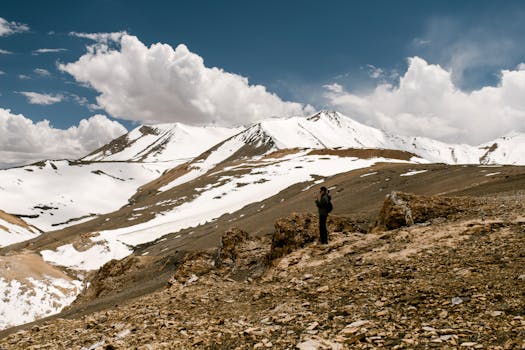
A high-altitude pass at 4,400 meters offering panoramic views of the Zanskar range. Key features include glacier views and Drang-Drung Glacier nearby; no entry fee; best in June–October; Insider Tip: Stop for a quick photo at the pass—carry warm layers even in summer.
4. Karsha Monastery
One of Zanskar’s largest monasteries, perched on a hill with sweeping valley views. Key features include ancient thangkas and festivals; no entry fee; best in summer; Insider Tip: Attend the Karsha Gustor festival in July for vibrant masked dances.
5. Stongdey Monastery
A 11th-century monastery offering history and breathtaking vistas. Key features include old artifacts and a peaceful vibe; no entry fee; best in summer; Insider Tip: Walk the surrounding trails for quiet sunset views.
6. Zangla Fort
Ruins of a historic fort in Zangla village, once home to Zanskar’s kings. Key features include panoramic views and historical insights; no entry fee; best in summer; Insider Tip: Combine with a visit to the nearby nunnery for a full cultural experience.
7. Drang-Drung Glacier
One of the largest glaciers in Ladakh, visible from Pensi La. Key features include surreal ice formations; no entry fee; best in June–September; Insider Tip: Hire a local guide to trek closer—don’t attempt solo.
8. Padum
The administrative center of Zanskar, a base for treks and cultural exploration. Key features include markets and guesthouses; no entry fee; best in summer; Insider Tip: Try local butter tea at small eateries here.
9. Sani Lake
A sacred lake near Sani Monastery, steeped in legend. Key features include serene waters and prayer flags; no entry fee; best in summer; Insider Tip: Visit during the Sani Nasjal festival in August for rituals.
10. Bardan Monastery
A lesser-known gem with ancient relics and valley views. Key features include murals and quiet charm; no entry fee; best in summer; Insider Tip: Spend an hour chatting with monks—they often share fascinating stories.
Detailed Guides for Top 3 Attractions
Phuktal Monastery
- History: Built in the 12th century, Phuktal is one of the most isolated monasteries, carved into a cliff face, symbolizing resilience and faith.
- Things to See/Do: Admire ancient wall paintings, attend morning prayers, explore the library of sacred texts.
- Nearby Spots: Cha village for homestays, small trekking trails around.
- Location & How to Reach: Located 60 km from Padum; trek 4–5 hours from Cha village or hire a jeep (INR 3,000 round trip, 2026 estimate).
- Insider Tip: Carry enough water for the trek; I once underestimated the climb and regretted not packing extra.
Zanskar River
- History: A lifeline of the region, the river has shaped Zanskar’s geography and culture, revered by locals.
- Things to See/Do: River rafting in summer, Chadar Trek in winter (January–February), photography along the banks.
- Nearby Spots: Padum for stay options, small villages for cultural insights.
- Location & How to Reach: Flows through Zanskar Valley; rafting starts near Padum, accessible by road.
- Insider Tip: During my Chadar Trek, I learned to trust local guides for safe routes—don’t skip their advice.
Pensi La Pass
- History: A crucial link between Zanskar and Suru Valley, used by traders and nomads for centuries.
- Things to See/Do: Photography of snow-capped peaks, short stops for glacier views, enjoy the high-altitude thrill.
- Nearby Spots: Drang-Drung Glacier, small tea stalls en route.
- Location & How to Reach: 130 km from Kargil, accessible by road; hire a taxi (INR 5,000 one-way, 2026 estimate).
- Insider Tip: I always pack thermals for this pass—wind chill hits hard even in summer.
How to Reach Zanskar
Zanskar’s remote location in Ladakh makes it a journey of endurance, but the views are worth it. The nearest airport is Kushok Bakula Rimpochee Airport in Leh, 230 km away. From Leh, hire a taxi (INR 10,000–12,000 one-way, 2026 estimate) or take a shared jeep (INR 2,000 per person) to Kargil, then another to Padum, Zanskar’s hub (total 12–14 hours). The nearest railway station is Jammu Tawi (700 km), from where you can take a bus or taxi to Leh via Srinagar. Road routes from major cities like Delhi (1,000 km via Manali-Leh Highway) take 2–3 days; expect costs around INR 15,000–20,000 for a private cab. Hilly drives are challenging—carry motion sickness pills, drive only during daylight, and check road conditions (often closed in winter due to snow).
Multi-Day Road Trip Circuits from Major Cities
Since Zanskar is most commonly accessed via Leh or Kargil, I’ve curated circuits starting from Leh, the gateway to Ladakh, ensuring a mix of classic, adventurous, budget, and offbeat experiences.
Classic Zanskar Circuit: Culture + Landscapes
- Stops & Sequence: Leh (start) → Kargil (240 km, 6–7 hrs) → Padum (230 km, 8–9 hrs) → Phuktal Monastery (60 km, trek) → return via same route.
- Why This Sequence: Logical progression from Leh to Zanskar’s heart, covering key cultural and scenic spots without backtracking.
- Total Duration: 6–7 days.
- Best For: Families and first-timers wanting a balanced trip.
- Tips: Book taxis in Leh (INR 25,000 round trip, 2026 estimate); carry snacks for long drives; roads to Padum are narrow—avoid night travel; check for snow blockages in shoulder seasons.
Extended Adventure Circuit: Zanskar + Suru Valley
- Stops & Sequence: Leh → Lamayuru (120 km, 4 hrs) → Kargil (110 km, 3 hrs) → Suru Valley (50 km, 2 hrs) → Padum (180 km, 7 hrs) → Pensi La & Drang-Drung Glacier → return via Kargil-Leh.
- Why This Sequence: Covers Zanskar’s highlights plus Suru Valley’s lush meadows and Lamayuru’s lunar landscapes, maximizing adventure.
- Total Duration: 9–11 days.
- Best For: Adventure enthusiasts and photographers.
- Tips: Allocate time for treks near Padum; hire sturdy vehicles (INR 35,000 round trip); pack camping gear for Suru Valley stops; book early for peak season (June–August).
Budget/Quick Circuit: Zanskar Essentials
- Stops & Sequence: Leh → Kargil (240 km, 6–7 hrs) → Padum (230 km, 8–9 hrs) → return via same route.
- Why This Sequence: Shortest route focusing on Zanskar’s core—Padum as a base for quick day trips.
- Total Duration: 4–5 days.
- Best For: Budget travelers and those short on time.
- Tips: Use shared jeeps from Leh (INR 2,000–3,000 per person); stay in guesthouses in Padum (INR 1,000/night); avoid winter due to road closures.
Offbeat Zanskar Circuit: Hidden Trails + Villages
- Stops & Sequence: Leh → Alchi (70 km, 2 hrs) → Kargil (160 km, 5 hrs) → Zangla (30 km from Padum, 2 hrs) → Padum (30 km, 2 hrs) → return via Kargil.
- Why This Sequence: Explores lesser-known Alchi Monastery and Zangla’s historic fort, offering a deeper cultural dive.
- Total Duration: 7–8 days.
- Best For: Solo travelers and culture buffs seeking offbeat paths.
- Tips: Roads to Zangla are rough—use 4x4 vehicles; stay with locals in Zangla for authentic experiences (INR 800/night); carry cash as ATMs are scarce.
Note: These circuits can be customized; always check live road conditions via Google Maps or Ladakh tourism apps.
Best Time to Visit Zanskar
Zanskar’s weather dictates your experience. Summer (June–September) is ideal with temperatures of 10–20°C, perfect for trekking and sightseeing; roads are open, and monasteries host festivals. Monsoon (July–August) brings occasional rain but lush greenery—carry rain gear. Winter (December–February) drops to -20°C, ideal for the Chadar Trek on the frozen Zanskar River, though roads are often closed; heavy woolens are a must. Shoulder seasons (April–May, October–November) offer fewer crowds but unpredictable weather—check forecasts. Based on 2026 trends, summers remain the safest bet for most travelers.
Where to Stay in Zanskar – Recommendations
- Budget: Ibex Hotel in Padum—basic rooms at INR 1,200/night (2026 estimate), warm staff, close to the market; stayed here during my first trip for its value. Book via Booking.com for deals.
- Mid-Range: Hotel Omasila in Padum—comfortable stays at INR 3,000/night, hot water, valley views; loved their homely food. Book via Booking.com for deals.
- Luxury: Zanskar Resort near Padum—premium tents at INR 6,000/night, stunning surroundings, personalized service; a treat during my last visit. Book via Booking.com for deals.
- Curated Stays: Browse unique options on Unpaqd: Browse Unpaqd stays in Zanskar
Trip Cost Breakdown (5-Day Trip for 2 People)
| Category | Cost (INR, 2026 Estimate) |
|---|---|
| Transport (Leh to Zanskar, round trip taxi) | 25,000 |
| Stay (Budget, 4 nights at INR 1,200/night) | 4,800 |
| Food (INR 500/day/person) | 5,000 |
| Activities (Rafting, local transport) | 6,000 |
| Miscellaneous (Snacks, tips) | 2,000 |
| Total | 42,800 |
Suggested Itineraries
3-Day Quick Trip
- Day 1: Arrive in Padum from Leh (12 hrs); check into guesthouse; evening market stroll; Budget Tip: Eat at local dhabas (INR 200/meal).
- Day 2: Morning visit to Karsha Monastery (8 am–11 am); afternoon Zanskar River rafting (12 pm–3 pm); rest in Padum.
- Day 3: Early departure to Leh via Kargil; stop at Pensi La for photos (1 hr); reach by evening.
5-Day Immersive Experience
- Day 1: Leh to Padum (12 hrs); settle in; evening walk in town; Budget Tip: Book shared jeeps to save costs.
- Day 2: Visit Phuktal Monastery (full-day trek or jeep); overnight in Cha village if possible.
- Day 3: Explore Karsha and Stongdey Monasteries (8 am–1 pm); relax by Zanskar River (afternoon).
- Day 4: Day trip to Pensi La and Drang-Drung Glacier (6 hrs); evening in Padum.
- Day 5: Return to Leh; stop for photos en route; arrive by night.
Ideal For
- Families: Cultural experiences and scenic drives, though long journeys require planning.
- Couples: Romantic, serene landscapes for quiet getaways.
- Solo Adventurers: Trekking and offbeat exploration with a sense of solitude.
- Groups: Adventure activities like rafting and shared travel costs.
Safety, Permits & Local Etiquette
Zanskar is generally safe, but its remoteness demands preparation. Carry first-aid kits for high-altitude sickness; acclimatize in Leh before heading out. Inner Line Permits (ILP) are required for certain areas—apply online or in Leh (INR 400/person, 2026 estimate). Winter treks like Chadar need expert guides. For solo female travelers, stick to populated areas like Padum; I’ve met many women trekkers who felt safe with locals’ warmth. Respect monastery rules—dress modestly, ask before photographing monks. Don’t litter; carry trash back. During my treks, I learned to always greet locals with a “Julley” (hello)—it opens hearts.
Hidden Tips from 20+ Years of Travel
- Sunset Spot: Head to a ridge near Karsha Monastery for jaw-dropping valley views at dusk—my favorite memory.
- Local Homestays: Stay in Cha village near Phuktal for authentic meals (INR 800/night); I loved their barley-based dishes.
- Avoid Tourist Traps: Skip overpriced souvenir stalls in Padum; buy handicrafts from village markets instead.
- Winter Prep: For Chadar Trek, rent boots in Leh—local shops offer better quality than online (INR 1,000/week).
- Cash is King: ATMs are unreliable; carry extra cash (I once ran short mid-trip).
- Festival Timing: Plan for Karsha Gustor (July)—book stays early; I missed it once due to late planning.
- Altitude Hack: Sip garlic soup in Padum—locals swear by it for acclimatization, and it worked for me.
- Hidden Trail: Ask locals for short hikes near Zangla Fort—untouched views await; discovered this on my last trip.
Frequently Asked Questions
Q: What are the top things to do in Zanskar?
Zanskar offers a mix of adventure and culture with top activities like trekking to Phuktal Monastery, river rafting on the Zanskar River, and the winter Chadar Trek. Explore ancient sites like Karsha Monastery or drive to Pensi La Pass for stunning views. Don’t miss local festivals if visiting in summer for an authentic cultural dive.
Q: How to reach Zanskar from major cities?
Reach Zanskar via Leh, the nearest airport (230 km away), by flying in from Delhi or other hubs. From Leh, hire a taxi (INR 10,000–12,000 one-way) or take a shared jeep to Kargil, then Padum over 12–14 hours. Road trips from Delhi via Manali-Leh Highway (1,000 km) take 2–3 days. Check road conditions, especially in winter.
Q: Is Zanskar safe for solo travelers?
Yes, Zanskar is safe for solo travelers, with friendly locals and a peaceful vibe. Stick to populated areas like Padum and avoid isolated treks without guides. Acclimatize to high altitude in Leh first to prevent sickness. I’ve met many solo trekkers who felt secure, especially with local support.
Q: What's the best time to visit Zanskar?
The best time to visit Zanskar is June to September, with pleasant weather (10–20°C) ideal for trekking and sightseeing. Winter (December–February) suits the Chadar Trek, though it’s extreme (-20°C) and roads may close. Shoulder seasons (April–May, October) offer solitude but unpredictable weather. Plan based on your activity preference.
Q: Do I need permits for Zanskar attractions?
Yes, an Inner Line Permit (ILP) is required for certain areas in Zanskar, especially near border zones, costing around INR 400/person (2026 estimate). Apply online or in Leh before traveling. Most monasteries and public spots don’t need additional permits. Always carry ID and permit copies during treks or drives.
Q: How much does a trip to Zanskar cost?
A 5-day trip for two to Zanskar costs around INR 42,800 (2026 estimate), covering transport, budget stays, food, and activities. Costs vary based on travel mode (taxi vs. shared jeep) and accommodation (budget to luxury). Budget travelers can cut costs by using shared transport and local eateries. Luxury options will push costs higher.
Q: What's a sample itinerary for Zanskar?
For a 5-day Zanskar itinerary, start with Leh to Padum (Day 1), visit Phuktal Monastery (Day 2), explore Karsha and Stongdey (Day 3), see Pensi La Pass (Day 4), and return to Leh (Day 5). Adjust based on pace and interests. Include buffer time for road delays. This covers key highlights efficiently.
Q: Budget stays in Zanskar?
Budget stays in Zanskar include Ibex Hotel in Padum at INR 1,200/night (2026 estimate), offering basic amenities and proximity to the market. Homestays in villages like Cha near Phuktal cost around INR 800/night with meals. Book early in peak season (June–September). Check platforms like Booking.com for deals or local guesthouses on arrival.