Yuksom
TL;DR Summary
- Yuksom: Sikkim's hidden gem with untouched natural beauty.
- Perfect for offbeat travelers seeking peace and quiet.
- Historical charm as Sikkim’s first capital awaits discovery.
- Ideal for trekking and cultural immersion on a budget.
- Serene monasteries and warm locals elevate the experience.
- Unmatched value for money in a tranquil setting.
Yuksom
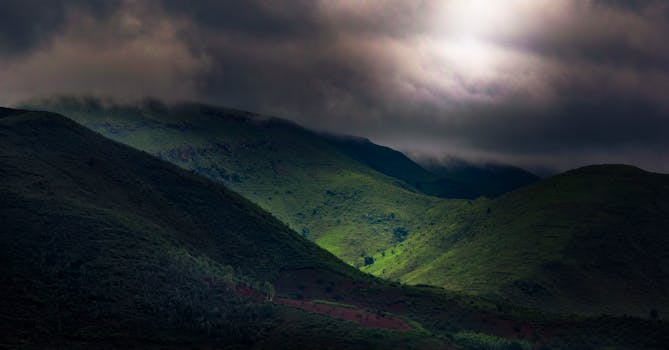
As I wound my way through the misty trails of Sikkim, my heart skipped a beat when Yuksom emerged from the fog like a forgotten painting. Tucked in the lap of the Eastern Himalayas, this quaint village felt like stepping into a time capsule—where ancient monasteries whisper tales of Sikkim’s first rulers, and the air hums with serenity. I remember sitting by the Rathong Chu River, sipping butter tea with a local who shared stories of the village’s coronation history. Yuksom isn’t just a destination; it’s a soulful retreat that remains untouched by the tourist frenzy. Often overshadowed by Gangtok or Pelling, it holds a quiet magic with its raw landscapes and sacred sites. What makes it special is its role as the gateway to Kanchenjunga treks and its profound cultural depth. In this guide, you’ll discover why Yuksom deserves a spot on your travel list, along with insider tips on things to do, how to reach, where to stay, and hidden hacks only repeat visitors know.
Why Visit Yuksom?
- Historical Significance — Yuksom was Sikkim’s first capital, where the first Chogyal was crowned in the 17th century at Norbugang Park.
- Trekking Paradise — It serves as the starting point for the iconic Goecha La trek, offering stunning views of Mount Kanchenjunga.
- Spiritual Haven — Home to ancient monasteries like Dubdi, it’s a place for meditation and connecting with Buddhist heritage.
- Untouched Nature — Surrounded by dense forests and cascading rivers, Yuksom offers a pristine escape from urban chaos.
- Cultural Richness — Interact with warm Lepcha and Bhutia communities, experiencing festivals and traditional lifestyles up close.
- Offbeat Charm — Far from crowded tourist traps, Yuksom promises solitude and authentic Himalayan vibes.
- Proximity to Kanchenjunga National Park — A UNESCO World Heritage site, it’s a biodiversity hotspot for rare flora and fauna.
Top Things to Do & See
Norbugang Park
Step into history at this sacred site where Sikkim’s first ruler was coronated, surrounded by ancient chortens and a serene ambiance. Insider tip: Visit during early morning to witness local monks offering prayers in absolute silence.
Dubdi Monastery
Marvel at this 17th-century gem, one of Sikkim’s oldest monasteries, perched on a hill with panoramic views of the valley. Insider tip: Carry a small notebook to jot down the intricate Buddhist teachings painted on the walls.
Kathok Lake
A tranquil spot revered by locals, this small lake is believed to have been blessed by a Lama centuries ago. Insider tip: Sit by the lake during sunset for a magical reflection of the surrounding hills.
Khecheopalri Lake
Known as the “Wishing Lake,” this sacred site near Yuksom is surrounded by myths and prayer flags fluttering in the wind. Insider tip: Walk the lesser-known trail behind the lake for a quieter, more intimate view.
Tashiding Monastery
A spiritual powerhouse, this monastery is believed to cleanse sins with just a visit, nestled amidst breathtaking landscapes. Insider tip: Ask a local monk about the hidden ‘Bhumpa’—a holy vase with mystical significance.
Rathong Chu River
Unwind by this gushing river, perfect for a peaceful picnic or simply soaking in the sounds of nature. Insider tip: Dip your feet in the icy water for a refreshing break after a long trek.
How to Reach Yuksom
Yuksom is tucked away in West Sikkim, but reaching it is part of the adventure. The nearest airport is Bagdogra Airport in Siliguri, West Bengal, about 150 km away. From there, you can hire a shared taxi or private cab to Yuksom, which takes around 6–7 hours and costs approximately Rs 3,000–4,000 for a private vehicle or Rs 300–500 per person for a shared one. If you’re traveling by train, the closest railway station is New Jalpaiguri (NJP), also in Siliguri, roughly 150 km from Yuksom. Shared taxis or buses from NJP to Yuksom follow the same route as from Bagdogra, with similar costs and travel time. By road, Yuksom is accessible via Gangtok (50 km away) or Pelling (35 km away). From Gangtok, shared taxis cost around Rs 200–300 per person, taking about 2–3 hours. The best route is via Legship, offering scenic views of the Teesta River and terraced hills. Always account for winding roads and occasional landslides during heavy rains when planning your journey.
Best Time to Visit
Yuksom shines brightest during the spring (March to May) and autumn (September to November), considered peak and shoulder seasons. During spring, temperatures range from 10°C to 20°C, with blooming rhododendrons painting the hills in vibrant hues. Autumn offers clear skies, ideal for trekking, with temperatures between 8°C to 18°C and stunning views of Kanchenjunga. Winters (December to February) are cold, dipping to 2°C–10°C, but perfect for snow lovers and a quieter experience. Monsoon (June to August) brings heavy rainfall, making trails slippery and prone to landslides—best avoided unless you’re prepared for unpredictable weather. For cultural enthusiasts, visiting during local festivals like Losar (Tibetan New Year) in winter adds a unique flavor to your trip.
Where to Stay
Yuksom offers a range of accommodations catering to different budgets, mostly concentrated in the main village area or along the trekking routes. For budget travelers, guesthouses like Hotel Demazong provide clean rooms with basic amenities for Rs 800–1,200 per night. Mid-range options include Hotel Tashi Gang near the market, offering cozy stays with mountain views for Rs 1,500–2,500 per night. If you’re looking for a boutique experience, check out The Red Panda Residency, a charming property with personalized service and modern comforts for Rs 3,000–4,000 per night. Homestays are also popular in Yuksom, especially around the outskirts, where you can live with local families for Rs 1,000–1,500 per night, including meals. Booking in advance is recommended during peak seasons to secure the best spots.
Trip Cost Breakdown (3-Day Trip for 2 People)
| Item | Cost |
|---|---|
| Accommodation (Mid-range) | Rs 6,000 |
| Food (Local eateries & cafes) | Rs 3,000 |
| Transport (Shared taxis from Bagdogra & local) | Rs 2,000 |
| Activities (Entry fees & short treks) | Rs 1,500 |
| Total | Rs 12,500 |
Suggested Itineraries
- 2-Day Quick Escape
- Day 1: Arrive in Yuksom by noon via Bagdogra/Gangtok. Check into your stay and explore Norbugang Park (2 PM–4 PM). Evening at leisure by Rathong Chu River (5 PM–7 PM).
- Day 2: Early visit to Dubdi Monastery (7 AM–9 AM) followed by a trip to Kathok Lake (10 AM–12 PM). Depart by afternoon after lunch.
- 3-Day Deep Dive
- Day 1: Reach Yuksom by noon. Settle in and visit Norbugang Park (2 PM–4 PM). Relax by Rathong Chu River in the evening (5 PM–7 PM).
- Day 2: Start with Dubdi Monastery (7 AM–9 AM), then head to Khecheopalri Lake (10 AM–1 PM). Afternoon exploring local markets (2 PM–4 PM).
- Day 3: Morning trip to Tashiding Monastery (8 AM–11 AM). Post-lunch, visit Kathok Lake (1 PM–3 PM). Depart by evening.
Ideal For
- Nature lovers seeking serene landscapes and Himalayan vistas.
- Trekkers eager to explore trails like Goecha La.
- History buffs interested in Sikkim’s royal and Buddhist heritage.
- Solo travelers looking for a safe, peaceful retreat.
- Couples wanting a quiet, romantic getaway off the grid.
- Cultural enthusiasts curious about Lepcha and Bhutia traditions.
Safety, Permits & Local Etiquette
- Inner Line Permit: Indian nationals don’t require permits for Yuksom, but foreign visitors need an Inner Line Permit (ILP), obtainable at Gangtok or online through authorized portals for a small fee.
- Mobile Connectivity: Network coverage is spotty; BSNL works best, but don’t rely on consistent internet. Carry cash as ATMs and digital payments often fail.
- Solo Female Traveller: Yuksom is generally safe with friendly locals. Stick to well-trodden paths, avoid late-night walks alone, and inform your stay about your plans.
- Do’s & Don’ts: Respect monastery rules by dressing modestly and removing shoes. Don’t litter, especially near sacred lakes. Always ask before photographing locals or rituals. Support local businesses by buying handmade souvenirs.
Hidden Tips Only Repeat Visitors Know
- Carry a lightweight raincoat even outside monsoon; sudden showers are common in the hills.
- Bargain politely for taxi fares from Bagdogra or Gangtok—drivers often quote higher initially.
- Pack energy bars for treks; food stalls are scarce beyond the main village.
- Visit local homes for authentic butter tea; it’s often tastier than in cafes.
- Hire a local guide for short treks—they know hidden viewpoints tourists miss.
- Check for community events at monasteries; impromptu festivals are a cultural treat.
- Buy organic honey from village stalls as a unique souvenir.
- Walk to nearby hamlets at dawn for surreal misty photo opportunities.
Frequently Asked Questions
Q: Is Yuksom worth visiting?
Yuksom is absolutely worth visiting if you crave an offbeat Himalayan experience. Its historical significance as Sikkim’s first capital, coupled with serene landscapes and trekking opportunities, makes it unique. Unlike crowded spots, it offers peace and authentic cultural immersion. Pack your bags if solitude and nature are your calling.
Q: How many days are enough for Yuksom?
A 2–3 day trip is ideal to cover Yuksom’s key attractions like Dubdi Monastery and Khecheopalri Lake. Two days work for a quick escape, while three allow deeper exploration, including short treks. If you’re trekking Goecha La, plan at least 7–10 days. Tailor your stay based on interests.
Q: Is Yuksom safe for solo female travellers?
Yes, Yuksom is generally safe for solo female travelers due to its small, friendly community. Stick to populated areas, avoid isolated trails at night, and share your itinerary with your accommodation. Locals are helpful, but basic precautions go a long way. Trust your instincts and stay aware.
Q: Which is better — Yuksom or Pelling?
Yuksom wins for history buffs and trekkers, offering a quieter, more authentic vibe with sites like Norbugang Park. Pelling, however, is better for panoramic Kanchenjunga views and easier access. Choose Yuksom for offbeat charm, Pelling for convenience. It depends on your travel style.
Q: Do I need permits for Yuksom?
Indian nationals don’t need permits to visit Yuksom, making it hassle-free. Foreign travelers require an Inner Line Permit (ILP), easily obtained in Gangtok or through travel agents. Ensure you carry valid ID for checkpoints. It’s a straightforward process with minimal cost.
Q: Is Yuksom expensive?
No, Yuksom is quite budget-friendly compared to popular Himalayan destinations. Accommodation, food, and local transport are reasonably priced, with a 3-day trip for two costing around Rs 12,000–15,000. Luxury options are limited, keeping costs low. It’s a great value-for-money destination for travelers.