Turtuk Border Village: Explore India’s Remote Hidden Gem – Travel Guide
The right stay. At the right price. Every time.
Find your perfect Kashmir stay on Unpaqd — with our AI search feature
Curated 4.5+ rated homestays, price-match guarantee, and zero commissions-so you never overpay or settle. Just describe your ideal stay, and we'll do the rest.
Explore stays on UnpaqdSummary
- Turtuk Border Village: A rare, untouched gem in Ladakh.
- Serene landscapes with Indo-Pak border intrigue.
- Perfect for offbeat explorers seeking quiet escapes.
- Authentic Balti culture in every corner.
- Budget-friendly with unparalleled scenic beauty.
- A peaceful retreat far from tourist crowds.
Turtuk Border Village
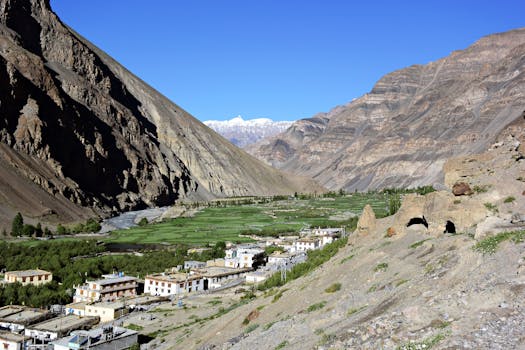
I still remember that chilly morning when I first rolled into Turtuk, the northernmost village in India, tucked away in Ladakh’s Nubra Valley. The air was crisp, the kind that bites at your cheeks, and the Shyok River flowed quietly beside the narrow road, its turquoise hue almost surreal against the barren mountains. I stopped at a tiny tea stall run by an elderly Balti woman who offered me a cup of gur-gur cha, a salty butter tea, for just Rs 20. Her warm smile and broken Hindi made the moment unforgettable—she pointed to the distant hills, casually mentioning, “Woh Pakistan hai.” That’s when it hit me: I was standing at the edge of India, in a village that was part of Pakistan until 1971.
Turtuk remains criminally underrated, often skipped by travelers rushing through Nubra Valley to Diskit or Hunder. What makes it special is its raw, unpolished charm—think ancient stone houses, apricot orchards, and locals who still live a life untouched by mass tourism. You’re not just visiting a place; you’re stepping into a living piece of history. In this guide, I’ll walk you through everything you need to uncover the magic of Turtuk Border Village.
Why Visit Turtuk Border Village?
- Unique Border Location — Stand at the edge of India, with Pakistan just a few kilometers away, visible across the border fence.
- Balti Culture — Experience the distinct Balti heritage through food, language, and architecture, a rare blend in Indian territory.
- Stunning Landscapes — The Shyok River carves through dramatic mountains, offering postcard-worthy views at every turn.
- Historical Significance — Once part of Baltistan under Pakistani control, Turtuk’s story changed during the 1971 war, making it a living history lesson.
- Peaceful Solitude — Far from crowded tourist spots, it’s a haven for those seeking quiet and introspection.
- Apricot Heaven — Known for its lush orchards, you can taste fresh, juicy apricots or buy dried ones from locals.
- Authentic Village Life — Interact with warm locals who share stories of their cross-border past over cups of traditional tea.
Top Things to Do & See
Walk to the Indo-Pak Border Viewpoint
Gaze across the border towards Pakistan from a designated viewpoint, a surreal experience with the Shyok River dividing the two nations. Insider tip: Chat with the Indian Army personnel stationed nearby—they often share fascinating tidbits about the area’s history.
Explore Turtuk’s Stone Houses
Wander through the village’s narrow lanes lined with ancient stone homes, some over 300 years old, reflecting Balti architecture. Insider tip: Look for houses with intricately carved wooden doors—locals are often happy to let you take a peek inside.
Visit the Balti Heritage Museum
A small, community-run museum showcasing Balti artifacts, old utensils, and photographs that tell the village’s unique story. Insider tip: The caretaker, often a local elder, narrates personal anecdotes if you ask politely.
Stroll Through Apricot Orchards
Lose yourself in the sprawling apricot fields, especially vibrant during harvest season with fruit-laden trees. Insider tip: Buy a kilo of dried apricots directly from farmers for around Rs 300—way cheaper than markets in Leh.
Relax by the Shyok River
Sit by the shimmering riverbank, letting the sound of gushing water wash away your stress amid stark mountain scenery. Insider tip: Head to the quieter stretches near Turtuk Farol for a more secluded spot.
Attend a Local Polo Match
If you’re lucky, catch a traditional polo game, a sport deeply rooted in Balti culture, played with raw energy. Insider tip: Check with locals at Turtuk’s central chowk for match schedules—they’re usually impromptu.
How to Reach Turtuk Border Village
Getting to Turtuk is an adventure in itself, with winding roads and jaw-dropping vistas. The village lies about 205 km from Leh, the main hub in Ladakh. If you’re flying in, the nearest airport is Kushok Bakula Rimpochee Airport in Leh, well-connected to Delhi, Mumbai, and Srinagar with daily flights. From Leh, you’ll need to travel by road, as there’s no railway access in this remote region.
The best route is via the Leh-Nubra Valley road. Start by crossing the iconic Khardung La Pass (one of the highest motorable passes in the world at 17,582 ft) on NH-1, roughly 40 km from Leh. After descending into Nubra Valley, head towards Diskit (90 km from Khardung La), then continue past Hunder to reach Turtuk, an additional 80 km. The roads are narrow and gravelly beyond Hunder, so a sturdy vehicle like a 4x4 is ideal. Total travel time from Leh to Turtuk is about 7-8 hours, depending on road conditions and stops for photography—trust me, you’ll want to stop often.
For public transport, shared taxis run from Leh to Nubra Valley, costing around Rs 500-700 per person to Diskit. From Diskit, you can hire a local cab to Turtuk for about Rs 2,000 one way. Private taxis from Leh directly to Turtuk will set you back around Rs 8,000-10,000 for a round trip. If you’re on a bike, ensure it’s in top condition—breakdowns in these remote stretches can be tricky. Fuel up at Diskit, as there are no petrol pumps beyond that point. A pro tip: Carry snacks and water, as food stalls are sparse after Hunder.
Best Time to Visit
Turtuk is accessible for most of the year, but the ideal window is between May and September. During these months, the weather is pleasant, with daytime temperatures ranging from 15°C to 25°C, perfect for exploring on foot. The roads are generally clear of snow, and the apricot orchards are in full bloom or ready for harvest, adding color to the rugged terrain.
October to November is a shoulder season—colder, with temperatures dipping to 5°C during the day and below zero at night, but the autumn hues are stunning. Winters (December to April) are harsh, with heavy snowfall often blocking roads beyond Khardung La, and temperatures can plummet to -15°C. Monsoon isn’t a major concern here, as Ladakh falls in a rain-shadow region, but occasional landslides can disrupt travel in July and August. Pack layers regardless of when you go—nights are always chilly.
Where to Stay
Turtuk doesn’t have luxury hotels, but its homestays and guesthouses offer warmth and authenticity. Most accommodations are in the main village area or near Turtuk Farol, a quieter hamlet nearby.
- Budget: Turtuk Holiday Homestay offers basic rooms with shared bathrooms for Rs 800-1,000 per night. Meals like thukpa and rice are often included or available for Rs 150 per person.
- Mid-range: Balti Homestay provides cozy rooms with attached bathrooms and stunning views of the Shyok River for Rs 1,500-2,000 per night. Their home-cooked Balti meals are a highlight.
- Boutique: Maha Guest House in Turtuk Farol is a step up, with neat rooms, hot water, and a small garden area for Rs 2,500-3,000 per night. Perfect for a slightly more comfortable stay.
Book in advance during peak months, as options are limited. Many places don’t have online listings, so a quick call or coordination through a local contact in Leh works best.
Trip Cost Breakdown (3-Day Trip for 2 People)
| Item | Cost |
|---|---|
| Accommodation (Mid-range homestay) | Rs 4,500 |
| Food (Meals at homestays/local eateries) | Rs 3,000 |
| Transport (Shared taxi from Leh + local cab) | Rs 5,000 |
| Activities (Museum entry, local purchases) | Rs 1,000 |
| Total | Rs 13,500 |
Suggested Itineraries
- 2-Day Quick Escape
- Day 1: Depart Leh by 7 AM, reach Turtuk by 3 PM via Khardung La and Diskit. Check into a homestay, relax by the Shyok River till sunset.
- Day 2: Morning visit to the border viewpoint at 8 AM, explore stone houses and orchards by 11 AM. Leave for Leh by 1 PM, arriving by 9 PM.
- 3-Day Deep Dive
- Day 1: Start from Leh at 7 AM, arrive in Turtuk by 3 PM. Settle into homestay, evening stroll in the village till 7 PM.
- Day 2: Begin at 8 AM with the border viewpoint, visit Balti Heritage Museum by 10 AM, spend afternoon in orchards till 3 PM. Evening by Shyok River.
- Day 3: Morning polo match (if scheduled) at 9 AM or explore Turtuk Farol. Depart for Leh by noon, reach by 8 PM.
Ideal For
- History buffs intrigued by border tales and cultural shifts.
- Nature lovers seeking serene river and mountain landscapes.
- Offbeat travelers craving destinations beyond mainstream circuits.
- Photographers aiming to capture raw, unfiltered village life.
- Solo adventurers or small groups looking for peaceful getaways.
Safety, Permits & Local Etiquette
- Inner Line Permit: Required for Indian nationals to enter Nubra Valley, including Turtuk. Obtain it online or from the DC Office in Leh for Rs 400-600 per person, valid for 7 days.
- Mobile Connectivity: Networks are spotty—BSNL works intermittently, while Airtel and Jio are mostly unreliable. Carry a satellite phone for emergencies if possible.
- Solo Female Traveller: Generally safe due to the tight-knit community, but stick to populated areas and avoid venturing alone near border zones at night. Dress modestly to blend in.
- Do's & Don'ts: Respect local customs—ask before photographing people or homes. Don’t litter, especially near the river. Avoid discussing sensitive border topics with locals or army personnel.
Hidden Tips Only Repeat Visitors Know
- Bargain politely for dried fruits at the small market near Turtuk’s central chowk—prices drop if you buy in bulk.
- Carry cash in small denominations—ATMs are non-existent, and homestays don’t accept digital payments.
- Pack a good pair of walking shoes; the village lanes are uneven and dusty.
- Visit the local bakery near Balti Homestay for fresh khambir bread—costs just Rs 10 a piece.
- If staying longer, ask your homestay host to arrange a storytelling session with elders—they share incredible border tales.
- Stop at the small tea stall run by Aunty Fatima near the river for the best gur-gur cha in town.
- Avoid planning tight schedules—road conditions can delay travel by hours.
- Carry a power bank; electricity is erratic, especially at night.
Frequently Asked Questions
Q: Is Turtuk Border Village worth visiting?
Absolutely, if you’re drawn to offbeat destinations with a mix of history and natural beauty. Turtuk offers a rare glimpse into Balti culture and the thrill of being at India’s edge. It’s not for everyone, but for adventurers, it’s a treasure. The serene Shyok River and border stories make it unforgettable.
Q: How many days are enough for Turtuk Border Village?
Two to three days are ideal to soak in the vibe. A 2-day trip covers the main sights like the border viewpoint and orchards, while 3 days let you immerse in local life. Rushing it in a day trip from Leh feels incomplete.
Q: Is Turtuk Border Village safe for solo female travellers?
Yes, it’s relatively safe due to the close-knit community and army presence. However, stick to populated areas, avoid isolated spots near the border at night, and dress conservatively. Locals are friendly, but basic precautions go a long way.
Q: Which is better — Turtuk Border Village or Pangong Lake?
It depends on your vibe. Pangong Lake is more popular for its cinematic blue waters and accessibility, while Turtuk offers raw cultural depth and border intrigue. If you want solitude and history over postcard scenery, pick Turtuk.
Q: Do I need permits for Turtuk Border Village?
Yes, an Inner Line Permit is mandatory for Indian nationals to enter Nubra Valley, including Turtuk. It’s easily available in Leh or online for a small fee. Foreign nationals may need additional Protected Area Permits—check with authorities in Leh.
Q: Is Turtuk Border Village expensive?
Not at all—it’s quite budget-friendly compared to other Ladakh spots. Homestays start at Rs 800 per night, meals are under Rs 200, and transport costs are reasonable if shared. A 3-day trip for two can cost around Rs 13,000-15,000. Hidden costs are minimal if you plan well.