Tungnath Trek: Uncover India’s Highest Shiva Temple – Complete Guide
The right stay. At the right price. Every time.
Find your perfect Uttarakhand stay on Unpaqd — with our AI search feature
Curated 4.5+ rated homestays, price-match guarantee, and zero commissions-so you never overpay or settle. Just describe your ideal stay, and we'll do the rest.
Explore stays on UnpaqdSummary
- Tungnath Trek: A serene Himalayan escape for soul-seekers.
- Hidden gem perched at 3,680 meters above sea level.
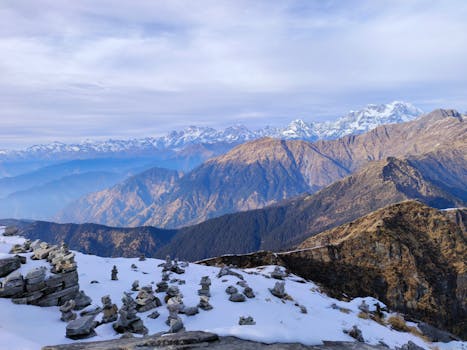
- Offbeat trail with panoramic views of snow-capped peaks.
- Peaceful alternative to crowded Uttarakhand treks.
- Spiritual vibes at the world’s highest Shiva temple.
- Value for money with minimal travel costs.
Tungnath Trek
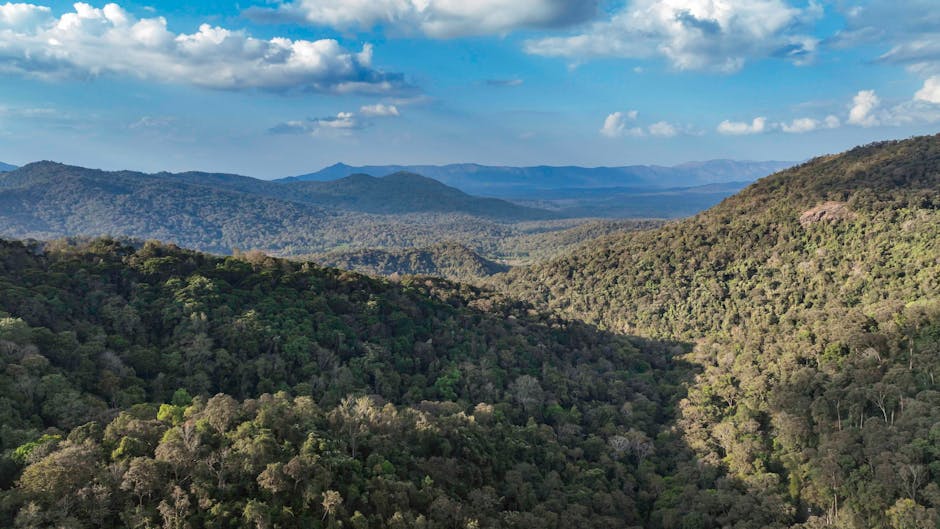
I still remember that crisp morning when I laced up my trekking boots at the base of Tungnath, the air sharp with the scent of pine and a faint chill biting at my fingertips. It was just after dawn, around 6 AM, and a local chaiwallah near Chopta handed me a steaming glass of ginger tea for just Rs 10, his toothless grin warmer than the drink itself. The mist clung to the rolling meadows as I started the ascent, each step revealing a new layer of the Garhwal Himalayas. Tungnath Trek isn’t just a hike; it’s a quiet pilgrimage to the highest Shiva temple in the world, yet it remains blissfully underrated compared to the chaos of Kedarnath or Badrinath. What makes it special? The sheer solitude on the trail, the untouched alpine beauty, and moments like spotting a lone shepherd guiding his flock near the summit. In this guide, I’ll walk you through everything you need to know to experience this hidden slice of paradise for yourself.
Why Visit Tungnath Trek?
- Spiritual Significance — Home to Tungnath Mahadev, the highest Shiva temple globally, steeped in ancient mythology.
- Breathtaking Vistas — Unobstructed views of peaks like Nanda Devi, Trishul, and Chaukhamba from the summit.
- Solitude on Trail — Far less crowded than popular treks like Roopkund, offering a personal connection with nature.
- Accessible Challenge — A moderate 5-km trek from Chopta, suitable for beginners with basic fitness.
- Cultural Immersion — Interact with Garhwali villagers in Chopta, whose simple lifestyle adds depth to the journey.
- Wildlife Encounters — Spot rare Himalayan birds like the monal or even musk deer if you’re lucky.
- Budget-Friendly Adventure — Minimal expenses for a high-altitude trek with maximum rewards.
Top Things to Do & See
Tungnath Mahadev Temple
A sacred stone structure at 3,680 meters, this temple feels like a portal to another time. Insider tip: Arrive early morning to witness the priest’s first aarti—it’s a soul-stirring ritual rarely seen by tourists.
Chandrashila Peak
Just 1.5 km beyond Tungnath, this summit offers a 360-degree panorama of the Himalayas. Insider tip: Carry a small notebook to jot down the names of peaks—locals at the top often help identify them.
Chopta Meadows
Known as the “Mini Switzerland of India,” these lush green expanses are perfect for a quiet picnic. Insider tip: Visit the small Maggi stall near the parking area for a hot snack post-trek.
Deoria Tal (Nearby)
A reflective lake surrounded by dense forests, ideal for a day trip from Chopta. Insider tip: Camp overnight by the lake for a surreal sunrise view of Chaukhamba peak.
Rhododendron Trails
During spring, the path bursts into vibrant red and pink blooms. Insider tip: Ask locals in Chopta for the best spots to photograph these seasonal flowers.
Shepherd Huts
Scattered along the trek, these rustic shelters offer a glimpse into nomadic life. Insider tip: Politely ask if you can click pictures—most shepherds are happy to share stories.
How to Reach Tungnath Trek
Getting to Tungnath Trek starts with reaching Chopta, the base point for this journey, located in Uttarakhand’s Rudraprayag district. The nearest airport is Jolly Grant Airport in Dehradun, about 220 km away. From there, hire a taxi for around Rs 4,000–5,000 to Chopta, a scenic 7–8 hour drive via NH-7 and Rishikesh. If you’re traveling by train, the closest railway station is Haridwar Junction, 200 km from Chopta. Shared cabs or private taxis from Haridwar to Chopta cost between Rs 3,500–4,500, taking roughly 6–7 hours. For those driving, take NH-7 from Rishikesh to Rudraprayag, then follow the narrow but picturesque Chopta-Ukhimath Road. A key landmark is the Devi Temple at Duggalbitta, after which the road gets steeper.
From Chopta, the trek to Tungnath Temple is a straightforward 5 km uphill climb, starting near the main parking area. Local ponies are available for Rs 800–1,000 one way if you’re not up for walking, though I recommend trekking to soak in the views. The trail is well-marked with stone steps for the first half, transitioning to a dirt path closer to the temple. Buses from Rishikesh to Ukhimath (Rs 300–400) are another budget option; from Ukhimath, shared jeeps to Chopta cost Rs 100 per person. Pro tip: Start early from Chopta to avoid midday heat and ensure you have daylight for the descent.
Best Time to Visit
The ideal window for Tungnath Trek is between May and June or September to November, when the weather is pleasant with temperatures ranging from 5°C to 20°C during the day. These months offer clear skies for stunning Himalayan views and safe trekking conditions. The shoulder seasons of late April and early December can work too, though expect colder nights dipping to 0°C. Monsoon, from July to August, is risky due to slippery trails and frequent landslides—avoid unless you’re an experienced trekker. Winter treks (December to March) are for the brave, with heavy snowfall turning the path into a snowy wonderland, but temperatures can plummet to -10°C. Always check local weather updates before planning, as high-altitude conditions shift rapidly.
Where to Stay
Accommodation around Tungnath Trek is basic but charming, centered in Chopta, the main base. For budget travelers, guesthouses like Neelkanth Guest House near Chopta market offer rooms for Rs 800–1,200 per night with bare-bones amenities—think warm blankets and hot water buckets. Mid-range options include places like Mayadeep Holiday Home, where rooms go for Rs 2,000–2,500 per night, often with attached bathrooms and decent views of the surrounding hills. If you’re after a more boutique experience, check into Magpie Camp in Chopta, which provides tented stays for Rs 3,000–4,000 per night, complete with guided treks and bonfire nights. Booking ahead isn’t always necessary outside peak season, but during May–June, reserve via phone to secure a spot. For an authentic vibe, ask locals about homestays near Duggalbitta village, often priced at Rs 1,000 per night with home-cooked meals.
Trip Cost Breakdown (3-Day Trip for 2 People)
| Item | Cost |
|---|---|
| Accommodation (2 nights in Chopta) | Rs 4,000 |
| Food (meals at local dhabas) | Rs 2,000 |
| Transport (taxi from Dehradun to Chopta & back) | Rs 9,000 |
| Activities (pony hire or guide, if needed) | Rs 1,000 |
| Total | Rs 16,000 |
Suggested Itineraries
- 2-Day Quick Escape
- Day 1: Arrive in Chopta by noon via taxi from Dehradun. Check into a guesthouse, grab lunch at a local dhaba like Himalaya Restaurant (try their aloo parathas). Start the Tungnath Trek by 2 PM, reach the temple by 5 PM, and return to Chopta by 8 PM for dinner and rest.
- Day 2: Early morning visit to nearby Deoria Tal (7 AM–11 AM) for sunrise views. Head back to Dehradun by noon, reaching by evening.
- 3-Day Deep Dive
- Day 1: Reach Chopta by midday, settle into accommodation, and spend the afternoon exploring the meadows. Evening bonfire or stargazing if staying at a camp.
- Day 2: Begin Tungnath Trek at 6 AM, reach the temple by 9 AM, and push further to Chandrashila Peak by 11 AM. Descend by 3 PM, relax in Chopta with a hot meal at Shree Tungnath Dhaba.
- Day 3: Morning trip to Deoria Tal (6 AM–10 AM), return to Chopta for checkout, and drive back to Dehradun by evening.
Ideal For
- Spiritual seekers looking for a quiet pilgrimage with deep cultural roots.
- Nature lovers craving unspoiled Himalayan landscapes and solitude.
- Beginner trekkers wanting a manageable yet rewarding high-altitude hike.
- Budget travelers seeking an affordable mountain getaway.
- Photographers eager to capture dramatic peaks and vibrant flora.
Safety, Permits & Local Etiquette
- Inner Line Permit: No permits are required for Tungnath Trek as it falls outside restricted zones, though carry a valid ID for general checks.
- Mobile Connectivity: Network is spotty; BSNL works intermittently in Chopta, but don’t rely on it above the base. Inform family before trekking.
- Solo Female Traveller: Generally safe with friendly locals, but stick to daylight hours for the trek and avoid isolated trails alone. Team up with fellow travelers if possible.
- Do's & Don'ts: Respect the temple’s sanctity—remove shoes and avoid loud behavior. Don’t litter; carry trash back to Chopta. Bargain politely with pony owners or vendors. Dress modestly, especially near sacred sites.
Hidden Tips Only Repeat Visitors Know
- Start your trek before sunrise from Chopta to catch the golden hour at Tungnath Temple—views are unreal.
- Pack a small thermos; hot water from dhabas in Chopta (Rs 20) keeps you warm on the trail.
- Chat with priests at the temple; they often share lesser-known legends about the Pandavas.
- Buy handmade woolen caps from stalls near Chopta parking for Rs 100–150—perfect souvenirs.
- Avoid weekends if possible; even this offbeat spot sees small crowds on Saturdays.
- Carry cash (ATMs are 50 km away in Ukhimath); small vendors don’t accept digital payments.
- If trekking in winter, rent gumboots from shops in Chopta for Rs 200/day—better grip on snow.
- Stop at the tiny tea stall halfway up the trek; their Maggi (Rs 50) is a lifesaver.
Frequently Asked Questions
Q: Is Tungnath Trek worth visiting?
Absolutely, if you’re after peace and raw Himalayan beauty. Unlike overcrowded treks, Tungnath offers solitude alongside spiritual depth with its ancient temple. The views from Chandrashila Peak are a bonus that rival any postcard image. It’s a perfect blend of adventure and calm.
Q: How many days are enough for Tungnath Trek?
A 2-day trip covers the essentials—trekking to Tungnath and back with some downtime in Chopta. However, I recommend 3 days to include nearby Deoria Tal and fully soak in the region’s charm. Rushing through misses the quiet magic of the place.
Q: Is Tungnath Trek safe for solo female travellers?
Yes, it’s relatively safe with a welcoming local community, but precautions are key. Trek during daylight, ideally with a group, and avoid straying off the main path. Locals are helpful if you need directions or assistance. Always inform someone about your plans.
Q: Which is better — Tungnath Trek or Kedarnath Trek?
Tungnath is ideal for a shorter, less crowded experience with equal spiritual weight and stunning views. Kedarnath, while iconic, involves a tougher 16-km trek and attracts massive pilgrim traffic. Choose Tungnath for peace; Kedarnath for a grander pilgrimage vibe. It depends on your priorities.
Q: Do I need permits for Tungnath Trek?
No special permits are required for Tungnath Trek, as it’s not in a restricted area. Just carry a government-issued ID for identification if asked by authorities. It’s hassle-free compared to treks near border zones. Always check for updated local guidelines before traveling.
Q: Is Tungnath Trek expensive?
Not at all—it’s one of the most affordable Himalayan treks. A 3-day trip for two can cost under Rs 16,000, covering stay, food, and transport from Dehradun. Local dhabas and guesthouses keep expenses low. It’s a steal for the experience you get.