Tirthan Valley Uncovered: Ultimate Travel Guide & Expert Tips
The right stay. At the right price. Every time.
Find your perfect Himachal Pradesh stay on Unpaqd — with our AI search feature
Curated 4.5+ rated homestays, price-match guarantee, and zero commissions-so you never overpay or settle. Just describe your ideal stay, and we'll do the rest.
Explore stays on UnpaqdUltimate Guide to Tirthan Valley – Expert Travel Tips
TL;DR Summary
- Tirthan Valley travel guide: Your go-to for an untouched Himalayan escape.
- Best time to visit Tirthan Valley: Spring (March-May) or autumn (Sep-Nov).
- Top attractions: Great Himalayan National Park, Tirthan River, and serene villages.
- Unique appeal: Perfect for trekkers, nature lovers, and peace seekers.
- Things to do in Tirthan Valley: Trekking, fishing, and village walks.
- Hidden gem: Offbeat trails with stunning river views await!
Introduction to Tirthan Valley
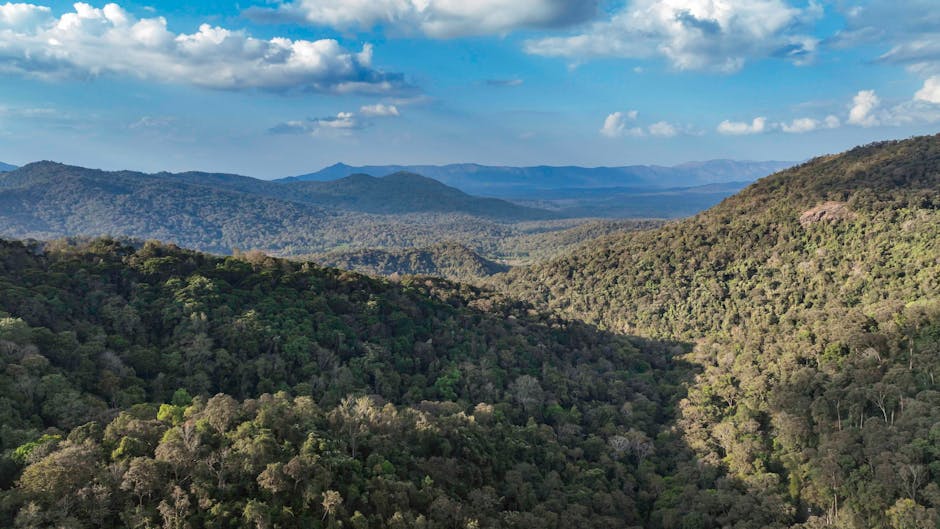
I still remember my first sunrise in Tirthan Valley, perched on a rocky outcrop near Gushaini village, watching the golden light spill over the snow-capped Himalayas while the Tirthan River murmured below. Nestled in Himachal Pradesh’s Kullu district, this lesser-known paradise is a haven of untouched beauty, with dense pine forests, gushing rivers, and quaint hamlets that feel frozen in time. It’s a must-visit for anyone craving a break from crowded hill stations like Manali or Shimla. Whether you’re a family seeking quiet picnics, a couple looking for romantic riverside walks, or an adventurer eager for treks in the Great Himalayan National Park, Tirthan Valley has something for everyone. In this guide, you’ll discover top attractions, insider tips for a perfect Tirthan Valley itinerary, budget travel hacks, and more. For similar vibes, check our Manali guide [link placeholder].
Why Visit Tirthan Valley? (Key Highlights)
- Breathtaking Himalayan views for nature lovers, with peaks touching the clouds.
- Serene Tirthan River ideal for trout fishing and peaceful riverside camping.
- Gateway to Great Himalayan National Park, a UNESCO World Heritage Site.
- Authentic village experiences—interact with locals and savor Himachali cuisine.
- Perfect for trekkers, with trails ranging from easy to challenging.
- Less crowded than mainstream hill stations, offering solitude and raw beauty.
- Unique fact: During my visits, I learned from locals that Tirthan Valley’s name comes from the sacred Tirthan River, believed to cleanse sins.
Top Attractions in Tirthan Valley
1. Great Himalayan National Park (GHNP)
A UNESCO World Heritage Site, GHNP is a biodiversity hotspot with rare wildlife. Key features: Over 375 species of fauna, trekking trails. Entry fee: INR 200 per person (2026 estimate). Best time: March to June. Insider tip: Start early for a chance to spot the elusive snow leopard.
2. Tirthan River
This crystal-clear river is perfect for angling and relaxation. Key features: Trout fishing, scenic walks. Entry fee: None (fishing permits INR 500/day). Best time: April to October. Insider tip: Visit near Gushaini for the calmest spots to unwind.
3. Jalori Pass
A high-altitude pass at 3,120 meters offering panoramic views. Key features: 360-degree Himalayan vistas, trekking base. Entry fee: None. Best time: May to November. Insider tip: Carry warm layers even in summer; winds are chilly!
4. Serolsar Lake
A serene alpine lake surrounded by dense forests. Key features: Pristine waters, easy trek. Entry fee: None. Best time: May to October. Insider tip: Pack a picnic; the lake’s tranquility is unmatched.
5. Gushaini Village
The entry point to Tirthan Valley, brimming with rustic charm. Key features: Homestays, local culture. Entry fee: None. Best time: Year-round. Insider tip: Chat with locals for folklore over a cup of chai.
6. Chhoie Waterfall
A hidden gem with a refreshing cascade amidst greenery. Key features: Short trek, natural pool. Entry fee: None. Best time: Monsoon (July-August). Insider tip: Wear sturdy shoes; the path gets slippery.
7. Raghupur Fort
Ruins of an ancient fort with historical significance and stunning views. Key features: Trekking, photography. Entry fee: None. Best time: April to June. Insider tip: Sunset from here feels magical—don’t miss it.
8. Banjar Town
A small market town to experience local life. Key features: Shops, temples, cafes. Entry fee: None. Best time: Year-round. Insider tip: Try local honey sold by street vendors.
9. Rolla Trek
A moderate trek through pine forests to panoramic viewpoints. Key features: Scenic trails, camping spots. Entry fee: None. Best time: March to May. Insider tip: Hire a local guide for hidden detours.
10. Shoja Village
A quaint village with meadows and apple orchards. Key features: Peaceful stays, nature walks. Entry fee: None. Best time: Spring (March-April). Insider tip: Stay overnight for stargazing—it’s surreal.
Detailed Guides for Top 3 Attractions
Great Himalayan National Park
- History: Established in 1984, GHNP spans 1,171 sq km and was awarded UNESCO status in 2014 for its unique biodiversity.
- Things to See/Do: Spot wildlife like Himalayan tahr, trek to high-altitude meadows, birdwatching (over 200 species).
- Nearby Spots: Tirthan River for fishing, Gushaini for homestays.
- Location & How to Reach: Entry via Gushaini, 10 km from Banjar. Hire a taxi or trek from the village.
- Insider Tip: During my last visit, I found that booking a guided trek (INR 1,500/day) enhances the experience with local insights.
Tirthan River
- History: Named after the sacred ‘Tirth’ (pilgrimage), it’s a tributary of the Beas River, revered by locals.
- Things to See/Do: Trout fishing (permits required), riverside camping, photography.
- Nearby Spots: Gushaini Village for stays, GHNP entry points.
- Location & How to Reach: Flows through the valley; accessible from Gushaini or Banjar by foot or taxi.
- Insider Tip: I once spent an afternoon fishing with a local who taught me the best bait—pure joy!
Jalori Pass
- History: An ancient trade route, it connects Kullu and Shimla regions, historically significant for merchants.
- Things to See/Do: Enjoy panoramic views, short treks to nearby ridges, photography.
- Nearby Spots: Serolsar Lake (5 km trek), Shoja Village.
- Location & How to Reach: 45 km from Banjar via winding roads; hire a cab (INR 2,000 round trip).
- Insider Tip: Stop for maggi at roadside shacks—tastes heavenly at this altitude, as I discovered!
How to Reach Tirthan Valley
Tirthan Valley lies in Kullu district, Himachal Pradesh, and reaching it is an adventure in itself. The nearest airport is Bhuntar (Kullu-Manali), 50 km away, with flights from Delhi costing INR 5,000–7,000 (2026 estimate). From Bhuntar, hire a taxi (INR 2,500) or take a local bus to Banjar (2 hours). The nearest railway station is Joginder Nagar (150 km), connected to Pathankot; from there, buses or taxis to Banjar cost INR 3,000. By road, Delhi to Banjar (500 km) takes 12–14 hours via NH44; expect fuel costs of INR 5,000 plus tolls (INR 800). From Chandigarh (250 km), it’s a 6–7 hour drive. Tip for hilly drives: Avoid night travel, carry anti-nausea meds, and check tire conditions—roads can be narrow and steep.
Multi-Day Road Trip Circuits from Major Cities
Since Delhi is the most popular starting point for Himalayan getaways, I’ve crafted four diverse circuits that include Tirthan Valley as a key stop. These are based on real routes I’ve driven over the years, ensuring practicality and scenic value.
Classic Kullu Valley Circuit: Nature + Culture
- Stops & Sequence: Delhi → Chandigarh (250 km, 5 hrs) → Manali (310 km, 7 hrs) → Banjar/Tirthan Valley (50 km, 2 hrs) → return via Aut (70 km, 2 hrs) → Chandigarh → Delhi.
- Why This Sequence: Logical flow from urban to hill stations, with Manali as a popular stop before the serene Tirthan Valley; avoids backtracking.
- Total Duration: 5–7 days.
- Best For: Families and first-time Himalayan travelers.
- Tips: Take NH44 from Delhi to Chandigarh for smooth highways; book stays in Manali in advance; expect foggy roads in winter near Aut.
Extended Himalayan Adventure Circuit: Peaks + Wilderness
- Stops & Sequence: Delhi → Shimla (340 km, 7 hrs) → Sarahan (170 km, 5 hrs) → Sangla (90 km, 3 hrs) → Kalpa (40 km, 2 hrs) → Manali (200 km, 6 hrs) → Tirthan Valley (50 km, 2 hrs) → return via Chandigarh (320 km, 8 hrs) → Delhi.
- Why This Sequence: Covers iconic Kinnaur and Kullu regions, blending adventure with Tirthan’s calm; scenic Spiti detour possible.
- Total Duration: 10–12 days.
- Best For: Adventure enthusiasts and photographers.
- Tips: Carry extra fuel for Kinnaur stretches; avoid monsoon due to landslide risks; book homestays in Sangla early.
Budget/Quick Weekend Circuit: Escape from Delhi
- Stops & Sequence: Delhi → Chandigarh (250 km, 5 hrs) → Banjar/Tirthan Valley (250 km, 6 hrs) → return same route.
- Why This Sequence: Shortest route to Tirthan for a quick getaway, minimizing travel fatigue.
- Total Duration: 3–4 days.
- Best For: Couples or small groups on a tight schedule.
- Tips: Start early from Delhi to avoid traffic; tolls around INR 800; pack snacks for long drives.
Offbeat Himachal Circuit: Hidden Gems
- Stops & Sequence: Delhi → Chail (350 km, 7 hrs) → Narkanda (60 km, 2 hrs) → Rampur (65 km, 2 hrs) → Tirthan Valley via Banjar (100 km, 3 hrs) → return via Aut → Chandigarh → Delhi.
- Why This Sequence: Explores lesser-known spots like Chail and Narkanda before Tirthan’s serenity; offers diverse landscapes.
- Total Duration: 7–9 days.
- Best For: Offbeat travelers seeking unique experiences.
- Tips: Roads to Narkanda can be narrow—drive cautiously; check apple orchards in season; book stays via local contacts.
Note: These circuits can be customized; always check live road conditions via Google Maps or Himachal tourism apps.
Best Time to Visit Tirthan Valley
Tirthan Valley shines year-round, but each season offers a unique charm. Spring (March-May) is ideal with pleasant weather (15–25°C), blooming flowers, and clear trekking trails. Summer (June) is warm (20–30°C) and perfect for river activities. Monsoon (July-August) brings lush greenery but slippery roads and landslide risks—expect heavy rain (100–150 mm). Autumn (September-November) offers crisp air (10–20°C) and stunning views, making it prime for a Tirthan Valley itinerary. Winter (December-February) sees snow in higher areas (0–10°C), great for cozy stays, though treks can be challenging. Shoulder seasons (March and November) balance weather and fewer crowds. Always check 2026 weather updates on apps like AccuWeather for sudden changes.
Where to Stay in Tirthan Valley – Recommendations
- Budget: Himalayan Trout House in Gushaini—clean, riverside rooms at INR 1,500/night (2026 estimate). I loved their homely vibe and fresh food. Book via Booking.com for deals.
- Mid-Range: Tirthan Nature Camp in Nagini—tents and cottages at INR 3,000/night with valley views. My stay here felt like a true escape. Book via Booking.com.
- Luxury: Raju Bharti’s Guest House in Banjar—spacious rooms at INR 5,000/night with personalized service. I cherished their warm hospitality. Book via Booking.com.
- Curated Stays: Browse curated stays on Unpaqd: Browse Unpaqd stays in Tirthan Valley
Trip Cost Breakdown (5-Day Trip for 2 People)
| Category | Cost (INR, 2026 Estimate) |
|---|---|
| Transport (Delhi to Banjar, return) | 10,000 (fuel + tolls) |
| Stay (Mid-range, 4 nights) | 12,000 |
| Food (Local eateries) | 5,000 |
| Activities (Treks, fishing permits) | 3,000 |
| Miscellaneous (Snacks, souvenirs) | 2,000 |
| Total | 32,000 |
Suggested Itineraries
3-Day Quick Trip
- Day 1 (Arrival): Reach Banjar by noon, check into a Gushaini homestay. Evening by Tirthan River. Budget tip: Eat at local dhabas (INR 150/meal).
- Day 2 (Explore): Morning trek to Chhoie Waterfall (3 hours), afternoon in GHNP (guided tour). Pack light for treks.
- Day 3 (Departure): Visit Jalori Pass early, depart by noon. Start early to avoid traffic.
5-Day Immersive Experience
- Day 1: Arrive in Banjar, settle in Gushaini. Evening village walk. Budget tip: Stay in homestays (INR 1,500/night).
- Day 2: Full-day GHNP trek, spot wildlife. Carry water and snacks.
- Day 3: Morning fishing at Tirthan River, afternoon Serolsar Lake trek. Get permits in advance.
- Day 4: Drive to Jalori Pass, explore Shoja Village. Enjoy sunset views.
- Day 5: Morning in Banjar Town for souvenirs, depart. Shop early for fresh honey.
Ideal For
- Families: Safe, quiet spots for picnics and light walks near rivers.
- Couples: Romantic riverside camps and secluded treks for intimate moments.
- Solo Adventurers: Challenging treks and offbeat trails for thrill-seekers.
- Nature Lovers: Untouched forests and biodiversity in GHNP.
Safety, Permits & Local Etiquette
Tirthan Valley is generally safe, but hilly terrain demands caution—stick to marked trails, avoid trekking alone at night, and watch for sudden weather shifts. Solo female travelers should stay in well-reviewed homestays and inform locals of trekking plans; I’ve always felt welcomed by the community here. Permits are needed for GHNP treks (INR 200) and trout fishing (INR 500/day)—get them in Banjar or Gushaini. Respect local etiquette: dress modestly in villages, ask before photographing people, and avoid littering. Carry warm clothes even in summer; nights get cold. During my treks, I’ve learned to always carry a first-aid kit for minor slips.
Hidden Tips from 20+ Years of Travel
- Best sunset spot: Head to Raghupur Fort an hour before dusk—unparalleled views.
- Local eats: Try siddu (steamed bread) at small stalls in Banjar—authentic Himachali flavor.
- Avoid tourist traps: Skip overpriced guided tours in Banjar; negotiate directly with locals in Gushaini.
- Hidden trail: Ask locals for the unmarked path to a secret meadow near Nagini—worth the effort.
- Budget travel to Tirthan Valley: Use shared taxis from Aut to Banjar (INR 200/seat).
- Off-season perk: Visit in November for solitude and discounted homestays.
- Photography tip: Early mornings near Tirthan River capture mist and golden light perfectly.
- Connect with locals: Join a village homestay for dinner—stories over food are unforgettable.
Frequently Asked Questions
Q: What are the top things to do in Tirthan Valley?
Tirthan Valley offers a mix of adventure and serenity with activities like trekking in the Great Himalayan National Park, trout fishing in the Tirthan River, and visiting scenic spots like Jalori Pass and Serolsar Lake. You can also explore quaint villages like Gushaini and Shoja for cultural insights. For a relaxing experience, enjoy riverside camping or nature walks. Don’t miss hidden gems like Chhoie Waterfall for a refreshing dip.
Q: How to reach Tirthan Valley from major cities?
From Delhi, drive 500 km (12–14 hours) via Chandigarh to Banjar, the gateway to Tirthan Valley, or take a flight to Bhuntar (50 km away) and a taxi. Chandigarh is 250 km (6–7 hours) by road. The nearest railway station is Joginder Nagar (150 km), followed by a bus or taxi. Road trips are scenic but require careful driving on hilly terrain.
Q: Is Tirthan Valley safe for solo travelers?
Yes, Tirthan Valley is generally safe for solo travelers, with a welcoming local community. However, stick to marked trails, avoid isolated areas at night, and inform your homestay of trekking plans. Solo female travelers should opt for well-reviewed stays and travel in groups for treks. I’ve traveled solo here and always felt secure with basic precautions.
Q: What's the best time to visit Tirthan Valley?
The best time to visit Tirthan Valley is spring (March-May) and autumn (September-November) for pleasant weather (10–25°C) and clear views. Summer (June) is great for river activities, while winter (December-February) offers snow in higher areas. Monsoon (July-August) is risky due to landslides. Check weather updates closer to your travel date for safety.
Q: Do I need permits for Tirthan Valley attractions?
Yes, permits are required for certain activities in Tirthan Valley. Trekking in the Great Himalayan National Park costs INR 200 per person, and trout fishing in the Tirthan River requires a daily permit of INR 500. These can be obtained in Banjar or Gushaini through local offices or guides. Most other attractions like Jalori Pass and villages are permit-free.
Q: How much does a trip to Tirthan Valley cost?
A 5-day trip for two from Delhi can cost around INR 32,000 (2026 estimate), covering transport (INR 10,000), mid-range stays (INR 12,000), food (INR 5,000), and activities (INR 3,000). Costs vary based on travel mode, accommodation type, and season. Budget travel to Tirthan Valley is possible with homestays and shared taxis. Always allocate extra for emergencies or souvenirs.
Q: What's a sample itinerary for Tirthan Valley?
For a 3-day quick trip, arrive in Banjar on Day 1 and relax by the Tirthan River. Day 2, trek to Chhoie Waterfall and explore GHNP with a guide. Depart on Day 3 after visiting Jalori Pass. This Tirthan Valley itinerary balances adventure and relaxation, adjustable based on interests.
Q: Budget stays in Tirthan Valley?
For budget travel to Tirthan Valley, consider Himalayan Trout House in Gushaini, offering rooms at INR 1,500/night (2026 estimate) with a cozy, riverside vibe. Many homestays in Gushaini and Nagini charge INR 1,000–2,000/night, providing authentic experiences. Book early during peak seasons for availability. Check platforms like Booking.com or local contacts for deals.