Tirthan Valley
The right stay. At the right price. Every time.
Find your perfect Himachal Pradesh stay on Unpaqd — with our AI search feature
Curated 4.5+ rated homestays, price-match guarantee, and zero commissions-so you never overpay or settle. Just describe your ideal stay, and we'll do the rest.
Explore stays on UnpaqdSummary
- Tirthan Valley: A pristine hidden gem in Himachal Pradesh.
- Perfect for offbeat travelers seeking untouched natural beauty.
- Offers serene landscapes, peaceful vibes, and quiet escapes.
- Ideal for nature lovers and adventure enthusiasts alike.
- Budget-friendly destination with immense value for money.
- A refreshing alternative to overcrowded tourist spots.
Tirthan Valley
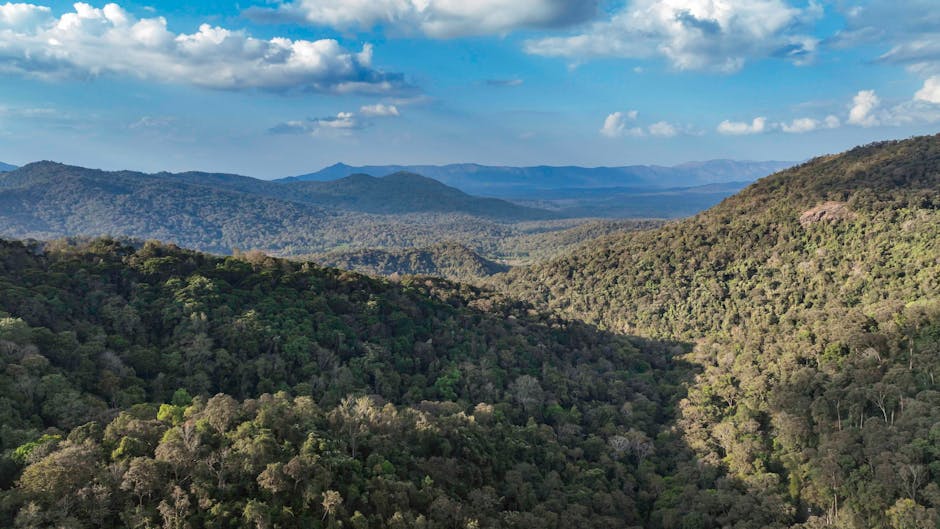
I still remember the first time I stumbled upon Tirthan Valley. After hours of winding through narrow mountain roads, I emerged into a world that felt untouched by time. The Tirthan River sparkled under the sun, flanked by dense pine forests, while the distant snow-capped peaks of the Himalayas whispered promises of adventure. Tiny villages dotted the landscape, their wooden houses blending seamlessly with nature. It was a far cry from the bustling hill stations I’d grown accustomed to. Tirthan Valley, nestled in Himachal Pradesh, remains one of India’s best-kept secrets, often overlooked for more popular destinations like Manali or Shimla. What makes it special is its raw, unspoiled charm—there are no crowded malls or overpriced cafes, just pure serenity and a chance to reconnect with nature. In this guide, you’ll discover why Tirthan Valley deserves a spot on your travel list, along with insider tips on things to do, where to stay, and how to plan the perfect trip.
Why Visit Tirthan Valley?
- Untouched Beauty — Tirthan Valley offers postcard-perfect views with lush green meadows and crystal-clear rivers, far from commercialized tourist traps.
- Adventure Hub — It’s a gateway to thrilling treks like the Great Himalayan National Park, a UNESCO World Heritage Site.
- Peaceful Retreat — Unlike bustling hill stations, the valley promises solitude with minimal tourist footfall even during peak seasons.
- Cultural Immersion — Interact with warm locals in villages like Gushaini and experience authentic Himachali life firsthand.
- River Magic — The Tirthan River is perfect for trout fishing, a rare activity not found in most Himalayan destinations.
- Wildlife Encounters — Spot rare Himalayan species like the snow leopard or Himalayan tahr in nearby protected areas.
- Sustainable Tourism — The valley promotes eco-friendly practices, ensuring its pristine environment remains preserved for future generations.
Top Things to Do & See
Great Himalayan National Park
A UNESCO World Heritage Site, this park is a biodiversity hotspot teeming with rare flora and fauna. Insider tip: Hire a local guide from Gushaini for hidden trails that lead to breathtaking waterfalls.
Tirthan River
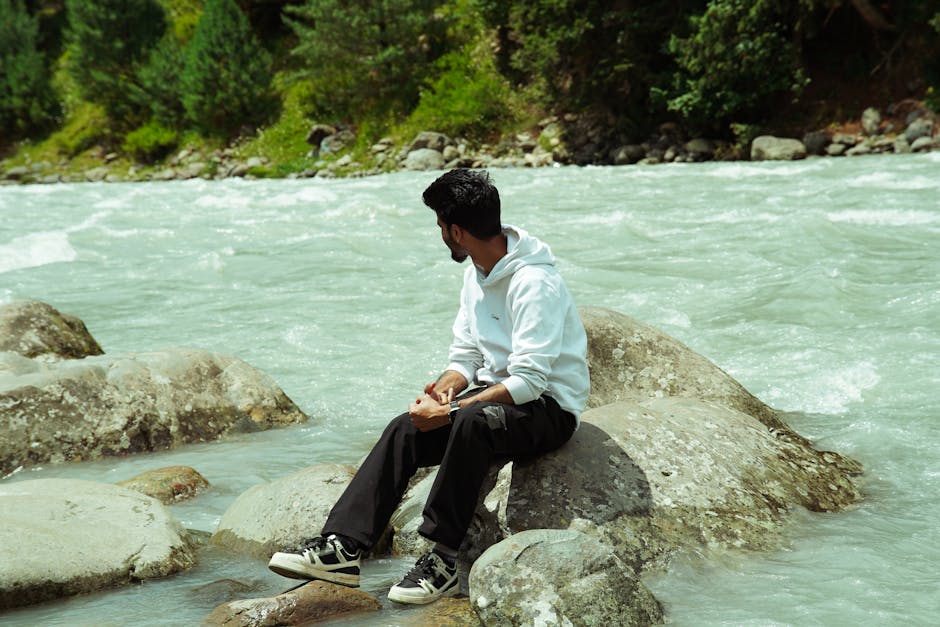
The shimmering river is perfect for a lazy picnic or an adrenaline-pumping fishing session. Insider tip: Visit early morning to catch the mist rising off the water—it’s pure magic.
Serolsar Lake Trek
This moderate trek rewards you with a serene lake surrounded by towering deodar trees. Insider tip: Carry a light jacket even in summer; the high altitude can get chilly unexpectedly.
Chhoie Waterfall
A hidden gem, this waterfall cascades through dense forests, offering a refreshing escape. Insider tip: The trail is slippery after rain—wear sturdy shoes and ask locals for the safest path.
Village Walks in Gushaini
Wander through quaint hamlets to witness traditional Himachali architecture and lifestyles. Insider tip: Chat with villagers over a cup of local tea for stories that guidebooks won’t tell.
Jibhi Exploration
A nearby offbeat spot, Jibhi offers stunning views and a peaceful vibe for day trips. Insider tip: Visit the ancient Chehni Kothi tower for a glimpse into local history.
How to Reach Tirthan Valley
Tirthan Valley is located in the Kullu district of Himachal Pradesh, and while it’s off the beaten path, reaching it is quite manageable with a bit of planning. The nearest airport is Bhuntar (Kullu-Manali Airport), about 50 kilometers away, with flights from major cities like Delhi and Chandigarh. Taxis from the airport to Tirthan Valley cost around Rs 1,500–2,000 and take roughly 2 hours. The nearest railway station is Joginder Nagar, approximately 150 kilometers away, though it’s not well-connected to major cities. A more practical rail option is Chandigarh (300 kilometers), followed by a bus or taxi ride costing Rs 3,000–4,000 and taking 8–9 hours. By road, Tirthan Valley is accessible via Aut, a small town on the Delhi-Manali highway, about 26 kilometers away. From Aut, hire a local taxi (Rs 500–700) or take a shared cab to Gushaini, the valley’s main base. Driving from Delhi (500 kilometers) takes around 12–14 hours via NH44 and NH154, with scenic views compensating for the long journey.
Best Time to Visit
Tirthan Valley is a year-round destination, but the experience varies with the seasons. The peak season runs from March to June, when the weather is pleasant with temperatures between 10°C and 25°C, ideal for trekking and sightseeing. This period sees clear skies and blooming meadows, though weekends can get slightly crowded. The shoulder seasons—September to November—offer crisp autumn air, temperatures of 5°C to 20°C, and stunning views of golden foliage with fewer tourists. Winter, from December to February, transforms the valley into a snowy wonderland with temperatures dropping to 0°C or below, perfect for those seeking a quiet, frosty escape, though some treks may be inaccessible. Monsoon, from July to August, brings heavy rainfall, making trails slippery and prone to landslides, so it’s best avoided unless you’re prepared for indoor stays and lush green vistas.
Where to Stay
Tirthan Valley offers a range of accommodations catering to different budgets, mostly around Gushaini and Banjar, the two primary bases. For budget travelers, homestays in Gushaini are a steal at Rs 800–1,500 per night, offering cozy rooms and home-cooked Himachali meals—look for options along the river for the best views. Mid-range options include guesthouses and small hotels in Banjar, priced between Rs 2,000–3,500 per night, with modern amenities like hot water and Wi-Fi; places like Riverside Retreat are popular for their location. For a boutique experience, consider eco-resorts or luxury camps near Nagini or Jibhi, costing Rs 4,000–6,000 per night, offering stunning valley views and curated experiences like guided treks—check out properties like Tirthan Nature Camps for a blend of comfort and wilderness. Book in advance during peak seasons as options fill up fast.
Trip Cost Breakdown (3-Day Trip for 2 People)
| Item | Cost |
|---|---|
| Accommodation (mid-range) | Rs 9,000 |
| Food (local meals & cafes) | Rs 3,000 |
| Transport (taxi from Aut & local travel) | Rs 2,500 |
| Activities (trekking & fishing permits) | Rs 1,500 |
| Total | Rs 16,000 |
Suggested Itineraries
- 2-Day Quick Escape
- Day 1: Arrive in Gushaini by noon, check into a homestay, and spend the afternoon by the Tirthan River (2–4 PM). Enjoy a quiet village walk in the evening (5–7 PM) and dine on local trout dishes.
- Day 2: Start early for a half-day trek to Chhoie Waterfall (7 AM–1 PM), return for lunch, and depart by 3 PM after some souvenir shopping in Banjar.
- 3-Day Deep Dive
- Day 1: Reach Gushaini by midday, settle into your stay, and explore the riverside (3–5 PM). End the day with a cozy bonfire and stargazing (7–9 PM).
- Day 2: Embark on a full-day trek to Serolsar Lake (7 AM–4 PM), returning for a hearty local meal and rest.
- Day 3: Visit the Great Himalayan National Park for a guided wildlife tour (8 AM–1 PM), relax in Jibhi in the afternoon (2–4 PM), and depart by evening.
Ideal For
- Nature enthusiasts looking for unspoiled landscapes and serene rivers.
- Adventure seekers eager to trek through Himalayan trails and national parks.
- Couples wanting a romantic, offbeat getaway far from crowded destinations.
- Families seeking a peaceful retreat with safe, easy activities for kids.
- Solo travelers craving solitude and a chance to disconnect in nature.
Safety, Permits & Local Etiquette
- Inner Line Permit: No permits are required for Indian nationals to visit Tirthan Valley or the Great Himalayan National Park. Foreign visitors may need park entry permits, easily obtained at the park office in Shamshi for a nominal fee.
- Mobile Connectivity: Network coverage is patchy, especially in remote areas. Major providers like Airtel and Jio work sporadically in Gushaini, but don’t rely on consistent internet—carry a backup offline map.
- Solo Female Traveller: The valley is generally safe with friendly locals, but stick to populated areas like Gushaini after dark. Always inform your host about trekking plans and avoid isolated trails alone.
- Do's & Don'ts: Respect local customs by dressing modestly in villages. Avoid littering, especially near the river and park areas. Seek permission before photographing locals, and refrain from loud music in quiet zones.
Hidden Tips Only Repeat Visitors Know
- Visit the tiny hamlets beyond Nagini for authentic apple cider made by locals.
- Pack light woolens even in summer—nights by the river can get surprisingly cold.
- Bargain politely with taxi drivers at Aut for a better rate to Gushaini.
- Carry cash; ATMs are scarce, and card payments aren’t widely accepted.
- Ask homestay owners for freshly caught trout—they often cook it better than restaurants.
- Trek to lesser-known spots like Rolla for solitude away from popular trails.
- Buy local honey and handmade woolens from Banjar market as unique souvenirs.
- Time your visit for local fairs in nearby villages for a cultural deep dive.
Frequently Asked Questions
Q: Is Tirthan Valley worth visiting?
Absolutely, Tirthan Valley is a hidden paradise for anyone craving peace and nature. Its untouched landscapes, serene river, and access to the Great Himalayan National Park make it unique. Unlike over-touristed spots, it offers an authentic Himalayan experience. It’s perfect if you want to escape the chaos of popular hill stations.
Q: How many days are enough for Tirthan Valley?
A 2-day trip covers the basics like the river and a short trek. However, 3–4 days are ideal to explore deeper, including the national park and nearby Jibhi. This gives you time to soak in the slow pace. Rushing through misses the valley’s calming essence.
Q: Is Tirthan Valley safe for solo female travellers?
Yes, it’s relatively safe with welcoming locals and a small tourist crowd. Stick to well-known areas like Gushaini and avoid isolated treks after dark. Inform your host of your plans and carry a charged phone. Basic precautions ensure a smooth, enjoyable trip.
Q: Which is better — Tirthan Valley or Manali?
It depends on your vibe. Tirthan Valley is quieter, less commercialized, and perfect for nature and solitude. Manali offers more amenities, nightlife, and adventure sports but is often overcrowded. Choose Tirthan for an offbeat, peaceful escape over Manali’s touristy energy.
Q: Do I need permits for Tirthan Valley?
No permits are needed for Indian nationals to enter Tirthan Valley itself. However, treks inside the Great Himalayan National Park require a small entry fee and sometimes a guide, arranged at the park office. Foreign nationals may need additional documentation for park entry. Always check with local authorities for updates.
Q: Is Tirthan Valley expensive?
Not at all— it’s quite budget-friendly compared to other Himalayan destinations. A 3-day trip for two can cost around Rs 15,000–20,000, including stay, food, and local travel. Homestays and local eateries keep expenses low. Luxury options exist but aren’t necessary for a fulfilling visit.