Tashiding
TL;DR Summary
- Tashiding: Sikkim's serene hidden gem awaits discovery.
- Perfect for offbeat travelers seeking untouched beauty.
- Offers peace, spirituality, and stunning Himalayan views.
- Budget-friendly destination with authentic local experiences.
- Ideal for nature lovers and cultural explorers.
- A quiet escape far from tourist crowds.
Tashiding
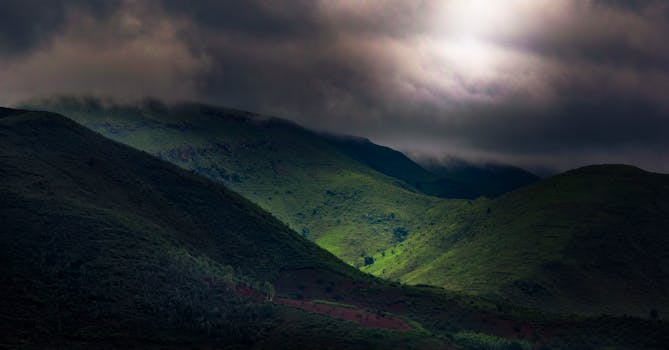
As I wound my way up the narrow, mist-laden roads of Sikkim, the first glimpse of Tashiding felt like stumbling upon a secret. Nestled in the western part of the state, this tiny village sits at an elevation of 1,465 meters, cradled by the mighty Himalayas. I remember pausing by the roadside, captivated by the sight of prayer flags fluttering against a backdrop of snow-capped peaks, and the distant chant of monks echoing from the Tashiding Monastery. It was a moment of pure stillness, rare in today’s fast-paced world. Tashiding remains underrated, often overshadowed by more popular spots like Gangtok or Pelling, but its charm lies in its unspoiled tranquility and deep spiritual roots. This is a place where history, nature, and culture intertwine seamlessly, offering a glimpse into Sikkim’s soul. What makes it truly special is its sacred status—locals believe a visit here washes away sins, thanks to the holy chortens and monasteries.
In this guide, you’ll discover why Tashiding deserves a spot on your travel list, the best things to do, how to reach, where to stay, and insider tips to make your trip unforgettable.
Why Visit Tashiding?
- Spiritual Haven — Tashiding is considered one of Sikkim’s holiest sites, with the Tashiding Monastery believed to cleanse sins through mere presence.
- Untouched Nature — Surrounded by lush forests and panoramic Himalayan views, it’s a paradise for trekkers and nature enthusiasts.
- Cultural Depth — Witness ancient Buddhist rituals and festivals like Bumchu, a unique water divination ceremony held at the monastery.
- Offbeat Charm — Far from tourist-heavy spots, Tashiding offers an authentic glimpse into Sikkimese village life.
- Sacred Legends — Locals revere the area as a “hidden paradise” blessed by Guru Rinpoche, the founder of Tibetan Buddhism.
- Peaceful Retreat — Its remote location ensures solitude, making it ideal for meditation and introspection.
- Proximity to Wonders — It serves as a base for exploring nearby gems like Ravangla and Yuksom.
Top Things to Do & See
Tashiding Monastery
Perched on a hilltop, this 17th-century monastery offers breathtaking views and a deep sense of serenity. Insider Tip: Visit during the Bumchu Festival to see the sacred water vessel being opened—locals believe its level predicts the future.
Chogyal Lhakhang
A smaller yet significant temple near the monastery, it houses ancient relics and intricate murals. Insider Tip: Chat with the resident monks—they often share lesser-known stories about the temple’s history.
Thongwa Rangdol Chorten
This sacred stupa is believed to wash away sins just by viewing it, a cornerstone of Tashiding’s spiritual allure. Insider Tip: Walk around it clockwise three times as a mark of respect, following local tradition.
Rangit River Views
The confluence of the Rangit and Rathong rivers below Tashiding creates a mesmerizing natural spectacle. Insider Tip: Head to a quiet spot near the riverbank at sunrise for uninterrupted photo opportunities.
Village Walks
Stroll through Tashiding’s quaint hamlets to experience rural Sikkimese life, complete with terraced fields and warm smiles. Insider Tip: Carry small gifts like pens for local kids—they’ll eagerly guide you around.
Day Trek to Sinon Monastery
A short trek from Tashiding leads to this hidden monastery surrounded by dense forests and misty trails. Insider Tip: Pack light snacks; there are no eateries en route, but the views are worth it.
How to Reach Tashiding
Tashiding is remote, but getting there is part of the adventure. The nearest airport is Bagdogra Airport in Siliguri, West Bengal, about 160 km away. From there, hire a shared or private taxi to Tashiding, which takes around 5–6 hours and costs approximately Rs 3,000–4,500 for a private cab. The nearest railway station is New Jalpaiguri (NJP) in Siliguri, roughly 150 km away, with similar taxi fares and travel time. If you’re coming from Gangtok, the capital of Sikkim, Tashiding is about 70 km away—a scenic 3-hour drive costing Rs 2,000–3,000 by taxi. Shared jeeps are a cheaper option at Rs 200–300 per person, available from Gangtok or nearby towns like Pelling (40 km, 2 hours). The best route is via Legship, a small town en route, where the roads are relatively well-maintained despite occasional mountain bends.
Best Time to Visit
Tashiding shines brightest during the spring (March to May) and autumn (September to November), when the weather is pleasant with temperatures ranging from 10°C to 20°C. These months offer clear skies, ideal for trekking and monastery visits, with vibrant rhododendron blooms in spring adding color to the landscape. The shoulder seasons of late winter (December to February) bring colder temperatures (5°C to 15°C) but stunning snow-capped views; pack warm layers as nights get chilly. Monsoon (June to August) is less ideal due to heavy rainfall, slippery trails, and potential landslides, though the lush greenery is unparalleled if you’re willing to brave the wet conditions. Festivals like Bumchu, typically in late winter, are a cultural highlight worth timing your visit for.
Where to Stay
Accommodation in Tashiding is limited but cozy, catering to various budgets. For budget travelers, homestays in the village offer authentic experiences at Rs 800–1,200 per night, often including home-cooked meals—look for options near the main market area. Mid-range guesthouses, like those in central Tashiding, cost Rs 1,500–2,500 per night with basic amenities and proximity to the monastery. For a touch of charm, consider boutique stays or small hotels in nearby Legship (20 km away), priced at Rs 3,000–4,500 per night, offering better facilities and scenic views. Book in advance during peak seasons, as options fill up quickly. Staying in the village itself immerses you in local life, while Legship offers more comfort if that’s your preference.
Trip Cost Breakdown (3-Day Trip for 2 People)
| Item | Cost |
|---|---|
| Accommodation (mid-range) | Rs 6,000 |
| Food (local eateries & homestays) | Rs 3,000 |
| Transport (taxi from Bagdogra & local) | Rs 5,000 |
| Activities (entry fees & short treks) | Rs 1,000 |
| Total | Rs 15,000 |
Suggested Itineraries
- 2-Day Quick Escape
- Day 1: Arrive in Tashiding by noon via taxi from Gangtok or Bagdogra. Check into a homestay, then visit Tashiding Monastery (2–3 pm) for sunset views. Evening stroll through the village (5–6 pm) and dinner at a local eatery.
- Day 2: Early morning visit to Thongwa Rangdol Chorten (7–8 am), followed by a short trek to Rangit River viewpoint (9–11 am). Return by noon and depart for your next destination.
- 3-Day Deep Dive
- Day 1: Reach Tashiding by midday. Settle into accommodation, then explore Tashiding Monastery and Chogyal Lhakhang (2–5 pm). Evening at leisure in the village with local interactions (6–8 pm).
- Day 2: Start with a sunrise visit to Thongwa Rangdol Chorten (6–7 am), followed by a day trek to Sinon Monastery (8 am–1 pm). Afternoon at Rangit River confluence (2–4 pm), then back for a quiet evening.
- Day 3: Morning village walk to soak in local life (7–9 am). Shop for small souvenirs like prayer flags (9–10 am), then depart by noon.
Ideal For
- Spiritual seekers looking for sacred sites and meditative retreats.
- Nature enthusiasts eager to explore Himalayan landscapes and treks.
- Offbeat travelers craving destinations untouched by mass tourism.
- Cultural explorers interested in Buddhist traditions and local festivals.
- Solo adventurers or small groups seeking peaceful getaways.
Safety, Permits & Local Etiquette
- Inner Line Permit: Indian nationals don’t need permits for Tashiding, but foreign visitors require an Inner Line Permit (ILP), obtainable at Sikkim entry points like Rangpo or online through authorized agents.
- Mobile Connectivity: Network coverage is patchy; BSNL works best, but don’t rely on consistent internet. Inform family in advance about potential communication gaps.
- Solo Female Traveller: Tashiding is generally safe with friendly locals, but stick to populated areas, avoid late-night walks, and dress modestly to respect cultural norms.
- Do's & Don'ts: Always ask before photographing people or monastery interiors. Remove shoes before entering temples. Respect silence in sacred spaces. Avoid littering—carry trash back if bins aren’t available.
Hidden Tips Only Repeat Visitors Know
- Carry cash in small denominations; ATMs are non-existent in Tashiding, and digital payments aren’t widely accepted.
- Pack sturdy walking shoes—paths to monasteries and viewpoints can be uneven and slippery after rain.
- Visit the local market early morning for fresh produce and handmade souvenirs like prayer wheels.
- Hire a local guide for treks to hidden spots like Sinon; they know shortcuts and share folklore.
- Taste phagshapa (a pork dish) at small village eateries—it’s a Sikkimese specialty rarely found elsewhere.
- If visiting during festivals, arrive a day early to secure a good spot for rituals at the monastery.
- Bring a reusable water bottle—natural springs near Tashiding offer clean, drinkable water.
- Layer your clothing even in warmer months; mountain weather shifts unpredictably by evening.
Frequently Asked Questions
Q: Is Tashiding worth visiting?
Tashiding is absolutely worth visiting if you seek peace and spirituality. Its sacred monasteries, stunning Himalayan views, and offbeat charm make it a unique escape. Unlike crowded tourist spots, it offers an authentic cultural experience. Plan a visit if you’re drawn to quiet, meaningful destinations.
Q: How many days are enough for Tashiding?
A 2-day trip covers the main attractions like Tashiding Monastery and nearby viewpoints. However, 3 days allow for a deeper experience, including treks and village immersion. If you’re short on time, even a well-planned weekend getaway works. Tailor your stay based on your pace and interests.
Q: Is Tashiding safe for solo female travellers?
Yes, Tashiding is generally safe for solo female travelers, with warm and welcoming locals. Stick to populated areas, avoid isolated trails at night, and dress conservatively to blend in. Trust your instincts and connect with homestay hosts for local advice. It’s a peaceful place with minimal crime concerns.
Q: Which is better — Tashiding or Gangtok?
Tashiding offers serenity and spiritual depth, ideal for offbeat travelers seeking solitude. Gangtok, being the capital, has more amenities, nightlife, and touristy spots. Choose Tashiding for nature and culture, Gangtok for urban energy. Both have their unique appeal depending on your vibe.
Q: Do I need permits for Tashiding?
Indian nationals don’t require permits to visit Tashiding. Foreign tourists need an Inner Line Permit (ILP) for Sikkim, easily obtained at entry points or through travel agents. Ensure your paperwork is ready before traveling. It’s a straightforward process with minimal hassle.
Q: Is Tashiding expensive?
No, Tashiding is quite budget-friendly compared to other Himalayan destinations. Accommodation, food, and local transport are reasonably priced, with a 3-day trip for two costing around Rs 15,000. Costs rise if you opt for private taxis or boutique stays. It’s a great value-for-money destination for most travelers.