Suru Valley: Uncover Ladakh’s Hidden Gem – Complete Travel Guide
The right stay. At the right price. Every time.
Find your perfect Kashmir stay on Unpaqd — with our AI search feature
Curated 4.5+ rated homestays, price-match guarantee, and zero commissions-so you never overpay or settle. Just describe your ideal stay, and we'll do the rest.
Explore stays on UnpaqdSummary
- Suru Valley: Ladakh's untouched paradise waiting to be explored.
- A hidden gem far from tourist crowds.
- Serene landscapes with dramatic mountains and lush meadows.
- Perfect for peaceful retreats and adventure seekers.
- Authentic cultural experiences with warm local hospitality.
- Exceptional value for money compared to mainstream destinations.
Suru Valley
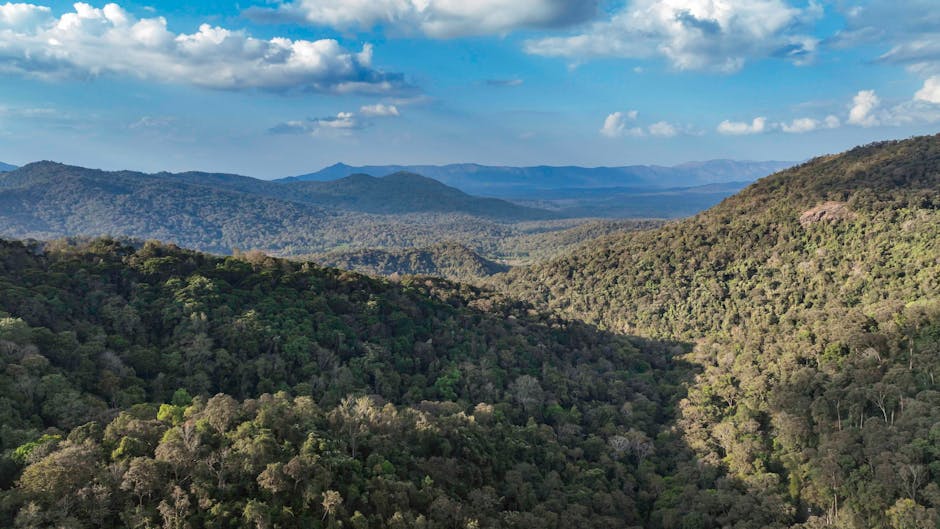
I still remember that late afternoon when I first rolled into Suru Valley, the golden light spilling over the rugged peaks as my bike hummed along the winding road. The air was crisp, carrying a faint whiff of wildflowers, and a shepherd boy waved at me from a distance, his flock dotting the emerald slopes. I stopped near a small tea stall in Sankoo, where an old man poured me a steaming glass of butter tea, grinning as he pointed to the towering Nun-Kun peaks in the backdrop. It felt like stepping into a painting—one that few travelers ever get to see. Suru Valley, tucked away in the Kargil district of Ladakh, remains criminally underrated. Unlike the bustling streets of Leh or the over-hyped Pangong Lake, this place offers raw, unfiltered beauty—think glacial streams, quaint villages like Panikhar, and a stillness that soothes the soul. What makes it truly special is the blend of stark mountain drama with patches of unexpected greenery, a rarity in Ladakh’s barren expanse. Stick with me, and I’ll show you how to uncover the magic of this hidden corner.
Why Visit Suru Valley?
- Untouched Beauty — Unlike crowded Ladakh hotspots, Suru Valley offers pristine landscapes with barely any tourist footprints.
- Cultural Richness — Interact with the warm Balti and Dard communities in villages like Taisuru, preserving ancient traditions.
- Adventure Hub — Trek to the base of Nun-Kun peaks, some of the highest in the region, for a thrilling challenge.
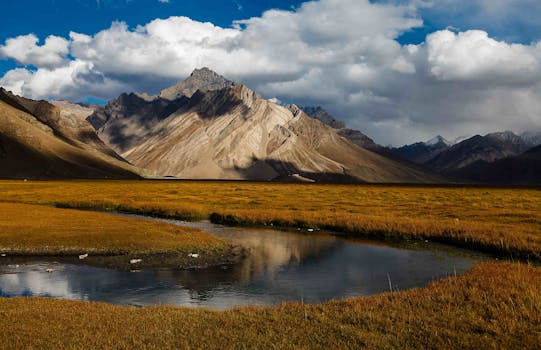
- Photographer’s Dream — Capture surreal frames of snow-capped mountains reflecting in the calm Suru River at dawn.
- Affordable Escape — Experience Ladakh’s charm without the hefty price tag of more commercialized areas.
- Tranquil Vibes — Find solitude amidst vast meadows and quiet hamlets, far from noisy tourist traps.
- Unique Geography — Witness the rare contrast of lush green valleys against arid Himalayan backdrops in one frame.
Top Things to Do & See
Sankoo Village
A charming little settlement often called “Little Kashmir” for its poplar-lined paths and serene vibe. Insider tip: Visit the small local bakery near the main market for freshly baked Balti bread—best enjoyed with a cup of noon chai.
Suru River
This crystal-clear river snakes through the valley, offering perfect spots for quiet picnics or reflective moments. Insider tip: Head to the bend near Panikhar village at sunrise for mirror-like reflections of the mountains.
Panikhar Village
A picturesque hamlet with traditional mud houses and sweeping views of the Nun-Kun massif. Insider tip: Ask locals about the hidden trail to a nearby meadow for uninterrupted panoramic vistas.
Nun-Kun Peaks
These twin giants, towering over 7,000 meters, dominate the skyline and beckon trekkers and mountaineers. Insider tip: Base yourself at Taisuru for a closer approach, and chat with local guides for lesser-known routes.
Parkachik Glacier
A mesmerizing glacier accessible via a short trek, offering a raw glimpse of nature’s icy wonders. Insider tip: Carry a thermos of hot tea from a stall in Parkachik village—there’s nothing like sipping it amidst the chill.
Local Monasteries
Small, lesser-known gompas like the one near Sankoo offer a peek into Buddhist culture without the tourist rush. Insider tip: Speak to the resident monk for stories about the valley’s history—they’re often eager to share.
How to Reach Suru Valley
Getting to Suru Valley requires a bit of planning, but the journey itself is half the adventure. The nearest major hub is Kargil, about 40 km away, which serves as the gateway. If you’re flying in, land at Kushok Bakula Rimpochee Airport in Leh, roughly 220 km from Suru Valley. From Leh, hire a private taxi (around Rs 6,000–7,000 one way) or hop on a shared jeep (Rs 800–1,000 per person) to Kargil via the Leh-Srinagar Highway (NH-1). The drive takes about 5–6 hours, passing dramatic landscapes and the iconic Fotu La Pass at 4,100 meters—keep your camera handy. From Kargil, Suru Valley is an easy 2-hour drive along the Suru River Road, a scenic stretch with small villages dotting the way. Private taxis from Kargil to Sankoo, the valley’s main village, cost around Rs 2,000, while shared cabs are available for Rs 300–400 per seat near the Kargil main bazaar. Buses are rarer but do ply occasionally—check at the Kargil bus stand for timings, fares hover around Rs 150. If you’re on a bike, the roads are mostly paved but narrow beyond Sankoo, so ride cautiously, especially near Panikhar. A handy tip: stock up on snacks and water in Kargil at shops like Hassan General Store near the bus stand, as options dwindle deeper into the valley.
Best Time to Visit
Suru Valley shines brightest between June and September, when the weather is pleasant, with daytime temperatures ranging from 15°C to 25°C. This peak season sees clear skies, making it ideal for trekking and soaking in the views of Nun-Kun peaks. Nights can dip to 5°C, so pack a light jacket. The shoulder months of May and October are quieter, with a slight chill (10°C–20°C during the day), but the landscapes take on a golden hue as meadows transition. Monsoon, from July to August, brings occasional showers, which can make roads slippery—exercise caution if driving. Winter, from November to April, is harsh, with heavy snowfall blocking access and temperatures plunging below -10°C. Unless you’re an extreme adventurer, stick to the warmer months for a comfortable trip.
Where to Stay
Accommodation in Suru Valley is limited but charming, catering to different budgets. For budget travelers, guesthouses in Sankoo like J&K Tourism Guest House offer basic rooms with shared bathrooms for Rs 800–1,200 per night. They’re simple but clean, often run by friendly families. For mid-range comfort, try Hotel Siachen in Sankoo, where double rooms go for Rs 2,000–2,500 per night, including hot water and decent meals if pre-ordered. If you’re after something more boutique, head to Taisuru village, where small homestays like Taisuru Retreat provide cozy stays for Rs 3,000–3,500 per night, often with home-cooked Balti meals and stunning mountain views from your window. Book ahead, especially in peak months, as options fill up fast. Camping is also popular near Panikhar—bring your own gear or rent tents from locals for around Rs 500 per night.
Trip Cost Breakdown (3-Day Trip for 2 People)
| Item | Cost |
|---|---|
| Accommodation (mid-range, 3 nights) | Rs 7,500 |
| Food (local meals and snacks) | Rs 3,000 |
| Transport (shared taxi from Kargil + local travel) | Rs 2,000 |
| Activities (trekking guide, entry fees) | Rs 1,500 |
| Total | Rs 14,000 |
Suggested Itineraries
- 2-Day Quick Escape
- Day 1: Arrive in Sankoo by noon via Kargil. Check into a guesthouse, then spend the afternoon exploring the village and its poplar groves. Catch sunset by the Suru River (5:30 PM). Dinner at a local eatery—try thukpa.
- Day 2: Start early (7:00 AM) with a short drive to Panikhar. Hike to a nearby meadow for Nun-Kun views by 10:00 AM. Return to Sankoo by 2:00 PM, grab lunch, and head back to Kargil by evening.
- 3-Day Deep Dive
- Day 1: Reach Sankoo by midday. Settle into your stay, then wander through the village market by 3:00 PM. Visit the local monastery before sunset (6:00 PM). Evening by the riverbank.
- Day 2: Depart at 8:00 AM for Parkachik Glacier. Spend 3–4 hours trekking and exploring (carry packed lunch). Return to Sankoo by 4:00 PM, relax with tea at a local stall.
- Day 3: Drive to Panikhar at 7:30 AM for mountain views and village walks. Back to Sankoo by 1:00 PM, have a leisurely lunch, then depart for Kargil by 3:00 PM.
Ideal For
- Nature lovers seeking untouched Himalayan landscapes.
- Trekkers and adventure enthusiasts eyeing challenging peaks.
- Photographers chasing dramatic mountain and river shots.
- Solo travelers craving quiet and introspective getaways.
- Budget travelers looking for authentic experiences without splurging.
Safety, Permits & Local Etiquette
- Inner Line Permit: Required for certain areas near Suru Valley, especially if trekking close to border zones. Obtain it online or from the DC Office in Kargil for Rs 400–500 per person.
- Mobile Connectivity: Network is spotty. BSNL works intermittently in Sankoo; other providers are unreliable. Carry a satellite phone for emergencies if trekking deep.
- Solo Female Traveller: Generally safe with friendly locals, but stick to populated areas like Sankoo. Avoid isolated treks alone and dress conservatively to blend in.
- Do's & Don'ts: Respect local customs—ask before photographing people. Don’t litter; carry trash back. Bargain politely at markets. Keep noise low near monasteries.
Hidden Tips Only Repeat Visitors Know
- Stop at the tiny roadside stall near Sankoo Bridge for the best kebabs—Rs 50 a plate, made fresh.
- Carry cash; ATMs are non-existent beyond Kargil, and card payments aren’t accepted.
- Buy local woolen socks from Sankoo market for Rs 100–150—they’re perfect for chilly nights.
- Chat with shepherds near Panikhar for secret spots to view wildlife like ibex.
- Pack high SPF sunscreen; the altitude amplifies UV exposure even on cloudy days.
- Visit during local harvest festivals in late summer for authentic Balti music and dance.
- Hire bikes in Kargil (Rs 800/day) for flexibility—roads to Parkachik are manageable.
- Taste ‘yarkandi pulao’ at small dhabas in Sankoo—spicy, unique, and under Rs 100.
Frequently Asked Questions
Q: Is Suru Valley worth visiting?
Absolutely, if you’re after an offbeat Himalayan escape. Suru Valley delivers raw beauty with its towering peaks and serene river, far from the tourist chaos of Leh. It’s ideal for those who value solitude and authentic cultural encounters. Plus, it’s lighter on the wallet compared to mainstream spots.
Q: How many days are enough for Suru Valley?
A 2-day trip covers the basics like Sankoo and Panikhar, but 3–4 days let you dive deeper. You can trek to Parkachik Glacier, soak in village life, and explore hidden trails. If you’re a slow traveler or trekker, consider stretching it to 5 days for a fuller experience.
Q: Is Suru Valley safe for solo female travellers?
Yes, it’s generally safe, especially in villages like Sankoo where locals are welcoming. Stick to well-trodden paths, avoid isolated areas after dark, and dress modestly to respect customs. Always inform someone of your plans if trekking. I’ve met solo women travelers here who felt comfortable with basic precautions.
Q: Which is better — Suru Valley or Leh?
It depends on your vibe. Leh is more developed with iconic spots like Pangong Lake, but it’s crowded and pricier. Suru Valley offers solitude, raw landscapes, and a tighter budget. Choose Suru if you crave quiet; pick Leh for infrastructure and variety.
Q: Do I need permits for Suru Valley?
Yes, an Inner Line Permit is needed for certain restricted areas, especially near border zones or for trekking. You can get it in Kargil or online for a small fee. Carry multiple copies of your ID and permit. Most central villages like Sankoo don’t require checks, but better safe than sorry.
Q: Is Suru Valley expensive?
Not at all compared to other Ladakh destinations. A 3-day trip for two can cost under Rs 15,000, covering stay, food, and local travel. Meals are cheap at local dhabas, and guesthouses are affordable. The main expense is getting to Kargil, but shared taxis keep it reasonable.