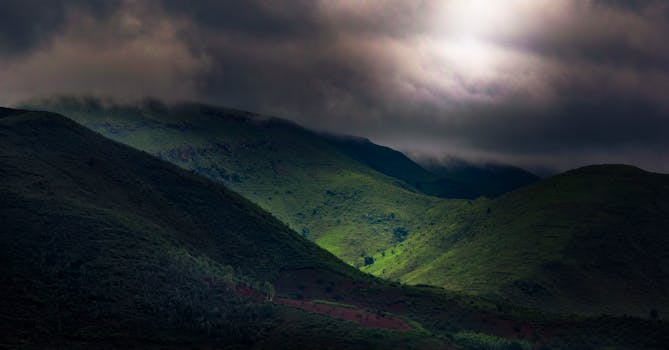
Shoja
TL;DR Summary
- Shoja: Himachal's untouched hidden gem in Banjar Valley.
- Perfect for peaceful, offbeat mountain escapes.
- Stunning Himalayan views without tourist crowds.
- Affordable stays and local experiences.
- Ideal for nature lovers and slow travel.
- A budget-friendly, soulful retreat.
Shoja
As I wound my way up the narrow, pine-flanked roads of Himachal’s Banjar Valley, the first glimpse of Shoja felt like stumbling upon a secret. Tucked at 2,700 meters, this tiny hamlet revealed itself with golden meadows, distant snow-capped peaks, and an eerie silence broken only by the rustle of deodar trees. I remember sipping hot chai at a local dhaba, watching villagers go about their day, completely unfazed by the jaw-dropping beauty around them. Shoja isn’t on most travel maps, and that’s its charm—it’s a world away from the over-touristed spots like Manali or Shimla. It’s special for its raw, unspoiled landscapes and the chance to live amidst nature without distractions. In this guide, you’ll discover why Shoja deserves a spot on your offbeat travel list, how to reach it, the best things to do, and insider tips to make your trip unforgettable.
Why Visit Shoja?
- Untouched Beauty — Shoja offers panoramic views of the Himalayas, with rolling meadows and dense forests that remain largely unexplored.
- Serenity Over Crowds — Unlike popular hill stations, this hamlet guarantees solitude, perfect for quiet introspection or romantic getaways.
- Cultural Immersion — Interact with warm locals in nearby villages like Banjar, experiencing authentic Himachali life firsthand.
- Trekking Paradise — It’s a gateway to treks like Serolsar Lake and Jalori Pass, with trails for all skill levels.
- Affordable Escape — Stays and food here are wallet-friendly, making it ideal for budget travelers seeking value.
- Stargazing Heaven — With minimal light pollution, Shoja’s night skies are a canvas of stars, a rare treat.
- Eco-Friendly Vibes — The area remains pristine, encouraging sustainable travel and a deeper connection with nature.
Top Things to Do & See
Serolsar Lake
A serene alpine lake surrounded by dense forests, offering a tranquil escape just a short trek from Shoja. Insider tip: Carry a small picnic; locals often avoid the far side of the lake, leaving it blissfully empty.
Jalori Pass
At 3,120 meters, this pass offers breathtaking views of the Kullu Valley and snow-clad peaks on clear days. Insider tip: Visit at sunrise for a magical golden glow—locals say it’s the best time.
Waterfall Point
A hidden cascade near Shoja, perfect for a quiet afternoon amidst the sound of gushing water. Insider tip: Ask locals for the unmarked trail; it’s not on tourist maps.
Raghupur Fort
Ruins of an ancient fort perched on a hill, offering a glimpse into history with sweeping valley views. Insider tip: Climb up during late afternoon for cooler weather and stunning sunset vistas.
Tirthan Valley Day Trip
A scenic drive or trek to this nearby valley, known for trout fishing and lush greenery. Insider tip: Stop by local fishermen for fresh catch recipes—they’re happy to share.
Village Walks
Stroll through Shoja and nearby hamlets to witness traditional wooden homes and apple orchards. Insider tip: Chat with elders at local tea stalls for folklore you won’t find online.
How to Reach Shoja
Shoja is nestled in the Banjar Valley of Himachal Pradesh, making it a bit remote but accessible with some planning. The nearest airport is Bhuntar Airport (Kullu-Manali), about 60 kilometers away, with flights from Delhi and Chandigarh. From Bhuntar, hire a taxi for around Rs 2,000–2,500, which takes roughly 2.5 hours via the winding roads through Aut and Banjar. The nearest railway station is Joginder Nagar, approximately 150 kilometers away, though it’s not well-connected; a better option is Chandigarh (300 kilometers), followed by a bus or taxi ride costing Rs 5,000–6,000 and taking 8–9 hours. By road, Shoja is 550 kilometers from Delhi; self-drive or take an overnight HRTC bus to Aut (Rs 600–800 per person), then a local taxi for Rs 1,000–1,500 to Shoja, totaling 12–14 hours. The best route is Delhi-Chandigarh-Bilaspur-Mandi-Aut-Banjar-Shoja, with decent roads except for the last 10 kilometers, which are narrow but manageable.
Best Time to Visit
Shoja is a year-round destination, but the ideal time depends on your vibe. Spring (March to May) and autumn (September to November) are peak seasons, with pleasant temperatures between 10°C and 25°C, clear skies, and blooming meadows—perfect for trekking and sightseeing. Summer (June) is warm at 15°C to 28°C, still comfortable for outdoor activities. Winter (December to February) transforms Shoja into a snowy wonderland, with temperatures dropping to 0°C or below, ideal for snow lovers, though roads can be tricky. Monsoon (July to August) brings heavy rainfall, making trails slippery and increasing landslide risks; temperatures hover at 15°C to 20°C, but it’s the least recommended time unless you love lush greenery and don’t mind getting wet. Pack layers regardless of the season, as nights are always chilly.
Where to Stay
Shoja offers a range of accommodations, mostly small guesthouses and homestays, keeping the vibe intimate and authentic. For budget travelers, options like Banjara Retreat near the main village offer basic rooms with valley views for Rs 1,000–1,500 per night; expect shared balconies and home-cooked meals. For mid-range comfort, try The Himalayan Village in a quieter part of Shoja, with cozy cottages priced at Rs 2,500–3,500 per night, often including breakfast and stunning sunrise views. If you’re after a boutique experience, Serolsar View Homestay, slightly outside the main hamlet, provides beautifully designed rooms with modern amenities for Rs 4,000–5,000 per night, plus guided treks on request. Book in advance during peak seasons, as options are limited and fill up fast. Most stays are within a 1–2 kilometer radius of central Shoja, easily walkable.
Trip Cost Breakdown (3-Day Trip for 2 People)
| Item | Cost |
|---|---|
| Accommodation (Mid-range, 3 nights) | Rs 9,000 |
| Food (Meals at local dhabas & cafes) | Rs 3,000 |
| Transport (Taxi from Bhuntar & local travel) | Rs 4,000 |
| Activities (Trekking, entry fees if any) | Rs 1,000 |
| Total | Rs 17,000 |
Suggested Itineraries
- 2-Day Quick Escape
- Day 1: Arrive by noon, check into your stay, and spend the afternoon on a village walk (1–2 hours, 2:00 PM–4:00 PM). Evening at Waterfall Point for sunset (5:00 PM–6:30 PM), followed by dinner at a local dhaba (7:00 PM).
- Day 2: Early morning trek to Jalori Pass (6:00 AM–10:00 AM) for sunrise views. Return, check out by noon, and depart after a quick lunch (1:00 PM).
- 3-Day Deep Dive
- Day 1: Reach Shoja by midday, settle in, and explore nearby apple orchards on a village walk (2:00 PM–4:00 PM). Relax at Waterfall Point in the evening (5:00 PM–6:30 PM), then dinner (7:00 PM).
- Day 2: Start with a trek to Serolsar Lake (7:00 AM–12:00 PM), have lunch at your stay (1:00 PM), and visit Raghupur Fort for sunset views (3:00 PM–6:00 PM). Evening stargazing (8:00 PM).
- Day 3: Morning drive or trek to Tirthan Valley (8:00 AM–12:00 PM), return for lunch (1:00 PM), check out, and depart by 3:00 PM.
Ideal For
- Nature enthusiasts seeking untouched landscapes and serene hikes.
- Couples looking for a romantic, offbeat getaway sans crowds.
- Solo travelers craving solitude and introspection in the mountains.
- Budget backpackers wanting authentic experiences without breaking the bank.
- Photographers chasing dramatic Himalayan vistas and starry skies.
Safety, Permits & Local Etiquette
- Inner Line Permit: No permits are required for Shoja or nearby areas like Tirthan Valley for Indian nationals or foreigners, as it’s not a restricted zone.
- Mobile Connectivity: Network coverage is spotty; BSNL works best, while private operators like Airtel or Jio often lose signal. Carry cash, as digital payments may not work.
- Solo Female Traveller: Shoja is generally safe, with friendly locals, but stick to well-trodden paths and avoid isolated treks after dark. Inform your stay about your plans.
- Do's & Don'ts: Respect local customs by dressing modestly in villages. Don’t litter—carry trash back. Ask permission before photographing people. Bargain politely at local shops, and tip for exceptional service.
Hidden Tips Only Repeat Visitors Know
- Visit during shoulder seasons (late spring or early autumn) for fewer tourists and discounted stays.
- Carry a reusable water bottle; many natural springs offer clean, drinkable water.
- Pack sturdy trekking shoes—trails can be uneven, especially after rain.
- Buy local honey and apple jam from Banjar market; they’re cheaper and authentic.
- Chat with dhaba owners for unlisted trekking routes—they know hidden spots.
- Layer up even in summer; temperatures drop sharply after sunset.
- Avoid weekends if possible; nearby towns send day-trippers, breaking the calm.
- Bring a small flashlight; power cuts are common, and nights are pitch dark.
Frequently Asked Questions
Q: Is Shoja worth visiting?
Absolutely, Shoja is a hidden paradise for anyone seeking peace and raw natural beauty. It’s far less commercialized than popular hill stations, offering authentic experiences. The treks, views, and quiet village life make it a unique escape. If you love offbeat destinations, it’s a must-visit.
Q: How many days are enough for Shoja?
A 2-day trip covers the basics like Jalori Pass and village walks. However, 3–4 days allow deeper exploration, including treks to Serolsar Lake and day trips to Tirthan Valley. It depends on how much you want to soak in the tranquility. Slow travelers might even stay longer.
Q: Is Shoja safe for solo female travellers?
Shoja is relatively safe, with welcoming locals and a small-town vibe. Stick to known trails and avoid venturing alone at night in remote areas. Inform your accommodation about your plans, and you’ll feel secure. Basic precautions go a long way here.
Q: Which is better — Shoja or Manali?
Shoja is ideal for solitude and unspoiled nature, while Manali offers more activities, nightlife, and infrastructure. If you want peace over crowds, choose Shoja. Manali suits those seeking adventure sports and touristy vibes. It’s a matter of preference.
Q: Do I need permits for Shoja?
No, Shoja doesn’t require any special permits for Indian or foreign travelers. It’s an open area in Himachal Pradesh, unlike some border regions. Just carry valid ID for general travel purposes. You’re good to explore without paperwork hassles.
Q: Is Shoja expensive?
Shoja is quite budget-friendly compared to mainstream hill stations. Accommodation, food, and local transport are reasonably priced, with mid-range stays costing Rs 2,500–3,500 per night. A 3-day trip for two can cost under Rs 20,000. It’s a steal for the experience offered.