Shey Palace: Explore Ladakh’s Hidden Royal Gem – Complete Travel Guide
The right stay. At the right price. Every time.
Find your perfect Kashmir stay on Unpaqd — with our AI search feature
Curated 4.5+ rated homestays, price-match guarantee, and zero commissions-so you never overpay or settle. Just describe your ideal stay, and we'll do the rest.
Explore stays on UnpaqdSummary
- Shey Palace: A serene hidden gem in Ladakh’s rugged landscape.
- Perfect for offbeat travelers seeking history and tranquility.
- Offers breathtaking views of the Indus Valley.
- Budget-friendly with minimal tourist crowds.
- A peek into ancient Ladakhi royalty and culture.
- Ideal for a peaceful, immersive cultural escape.
Shey Palace
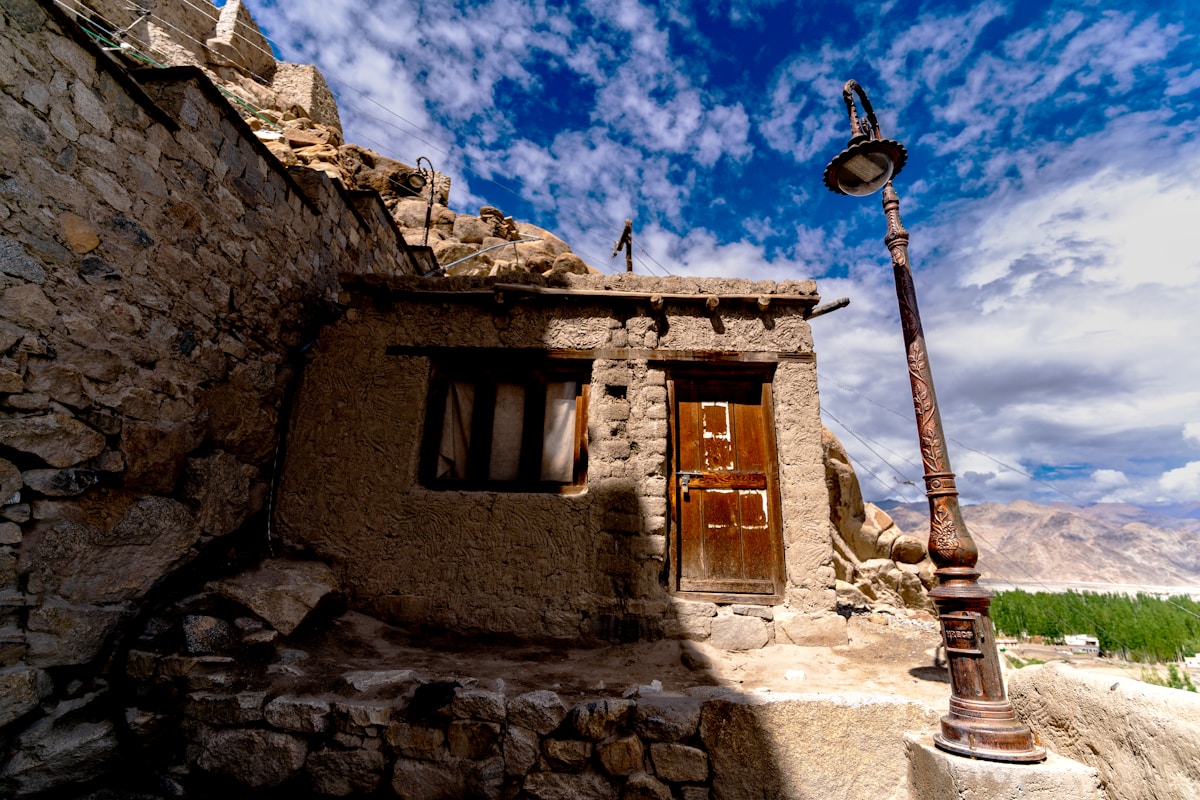
I still remember that crisp morning when I first laid eyes on Shey Palace. The sun was just peeking over the jagged peaks, casting a golden glow on the weathered stone walls, and a gentle breeze carried the faint sound of prayer flags fluttering. I had arrived after a bumpy ride from Leh, and as I stood there, sipping a cup of butter tea bought for Rs 20 from a tiny stall run by a smiling local named Tenzin, I felt like I’d stumbled upon a forgotten chapter of history. The air was thin at 11,000 feet, but the weight of centuries seemed to hang around this 17th-century marvel.
What makes Shey Palace so underrated? Most travelers rush to the more famous Leh Palace or monasteries like Hemis, overlooking this quiet treasure just 15 km away. Yet, it’s the simplicity and solitude here that captivate—the intricate murals, the towering Buddha statue, and the untouched charm of a bygone era. It’s not just a site; it’s a story waiting to be felt. Stick with me, and I’ll walk you through everything you need to uncover this hidden gem for yourself.
Why Visit Shey Palace?
- Historical Depth — Built in 1655 by King Deldan Namgyal, it was once the summer capital of Ladakh’s royalty.
- Spiritual Serenity — Home to a 39-foot-tall copper statue of Shakyamuni Buddha, gilded with gold, radiating peace.
- Panoramic Vistas — Perched on a hillock, it offers sweeping views of the Indus River and surrounding barren mountains.
- Cultural Insight — The palace museum showcases rare artifacts, thangkas, and relics of Ladakhi heritage.
- Quiet Escape — Far less crowded than Leh or Pangong, it’s a haven for slow travel lovers.
- Photographer’s Dream — The interplay of light on ancient stone walls creates stunning frames at sunrise.
- Local Connection — Nearby villages like Chuchot offer authentic interactions with Ladakhi families over homemade meals.
Top Things to Do & See
Shey Palace Complex
Wander through the crumbling yet majestic halls of this ancient royal residence, where every stone whispers tales of Ladakhi kings. Insider tip: Climb to the uppermost terrace for a 360-degree view of the Indus Valley—locals say it’s best at dusk.
Shakyamuni Buddha Statue
Marvel at the colossal three-story-high Buddha statue inside the palace’s main temple, a masterpiece of craftsmanship. Insider tip: Sit quietly near the base during morning prayers to hear monks chanting—ask permission first.
Shey Monastery
Explore the small but vibrant monastery adjacent to the palace, adorned with colorful frescoes. Insider tip: Look for the hidden wall paintings behind the main altar; they’re often missed by hurried visitors.
Indus River Walks
Take a short hike down to the banks of the Indus River for a moment of solitude amid stark landscapes. Insider tip: Locals often fish here in the early hours—join them for a chat if you’re polite.
Chuchot Village
Visit this nearby traditional Ladakhi village to witness daily life, from barley farming to weaving. Insider tip: Stop by Dorje’s homestay for a cup of gur-gur cha (butter tea) for just Rs 15.
Photography at Sunrise
Capture the palace against the backdrop of glowing mountains as the first light hits. Insider tip: Set up near the eastern wall for a perfect silhouette shot—arrive by 6 AM.
How to Reach Shey Palace
Getting to Shey Palace is straightforward if you’re already in Ladakh, though it requires a bit of planning if you’re coming from farther afield. The nearest major hub is Leh, about 15 km away. If you’re flying in, Kushok Bakula Rimpochee Airport in Leh is your entry point, with daily flights from Delhi, Mumbai, and Srinagar. From the airport, hire a taxi directly to Shey for around Rs 500–600 one way; it’s a 30-minute drive along the Leh-Manali Highway (NH-3).
If you’re traveling by road, most people approach via Leh. The drive from Leh to Shey is scenic, passing through dusty plains and small villages like Choglamsar. Follow NH-3 southeast, and you’ll spot signboards for Shey after about 12 km. Look for the turnoff near the Indus River bridge—it’s a narrow but paved road leading up to the palace hillock. Shared taxis from Leh’s main polo ground stand cost around Rs 100 per person, but they only leave when full, so expect a wait of 15–30 minutes. Private bikes can be rented in Leh for Rs 800–1,000 per day if you prefer flexibility; fuel up at the Indian Oil pump near Choglamsar as there are no stations closer to Shey.
For those coming from Manali or Srinagar, you’ll likely pass through Leh anyway, as both routes (NH-3 from Manali, NH-1 from Srinagar) converge there. The palace is a short detour, so plan a stop en route. Parking is limited near the base of the hill, so arrive early if driving. From the parking area, it’s a gentle 10-minute uphill walk to the entrance. Carry water—there’s no shop on the climb.
Best Time to Visit
Shey Palace shines brightest between May and September, the peak summer months in Ladakh. Temperatures hover between 10°C and 25°C, making it comfortable for exploring the palace and surrounding areas on foot. The skies are usually clear, perfect for photography and soaking in those vast mountain views. Shoulder seasons, like late April or early October, are quieter with slightly cooler weather (5°C to 20°C), though you might catch occasional rain or light snow.
Winter, from November to March, is harsh, with temperatures dropping to -10°C or lower. The palace remains accessible, but roads can get tricky, and the cold bites hard. Monsoon isn’t a major issue in this high-altitude desert region, but July and August can see rare showers, sometimes causing minor landslides on NH-3. If you’re after solitude and don’t mind bundling up, early autumn is my personal favorite for the golden light and empty trails.
Where to Stay
Since Shey itself doesn’t have many accommodation options, most travelers base themselves in nearby Leh or opt for homestays in villages like Chuchot. Here are my picks across budgets, all within a 15–20 km radius of the palace.
- Budget: Ladakh View Homestay (Chuchot) — A cozy family-run stay with basic rooms, warm hospitality, and homemade meals. Expect to pay Rs 1,200–1,500 per night for two, including breakfast.
- Mid-Range: Hotel Royal Palace (Leh) — Located on Fort Road in Leh, it offers clean rooms with modern amenities and views of Stok Kangri. Rates start at Rs 3,000–3,500 per night for a double room.
- Boutique: The Grand Dragon Ladakh (Leh) — A luxurious pick on Old Road, Leh, with elegant decor, heated rooms, and an in-house restaurant serving Ladakhi delicacies. Prices begin at Rs 7,000–8,000 per night for two.
Booking in advance is wise, especially during peak summer months when Leh sees a rush. Homestays in Chuchot are more spontaneous—just ask around near the village square, and locals will point you to a welcoming home.
Trip Cost Breakdown (3-Day Trip for 2 People)
| Item | Cost |
|---|---|
| Accommodation (Mid-Range in Leh) | Rs 9,000 |
| Food (Local Eateries & Homestays) | Rs 3,000 |
| Transport (Taxi from Leh & Bike Rental) | Rs 2,500 |
| Activities (Entry Fees & Village Visits) | Rs 500 |
| Total | Rs 15,000 |
Suggested Itineraries
- 2-Day Quick Escape
- Day 1: Arrive in Leh by morning, check into accommodation, and rest to acclimatize. Head to Shey Palace by 3 PM via taxi (30 min), explore the complex and monastery till 6 PM. Return to Leh for dinner at Tibetan Kitchen (try momos for Rs 150).
- Day 2: Start early at 6 AM for sunrise views at Shey, then walk down to the Indus River by 9 AM. Visit Chuchot Village for a quick cultural stop till noon. Head back to Leh by 2 PM for shopping or departure.
- 3-Day Deep Dive
- Day 1: Reach Leh, acclimatize, and explore local markets like Moti Bazaar till evening. Overnight in Leh.
- Day 2: Depart for Shey Palace at 7 AM, spend the day exploring the palace, monastery, and Buddha statue till 1 PM. Post-lunch, hike to the Indus banks and visit Chuchot Village till 5 PM. Return to Leh by evening.
- Day 3: Revisit Shey for a relaxed sunrise shoot at 6 AM, then explore nearby spots like Thiksey Monastery (10 km away) by 10 AM. Back to Leh by afternoon for departure or further sightseeing.
Ideal For
- History buffs eager to dive into Ladakh’s royal past.
- Spiritual seekers looking for quiet Buddhist heritage sites.
- Photographers chasing dramatic landscapes and cultural frames.
- Solo travelers or couples wanting an offbeat, peaceful retreat.
- Budget explorers seeking high value with low costs.
Safety, Permits & Local Etiquette
- Inner Line Permit: Not required for Indian nationals visiting Shey Palace as it falls within accessible areas near Leh. Foreign nationals may need a Protected Area Permit (PAP), obtainable in Leh for Rs 400–500 through travel agents.
- Mobile Connectivity: Networks are spotty at Shey itself—BSNL and Airtel work intermittently near the parking area, but don’t expect data. Leh has better coverage for calls and 4G.
- Solo Female Traveller: Generally safe during daylight, especially around Shey and Leh. Stick to well-trodden paths, avoid isolated areas after dark, and dress modestly to respect local norms.
- Do’s & Don’ts: Always ask before photographing monks or locals. Remove shoes before entering the monastery. Don’t litter—carry trash back to Leh. Respect prayer areas by maintaining silence. Bargain politely at local stalls.
Hidden Tips Only Repeat Visitors Know
- Visit Shey during the early morning hours (6–8 AM) for magical light and zero crowds.
- Carry cash—there are no ATMs or card facilities near Shey; Leh is your last stop.
- Pack a light jacket even in summer; the wind on the hillock can be unexpectedly chilly.
- Chat with the caretaker at the palace museum for untold stories about the Namgyal dynasty.
- Buy handmade souvenirs like prayer flags from Chuchot villagers instead of Leh’s overpriced shops.
- If you’re lucky, spot local festivals at Shey Monastery—ask in Leh for dates.
- Bring your own snacks; the nearest proper eatery is back in Choglamsar, 10 km away.
- Walk slowly uphill to avoid altitude sickness—take breaks and sip water frequently.
Frequently Asked Questions
Q: Is Shey Palace worth visiting?
Absolutely, especially if you crave history and solitude away from Ladakh’s touristy spots. Its ancient architecture, massive Buddha statue, and serene location by the Indus make it a unique stop. It’s perfect for a half-day trip from Leh. You’ll leave with a deeper appreciation of Ladakhi culture.
Q: How many days are enough for Shey Palace?
A half-day to a full day is plenty to explore Shey Palace and its surroundings. Combine it with nearby spots like Thiksey Monastery for a fulfilling day trip. If you’re staying in Chuchot, a second day allows deeper village immersion. Most travelers fit it into a broader Leh itinerary.
Q: Is Shey Palace safe for solo female travellers?
Yes, it’s safe during the day, particularly if you stick to the main palace area and travel with a hired taxi from Leh. Avoid venturing into isolated trails after sunset. Locals are friendly, but basic precautions like dressing conservatively help. Always inform someone of your plans.
Q: Which is better — Shey Palace or Leh Palace?
It depends on your vibe. Shey Palace offers quiet, history, and views with fewer crowds, ideal for introspection. Leh Palace, while more central and grander, feels touristy and lacks Shey’s serene charm. I’d pick Shey for peace over Leh’s bustle any day.
Q: Do I need permits for Shey Palace?
Indian nationals don’t need permits for Shey as it’s close to Leh and not in a restricted zone. Foreign visitors might require a Protected Area Permit, easily arranged in Leh through agents for a small fee. Always carry ID for checkpoints. Check with local authorities if unsure.
Q: Is Shey Palace expensive?
Not at all—entry to the palace is just Rs 30 per person, and transport from Leh is affordable at Rs 500–600 for a round trip. Food and stays nearby fit tight budgets if you choose homestays or local eateries. It’s one of Ladakh’s most value-for-money destinations.