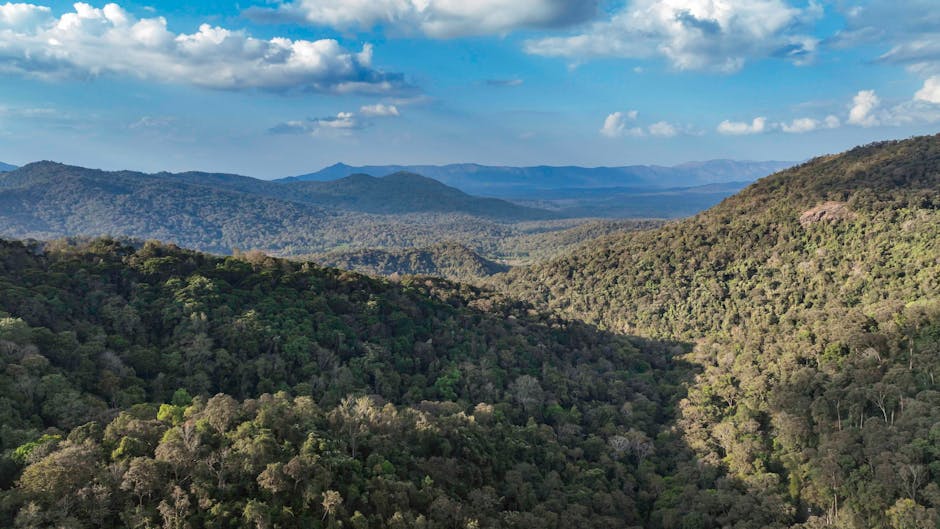
Shekhawati havelis
The right stay. At the right price. Every time.
Find your perfect Rajasthan stay on Unpaqd — with our AI search feature
Curated 4.5+ rated homestays, price-match guarantee, and zero commissions-so you never overpay or settle. Just describe your ideal stay, and we'll do the rest.
Explore stays on UnpaqdSummary
- Shekhawati havelis: Rajasthan's hidden architectural treasures.
- Perfect offbeat escape from crowded tourist circuits.
- Stunning frescoes and history in peaceful towns.
- Ideal for culture and heritage enthusiasts.
- Budget-friendly with authentic local experiences.
- A serene journey into India's artistic past.
Shekhawati havelis
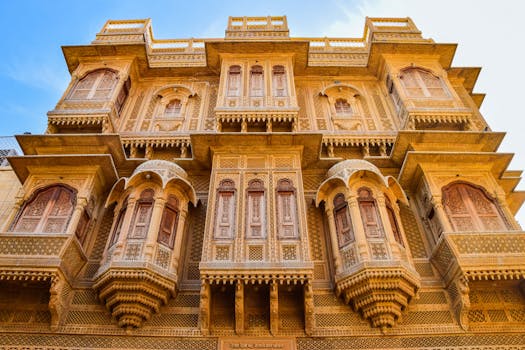
As I stepped into the dusty lanes of Mandawa, a small town in Rajasthan's Shekhawati region, I felt like I had wandered into a living museum. The towering havelis, with their intricately painted walls, whispered stories of Marwari merchants who once thrived on ancient trade routes. I remember standing in awe before a mural depicting a steam engine—a curious blend of colonial influence and local artistry—painted over a century ago. It was surreal to think such beauty lay tucked away, far from the bustling tourist trails of Jaipur or Udaipur. Shekhawati havelis are criminally underrated, often overshadowed by Rajasthan’s more famous forts and palaces, yet they offer a raw, unfiltered glimpse into a bygone era. What makes them special is their sheer abundance and diversity; every town, from Nawalgarh to Fatehpur, hides a unique masterpiece waiting to be explored. In this guide, you’ll discover why these painted mansions are worth your time, the best things to see, practical travel tips, and hidden secrets only repeat visitors know.
Why Visit Shekhawati havelis?
- Architectural Marvels — These havelis showcase intricate frescoes blending Indian, Persian, and European styles, a rare fusion of art.
- Untouched Heritage — Unlike commercialized destinations, Shekhawati offers an authentic, crowd-free experience of Rajasthan’s history.
- Cultural Immersion — Local festivals and markets in towns like Mandawa reveal the vibrant Marwari way of life.
- Photographer’s Paradise — Every haveli corner, with fading murals and ornate courtyards, is a frame-worthy shot.
- Historical Significance — Built by wealthy merchants, these mansions narrate tales of trade, migration, and colonial encounters.
- Affordable Exploration — Entry fees are minimal or non-existent, making it a budget-friendly cultural dive.
- Quiet Charm — The serene ambiance of small towns offers a refreshing break from chaotic tourist hubs.
Top Things to Do & See
Mandawa Fort
A majestic structure dominating the town, this fort offers panoramic views and houses a small museum of artifacts. Insider tip: Visit at sunset for golden hues on the painted walls—locals swear it’s the best time for photos.
Nawalgarh Havelis
Known for some of the best-preserved frescoes, Nawalgarh’s havelis like Poddar Haveli are a visual feast. Insider tip: Ask a local guide about the hidden “mirror room” in Poddar Haveli for a unique surprise.
Fatehpur’s Nadine Le Prince Haveli
This restored haveli, managed by a French artist, blends history with modern charm. Insider tip: Check if the rooftop cafe is open—locals say the view is unmatched with a cup of chai.
Dundlod Fort
A lesser-known gem, this fort combines Rajput architecture with Shekhawati murals. Insider tip: Chat with the caretaker for untold stories of the Goenka family who once lived here.
Churu’s Malji ka Kamra
An iconic haveli turned boutique stay, it’s a masterpiece of painted walls and arches. Insider tip: Visit the nearby Surana Haveli for free—locals know it’s just as stunning but less crowded.
Lachhmangarh Fort
Perched on a hill, this fort offers breathtaking views of the town’s painted havelis below. Insider tip: Climb early morning to avoid the heat; locals often guide you to a secret viewpoint.
How to Reach Shekhawati havelis
Shekhawati region, located in northern Rajasthan, is accessible from major cities like Jaipur and Delhi. The nearest airport is Jaipur International Airport, about 160–200 km away, depending on the town (Mandawa, Nawalgarh, etc.). From the airport, hire a taxi for approximately Rs 3,000–4,000, taking about 3–4 hours. The nearest major railway station is Jaipur Junction, with smaller stations like Sikar or Jhunjhunu closer to specific Shekhawati towns. Trains from Delhi to Sikar cost around Rs 200–500 per person, taking 5–6 hours. By road, Shekhawati is well-connected via NH-52 and state highways. From Delhi, it’s a 250–300 km drive (5–6 hours) via Bhiwani or Rewari, with toll costs around Rs 300. Buses from Jaipur to Mandawa or Nawalgarh are frequent, costing Rs 200–300 per person for a 3–4 hour journey. For flexibility, renting a car or bike from Jaipur is recommended, starting at Rs 1,500 per day.
Best Time to Visit
The ideal time to explore Shekhawati havelis is during the cooler months, from October to March, when temperatures range between 10°C and 25°C, making sightseeing comfortable. This peak season sees clear skies and pleasant evenings, perfect for long walks through narrow lanes. Shoulder seasons, like late September or early April, are also good, with slightly warmer days (25°C–30°C) but fewer crowds. Summers, from May to June, are scorching, with temperatures soaring to 40°C or higher, best avoided unless you’re used to extreme heat. Monsoons, from July to August, bring occasional rain, turning the desert landscape lush but making some rural roads slippery. Festivals like Diwali and Holi add vibrant local flavor if timed right, though accommodations may book up quickly during these periods.
Where to Stay
Shekhawati offers a range of accommodations, often in restored havelis, blending history with comfort. For budget travelers, options in Mandawa like Hotel Shekhawati (Rs 1,000–1,500 per night) provide basic rooms with proximity to major havelis. In Nawalgarh, guesthouses like Roop Niwas Kothi (Rs 1,200–1,800 per night) offer affordable stays with a traditional vibe. For mid-range stays, consider Castle Mandawa in Mandawa (Rs 3,000–5,000 per night), a heritage hotel with modern amenities inside a fort. Another great pick is Apani Dhani in Nawalgarh (Rs 2,500–4,000 per night), known for eco-friendly cottages. For a boutique experience, Malji ka Kamra in Churu (Rs 5,000–7,000 per night) is a restored haveli with stunning interiors, or try Vivaana Culture Hotel near Mandawa (Rs 6,000–8,000 per night) for luxury in a historic setting. Book in advance during peak seasons for the best rates.
Trip Cost Breakdown (3-Day Trip for 2 People)
| Item | Cost |
|---|---|
| Accommodation (mid-range) | Rs 9,000 |
| Food (local meals) | Rs 3,000 |
| Transport (taxi from Jaipur + local) | Rs 5,000 |
| Activities (entry fees, guides) | Rs 1,000 |
| Total | Rs 18,000 |
Suggested Itineraries
- 2-Day Quick Escape
- Day 1: Arrive in Mandawa by noon, check into a heritage hotel. Spend the afternoon exploring Mandawa Fort (1–2 pm) and nearby havelis like Gulab Rai Ladia Haveli (2:30–4 pm). Evening stroll through the local market (5–7 pm) for souvenirs.
- Day 2: Morning visit to Nawalgarh (8–11 am) for Poddar Haveli and other painted mansions. Return to Mandawa by noon, grab lunch, and depart by 2 pm.
- 3-Day Deep Dive
- Day 1: Reach Mandawa by midday, settle into accommodation. Explore Mandawa Fort (2–3:30 pm) and local havelis (4–6 pm). Relax with a rooftop dinner (7–9 pm).
- Day 2: Early drive to Nawalgarh (8–11 am) for haveli tours, then head to Fatehpur (12–3 pm) for Nadine Le Prince Haveli. Return to Mandawa for a quiet evening (5–8 pm).
- Day 3: Morning trip to Dundlod Fort (8–10 am) and Lachhmangarh Fort (10:30 am–12:30 pm). Lunch in Mandawa (1–2 pm) before departure by 3 pm.
Ideal For
- History buffs eager to uncover Rajasthan’s lesser-known architectural heritage.
- Art lovers fascinated by intricate frescoes and cultural storytelling.
- Photographers seeking unique, colorful frames off the beaten path.
- Couples looking for a quiet, romantic getaway in heritage settings.
- Slow travelers wanting an authentic, unhurried cultural experience.
Safety, Permits & Local Etiquette
- Inner Line Permit: Not required for Shekhawati havelis; the region is open to all domestic and international travelers.
- Mobile Connectivity: Networks are decent in towns like Mandawa and Nawalgarh, though rural areas may have patchy signals. Carry a local SIM for emergencies.
- Solo Female Traveller: Generally safe with basic precautions. Stick to populated areas, dress modestly, and avoid isolated lanes after dark.
- Do's & Don'ts: Respect local customs by dressing conservatively. Ask permission before photographing people or private havelis. Avoid littering in heritage sites. Bargain politely in markets.
Hidden Tips Only Repeat Visitors Know
- Hire a local guide for half a day—many havelis are locked, and they often have keys or know the caretakers.
- Carry cash; ATMs are sparse in smaller towns, and digital payments aren’t widely accepted.
- Visit havelis early morning for soft light—perfect for photography without harsh shadows.
- Chat with locals at tea stalls; they often share stories and point to lesser-known havelis.
- Wear comfortable shoes; cobblestone streets and uneven paths are common around old structures.
- Pack light scarves or hats; the desert sun can be intense even in cooler months.
- Look for small, family-run eateries for authentic Marwari thalis—cheaper and tastier than tourist cafes.
- Check for local fairs or weekly markets; they’re a goldmine for handicrafts and cultural insights.
Frequently Asked Questions
Q: Is Shekhawati havelis worth visiting?
Absolutely, Shekhawati havelis are a hidden gem for anyone interested in history, art, or architecture. They offer a unique glimpse into Rajasthan’s merchant past with stunning frescoes and serene towns. Unlike mainstream destinations, you’ll enjoy a peaceful, authentic experience. It’s perfect if you crave something offbeat.
Q: How many days are enough for Shekhawati havelis?
A 2-day trip covers the highlights like Mandawa and Nawalgarh comfortably. However, for a deeper exploration of Fatehpur, Dundlod, and Churu, plan for 3–4 days. This allows time for leisurely haveli tours and local interactions. Rushing through misses the charm of these towns.
Q: Is Shekhawati havelis safe for solo female travellers?
Yes, it’s relatively safe with standard precautions. Stick to well-known towns, avoid isolated areas at night, and dress modestly to blend in. Locals are generally friendly and helpful. Always trust your instincts and keep emergency contacts handy.
Q: Which is better — Shekhawati havelis or Jaipur?
It depends on your vibe. Shekhawati offers a quiet, offbeat experience with unique painted havelis, while Jaipur is a bustling hub with grand forts and markets. If you prefer serenity and niche history, choose Shekhawati. For a broader Rajasthani experience, Jaipur wins.
Q: Do I need permits for Shekhawati havelis?
No, you don’t need any special permits to visit Shekhawati havelis. The region is easily accessible to both Indian and international travelers. Just carry standard ID for hotel check-ins. Some private havelis may require prior permission for entry.
Q: Is Shekhawati havelis expensive?
Not at all; Shekhawati is quite budget-friendly compared to other Rajasthani destinations. Accommodation, food, and transport costs are reasonable, with a 3-day trip for two costing around Rs 18,000. Entry to most havelis is free or nominal. It’s great value for a rich cultural experience.