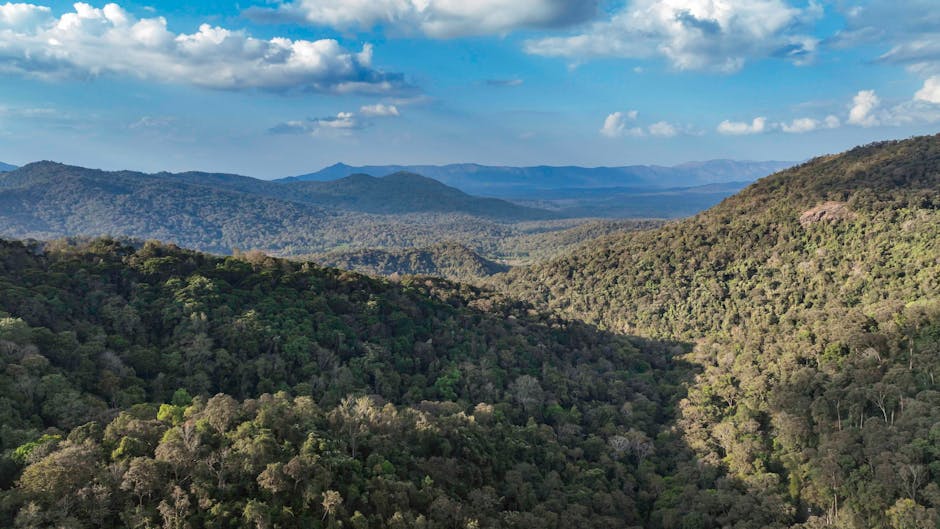
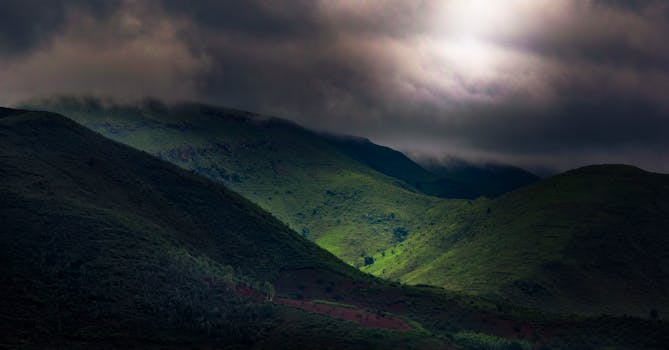
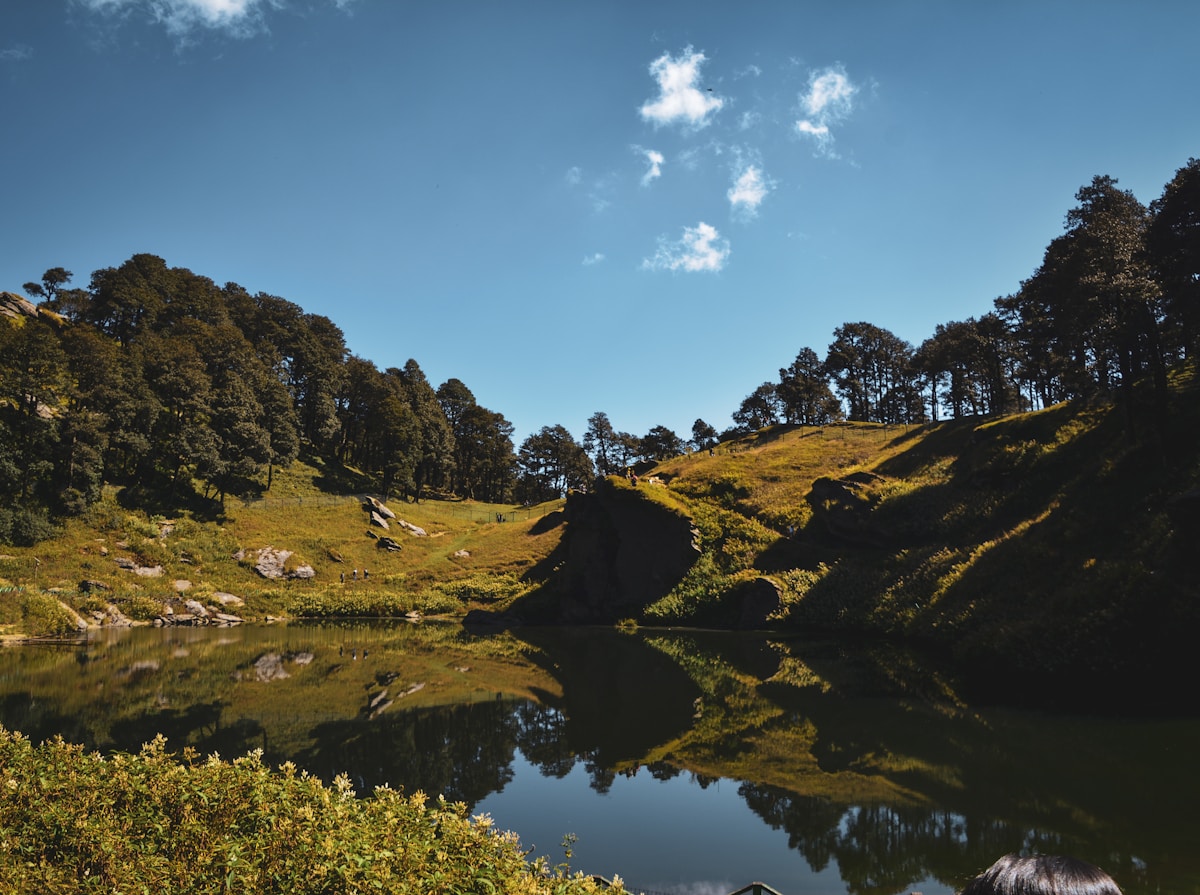
Serolsar Lake
The right stay. At the right price. Every time.
Find your perfect Himachal Pradesh stay on Unpaqd — with our AI search feature
Curated 4.5+ rated homestays, price-match guarantee, and zero commissions-so you never overpay or settle. Just describe your ideal stay, and we'll do the rest.
Explore stays on UnpaqdTL;DR Summary
- Serolsar Lake: A pristine hidden gem in Himachal Pradesh.
- Perfect for offbeat travelers seeking untouched beauty.
- Offers serene landscapes and peaceful vibes.
- Ideal for budget-friendly nature escapes.
- A trekker’s paradise with spiritual undertones.
- Unspoiled charm far from tourist crowds.
Serolsar Lake
I still remember the first time I stumbled upon Serolsar Lake, tucked away in the lap of the Kullu Valley. My boots crunched on the pine needle-strewn path as a sudden clearing revealed a mirror-like expanse of water, reflecting the towering deodar trees and the endless blue sky. A local shepherd, sharing his humble tea, told me stories of the lake’s mystical origins tied to ancient folklore. It felt like stepping into a secret world, untouched by time or tourist buses. This isn’t just another Himalayan lake; it’s a sanctuary of silence where the wind whispers tales of the divine. Serolsar Lake remains underrated, often overshadowed by more popular spots like Manali or Dalhousie, yet its raw beauty and tranquility are unmatched. In this guide, you’ll discover why this hidden treasure deserves a spot on your travel list, along with insider tips on how to reach, what to do, and where to stay for an unforgettable escape.
Why Visit Serolsar Lake?
- Untouched Serenity — Experience a rare stillness with no commercial clutter, just nature in its purest form.
- Spiritual Connection — The lake is linked to Budhi Nagin, a revered serpent deity, adding a layer of mystique.
- Scenic Trekking — The 6-kilometer trek from Jalori Pass offers breathtaking views of the Pir Panjal range.
- Wildlife Encounters — Spot Himalayan birds and small mammals like the elusive musk deer if you’re lucky.
- Cultural Immersion — Nearby villages offer a glimpse into authentic Pahadi life, warm and welcoming.
- Photographer’s Dream — Capture stunning reflections and vibrant alpine meadows, especially at sunrise.
- Offbeat Escape — Avoid the chaos of mainstream destinations and reconnect with nature’s rhythm.
Top Things to Do & See
1. Trek to Serolsar Lake
Embark on a soul-soothing trek through dense forests to reach this emerald gem. Insider tip: Start early from Jalori Pass to catch the morning mist over the lake.
2. Visit Budhi Nagin Temple
Pay respects at the small, sacred temple near the lake, steeped in local legends. Insider tip: Speak to the priest for lesser-known stories about the deity.
3. Picnic by the Lake
Unwind with a quiet picnic on the grassy shores surrounded by towering trees. Insider tip: Carry a lightweight mat; the ground can be damp near the water.
4. Birdwatching in the Meadows
Spot colorful Himalayan birds fluttering through the surrounding alpine meadows. Insider tip: Bring binoculars and look for the Himalayan monal near dawn.
5. Photography at Golden Hour
Capture the lake’s mirror-like surface as the sun paints the sky in golden hues. Insider tip: Position yourself on the eastern shore for the best light.
6. Explore Nearby Villages
Wander through quaint hamlets like Shoja to experience authentic mountain life. Insider tip: Try homemade apple cider offered by locals in season.
How to Reach Serolsar Lake
Serolsar Lake is located near Jalori Pass in the Kullu district of Himachal Pradesh, making it accessible yet wonderfully remote. The nearest airport is Bhuntar Airport, about 60 kilometers away, with limited flights from Delhi and Chandigarh. From there, hire a taxi to Jalori Pass, costing around Rs 2,000–2,500 for a one-way trip, taking roughly 2.5 hours. The nearest major railway station is Chandigarh, approximately 250 kilometers away, connected to Delhi and other cities. From Chandigarh, take a bus or taxi to Aut (on the Mandi-Manali highway), then another taxi or local bus to Jalori Pass, costing Rs 3,000–4,000 total and taking 6–7 hours by road. If driving, take the Delhi-Chandigarh-Aut route, then head towards Jalori Pass via Banjar; the roads are narrow beyond Aut, so drive cautiously. From Jalori Pass, a moderate 6-kilometer trek (2–3 hours one way) through oak and rhododendron forests leads to the lake. Local guides are available at the pass for Rs 500–800 if needed.
Best Time to Visit
The ideal time to visit Serolsar Lake is during the spring (March to May) and autumn (September to November), when the weather is pleasant with temperatures between 10°C and 20°C, perfect for trekking and sightseeing. Spring brings blooming rhododendrons, while autumn offers clear skies and golden foliage. Summer (June to August) can be a shoulder season; though warmer at 15°C–25°C, occasional rain makes the trek slippery, so pack waterproof gear. Winters (December to February) are harsh with heavy snowfall, temperatures dropping to -5°C, and Jalori Pass often closed due to snow; only experienced trekkers with proper equipment should attempt it. Monsoon (July to August) is least recommended due to landslides and muddy trails, though the lake looks ethereal if you’re willing to brave the elements.
Where to Stay
Accommodation near Serolsar Lake is limited due to its offbeat nature, but options around Jalori Pass and nearby villages cater to different budgets. For budget travelers, guesthouses in Shoja, 5 kilometers from Jalori Pass, offer basic rooms for Rs 800–1,200 per night with stunning valley views; try places like Shoja Retreat. Mid-range options include homestays and small hotels in Banjar or Shoja, costing Rs 1,500–2,500 per night, such as Banjara Retreat, which provides cozy rooms and home-cooked meals. For a boutique experience, look for eco-camps or luxury cottages near Jalori Pass, priced at Rs 3,000–5,000 per night; some, like Himalayan Ecotourism Camps, offer guided treks and bonfire nights. Book in advance during peak seasons as options fill up fast. Camping near the lake is possible with prior permission from local authorities, but carry your own gear and respect the environment.
Trip Cost Breakdown (3-Day Trip for 2 People)
| Item | Cost |
|---|---|
| Accommodation (mid-range, 2 nights) | Rs 4,000 |
| Food (meals at local eateries) | Rs 2,400 |
| Transport (taxi from Bhuntar & local) | Rs 5,000 |
| Activities (guide for trek & misc.) | Rs 1,000 |
| Total | Rs 12,400 |
Suggested Itineraries
- 2-Day Quick Escape
- Day 1: Arrive at Jalori Pass by noon via Bhuntar or Aut. Start the 6-kilometer trek to Serolsar Lake (2–3 hours). Spend the evening by the lake, visit Budhi Nagin Temple, and return to Jalori Pass for overnight stay in a guesthouse.
- Day 2: Morning visit to nearby Shoja village for local culture and breakfast. Depart by noon for Bhuntar or onward journey.
- 3-Day Deep Dive
- Day 1: Reach Jalori Pass by late morning. Trek to Serolsar Lake (2–3 hours), enjoy a lakeside picnic, and soak in the views. Return to Jalori Pass or Shoja for the night.
- Day 2: Explore nearby villages like Banjar in the morning (9 AM–12 PM). Return for a relaxed afternoon near Jalori Pass, with birdwatching or photography. Overnight stay.
- Day 3: Early morning revisit to a viewpoint near Jalori Pass for sunrise (6 AM). Have breakfast and depart by 11 AM for Bhuntar or next destination.
Ideal For
- Nature lovers seeking unspoiled landscapes and quiet retreats.
- Trekkers looking for moderate, scenic trails in the Himalayas.
- Spiritual seekers intrigued by local folklore and sacred sites.
- Photographers chasing dramatic mountain and lake vistas.
- Couples wanting a romantic, offbeat getaway without crowds.
- Budget travelers who value authentic experiences over luxury.
Safety, Permits & Local Etiquette
- Inner Line Permit: No permits are required for Indian nationals to visit Serolsar Lake or Jalori Pass. Foreign travelers should carry valid ID and check for any regional restrictions at Bhuntar.
- Mobile Connectivity: Network coverage is spotty near Jalori Pass and non-existent at the lake. BSNL works intermittently in Shoja; inform family beforehand and carry a power bank.
- Solo Female Traveller: Generally safe with friendly locals, but stick to daylight hours for trekking. Travel in small groups if possible, and avoid isolated paths after dark.
- Do's & Don'ts: Respect the sacredness of the lake and temple—avoid littering or loud behavior. Dress modestly near villages, ask permission before photographing locals, and carry reusable water bottles to minimize plastic waste.
Hidden Tips Only Repeat Visitors Know
- Start your trek at dawn from Jalori Pass to avoid midday heat and enjoy solitude at the lake.
- Carry dry fruits and energy bars; there are no food stalls en route or at the lake.
- Wear sturdy trekking shoes with good grip—the path can be rocky and uneven.
- Pack a lightweight rain jacket even in dry seasons; sudden showers are common.
- Chat with locals at Jalori Pass for updates on trail conditions before starting.
- Visit during weekdays to avoid the small weekend crowds from nearby towns.
- Look for wild strawberries along the trail in summer—they’re a sweet surprise.
- If camping, pitch your tent at least 100 meters from the lake to respect local norms.
Frequently Asked Questions
Q: Is Serolsar Lake worth visiting?
Absolutely, if you crave offbeat destinations with raw natural beauty. Its serene environment, coupled with a scenic trek, makes it a refreshing escape from crowded tourist spots. The spiritual aura around Budhi Nagin Temple adds a unique charm. It’s perfect for those seeking peace over commercialized attractions.
Q: How many days are enough for Serolsar Lake?
A 2-day trip is sufficient for a quick visit, covering the trek and lake exploration. However, a 3-day itinerary allows deeper immersion with nearby villages and relaxed pacing. Add an extra day if you’re into photography or extended trekking. Most travelers find 2–3 days ideal.
Q: Is Serolsar Lake safe for solo female travellers?
Yes, it’s relatively safe with welcoming locals and a small tourist footprint. Stick to daylight hours for trekking and stay in well-reviewed accommodations in Shoja or Jalori Pass. Avoid venturing alone into remote areas at night. Group treks are recommended for added comfort.
Q: Which is better — Serolsar Lake or Manali?
It depends on your vibe—Manali offers more amenities, nightlife, and adventure sports but is crowded. Serolsar Lake is quieter, untouched, and ideal for nature lovers seeking solitude. Choose Serolsar for an authentic Himalayan escape, Manali for a bustling tourist experience.
Q: Do I need permits for Serolsar Lake?
No special permits are needed for Indian nationals to visit Serolsar Lake or Jalori Pass. Foreign travelers should carry passports and visas for identification. Check with local authorities at Bhuntar for any temporary restrictions. It’s a hassle-free destination in terms of paperwork.
Q: Is Serolsar Lake expensive?
Not at all—it’s a budget-friendly destination with minimal costs. Accommodation and food near Jalori Pass are affordable, and trekking is free unless you hire a guide. Transport from nearby hubs like Bhuntar is reasonable. A 3-day trip for two can cost under Rs 13,000 with careful planning.