Serolsar Hidden Lake: Unveiling India’s Secret Gem – Complete Travel Guide
The right stay. At the right price. Every time.
Find your perfect Himachal Pradesh stay on Unpaqd — with our AI search feature
Curated 4.5+ rated homestays, price-match guarantee, and zero commissions-so you never overpay or settle. Just describe your ideal stay, and we'll do the rest.
Explore stays on UnpaqdSummary
- Serolsar Hidden Lake: A true offbeat gem in Himachal Pradesh.
- Perfect for serene escapes away from crowded tourist spots.
- Offers breathtaking views with minimal footfall.
- Ideal for nature lovers seeking peace and solitude.
- Budget-friendly destination with authentic local vibes.
- A hidden treasure worth every step of the journey.
Serolsar Hidden Lake
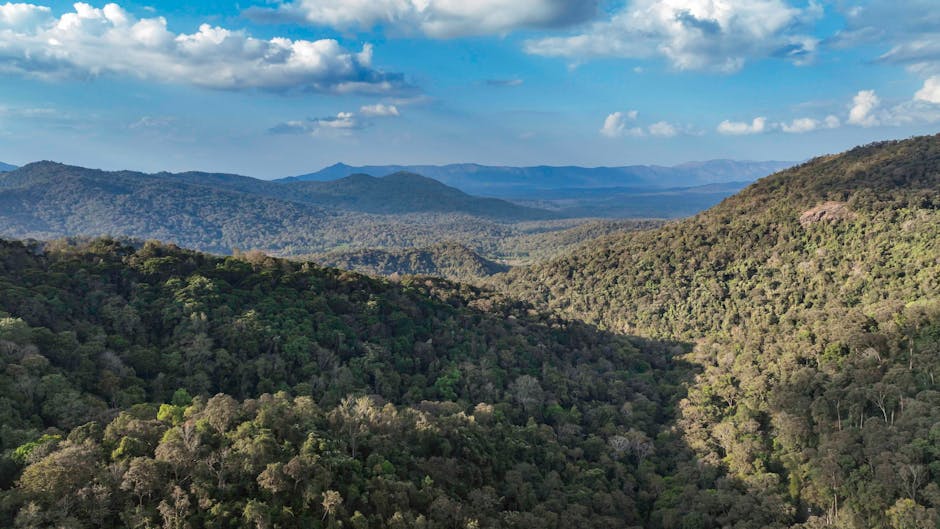
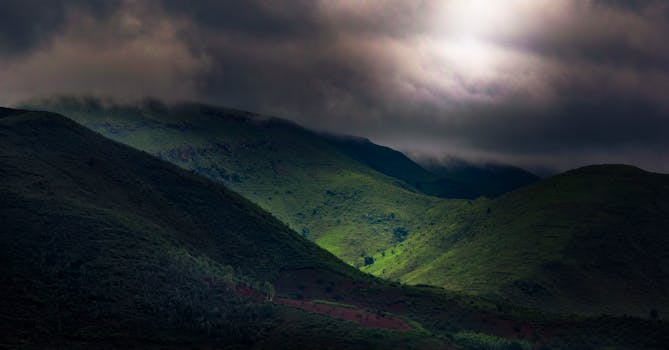
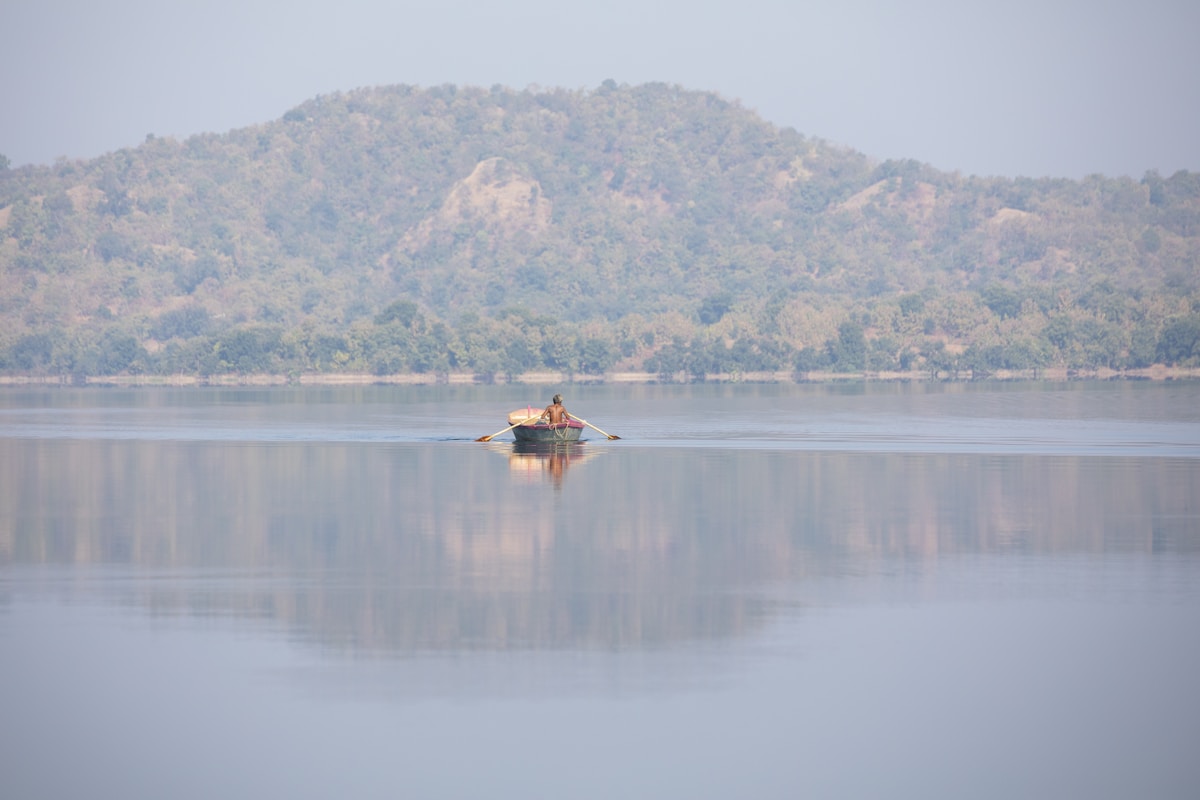
I still remember the first time I stumbled upon Serolsar Hidden Lake. It was a crisp morning, the kind where the mist hangs low over the hills, and I’d just trekked for a couple of hours from Jalori Pass. My legs were aching, but when I caught that first glimpse of the lake—still as a mirror, framed by towering deodar trees—I forgot every bit of fatigue. A local shepherd I met on the way, sipping chai from a dented steel glass, grinned and told me this was “devta ka talab,” a sacred pond blessed by the gods. Hardly anyone was there, just the sound of leaves rustling and distant birds.
What makes this place so underrated is its sheer seclusion. Tucked away in the Banjar Valley of Kullu district, it’s not on the usual Himachal tourist radar like Manali or Shimla. Yet, it holds a raw, untouched charm—think emerald waters reflecting the sky, and not a single vendor hawking souvenirs. It’s special because it feels like a secret you’ve been let in on, a slice of the Himalayas that hasn’t been Instagrammed to death. In this guide, I’ll walk you through everything you need to know to uncover this hidden marvel for yourself.
Why Visit Serolsar Hidden Lake?
- Untouched Beauty — The lake’s crystal-clear waters remain pristine, untouched by mass tourism.
- Spiritual Aura — Revered by locals as a sacred site linked to ancient legends of Budhi Nagin.
- Scenic Trek — The 5 km hike from Jalori Pass offers panoramic views of the Banjar Valley.
- Quiet Solitude — Unlike popular lakes, you’ll rarely find more than a handful of visitors here.
- Cultural Connect — Nearby villages offer a glimpse into authentic Pahadi life and warm hospitality.
- Wildlife Spotting — Keep an eye out for Himalayan birds and small mammals along the trail.
- Photography Haven — Every angle of the lake and surrounding forests is a frame-worthy shot.
Top Things to Do & See
Serolsar Lake Viewpoint
Gaze at the mesmerizing lake surrounded by dense coniferous forests. Insider tip: Walk a little beyond the main viewpoint for a quieter spot where locals meditate.
Trek from Jalori Pass
Embark on the moderate 5 km trek through oak and rhododendron trails. Insider tip: Start early morning to catch the golden light filtering through the trees.
Budhi Nagin Temple
Visit this small, sacred shrine near the lake dedicated to the serpent goddess. Insider tip: Ask locals about the folklore—they love sharing the mystical tales.
Picnic by the Lake
Set up a quiet picnic with the lake as your backdrop, soaking in the calm. Insider tip: Carry your own food as there are no stalls nearby.
Birdwatching in the Forest
Spot Himalayan magpies and woodpeckers in the surrounding woods. Insider tip: Bring binoculars and visit during dawn for the best sightings.
Explore Nearby Shoja Village
Wander through this quaint hamlet for a taste of local life and stunning valley views. Insider tip: Chat with villagers at the tiny tea stall for route shortcuts.
How to Reach Serolsar Hidden Lake
Getting to Serolsar Hidden Lake is an adventure in itself, but it’s very doable if you plan right. The nearest major town is Banjar, about 40 km away, in Kullu district of Himachal Pradesh. Let’s break it down step by step.
If you’re coming from Delhi, the most convenient way is to first reach Aut, located on the Chandigarh-Manali National Highway (NH-3), roughly 540 km from the capital. You can take an overnight bus from ISBT Kashmere Gate to Aut, which costs around Rs 800–1,000 per person on a regular HRTC bus. From Aut, hire a shared taxi or private cab to Banjar, which is about 25 km away, for Rs 300–500 per seat in a shared ride or Rs 1,200 for a private one. Buses to Banjar are also available but less frequent—expect to pay Rs 100–150.
From Banjar, you’ll need to reach Jalori Pass, the starting point of the trek to Serolsar Lake. Jalori Pass is 12 km uphill from Banjar via the Banjar-Jalori Road, a winding but scenic stretch with views of terraced fields. Shared taxis from Banjar to Jalori cost around Rs 200 per person, while a private cab is about Rs 800–1,000. If you’re driving, note that the road is narrow with sharp bends, so take it slow. There’s a small parking area at Jalori Pass near a cluster of dhabas like “Himalayan Dhaba,” where you can grab a quick paratha for Rs 50 before starting.
The final leg is a 5 km trek from Jalori Pass to Serolsar Lake. It’s a moderate trail, taking about 1.5 to 2 hours one way, passing through dense forests and open meadows. Wear sturdy shoes as some patches can be slippery, especially after rain. There’s no public transport beyond Jalori, so trekking is the only option unless you arrange a local guide with a horse, which costs around Rs 500–700 for the round trip.
If you’re flying in, the nearest airport is Bhuntar Airport near Kullu, about 90 km from Banjar. From there, take a cab to Banjar for around Rs 2,500–3,000. For train travelers, the closest railway station is Joginder Nagar, 120 km away, though it’s not well-connected, so Aut by bus or cab remains the better gateway. Plan for a full day to reach from major cities, factoring in the trek time.
Best Time to Visit
The ideal window to visit Serolsar Hidden Lake is between April to June and September to November. During these months, the weather is pleasant with temperatures ranging from 10°C to 20°C, perfect for trekking and enjoying the lake’s tranquility. April to June brings clear skies and blooming wildflowers along the trail, while September to November offers crisp air and golden foliage.
Winter, from December to February, can be magical if you’re prepared for snow—temperatures drop to 0°C or below, and the lake often freezes over. However, the trek becomes challenging due to slippery paths, and Jalori Pass may be closed during heavy snowfall. Monsoon, from July to August, is less advisable as the trail gets muddy and prone to landslides, though the lush greenery is stunning if you’re willing to take the risk. Always check local weather updates before heading out.
Where to Stay
Accommodation around Serolsar Hidden Lake is limited due to its remote location, but there are solid options in nearby areas like Banjar, Shoja, and Jalori Pass. Here’s a mix for different budgets.
- Budget: Stay at guesthouses in Banjar like “Banjar Valley Homestay,” where a basic room costs Rs 800–1,200 per night. Simple, clean, and often run by local families who can cook you a hearty meal for Rs 150–200 per person.
- Mid-Range: In Shoja, check out “Shoja Heights,” a cozy lodge with valley views. Rooms go for Rs 2,000–2,500 per night, including hot water and decent Wi-Fi on good days.
- Boutique: For something special, try “The Himalayan Orchard” near Jalori Pass. It’s a notch above with wooden cottages priced at Rs 3,500–4,000 per night, offering stunning vistas and home-cooked Pahadi food.
Booking in advance is wise during peak months, as options fill up fast. If you’re trekking to the lake for a day trip, staying in Banjar or Shoja is most convenient.
Trip Cost Breakdown (3-Day Trip for 2 People)
| Item | Cost |
|---|---|
| Accommodation (2 nights in Shoja) | Rs 5,000 |
| Food (meals and snacks) | Rs 3,000 |
| Transport (bus from Delhi to Aut, taxis to Banjar/Jalori) | Rs 4,000 |
| Activities (guide for trek, misc. expenses) | Rs 1,000 |
| Total | Rs 13,000 |
Suggested Itineraries
- 2-Day Quick Escape
- Day 1: Arrive in Banjar by morning via Aut. Take a taxi to Jalori Pass (12 km, 1 hour) by 11 AM. Start the 5 km trek to Serolsar Lake, reaching by 1:30 PM. Spend 2–3 hours by the lake and visit Budhi Nagin Temple. Trek back by 5 PM and return to Banjar for the night.
- Day 2: Explore Banjar’s local market in the morning, tasting street-side momos at “Tashi’s Stall” for Rs 50 a plate. Head back to Aut by noon for your return journey.
- 3-Day Deep Dive
- Day 1: Reach Banjar by early afternoon. Check into a guesthouse and spend the evening strolling through the town, enjoying sunset views over the valley from Banjar Bridge.
- Day 2: Leave for Jalori Pass by 8 AM. Trek to Serolsar Lake, arriving by 10:30 AM. Relax by the lake, picnic, and explore nearby trails till 3 PM. Trek back and stay overnight in Shoja for a quieter vibe.
- Day 3: Visit Shoja village in the morning, interacting with locals by 9 AM. Return to Banjar by noon and catch a bus or taxi back to Aut for your onward trip.
Ideal For
- Nature enthusiasts craving unspoiled landscapes and serene environments.
- Trekkers looking for moderate trails with rewarding views.
- Spiritual seekers interested in sacred sites and local folklore.
- Couples or solo travelers wanting a peaceful getaway from urban chaos.
- Photographers eager to capture raw Himalayan beauty.
Safety, Permits & Local Etiquette
- Inner Line Permit: No permits are required for Indian nationals or foreigners to visit Serolsar Lake or the surrounding areas.
- Mobile Connectivity: Network coverage is spotty at best. BSNL works intermittently near Jalori Pass, but there’s almost no signal at the lake. Inform family or friends of your plans beforehand.
- Solo Female Traveller: The area is generally safe with friendly locals, but stick to daylight hours for trekking. Avoid venturing alone into dense forest patches and consider traveling with a group or local guide.
- Do's & Don'ts: Respect the sacredness of the lake—don’t litter or disturb the water. Dress modestly near the temple. Carry cash as ATMs are scarce beyond Banjar. Always ask before photographing locals.
Hidden Tips Only Repeat Visitors Know
- Start your trek from Jalori Pass at sunrise to avoid midday heat and enjoy solitude at the lake.
- Pack a light rain jacket even in dry months—sudden showers are common in the hills.
- Stop at “Mohan Dhaba” near Jalori Pass for their spicy aloo parathas before or after the trek.
- Chat with shepherds en route—they often know shortcuts or hidden viewpoints.
- Carry a reusable water bottle; there’s a small spring near the lake for refills.
- Visit during late autumn for fewer trekkers and vibrant fall colors.
- If staying in Shoja, ask locals for evening bonfire spots with valley views.
- Keep some dry fruits or energy bars handy—there’s no food available mid-trek.
Frequently Asked Questions
Q: Is Serolsar Hidden Lake worth visiting?
Absolutely, if you’re after peace and raw natural beauty. It’s a perfect escape from over-touristed spots, offering stunning views and a spiritual vibe. The trek is manageable for most fitness levels, and the solitude is unmatched.
Q: How many days are enough for Serolsar Hidden Lake?
A 2-day trip is sufficient for a quick visit, including the trek and some downtime by the lake. However, 3 days allow for a deeper exploration of nearby villages like Shoja. It depends on how much you want to soak in the area’s vibe.
Q: Is Serolsar Hidden Lake safe for solo female travellers?
Yes, it’s relatively safe with welcoming locals, but precautions are necessary. Trek during daylight, avoid isolated trails, and consider joining a group or hiring a guide. Always inform someone of your whereabouts due to poor network coverage.
Q: Which is better — Serolsar Hidden Lake or Prashar Lake?
Serolsar Hidden Lake wins for solitude and untouched charm, as Prashar Lake sees more crowds due to its accessibility. While Prashar has a unique floating island, Serolsar’s serene trek and spiritual stories feel more intimate. Choose based on whether you prioritize quiet or convenience.
Q: Do I need permits for Serolsar Hidden Lake?
No permits are needed for Indian or foreign visitors to access Serolsar Lake or the surrounding areas. It’s a straightforward destination in terms of paperwork. Just carry a valid ID for general travel in Himachal Pradesh.
Q: Is Serolsar Hidden Lake expensive?
Not at all—it’s very budget-friendly. A 3-day trip for two can cost under Rs 15,000, covering travel, food, and stay. Costs depend on your starting point and accommodation choices, but it’s far cheaper than mainstream Himalayan spots.