Senapati Uncovered: Ultimate Travel Guide & Expert Tips

The right stay. At the right price. Every time.
Find your perfect Uttarakhand stay on Unpaqd — with our AI search feature
Curated 4.5+ rated homestays, price-match guarantee, and zero commissions-so you never overpay or settle. Just describe your ideal stay, and we'll do the rest.
Explore stays on UnpaqdUltimate Guide to Senapati – Expert Travel Tips
TL;DR Summary
- Senapati, a hidden gem in Manipur, offers untouched natural beauty and cultural depth.
- Best time to visit Senapati: October to April for pleasant weather and clear views.
- Top attractions include Dzuko Valley, Mao Gate, and Purul Village for unique experiences.
- Ideal for adventurers and culture seekers in this Senapati travel guide.
- Unparalleled trekking and local tribal festivals make it unforgettable.
- Check out things to do in Senapati for a perfect itinerary.
Introduction to Senapati
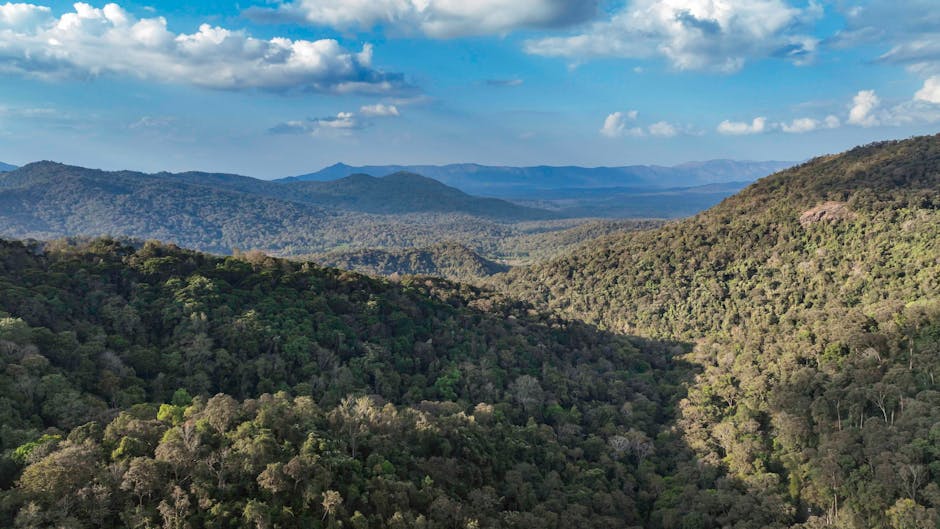
I still remember my first sunrise in Senapati, perched on a hill overlooking the misty Dzuko Valley, with the cool breeze carrying whispers of ancient Naga tales. Tucked away in the northern part of Manipur, Senapati is a lesser-known hill station that feels like a secret waiting to be discovered. Its rolling hills, vibrant tribal culture, and serene landscapes make it a must-visit for anyone craving an offbeat escape in Northeast India. Whether you're a solo trekker seeking adventure, a couple looking for quiet moments, or a family eager to explore local traditions, Senapati has something for everyone.
In this guide, you'll discover the top attractions, practical travel tips, and curated Senapati itineraries to make your trip unforgettable. From breathtaking valleys to cultural hotspots, I’ve poured in insights from my 20 years of exploring Indian hill stations. If you love the vibe of untouched destinations, check our Manali guide for similar serene escapes.
Why Visit Senapati? (Key Highlights)
- Untouched Natural Beauty: Senapati’s landscapes, like Dzuko Valley, rival even the best Himalayan vistas.
- Rich Tribal Culture: Experience the warmth of Naga tribes with festivals like Chumpha.
- Adventure Hub: Perfect for trekkers and nature enthusiasts with rugged trails and panoramic views.
- Offbeat Charm: Escape tourist crowds and enjoy a peaceful hill station retreat.
- Historical Insights: Explore Mao Gate, a historic border point with cultural significance.
- Local Flavors: Savor authentic Naga cuisine, a blend of smoky and spicy notes.
- Personal Gem: During a winter visit, I stumbled upon a hidden hot spring near Purul—pure bliss after a trek!
Top Attractions in Senapati
1. Dzuko Valley
A mesmerizing high-altitude valley known as the "Valley of Flowers of the Northeast," ideal for trekking. Key features include lush meadows and seasonal blooms; no entry fee, but guide costs around INR 1,500 (2026 estimate). Best time: November to March for clear skies. Insider Tip: Start your trek early to catch the sunrise mist.
2. Mao Gate
The historic entry point to Manipur from Nagaland, symbolizing cultural confluence. Key features include scenic views and photo spots; no entry fee. Best time: Year-round, but avoid monsoon for safer roads. Insider Tip: Chat with locals for stories about cross-border trade history.
3. Purul Village
A quaint tribal village offering insights into Naga culture and lifestyle. Key features include traditional huts and local markets; no entry fee. Best time: October to April. Insider Tip: Try homemade rice beer with locals for an authentic taste.
4. Liyai Khullen Village
A picturesque village surrounded by terraced fields and hills. Key features include homestay experiences; no entry fee. Best time: Post-monsoon for lush greenery. Insider Tip: Join a village walk to learn about farming traditions.
5. Maram Khullen
Known for its serene environment and traditional Naga architecture. Key features include cultural shows during festivals; no entry fee. Best time: December for festival vibes. Insider Tip: Carry cash; ATMs are scarce here.
6. Yangkhullen Village
A hidden spot with stunning views and trekking trails. Key features include bamboo forests; no entry fee. Best time: November to February. Insider Tip: Pack light snacks; food options are limited.
7. Senapati River
A tranquil spot for picnics and quiet reflection. Key features include clear waters and fishing opportunities; no entry fee. Best time: Summer for pleasant weather. Insider Tip: Bring a hat; shade is minimal.
8. Sadu Chiru Waterfall
A lesser-known cascade amidst dense forests, perfect for nature lovers. Key features include short hikes; no entry fee. Best time: Monsoon for full flow. Insider Tip: Wear sturdy shoes; the path gets slippery.
9. Makhel Cave
A historic cave tied to Naga folklore, ideal for history buffs. Key features include ancient carvings; entry fee INR 100 (2026 estimate). Best time: Winter for easy access. Insider Tip: Hire a local guide to understand the legends.
10. Willong Khullen Stonehenge
A mysterious site with ancient monoliths resembling Stonehenge. Key features include cultural significance; no entry fee. Best time: Year-round. Insider Tip: Visit during early morning for a mystical vibe.
Detailed Guides for Top 3 Attractions
Dzuko Valley
- History: Known as a sacred site for Naga tribes, this valley straddles Manipur and Nagaland, often called the "Sanjivani of the East" due to its mythical healing herbs.
- Things to See/Do: Trek through flower-carpeted meadows, camp overnight, and spot rare birds like the Blyth’s Tragopan.
- Nearby Spots: Mao Gate, just 30 km away, for a quick cultural stop.
- Location & How to Reach: Located 30 km from Senapati town; accessible via a 5-hour trek from Viswema (Nagaland) or Mao. Hire a local taxi (INR 2,000 round trip, 2026 estimate).
- Insider Tip: Carry enough water; there are no shops en route during the trek.
Mao Gate
- History: A significant checkpoint on the Manipur-Nagaland border along NH-2, it’s a historic trade route with deep cultural ties.
- Things to See/Do: Capture panoramic hill views, explore nearby markets, and interact with border locals.
- Nearby Spots: Dzuko Valley, a short drive away, for nature enthusiasts.
- Location & How to Reach: Situated 35 km from Senapati town on NH-2; easily reachable by taxi or bus (INR 200, 2026 estimate).
- Insider Tip: Stop by in the evening for stunning sunset shots over the hills.
Purul Village
- History: Home to the Poumai Naga tribe, Purul is one of the oldest villages in Senapati, preserving ancient customs.
- Things to See/Do: Witness traditional dance performances, explore handicraft stalls, and enjoy homestay experiences.
- Nearby Spots: Sadu Chiru Waterfall, 20 km away, for a refreshing detour.
- Location & How to Reach: Located 25 km from Senapati town; accessible by local taxis (INR 800 one-way, 2026 estimate).
- Insider Tip: Attend the Chumpha Festival in December for a cultural immersion.
How to Reach Senapati
Senapati is well-connected yet retains its remote charm. The nearest airport is Imphal International Airport (Tulihal), about 60 km away, with flights from Delhi, Kolkata, and Guwahati (approx. fare INR 5,000–7,000 one-way, 2026 estimate). From Imphal, hire a taxi (INR 2,500) or take a shared sumo (INR 300 per person) for a 2-hour drive. The nearest railway station is Dimapur (Nagaland), 120 km away, with trains from major cities like Guwahati (fare INR 1,500–2,000). From Dimapur, buses or taxis to Senapati cost INR 500–1,500 (3–4 hours). By road, Senapati lies on NH-2, connecting Imphal and Kohima. Driving from Imphal takes 2 hours, while from Kohima, it’s 3 hours. Tip: Hilly roads can be narrow; opt for experienced drivers and avoid night travel.
Multi-Day Road Trip Circuits from Major Cities
Since Imphal is the closest major hub and gateway for most travelers heading to Senapati, I’ve curated these road trip circuits starting from there. These routes combine Senapati with other Northeast gems for varied experiences.
Classic Manipur Circuit: Hills + Culture
- Stops & Sequence: Imphal (start) → Senapati (60 km, 2 hr) → Mao Gate (35 km, 1 hr) → back to Imphal via same route (95 km, 3 hr).
- Why This Sequence: Covers Senapati’s key attractions logically, with Mao Gate as a scenic extension before looping back.
- Total Duration: 3–4 days.
- Best For: Families and first-time visitors to Manipur.
- Tips: NH-2 is well-maintained but narrow; drive cautiously. Book accommodations in Senapati in advance during peak season (Oct–Mar). Stop at Mao for local snacks.
Extended Northeast Adventure Circuit: Hills + Valleys
- Stops & Sequence: Imphal (start) → Senapati (60 km, 2 hr) → Dzuko Valley trek (30 km, 1 hr drive + trek) → Kohima (70 km, 3 hr) → Dimapur (75 km, 3 hr) → back to Imphal (210 km, 6 hr).
- Why This Sequence: Combines Senapati’s natural beauty with Nagaland’s cultural hubs, ending with easy rail access at Dimapur.
- Total Duration: 7–9 days.
- Best For: Adventurers and trekkers.
- Tips: Carry trekking gear for Dzuko; roads to Kohima have sharp bends. Avoid monsoon travel due to landslides.
Budget Quick Circuit: Senapati Focus
- Stops & Sequence: Imphal (start) → Senapati (60 km, 2 hr) → Purul Village (25 km, 1 hr) → back to Imphal (85 km, 3 hr).
- Why This Sequence: Focuses on Senapati’s core with minimal travel time and cost, ideal for a weekend getaway.
- Total Duration: 2–3 days.
- Best For: Budget travelers and short trips.
- Tips: Use shared sumos (INR 300/person) from Imphal. Stay in homestays in Purul for low-cost options (INR 800/night).
Offbeat Tribal Circuit: Hidden Villages
- Stops & Sequence: Imphal (start) → Senapati (60 km, 2 hr) → Liyai Khullen (20 km, 1 hr) → Maram Khullen (15 km, 45 min) → back to Imphal (95 km, 3 hr).
- Why This Sequence: Explores lesser-known tribal villages around Senapati for a deep cultural dive without mainstream tourist spots.
- Total Duration: 4–5 days.
- Best For: Culture enthusiasts and offbeat explorers.
- Tips: Hire a local guide in Senapati (INR 1,000/day) for village insights. Roads are rough; use a sturdy vehicle.
Note: These circuits can be customized; always check live road conditions via Google Maps or Manipur tourism apps.
Best Time to Visit Senapati
Senapati shines year-round with distinct seasonal charms. Summer (April–June) offers pleasant weather (15–25°C), ideal for sightseeing and village visits. Monsoon (July–September) brings lush greenery but slippery roads and occasional landslides; temperatures hover at 18–22°C. Winter (October–March) is the best time to visit Senapati, with clear skies, cool weather (5–15°C), and perfect trekking conditions. Shoulder seasons (late September and early April) offer fewer crowds and moderate weather. Based on 2026 trends, winters remain popular, so book early for December–January.
Where to Stay in Senapati – Recommendations
- Budget: Green Hill Homestay in Senapati town offers cozy rooms and local meals at INR 1,000/night (2026 estimate). I loved their warm hospitality during my stay. Book via Booking.com for deals.
- Mid-Range: Pine View Lodge near Mao Gate provides comfortable stays with valley views at INR 2,500/night. Their guided tours were a highlight for me. Book via Booking.com for deals.
- Luxury: Senapati Retreat, a boutique property, offers premium amenities and cultural experiences at INR 5,000/night. Perfect for a special getaway, as I discovered on a winter trip. Book via Booking.com for deals.
- Curated Stays: Browse curated stays on Unpaqd: Browse Unpaqd stays in Senapati
Trip Cost Breakdown (5-Day Trip for 2 People)
| Category | Cost (INR, 2026 Estimate) |
|---|---|
| Transport (Imphal to Senapati round trip, taxi) | 5,000 |
| Stay (Mid-range, 4 nights) | 10,000 |
| Food (Local meals) | 3,000 |
| Activities (Trekking, guides, entry fees) | 2,000 |
| Miscellaneous (Snacks, souvenirs) | 1,000 |
| Total | 21,000 |
Suggested Itineraries
3-Day Quick Trip
- Day 1: Arrive in Senapati from Imphal (2 hr), check in, and explore Senapati town markets. Evening at Senapati River. Tip: Budget meals at local stalls (INR 100/meal).
- Day 2: Early trek to Dzuko Valley (5–6 hr round trip). Return for rest. Tip: Hire a guide for safety.
- Day 3: Visit Mao Gate (1 hr drive), quick photo stop, and return to Imphal. Tip: Start early to avoid traffic.
5-Day Immersive Experience
- Day 1: Arrive in Senapati, settle in, and explore local markets. Evening at Senapati River. Tip: Try Naga thali (INR 150).
- Day 2: Full-day Dzuko Valley trek. Return by evening. Tip: Carry energy bars.
- Day 3: Visit Purul Village (1 hr drive), interact with locals, and enjoy cultural shows. Tip: Book homestay in advance.
- Day 4: Explore Mao Gate and nearby viewpoints. Relax in the evening. Tip: Sunset views are unmissable.
- Day 5: Quick stop at Sadu Chiru Waterfall en route to Imphal. Tip: Pack light for the short hike.
Ideal For
- Families: Safe, cultural experiences with village visits and scenic spots.
- Couples: Romantic treks and quiet getaways in Dzuko Valley.
- Solo Adventurers: Challenging trails and offbeat exploration opportunities.
Safety, Permits & Local Etiquette
Senapati is generally safe, but hilly terrain demands caution. Stick to marked trails during treks, and avoid isolated areas at night. No permits are needed for most attractions, though Dzuko Valley treks may require local forest office registration (free, as of 2026). For solo female travelers, group treks are advisable; locals are friendly but conservative—dress modestly. Prepare for sudden weather changes with rain gear and warm layers. Do’s: Respect tribal customs, ask before photographing people. Don’ts: Litter or disrupt sacred sites. During my visits, I’ve found locals welcoming if you show genuine curiosity about their culture.
Hidden Tips from 20+ Years of Travel
- Pack light but include sturdy trekking shoes; Dzuko trails can be uneven.
- Visit during the Chumpha Festival (December) in Purul for authentic Naga celebrations.
- Bargain politely at local markets for handicrafts; I once got a woven shawl for half the price!
- Carry cash; card payments and ATMs are rare outside Senapati town.
- For the best sunset, head to a hill near Mao Gate—unobstructed views await.
- Opt for homestays over hotels for a deeper cultural connect; my best meals were home-cooked.
- Avoid peak monsoon for treks; roads get dangerously slippery, as I learned the hard way.
- Connect with local guides at Senapati market for affordable day trips (INR 800–1,000).
Frequently Asked Questions
Q: What are the top things to do in Senapati?
Senapati offers a mix of adventure and culture with must-dos like trekking in Dzuko Valley, often called the "Valley of Flowers." Explore tribal villages like Purul and Liyai Khullen for authentic Naga experiences. Don’t miss Mao Gate for panoramic views and historical insights. These activities make Senapati a unique hill station getaway.
Q: How to reach Senapati from major cities?
Senapati is accessible via Imphal International Airport, 60 km away, with flights from Delhi and Kolkata (INR 5,000–7,000, 2026 estimate). From Imphal, take a taxi (INR 2,500) or shared sumo (INR 300) for a 2-hour drive. By road, it’s on NH-2, connecting Imphal and Kohima (3 hours). Dimapur railway station, 120 km away, is another entry point with onward taxis or buses.
Q: Is Senapati safe for solo travelers?
Yes, Senapati is generally safe for solo travelers, with friendly locals and a peaceful vibe. However, stick to marked trails during treks and avoid isolated areas at night. For solo female travelers, joining group activities or hiring local guides is recommended. Always inform someone about your plans, as mobile coverage can be spotty in remote areas.
Q: What's the best time to visit Senapati?
The best time to visit Senapati is October to March, when the weather is cool (5–15°C) and ideal for trekking and sightseeing. Clear skies offer stunning views of Dzuko Valley during this period. Summers (April–June) are pleasant, while monsoons (July–September) bring lush scenery but risky roads. Shoulder seasons like late September are great for fewer crowds.
Q: Do I need permits for Senapati attractions?
Most attractions in Senapati, like Mao Gate and tribal villages, don’t require permits as of 2026. However, for treks like Dzuko Valley, you might need to register at the local forest office in Senapati or Mao, which is usually free. Always check with local authorities before heading out. Carrying ID proof is advisable for border areas near Mao Gate.
Q: How much does a trip to Senapati cost?
A 5-day trip to Senapati for two people costs around INR 21,000 (2026 estimate), covering transport, mid-range stay, food, and activities. Budget travelers can lower costs to INR 10,000–12,000 by using shared sumos and homestays. Luxury options may push costs to INR 30,000+. Costs vary based on season and travel style.
Q: What's a sample itinerary for Senapati?
For a 3-day Senapati itinerary, start with arrival and town exploration on Day 1, followed by a Dzuko Valley trek on Day 2. On Day 3, visit Mao Gate before heading back to Imphal. This covers key highlights efficiently. For a deeper dive, extend to 5 days with village visits like Purul.
Q: Budget stays in Senapati?
Budget travelers can opt for Green Hill Homestay in Senapati town, costing around INR 1,000/night (2026 estimate) with basic amenities and local meals. Homestays in villages like Purul or Liyai Khullen are even cheaper, starting at INR 800/night. These offer authentic experiences and are perfect for keeping costs low. Book early during peak seasons like winter.