Sangla Travel Guide: Ultimate Expert Tips for a Scenic Escape
The right stay. At the right price. Every time.
Find your perfect Himachal Pradesh stay on Unpaqd — with our AI search feature
Curated 4.5+ rated homestays, price-match guarantee, and zero commissions-so you never overpay or settle. Just describe your ideal stay, and we'll do the rest.
Explore stays on UnpaqdUltimate Guide to Sangla – Expert Travel Tips
TL;DR Summary
- Sangla, a Himalayan gem, offers unmatched natural beauty in Himachal Pradesh.
- Best time to visit Sangla: March to June and September to November.
- Top attractions include Sangla Valley, Baspa River, and Chitkul Village.
- Perfect for adventurers and nature lovers seeking offbeat destinations.
- Must-try: Local apple orchards and Kinnauri cuisine in this Sangla travel guide.
- Discover unique things to do in Sangla for an unforgettable trip.
Introduction to Sangla
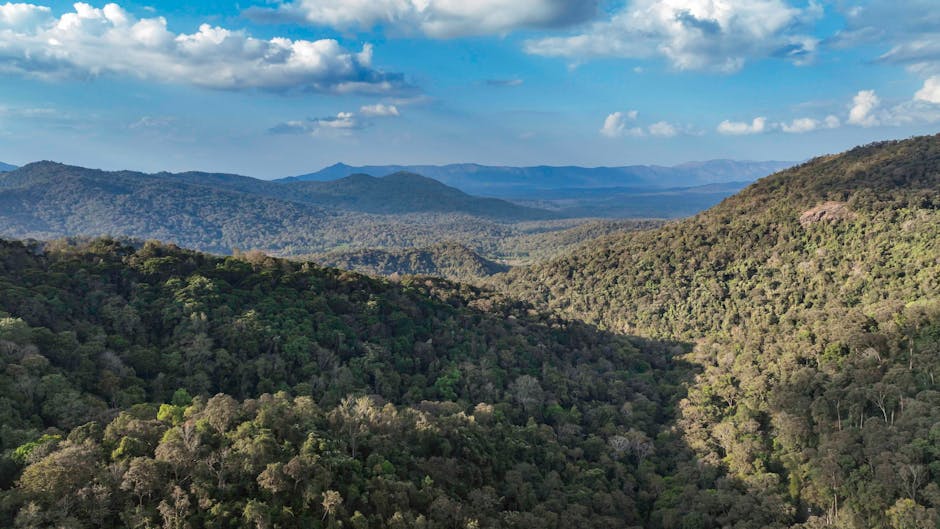
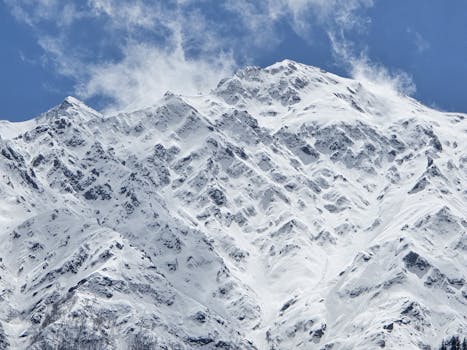
I still remember my first sunrise in Sangla, perched at over 8,800 feet in Himachal Pradesh’s Kinnaur district. As the golden light kissed the snow-capped Kinner Kailash range, I sipped hot chai with a local Kinnauri family who’d welcomed me into their home. That moment captured Sangla’s essence—raw, untouched beauty paired with warm hospitality. Nestled in the Baspa Valley, Sangla is a haven of apple orchards, gushing rivers, and ancient culture, making it a must-visit for anyone craving a break from the usual tourist traps. Whether you’re a family seeking tranquility, a couple on a romantic escape, or an adventurer chasing treks, Sangla delivers. In this guide, you’ll discover top attractions, practical Sangla itinerary ideas, budget travel tips to Sangla, and insider hacks from my 20+ years of exploring India’s hills. For similar serene vibes, check our Manali guide.
Why Visit Sangla? (Key Highlights)
- Breathtaking Himalayan Views: Snow-clad peaks of Kinner Kailash mesmerize every traveler.
- Untouched Natural Beauty: Pristine Baspa River and lush valleys offer pure serenity.
- Rich Kinnauri Culture: Experience local festivals, wooden temples, and traditional attire firsthand.
- Adventure Hub: Perfect for trekking, camping, and offbeat Himalayan explorations.
- Apple Orchard Walks: Stroll through fragrant orchards, especially during harvest season.
- Off-the-Beaten-Path Charm: Less crowded than Shimla or Manali, ideal for peace seekers.
- Unique Memory from My Travels: I once joined locals in a harvest festival, dancing to Kinnauri folk tunes under starlit skies—an unforgettable cultural immersion.
Top Attractions in Sangla
1. Sangla Valley
A picturesque expanse surrounded by towering peaks, it’s the heart of Kinnaur. Key features include apple orchards and panoramic views; no entry fee; best visited in spring (March-May); Insider Tip: Walk early morning to catch mist-covered valleys.
2. Baspa River
This crystal-clear river flows through Sangla, offering serene spots for picnics. Key features: calming waters, pebble beaches; no fee; best in summer; Insider Tip: Dip your feet at quieter downstream stretches for solitude.
3. Chitkul Village
Known as the last inhabited village near the Indo-Tibet border, it’s a cultural gem. Key features: traditional homes, stunning landscapes; no fee; best in autumn; Insider Tip: Chat with locals over tea for border tales.
4. Kinner Kailash Range
A sacred mountain range visible from Sangla, ideal for photography and spiritual vibes. Key features: snow peaks, trekking base; no fee; best in clear winters; Insider Tip: Use a zoom lens for dramatic shots at dawn.
5. Kamru Fort
A historic wooden fort atop a hill, showcasing Kinnauri architecture. Key features: ancient relics, valley views; entry INR 50 (2026 estimate); best in summer; Insider Tip: Climb slowly, the steep path is tricky.
6. Bering Nag Temple
A revered local temple dedicated to Lord Jagas, blending faith and architecture. Key features: intricate carvings, festivals; no fee; best during September festivals; Insider Tip: Attend the Phulaich Fair if visiting in autumn.
7. Rakcham Village
A quaint hamlet between Sangla and Chitkul, perfect for slow-paced exploration. Key features: rustic charm, river views; no fee; best in spring; Insider Tip: Stay overnight in a homestay for authentic vibes.
8. Trout Fishing Spots
Baspa River offers designated spots for angling enthusiasts. Key features: guided fishing, scenic settings; permit fee INR 500 (2026 estimate); best in summer; Insider Tip: Hire local guides for the best catch zones.
9. Tibetan Wood Carving Centre
A hidden spot to witness and buy intricate Kinnauri handicrafts. Key features: live carving demos, souvenirs; no fee; best anytime; Insider Tip: Bargain politely for unique wooden keepsakes.
10. Sangla Meadow
A sprawling green field ideal for camping and stargazing. Key features: open spaces, Himalayan backdrop; no fee; best in summer; Insider Tip: Pack a tent and enjoy a quiet night under the stars.
Detailed Guides for Top 3 Attractions
Sangla Valley
- History: Often called the Baspa Valley, it’s been a cultural hub for the Kinnauri tribe for centuries, with roots in ancient trade routes.
- Things to See/Do: Walk through apple orchards, photograph Himalayan vistas, enjoy picnics by small streams.
- Nearby Spots: Baspa River and Kamru Fort are a short trek away.
- Location & How to Reach: Central to Sangla town, accessible by foot or local taxis from the main market.
- Insider Tip: Visit during the apple harvest (August-September) to taste fresh, juicy varieties straight from the trees.
Baspa River
- History: A tributary of the Sutlej, it’s been a lifeline for Sangla’s agriculture and culture for generations.
- Things to See/Do: Relax by the riverbank, try trout fishing, capture reflections of peaks in the water.
- Nearby Spots: Sangla Meadow and Rakcham Village are within 5-10 km.
- Location & How to Reach: Runs through Sangla; walkable from most stays or a quick auto ride.
- Insider Tip: Avoid peak monsoon (July-August) as water levels rise; opt for calmer months.
Chitkul Village
- History: As the last Indian village before Tibet, it’s historically significant for border trade and defense.
- Things to See/Do: Explore wooden houses, visit the local temple, hike to nearby meadows.
- Nearby Spots: Baspa River viewpoint and Indo-Tibet border checkpost (viewable from a distance).
- Location & How to Reach: 24 km from Sangla; hire a shared taxi (INR 500 round trip, 2026 estimate).
- Insider Tip: Carry cash; there are no ATMs, and small shops prefer direct payments.
How to Reach Sangla
Sangla is remote but accessible with planning. The nearest airport is Shimla (Jubarhatti), 220 km away, with flights from Delhi costing INR 6,000-8,000 (2026 estimate) per person. The nearest railway station is Shimla, connected by the toy train from Kalka. From Shimla, Sangla is a 7-8 hour drive via NH-5 through Rampur. From Delhi (550 km), expect a 14-16 hour road trip; self-drive or hire a cab (INR 10,000-12,000 one-way, 2026 estimate). Buses from Delhi’s ISBT Kashmiri Gate to Reckong Peo (INR 1,000-1,500) followed by a taxi to Sangla (INR 1,500) are budget-friendly. Hilly roads are winding—carry motion sickness pills and avoid night drives.
Multi-Day Road Trip Circuits from Major Cities
As Delhi is the most common starting point for Himachal hill stations, I’ve crafted four diverse circuits to include Sangla, catering to different travel styles and durations.
Classic Kinnaur Circuit: Valleys + Culture
- Stops & Sequence: Delhi → Shimla (340 km, 7-8 hrs) → Rampur (130 km, 4 hrs) → Sangla (90 km, 3-4 hrs) → Chitkul (24 km, 1 hr) → return via same route.
- Why This Sequence: Logical progression along NH-5, with scenic stops at Shimla and Rampur before reaching Sangla’s core attractions.
- Total Duration: 5-7 days.
- Best For: Families and first-timers wanting a balanced mix of popular and offbeat spots.
- Tips: Book stays in Shimla in advance; NH-5 has tolls (INR 200 total); stop at Rampur for local snacks; check monsoon road conditions.
Extended Adventure Circuit: Himalayan Deep Dive
- Stops & Sequence: Delhi → Shimla (340 km, 7-8 hrs) → Rampur (130 km, 4 hrs) → Sangla (90 km, 3-4 hrs) → Chitkul (24 km, 1 hr) → Kalpa (40 km, 2 hrs) → Nako (100 km, 4 hrs) → return via Kaza if roads permit.
- Why This Sequence: Covers Kinnaur and parts of Spiti, maximizing Himalayan exploration without excessive backtracking.
- Total Duration: 10-12 days.
- Best For: Adventurers and trekkers seeking rugged terrains and remote villages.
- Tips: Carry extra fuel; roads beyond Chitkul are narrow; book guesthouses early in Nako; avoid winter due to snow blockages.
Budget/Quick Circuit: Weekend Getaway
- Stops & Sequence: Delhi → Shimla (340 km, 7-8 hrs) → Sangla (220 km, 7-8 hrs) → return via same route.
- Why This Sequence: Direct route focusing on Sangla as the main destination, minimizing travel time and costs.
- Total Duration: 3-4 days.
- Best For: Couples or small groups on a tight schedule and budget.
- Tips: Take overnight buses to save time (INR 1,000-1,500); pack light; focus on Sangla Valley and Baspa River.
Offbeat Alternative Circuit: Hidden Himachal
- Stops & Sequence: Delhi → Chail (360 km, 8 hrs) → Sarahan (170 km, 5-6 hrs) → Sangla (80 km, 3 hrs) → Chitkul (24 km, 1 hr) → return via Rampur-Shimla.
- Why This Sequence: Avoids mainstream Shimla crowds, offering lesser-known gems like Chail and Sarahan before Sangla.
- Total Duration: 7-9 days.
- Best For: Offbeat travelers and culture enthusiasts seeking unique stops.
- Tips: Sarahan’s Bhimakali Temple is a must-see; roads are quieter but narrower; carry offline maps as network dips.
Note: These circuits can be customized; always check live road conditions via Google Maps or Himachal tourism apps.
Best Time to Visit Sangla
Sangla shines across seasons, each offering a unique charm. Spring (March-May) brings pleasant weather (10-20°C) and blooming orchards, ideal for sightseeing. Summer (June) is warm (15-25°C), perfect for river activities. Monsoon (July-August) turns the valley lush but risks landslides—avoid unless you’re experienced. Autumn (September-November) offers clear skies (5-20°C) and harvest festivals, my personal favorite. Winter (December-February) sees snow (0 to -10°C), great for snow lovers but roads may close. Shoulder seasons (March-April, October-November) balance weather and fewer crowds for a peaceful Sangla itinerary.
Where to Stay in Sangla – Recommendations
- Budget: Baspa Riverside Camps – Affordable tents by the river (INR 1,500/night, 2026 estimate); stayed here for a raw nature vibe; book via Booking.com for deals.
- Mid-Range: Kinner Camps – Cozy cottages with valley views (INR 3,500/night); loved their bonfire nights; reserve on Booking.com.
- Luxury: Banjara Camps Sangla – Premium stays with modern amenities (INR 6,000/night); perfect for couples; book via Booking.com.
- Curated Stays: Browse unique homestays and boutique options on Unpaqd: Browse Unpaqd stays in Sangla
Trip Cost Breakdown (5-Day Trip for 2 People)
| Category | Cost (INR, 2026 Estimate) |
|---|---|
| Transport (Delhi-Sangla return, cab) | 22,000 |
| Stay (Mid-range, 4 nights) | 14,000 |
| Food (Local meals, 5 days) | 5,000 |
| Activities (Trekking, entry fees) | 2,000 |
| Miscellaneous (Souvenirs, tips) | 2,000 |
| Total | 45,000 |
Suggested Itineraries
3-Day Quick Trip
- Day 1: Arrive in Sangla by noon; explore Sangla Valley and Baspa River (evening sunset); overnight stay.
- Day 2: Morning trip to Chitkul Village (8 AM-1 PM); afternoon at Kamru Fort; relax at Sangla Meadow; overnight.
- Day 3: Quick orchard walk (7-9 AM); depart by noon. Budget Tip: Stick to local dhabas (INR 150/meal).
5-Day Immersive Experience
- Day 1: Reach Sangla; check-in; evening Baspa River stroll; overnight.
- Day 2: Full day Sangla Valley exploration (orchards, local market); overnight.
- Day 3: Day trip to Chitkul Village (8 AM-3 PM); evening at Sangla Meadow for stargazing; overnight.
- Day 4: Visit Kamru Fort and Bering Nag Temple (9 AM-2 PM); afternoon trout fishing; overnight.
- Day 5: Morning Rakcham Village visit; depart by noon. Budget Tip: Share taxis to Chitkul to save costs.
Ideal For
- Families: Safe, scenic spots with easy walks like Sangla Meadow.
- Couples: Romantic riverbanks and quiet village stays in Chitkul.
- Solo Adventurers: Challenging treks and cultural dives await.
- Nature Lovers: Unspoiled Himalayan vistas and orchards galore.
Safety, Permits & Local Etiquette
Sangla is generally safe, but hilly terrains demand caution—stick to marked paths during treks. No specific permits are needed for main attractions, though border areas like Chitkul may require ID checks; carry valid IDs. Winters can be harsh—pack thermals and check weather updates. For solo female travelers, Sangla feels welcoming; I’ve never faced issues, but stick to populated areas at night. Respect local customs—dress modestly near temples, ask before photographing people, and avoid littering. From my trips, I’ve learned to always greet with a smile; Kinnauris are warm if you show respect.
Hidden Tips from 20+ Years of Travel
- Sunset Spot: Head to the higher end of Sangla Meadow around 5:30 PM for magical golden hues.
- Local Eats: Try ‘Siddu’ (steamed bread) at small stalls near the market—best with ghee.
- Homestay Hack: Stay with Kinnauri families in Rakcham for authentic meals (INR 800/night, 2026 estimate).
- Avoid Traps: Skip overpriced souvenir shops near Kamru Fort; buy from village markets.
- Trekking Prep: Carry portable oxygen for high-altitude treks near Kinner Kailash; I’ve needed it once.
- Festival Timing: Plan for the Phulaich Fair (September) at Bering Nag Temple for cultural immersion.
- Network Woes: BSNL works best; carry offline maps as internet dips beyond Sangla town.
- Apple Souvenirs: Buy fresh apples directly from orchard owners in autumn—cheaper and tastier.
Frequently Asked Questions
Q: What are the top things to do in Sangla?
Sangla offers a mix of nature and culture with must-dos like exploring Sangla Valley for stunning Himalayan views and strolling along the Baspa River. Visit Chitkul Village, the last inhabited spot near the Indo-Tibet border, for a cultural peek. Don’t miss trekking near Kinner Kailash or enjoying apple orchard walks during harvest season.
Q: How to reach Sangla from major cities?
From Delhi, Sangla is 550 km, a 14-16 hour drive via Shimla on NH-5, or take a bus to Reckong Peo followed by a taxi. The nearest airport and railway station are in Shimla (220 km away), with cabs or buses connecting to Sangla. From Chandigarh, it’s a 10-12 hour drive (330 km). Always plan for hilly road delays and carry essentials.
Q: Is Sangla safe for solo travelers?
Yes, Sangla is generally safe for solo travelers, including women, based on my numerous visits. Locals are friendly, and crime rates are low, but stick to populated areas at night. Be cautious on treks—go with a group or guide if possible. Carry emergency contacts and inform your stay about your plans.
Q: What's the best time to visit Sangla?
The best time to visit Sangla is March to June for pleasant weather (10-25°C) and blooming orchards, or September to November for clear skies and festivals. Winters (December-February) are great for snow but risk road closures. Avoid monsoons (July-August) due to landslide risks unless you’re prepared for challenges.
Q: Do I need permits for Sangla attractions?
No specific permits are required for most Sangla attractions like Sangla Valley or Baspa River. However, near border areas like Chitkul, carry valid ID as security checks are common. For certain treks near Kinner Kailash, check with local authorities for temporary restrictions. Always have identification handy for smooth travel.
Q: How much does a trip to Sangla cost?
A 5-day trip for two from Delhi can cost around INR 45,000 (2026 estimate), covering transport, mid-range stays, food, and activities. Budget travelers can cut costs to INR 25,000-30,000 by using buses and homestays. Costs vary based on season and travel style—winters may increase stay prices. Plan with buffers for unexpected delays.
Q: What's a sample itinerary for Sangla?
For a 3-day Sangla itinerary, start with Sangla Valley and Baspa River on Day 1, then visit Chitkul Village and Kamru Fort on Day 2. Spend Day 3 exploring orchards before departing. Extend to 5 days to include Rakcham Village and trout fishing. Adjust based on your pace and interests.
Q: Budget stays in Sangla?
Budget stays in Sangla include Baspa Riverside Camps at around INR 1,500 per night (2026 estimate), offering basic tents with river views. Homestays in Rakcham Village cost INR 800-1,000 per night with meals included, providing an authentic experience. Book early during peak seasons like spring and autumn. Check platforms like Booking.com or local listings for deals.