Sainj Valley Uncovered: Ultimate Travel Guide & Expert Tips
The right stay. At the right price. Every time.
Find your perfect Himachal Pradesh stay on Unpaqd — with our AI search feature
Curated 4.5+ rated homestays, price-match guarantee, and zero commissions-so you never overpay or settle. Just describe your ideal stay, and we'll do the rest.
Explore stays on UnpaqdUltimate Guide to Sainj Valley – Expert Travel Tips
TL;DR Summary
- Discover Sainj Valley, a hidden Himalayan gem, with this ultimate travel guide.
- Best time to visit Sainj Valley: March to June for pleasant weather.
- Top attractions include Shangarh Meadows, Sainj Waterfall, and serene village trails.
- Ideal for nature lovers, trekkers, and families seeking peaceful escapes.
- Unique appeal: Untouched beauty and authentic Himalayan village culture.
- Must-try in Sainj Valley: Local cuisine and guided treks for immersive experiences.
Introduction to Sainj Valley
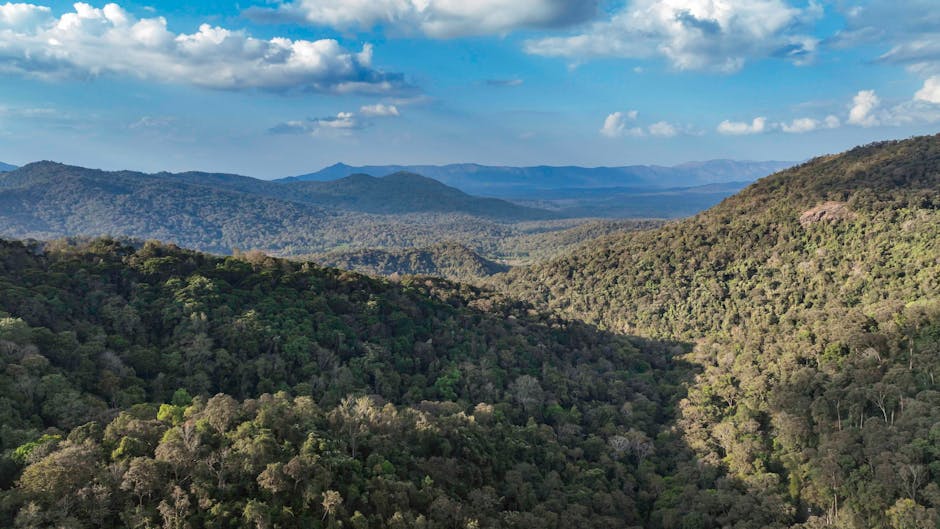
I still remember my first sunrise in Sainj Valley, perched on a grassy knoll near Shangarh, watching the golden light bathe the snow-capped peaks of the Great Himalayan National Park. Tucked away in Himachal Pradesh’s Kullu district, this lesser-known paradise feels like a secret whispered by the mountains. Sainj Valley isn’t just a destination; it’s an escape into raw, untouched nature, where the Parvati River gurgles alongside quaint villages and dense pine forests. Its rich history as a gateway to ancient trade routes and its vibrant local culture make it a treasure trove for curious travelers.
This hidden gem is perfect for adventurers craving treks, couples seeking solitude, and families wanting a serene getaway. In this guide, you’ll discover the top attractions, practical tips for a Sainj Valley itinerary, budget travel hacks, and more. If you love the vibes of offbeat Himalayan destinations, check our Manali guide for similar experiences.
Why Visit Sainj Valley? (Key Highlights)
- Breathtaking Himalayan Views: Witness panoramic vistas of snow-clad peaks and lush valleys.
- Untouched Natural Beauty: Unlike crowded hill stations, Sainj Valley offers pristine, unspoiled landscapes.
- Adventure Haven: Perfect for trekkers with trails leading to the Great Himalayan National Park.
- Cultural Immersion: Experience authentic Himachali life in villages like Sainj and Shangarh.
- Peaceful Retreat: Ideal for unplugging from city chaos with minimal tourist footprints.
- Wildlife Encounters: Spot rare Himalayan species if you’re lucky, especially near protected areas.
- Unique Fact from My Travels: During a local fair in Sainj village, I joined a traditional dance circle—hospitality here feels like family.
Top Attractions in Sainj Valley
1. Shangarh Meadows
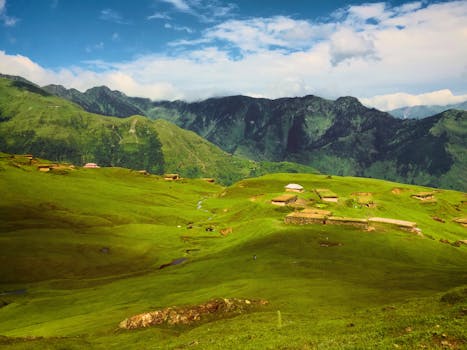
A postcard-perfect expanse of green surrounded by towering peaks, ideal for picnics. Key features: Vast open fields, wooden temples, and mountain views. Entry: Free. Best time: April to June for clear skies. Insider tip: Camp overnight under the stars—I did this in 2018, and the silence was magical.
2. Sainj Waterfall
A hidden cascade amidst dense forests, offering a refreshing dip. Key features: 30-minute trek to reach, serene pool at the base. Entry: Free. Best time: Monsoon for full flow (July-August). Insider tip: Wear sturdy shoes; the path gets slippery.
3. Great Himalayan National Park (GHNP) Entry Point
A UNESCO World Heritage site with rich biodiversity near Sainj. Key features: Trekking trails, wildlife spotting. Entry: INR 200 per person (2026 estimate). Best time: March to May. Insider tip: Hire a local guide for deeper forest insights.
4. Sainj Village
The cultural heart of the valley with traditional Himachali architecture. Key features: Stone houses, local markets. Entry: Free. Best time: Anytime. Insider tip: Try homemade siddu at a local dhaba.
5. Raktisar Trek Starting Point
A moderate trek offering stunning views of glacial streams. Key features: High-altitude meadows, river crossings. Entry: Free. Best time: May to October. Insider tip: Pack light but carry enough water.
6. Barshaini Village (Gateway to Kheerganga)
A nearby village with access to popular treks. Key features: Scenic river views, rustic charm. Entry: Free. Best time: Summer. Insider tip: Start early to avoid crowds on connecting trails.
7. Neuli Village
A quiet hamlet known for apple orchards and warm locals. Key features: Orchard walks, village life. Entry: Free. Best time: Autumn for harvest. Insider tip: Buy fresh apples directly from farmers.
8. Pundrik Rishi Temple
A small, ancient shrine with spiritual significance. Key features: Peaceful location, wooden carvings. Entry: Free. Best time: Anytime. Insider tip: Respect local customs; photography may be restricted.
9. Tirthan River Views
Crystal-clear river spots perfect for relaxation or fishing. Key features: Riverside camping, scenic beauty. Entry: Free. Best time: Summer. Insider tip: Ask locals for the best fishing spots.
10. Local Homestay Experiences
Stay with families to experience authentic Himalayan life. Key features: Home-cooked meals, cultural stories. Entry: INR 800–1500 per night (2026 estimate). Best time: Anytime. Insider tip: Book in advance during peak seasons.
Detailed Guides for Top 3 Attractions
Shangarh Meadows
- History: Shangarh is steeped in folklore, believed to be a sacred site for local deities, with ancient wooden temples dotting the area.
- Things to See/Do: Walk through endless meadows, photograph Himalayan peaks, visit the old Shangchul Mahadev Temple, and enjoy a quiet picnic.
- Nearby Spots: Sainj Waterfall (30-minute drive), local villages for cultural insights.
- Location & How to Reach: 15 km from Sainj town, accessible via a narrow but scenic road; taxis charge INR 500 one-way (2026 estimate).
- Insider Tip: Visit during early morning for mist-covered meadows; I’ve never seen anything more ethereal.
Sainj Waterfall
- History: A lesser-known natural wonder, this waterfall is tied to local tales of mountain spirits, revered by villagers.
- Things to See/Do: Trek to the base (easy 30-minute hike), take a dip in the chilly pool, and enjoy forest photography.
- Nearby Spots: Shangarh Meadows, Sainj Village for a quick meal stop.
- Location & How to Reach: 10 km from Sainj town; follow signboards for a short trek from the parking area.
- Insider Tip: Carry a raincoat during monsoon; the spray can drench you in seconds, as I learned the hard way!
Great Himalayan National Park (GHNP) Entry Point
- History: Established in 1984 and a UNESCO site since 2014, GHNP protects rare Himalayan flora and fauna.
- Things to See/Do: Embark on guided treks, spot wildlife like snow leopards (if lucky), and explore alpine meadows.
- Nearby Spots: Tirthan River for fishing, nearby villages for homestays.
- Location & How to Reach: Entry point at Ropa, 10 km from Sainj; accessible by taxi or personal vehicle.
- Insider Tip: Book permits in advance through the park office; I missed a trek once due to last-minute planning.
How to Reach Sainj Valley
Sainj Valley lies in Kullu district, Himachal Pradesh, and is accessible from major cities via multiple modes. The nearest airport is Bhuntar (Kullu-Manali Airport), 50 km away, with flights from Delhi costing INR 5,000–7,000 one-way (2026 estimate). The nearest railway station is Joginder Nagar (120 km), connected to Pathankot. From there, hire a taxi (INR 3,000–4,000) or take a local bus.
By road, Sainj Valley is 250 km from Delhi via NH44 and Kullu, taking 8–10 hours. Buses from Delhi’s ISBT to Kullu (INR 800–1,200) run overnight, followed by a taxi to Sainj (INR 1,500). From Chandigarh (200 km), expect a 6–7 hour drive. Hill driving tip: Roads are narrow post-Kullu; drive slow, especially during monsoon due to landslides.
Multi-Day Road Trip Circuits from Major Cities
Since Delhi is the most popular starting point for Himalayan getaways, I’ve curated four road trip circuits including Sainj Valley, catering to different traveler needs. These are based on real routes I’ve driven over the years.
Classic Kullu Circuit: Valleys & Spirituality
- Stops & Sequence: Delhi → Mandi (430 km, 9 hrs) → Kullu (40 km, 1.5 hrs) → Sainj Valley (30 km, 1 hr) → Manali (70 km, 2 hrs) → Delhi via same route.
- Why This Sequence: Covers iconic Himachal destinations with scenic NH44 drives, logical progression from lower to higher altitudes, and avoids backtracking.
- Total Duration: 5–7 days.
- Best For: Families and first-time Himachal explorers.
- Tips: Take NH44 for smoother roads; tolls around INR 500 total; stop at Mandi for riverside views; book Kullu-Manali stays early; monsoon roads can be tricky.
Extended Adventure Circuit: Himalayan Deep Dive
- Stops & Sequence: Delhi → Shimla (340 km, 7 hrs) → Narkanda (60 km, 2 hrs) → Rampur (60 km, 2 hrs) → Sainj Valley via Kullu (100 km, 4 hrs) → Tirthan Valley (20 km, 1 hr) → Jalori Pass (40 km, 2 hrs) → Delhi via Mandi.
- Total Duration: 8–10 days.
- Why This Sequence: Combines adventure (Jalori Pass treks) with offbeat valleys, offering a full Himachal experience without rushed stops.
- Best For: Adventure seekers and trekkers.
- Tips: Carry extra fuel; roads beyond Rampur are narrow; winter snow at Jalori Pass needs chains; stop at Narkanda for apple orchards.
Budget/Quick Circuit: Weekend Escape
- Stops & Sequence: Delhi → Chandigarh (250 km, 5 hrs) → Kullu via Mandi (200 km, 6 hrs) → Sainj Valley (30 km, 1 hr) → Back to Delhi same route.
- Total Duration: 3–4 days.
- Why This Sequence: Shortest feasible loop for a quick getaway, sticking to major highways for speed.
- Best For: Couples or groups on tight schedules.
- Tips: Start early from Delhi to avoid traffic; budget buses to Kullu save costs (INR 800); minimal stops keep it economical.
Offbeat Himalayan Circuit: Hidden Gems
- Stops & Sequence: Delhi → Chail (350 km, 8 hrs) → Kufri (20 km, 1 hr) → Rampur (100 km, 3 hrs) → Sainj Valley (100 km, 4 hrs) → Banjar (30 km, 1.5 hrs) → Delhi via Mandi.
- Total Duration: 6–8 days.
- Why This Sequence: Explores lesser-known spots like Chail and Banjar, paired with Sainj’s raw beauty, for a unique Himachal journey.
- Best For: Solo travelers and offbeat explorers.
- Tips: Roads to Chail are winding; pack snacks for remote stretches; Banjar has great homestays; check local weather updates.
Note: These circuits can be customized; always check live road conditions via Google Maps or Himachal tourism apps.
Best Time to Visit Sainj Valley
- Summer (March–June): Ideal for sightseeing and treks with pleasant weather (15–25°C); clear skies for mountain views.
- Monsoon (July–August): Lush greenery and full waterfalls, but landslides are common; temperature 18–22°C.
- Autumn (September–October): Crisp air, harvest season, and stunning foliage; perfect for photography (10–20°C).
- Winter (November–February): Snowfall transforms the valley into a white wonderland (0–10°C); great for snow lovers but roads may close.
- Shoulder Seasons: Late February or early November offer fewer crowds and mild weather.
Where to Stay in Sainj Valley – Recommendations
- Budget: Himalayan Homestay in Sainj Village (INR 800–1,200/night, 2026 estimate); simple rooms, warm hosts, home-cooked meals. I’ve stayed here twice for its authenticity. Book via Booking.com for deals.
- Mid-Range: Sainj Valley Retreat near Shangarh (INR 2,500–3,500/night); cozy cottages with valley views. Loved the morning tea on their balcony. Book via Booking.com.
- Luxury: Tirthan Himalayan Lodge near GHNP entry (INR 6,000–8,000/night); modern amenities, guided tours. Perfect for a splurge after a trek. Book via Booking.com.
- Curated Stays: Browse unique options on Unpaqd: Browse Unpaqd stays in Sainj Valley
Trip Cost Breakdown (5-Day Trip for 2 People)
| Category | Cost (INR, 2026 Estimate) |
|---|---|
| Transport (Delhi-Sainj-Delhi by bus+taxi) | 6,000 |
| Stay (Mid-range, 4 nights) | 12,000 |
| Food (Local meals, 5 days) | 5,000 |
| Activities (Trek fees, entry) | 2,000 |
| Miscellaneous (Snacks, tips) | 1,000 |
| Total | 26,000 |
Suggested Itineraries
3-Day Quick Trip
- Day 1 (Arrival): Reach Sainj by noon, check into homestay, explore Sainj Village (evening market). Budget tip: Eat at local dhabas (INR 150/meal).
- Day 2 (Nature Day): Morning at Shangarh Meadows (6 AM start for sunrise), afternoon at Sainj Waterfall. Pack lunch to save time.
- Day 3 (Departure): Quick visit to Tirthan River, depart by noon.
5-Day Immersive Experience
- Day 1: Arrive, settle in Sainj Village homestay, evening village walk.
- Day 2: Full day at Shangarh Meadows; picnic and photography (start 6 AM).
- Day 3: Trek to Sainj Waterfall (morning), relax by Tirthan River (afternoon).
- Day 4: Visit GHNP entry point for a short trek; book guide (INR 1,000).
- Day 5: Morning in Neuli Village for orchards, depart by afternoon.
Ideal For
- Families: Safe, serene environment with easy day trips and village experiences.
- Couples: Romantic meadows and quiet retreats for intimate getaways.
- Solo Adventurers: Offbeat treks and cultural immersion without tourist chaos.
- Trekkers: Access to GHNP and moderate trails like Raktisar.
Safety, Permits & Local Etiquette
- Safety: Roads are narrow; drive cautiously. Carry warm clothes for sudden weather changes. Solo female travelers: Stick to populated areas; locals are helpful but inform someone of your plans.
- Permits: Required for GHNP treks (INR 200/person); obtain at Ropa office or online.
- Etiquette: Respect temple customs (remove shoes, ask before clicking photos). Don’t litter; carry trash back. During my treks, I’ve seen locals frown on loud behavior—keep noise low.
Hidden Tips from 20+ Years of Travel
- Visit Shangarh during early spring for wildflower blooms—stunning and crowd-free.
- Bargain politely at local markets; I got handmade woolens for half the quoted price.
- Carry cash; ATMs are rare, and digital payments aren’t always accepted.
- Ask locals for “ghar ka khana” at homestays—my best meal was a spontaneous invite.
- Avoid peak weekends at GHNP entry; mid-week visits mean fewer trekkers.
- Sunset from a hill near Neuli is unreal—climb up with a local’s guidance.
- Pack reusable bottles; river water is potable if boiled, saving plastic waste.
- Connect with village kids; they often know secret trails for quick views.
Frequently Asked Questions
Q: What are the top things to do in Sainj Valley?
Sainj Valley offers a mix of nature and culture with Shangarh Meadows being a must-visit for its serene beauty and picnic spots. Trek to Sainj Waterfall for a refreshing experience, or explore the Great Himalayan National Park for wildlife and adventure. Don’t miss Sainj Village for authentic Himachali life and local cuisine. It’s perfect for relaxation or short hikes.
Q: How to reach Sainj Valley from major cities?
From Delhi, Sainj Valley is 250 km away, reachable via an 8–10 hour drive or overnight bus to Kullu (INR 800–1,200) followed by a taxi (INR 1,500). The nearest airport is Bhuntar (50 km), with flights from Delhi costing INR 5,000–7,000. From Chandigarh, it’s a 6–7 hour drive (200 km). Roads are narrow post-Kullu, so plan for extra travel time.
Q: Is Sainj Valley safe for solo travelers?
Yes, Sainj Valley is generally safe for solo travelers, with friendly locals and a peaceful vibe. However, stick to populated areas and inform someone of your plans, especially for treks. Women travelers should avoid isolated trails at night. I’ve traveled solo here and felt secure by following basic precautions.
Q: What's the best time to visit Sainj Valley?
The best time to visit Sainj Valley is March to June for pleasant weather (15–25°C) and clear mountain views, ideal for treks and sightseeing. Autumn (September–October) offers crisp air and foliage, while winter (November–February) brings snow. Monsoon (July–August) is scenic but risky due to landslides. Pick based on your activity preference.
Q: Do I need permits for Sainj Valley attractions?
Most attractions like Shangarh Meadows and Sainj Waterfall don’t require permits, being freely accessible. However, for treks within the Great Himalayan National Park, a permit costing INR 200 per person (2026 estimate) is mandatory, obtainable at the Ropa office or online. Always check specific trek rules in advance. I’ve faced delays without pre-booking, so plan ahead.
Q: How much does a trip to Sainj Valley cost?
A 5-day trip for two from Delhi can cost around INR 26,000 (2026 estimate), covering transport (INR 6,000), mid-range stay (INR 12,000), food (INR 5,000), and activities (INR 2,000). Costs vary based on travel mode and accommodation choice. Budget travelers can cut expenses by using buses and homestays. Luxury options will push costs higher.
Q: What's a sample itinerary for Sainj Valley?
For a 3-day quick trip, arrive on Day 1 and explore Sainj Village. Day 2, visit Shangarh Meadows for sunrise and Sainj Waterfall by afternoon. Depart on Day 3 after a Tirthan River stop. Check my detailed itineraries above for a 5-day immersive plan too.
Q: Budget stays in Sainj Valley?
Budget stays like Himalayan Homestay in Sainj Village cost INR 800–1,200 per night (2026 estimate), offering basic rooms and home-cooked meals. These are perfect for immersive cultural experiences. I’ve stayed here and loved the warmth of the hosts. Book early or check platforms like Booking.com for deals.