Rohru to Hanol Walks: Uncover India’s Hidden Trekking Gem Guide
The right stay. At the right price. Every time.
Find your perfect Himachal Pradesh stay on Unpaqd — with our AI search feature
Curated 4.5+ rated homestays, price-match guarantee, and zero commissions-so you never overpay or settle. Just describe your ideal stay, and we'll do the rest.
Explore stays on UnpaqdSummary
- Rohru to Hanol Walks: A serene hidden gem in Himachal.
- Perfect for offbeat treks amid untouched Himalayan beauty.
- Offers peaceful trails with breathtaking valley views.
- Authentic local culture in quaint mountain villages.
- Budget-friendly escape for nature lovers and adventurers.
- Ideal for a soulful, crowd-free getaway.
Rohru to Hanol Walks
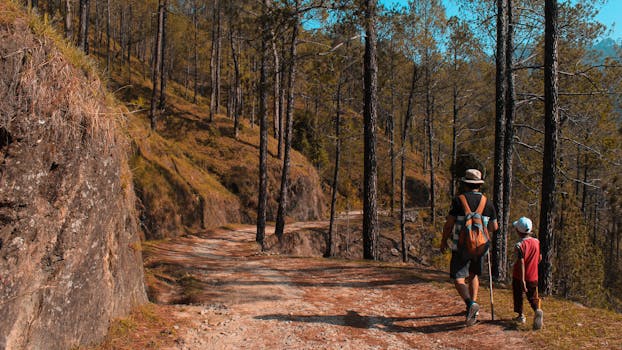
I still remember that crisp morning in Rohru, the sun just peeking over the snow-dusted peaks as I laced up my boots near the bustling little market by the Pabbar River. The air carried a faint whiff of pine and the distant sound of a temple bell. A local chaiwallah, Ramu Bhai, handed me a steaming glass for just Rs 10, grinning as he pointed toward the trail leading to Hanol. “Seedha jaao, sahib, nature ka khazana hai,” he said—go straight, it’s nature’s treasure. I hadn’t expected much, but that 18 km walk through silent forests and terraced fields felt like stepping into a forgotten world.
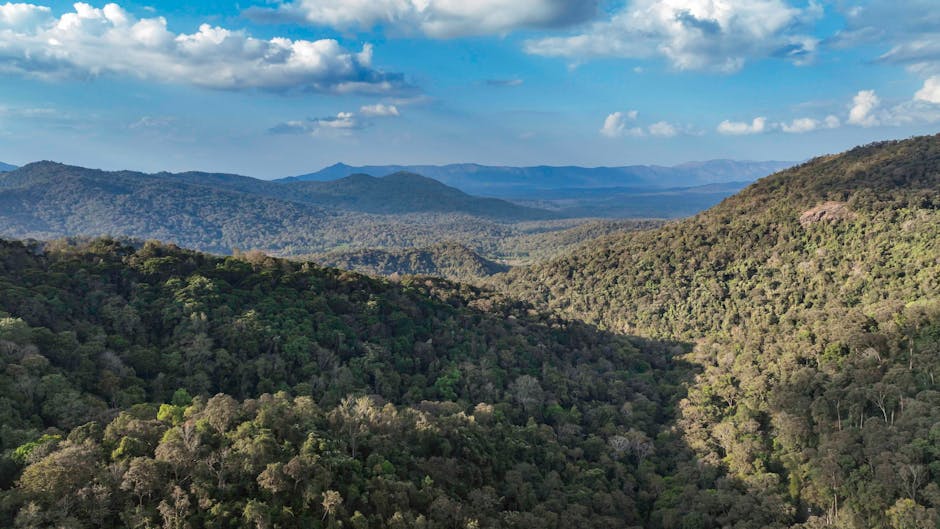
Rohru to Hanol is criminally underrated, often overshadowed by Shimla or Manali’s touristy chaos. What makes it special? It’s raw—untouched by commercial sprawl. You’ll pass villages like Pujarli, where kids wave shyly, and hear the gush of the Tons River long before you see it. The trail isn’t just a walk; it’s a quiet conversation with the Himalayas. Stick with me, and I’ll show you how to uncover this hidden slice of paradise.
Why Visit Rohru to Hanol Walks?
- Untamed Nature — Dense deodar forests and panoramic views of the Garhwal Himalayas mesmerize at every turn.
- Cultural Immersion — Witness ancient rituals at Hanol’s Mahasu Devta Temple, a spiritual hub for locals.
- Tranquil Escape — Far from crowded hill stations, find solitude on trails with barely another soul.
- Adventure Lite — Moderate walks suit beginners, with elevation gains under 500 meters per stretch.
- Local Flavors — Savor home-cooked pahadi meals like rajma-chawal for Rs 50 at tiny dhabas.
- Photographer’s Delight — Capture golden hour over terraced fields and misty river valleys.
- Affordable Journey — A full trip costs less than a weekend in mainstream destinations like Shimla.
Top Things to Do & See
Pabbar River Walk
Stroll along this crystal-clear river in Rohru for a calming start; dip your feet at the quieter bends near Hatkoti for a refreshing break locals swear by.
Mahasu Devta Temple
Explore this ancient wooden temple in Hanol, steeped in legends; ask the priest about the annual fair for insider stories on rituals.
Pujarli Village
Wander through this charming hamlet en route, where stone houses seem frozen in time; chat with villagers over chai at roadside stalls for local gossip.
Tons River Vista
Catch stunning views of the Tons River merging with the Pabbar near Tiuni; arrive at dusk for magical light only regulars know about.
Deodar Forest Trails
Trek through dense forests between Rohru and Hanol for pure serenity; look for hidden clearings locals use for picnics.
Hanol Market
Browse this tiny bazaar for handmade woolens and snacks; haggle at Shankar’s stall for shawls under Rs 300 as locals do.
How to Reach Rohru to Hanol Walks
Getting to Rohru, the starting point, is straightforward but requires a bit of planning since it’s off the typical tourist radar. The nearest airport is Jubbarhatti Airport in Shimla, about 110 km away. From there, hire a taxi for Rs 2,500–3,000 to Rohru, a 3.5-hour drive via NH-5 and the scenic Theog-Hatkoti Road. If you’re on a budget, take a state-run HRTC bus from Shimla’s ISBT Tutikandi to Rohru for Rs 200 per person, though the journey stretches to 4–5 hours due to winding roads and stops. Trains aren’t an option—the closest railway station is in Shimla, and you’d still need road transport.
From Delhi, drive 400 km via NH-44 and NH-5, passing through Chandigarh and Kalka, to reach Rohru in about 9–10 hours. Alternatively, overnight HRTC buses from Delhi’s Kashmiri Gate ISBT to Rohru cost Rs 600–800 per seat. Once in Rohru, the walk to Hanol is an 18 km trail, best covered on foot over 6–7 hours. You can also hire a shared jeep from Rohru’s main stand to Hanol for Rs 100 per person if trekking isn’t your thing—just ask for vehicles heading toward Tiuni. A private taxi for the stretch costs Rs 1,000. Keep some cash handy; ATMs are sparse beyond Rohru, and card payments are rare.
Pro tip: Start early from Rohru, around 6 AM, to avoid the midday sun on the trail. Carry water—there are only a couple of dhabas en route for refills.
Best Time to Visit
The sweet spot for Rohru to Hanol Walks is between March and May, when spring blooms paint the valleys in vibrant hues, and temperatures hover between 10°C and 20°C. It’s pleasant for long treks, with clear skies for those sweeping mountain views. September to November is another great window—post-monsoon, the air is crisp, and autumn foliage adds a golden charm, with temperatures from 8°C to 18°C. Winter, from December to February, brings snow and sub-zero chills, making trails slippery and best avoided unless you’re equipped for cold-weather trekking. Monsoon, June to August, is risky—landslides are common on these narrow mountain paths, and heavy rains can dampen the experience. Stick to shoulder seasons for safety and comfort.
Where to Stay
Accommodation along Rohru to Hanol is basic but cozy, catering to travelers seeking authenticity over luxury. Here are my picks across budgets, all within or near the main towns.
- Budget: In Rohru, Hotel Chanshal near the bus stand offers clean rooms for Rs 800–1,000 per night. Simple, no-frills, with hot water if you ask early.
- Mid-Range: Stay at Himalayan View Guest House in Rohru for Rs 1,500–2,000 per night. Rooms have small balconies overlooking the Pabbar River—perfect for morning tea.
- Boutique: Near Hanol, Tons Valley Homestay in Tiuni village provides a homely vibe for Rs 2,500 per night, including meals. Hosts share local stories over bonfires.
Book ahead during peak months, as options are limited. If you’re walking, plan to return to Rohru for the night unless you’ve arranged a stay in Hanol’s small guesthouses, often run by temple caretakers for Rs 500–700.
Trip Cost Breakdown (3-Day Trip for 2 People)
| Item | Cost |
|---|---|
| Accommodation (3 nights at mid-range) | Rs 4,500 |
| Food (meals at local dhabas) | Rs 1,800 |
| Transport (shared jeeps and bus from Shimla) | Rs 1,200 |
| Activities (temple donations, small purchases) | Rs 500 |
| Total | Rs 8,000 |
Suggested Itineraries
- 2-Day Quick Escape
- Day 1: Arrive in Rohru by noon via bus/taxi from Shimla. Check into a guesthouse, explore the Pabbar River banks by 3 PM, and enjoy a local dinner at a dhaba like Shyam’s near the market by 7 PM.
- Day 2: Start the Rohru to Hanol walk at 6 AM, reach Hanol by 1 PM, visit Mahasu Devta Temple, and return by shared jeep by 4 PM. Head back to Shimla by evening.
- 3-Day Deep Dive
- Day 1: Reach Rohru by midday, settle into accommodation, and spend the afternoon wandering the local market and riverfront till 5 PM. Dinner at a nearby eatery by 8 PM.
- Day 2: Begin the trek to Hanol at 6 AM, stop at Pujarli for chai by 9 AM, reach Hanol by 1 PM. Explore the temple and Tons River views till 4 PM, overnight in a basic guesthouse.
- Day 3: Morning stroll in Hanol market by 7 AM, return to Rohru by shared jeep by 10 AM, and catch a bus or taxi back to Shimla by afternoon.
Ideal For
- Nature enthusiasts craving quiet trails and pristine Himalayan landscapes.
- Budget travelers looking for an affordable yet enriching mountain escape.
- Cultural explorers eager to experience authentic pahadi traditions and temples.
- Beginner trekkers seeking manageable walks with rewarding scenery.
- Photographers hunting for untouched vistas and rural life shots.
Safety, Permits & Local Etiquette
- Inner Line Permit: Not required for Indian nationals; foreign travelers should carry valid ID and check with local authorities in Shimla for any specific permissions.
- Mobile Connectivity: Airtel and Jio work sporadically in Rohru; beyond that, signals drop. Hanol has near-zero network—inform family beforehand.
- Solo Female Traveller: Generally safe with friendly locals, but stick to daylight hours for treks. Avoid isolated stretches alone and dress modestly near temples.
- Do’s & Don’ts: Respect temple customs—remove shoes and cover shoulders. Don’t litter trails; carry trash back. Ask before photographing villagers. Bargain politely at markets.
Hidden Tips Only Repeat Visitors Know
- Carry cash in small denominations—shops and dhabas rarely have change for Rs 500 notes.
- Pack a light rain jacket even in dry seasons; sudden showers are common in the hills.
- Buy local honey from stalls near Hatkoti on the way to Rohru—Rs 200 for a small jar.
- Stop at tiny waterfalls en route to Hanol; locals use them for quick breaks but won’t tell you unless asked.
- Chat with temple caretakers in Hanol for free guided stories about Mahasu Devta’s history.
- Wear sturdy shoes with grip—trails get muddy after light rain near Pujarli.
- Stock snacks in Rohru; food options thin out after 2–3 km on the trail.
- Time your return trek to catch the last shared jeep from Hanol by 4 PM—later, you’re stuck.
Frequently Asked Questions
Q: Is Rohru to Hanol Walks worth visiting?
Absolutely, if you crave peace and raw Himalayan beauty away from tourist traps. The trail offers stunning views, cultural depth at Hanol’s temple, and a chance to unwind in nature. It’s a refreshing break for anyone tired of overcrowded hill stations.
Q: How many days are enough for Rohru to Hanol Walks?
A 2-day trip covers the essentials—trekking and key sights like the temple. However, 3 days allow a deeper dive into villages and relaxed exploration. Don’t rush; the journey is as rewarding as the destination.
Q: Is Rohru to Hanol Walks safe for solo female travellers?
Yes, it’s relatively safe with welcoming locals, but caution is key. Stick to daylight trekking, avoid isolated areas, and dress conservatively near villages and temples. Always inform someone about your plans since connectivity is poor.
Q: Which is better — Rohru to Hanol Walks or Shimla?
It depends on your vibe. Shimla offers urban comforts and crowded attractions, while Rohru to Hanol is raw, quiet, and nature-focused. If solitude and authentic experiences matter more, this walk wins hands down.
Q: Do I need permits for Rohru to Hanol Walks?
No permits are needed for Indian travelers; it’s an open route. Foreign visitors should carry passports and check with local police in Shimla for any advisories. Always have ID handy for random checks on highways.
Q: Is Rohru to Hanol Walks expensive?
Not at all—it’s incredibly pocket-friendly. A 3-day trip for two can cost under Rs 8,000, covering stay, food, and transport. Local meals and shared jeeps keep expenses low compared to mainstream destinations.