Rinchenpong
TL;DR Summary
- Rinchenpong: Sikkim's hidden gem waiting to be explored.
- Perfect for serene, offbeat Himalayan escapes.
- Offers stunning Kanchenjunga views without the crowds.
- Ideal for nature lovers and peace seekers.
- Budget-friendly with authentic local experiences.
- A quiet retreat far from tourist traps.
Rinchenpong
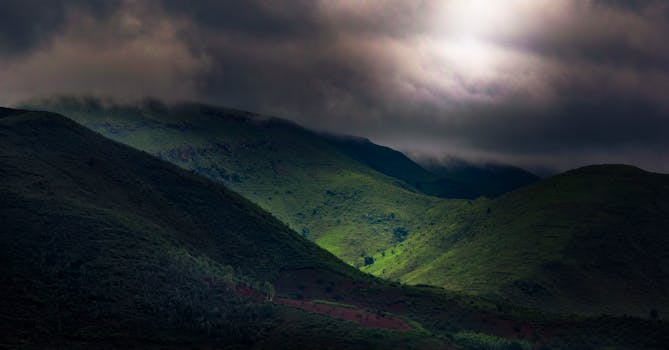
As I wound my way up the narrow, misty roads of West Sikkim, the world seemed to hush. My driver, a local with a perpetual grin, pointed to a cluster of houses perched on a ridge, surrounded by terraced fields and towering pines. “That’s Rinchenpong,” he said, as if revealing a well-kept secret. I stepped out to a view that stopped me cold—Kanchenjunga, the third-highest peak in the world, loomed in the distance, its snow-capped summit glowing under the morning sun. In that moment, I knew I’d stumbled upon a place untouched by the chaos of mainstream tourism. Rinchenpong, a quaint village at 5,500 feet, is a rare blend of raw Himalayan beauty and Lepcha-Bhutanese culture, yet it remains off most travelers’ maps.
Why is it so underrated? Sikkim’s spotlight often falls on Gangtok or Pelling, leaving Rinchenpong in the shadows. But that’s its charm—it’s a sanctuary for those willing to veer off the beaten path. Here, you’ll find silence interrupted only by birdsong, trails leading to forgotten monasteries, and locals who welcome you like family. In this guide, you’ll discover why Rinchenpong deserves a spot on your travel list, the best things to do, how to get there, where to stay, and insider tips to make your trip unforgettable.
Why Visit Rinchenpong?
- Untouched Serenity — Unlike bustling Gangtok, Rinchenpong offers pure peace with minimal tourist footprints.
- Kanchenjunga Panorama — Witness breathtaking, unobstructed views of the mighty peak from various vantage points.
- Rich Lepcha Culture — Immerse yourself in the traditions of the indigenous Lepcha community through festivals and homestays.
- Lush Biodiversity — Explore dense forests and terraced fields, home to rare Himalayan flora and fauna.
- Historical Charm — Visit ancient monasteries like Resum Gompa, steeped in Buddhist history and folklore.
- Offbeat Trails — Trek through hidden paths to nearby villages like Kaluk, far from crowded tourist circuits.
- Warm Hospitality — Experience authentic Sikkimese warmth with locals eager to share their stories and meals.
Top Things to Do & See
Resum Gompa
A 300-year-old monastery nestled amidst pine forests, offering spiritual solace and panoramic mountain views. Insider tip: Visit during early morning prayers to witness monks chanting in complete tranquility—few tourists know this timing.
Rinchenpong Monastery
This ancient Buddhist site is a treasure of intricate thangka paintings and serene vibes. Insider tip: Chat with the resident lama for lesser-known stories about the monastery’s connection to Lepcha folklore.
Poison Lake (Barsey Lake)
A mystical lake surrounded by legends of toxicity, set within the Barsey Rhododendron Sanctuary. Insider tip: Trek here in spring to see vibrant rhododendrons bloom—locals know the best unmarked trails.
Kaluk Village
A charming nearby village with stunning Kanchenjunga views and traditional wooden houses. Insider tip: Stop by a local home for a cup of chhaang, a fermented millet drink, if invited.
Sirijunga Falls
A hidden waterfall cascading through lush greenery, perfect for a quiet picnic. Insider tip: Ask locals for the shortest path—most maps don’t mark the quickest route.
Chayatal Lake
A serene, lesser-known lake surrounded by dense forests, ideal for introspection. Insider tip: Carry a picnic basket; there are no stalls nearby, which locals prefer for peace.
How to Reach Rinchenpong
Rinchenpong is tucked away in West Sikkim, but getting there is part of the adventure. The nearest airport is Bagdogra (IXB), about 125 km away, near Siliguri in West Bengal. From there, hire a taxi or take a shared jeep to Rinchenpong, which takes around 5–6 hours and costs approximately Rs 3,000–4,000 for a private cab or Rs 300–400 per person for a shared ride. The nearest railway station is New Jalpaiguri (NJP), also around 125 km away, with similar transport options and costs. If you’re driving, take the NH10 from Siliguri to Jorethang (3 hours), then a scenic but winding road via Legship to Rinchenpong (2–3 hours). The route offers stunning Teesta River views, but narrow roads demand caution. Public buses are scarce, so pre-booking a taxi is recommended for convenience.
Best Time to Visit
Rinchenpong shines brightest between March to May and October to November. During these peak months, the weather is pleasant (10°C to 20°C), skies are clear, and Kanchenjunga views are at their best. Spring (March–May) brings blooming rhododendrons, while autumn (October–November) offers crisp air and vibrant festivals. The shoulder season of late winter (January–February) can be chilly (5°C to 15°C) but rewards with fewer visitors and snowy peaks. Monsoon (June–September) sees heavy rainfall, making roads slippery and trekking risky, though the lush greenery is unmatched. Winters (December–January) are cold, often dipping to 2°C, with occasional snowfall—perfect for cozy indoor stays but not ideal for extensive exploration.
Where to Stay
Rinchenpong offers a handful of charming stays catering to different budgets, mostly concentrated in the main village or nearby Kaluk. For budget travelers, homestays like Yangsum Heritage Farm (near Rinchenpong village) provide basic rooms with authentic Lepcha meals for Rs 1,000–1,500 per night. For mid-range options, check into Cherry Resort in Kaluk, offering comfortable rooms with mountain views at Rs 2,500–3,500 per night. If you’re seeking a boutique experience, Rinchenpong Retreat in the village center blends modern amenities with traditional aesthetics, with tariffs around Rs 4,000–5,000 per night. Book in advance during peak seasons, as options are limited. Staying with locals in homestays often means insider tips on hidden trails and cultural events, adding depth to your trip.
Trip Cost Breakdown (3-Day Trip for 2 People)
| Item | Cost |
|---|---|
| Accommodation (mid-range) | Rs 9,000 |
| Food (local meals & cafes) | Rs 3,000 |
| Transport (taxi from Bagdogra & local) | Rs 7,000 |
| Activities (trekking & entry fees) | Rs 1,000 |
| Total | Rs 20,000 |
Suggested Itineraries
- 2-Day Quick Escape
- Day 1: Arrive by noon, check into your stay, and explore Rinchenpong Monastery (2 PM–4 PM). Enjoy sunset views of Kanchenjunga from a nearby ridge (5 PM–6 PM), followed by a cozy local dinner.
- Day 2: Start early with a visit to Resum Gompa (7 AM–9 AM), then head to Sirijunga Falls for a quick picnic (10 AM–1 PM). Depart by afternoon after lunch.
- 3-Day Deep Dive
- Day 1: Reach Rinchenpong by midday, settle in, and visit Rinchenpong Monastery (3 PM–5 PM). Spend the evening stargazing or chatting with locals over dinner (6 PM onwards).
- Day 2: Trek to Poison Lake via Barsey Rhododendron Sanctuary (8 AM–1 PM), return for lunch, then explore Kaluk Village for cultural insights (3 PM–5 PM).
- Day 3: Morning visit to Resum Gompa (7 AM–9 AM), followed by a leisurely stop at Chayatal Lake (10 AM–12 PM). Depart after lunch by 2 PM.
Ideal For
- Nature enthusiasts craving untouched Himalayan landscapes and quiet trails.
- Culture seekers eager to experience Lepcha and Bhutanese traditions firsthand.
- Solo travelers looking for safe, peaceful destinations with friendly locals.
- Couples desiring a romantic, offbeat getaway with stunning views.
- Small groups or families wanting an authentic, crowd-free mountain escape.
Safety, Permits & Local Etiquette
- Inner Line Permit: Indian nationals don’t need permits for Rinchenpong, but foreign visitors require an Inner Line Permit, obtainable at Sikkim entry points like Rangpo or online through authorized agents.
- Mobile Connectivity: Networks are patchy; BSNL works best, but don’t rely on consistent internet. Inform family of limited contact before arriving.
- Solo Female Traveller: Rinchenpong is generally safe with a close-knit community. Stick to known paths, avoid isolated treks at night, and dress modestly to respect local norms.
- Do's & Don'ts: Respect monastery rules—remove shoes, avoid loud chatter. Don’t litter; carry trash back. Ask permission before photographing locals or private homes. Support local vendors by buying handicrafts or produce.
Hidden Tips Only Repeat Visitors Know
- Carry cash; ATMs are scarce, and digital payments aren’t widely accepted in remote areas.
- Pack light woolens even in summer—mornings and evenings can get surprisingly chilly.
- Befriend locals at tea stalls for unadvertised trekking routes to nearby ridges.
- Visit during local harvest festivals for authentic dances and homemade food—ask for dates.
- Hire a local guide for treks; they know shortcuts and hidden viewpoints tourists miss.
- Try thukpa or momos from roadside shacks near the market for the freshest flavors.
- Buy organic local honey or cardamom as souvenirs—cheaper and purer than in cities.
- Keep a small torch handy; power cuts are common, especially during monsoon evenings.
Frequently Asked Questions
Q: Is Rinchenpong worth visiting?
Absolutely, if you seek serenity and raw Himalayan beauty. Rinchenpong offers unparalleled Kanchenjunga views, cultural depth, and a peaceful escape from tourist-heavy spots. It’s perfect for those who value quiet over chaos. Plan a short trip to see if it resonates with your travel style.
Q: How many days are enough for Rinchenpong?
A 2–3 day trip is ideal to cover major sights like Resum Gompa and Poison Lake. Two days suit a quick getaway, while three allow deeper exploration of nearby villages like Kaluk. Extend to four if you enjoy slow-paced treks. It depends on your interest in nature and culture.
Q: Is Rinchenpong safe for solo female travellers?
Yes, Rinchenpong is generally safe due to its small, friendly community. Stick to populated areas, avoid late-night solo treks, and respect local customs by dressing modestly. Locals are welcoming, but always trust your instincts and inform someone of your plans.
Q: Which is better — Rinchenpong or Pelling?
Rinchenpong is quieter and less commercialized, ideal for an offbeat experience with similar Kanchenjunga views. Pelling, being more developed, offers better infrastructure but attracts larger crowds. Choose Rinchenpong for peace, Pelling for convenience and more activity options.
Q: Do I need permits for Rinchenpong?
Indian nationals don’t require permits to visit Rinchenpong. Foreign travelers need an Inner Line Permit, easily obtained at Sikkim entry points or through travel agents. Ensure you carry valid ID proof. Check for updates before planning, as rules can vary for restricted zones nearby.
Q: Is Rinchenpong expensive?
No, Rinchenpong is quite budget-friendly compared to mainstream Sikkim destinations. Accommodation, food, and transport for a couple can cost around Rs 20,000 for a 3-day trip. Costs vary based on stay choices and travel mode. It’s a great value for an authentic Himalayan experience.