Raabdentse
TL;DR Summary
- Raabdentse: Sikkim's hidden historical gem waiting to be explored.
- Perfect for offbeat travelers seeking peace and culture.
- Offers stunning Himalayan views with minimal tourist crowds.
- Budget-friendly destination with rich heritage and nature.
- Ideal for history buffs and slow-paced adventurers.
- A serene escape from bustling popular spots.
Raabdentse
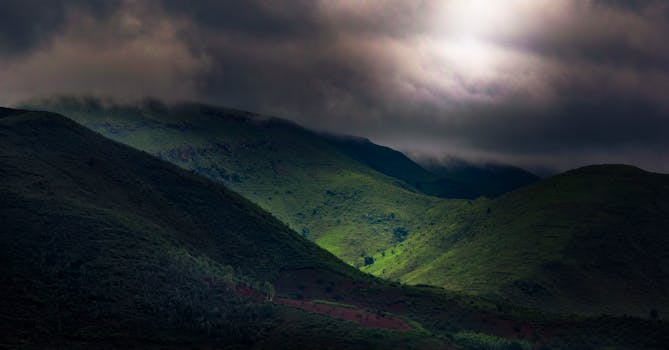
As I trekked through the misty trails of West Sikkim, the ruins of Raabdentse emerged like a forgotten whisper from the past. Once the second capital of the Sikkim Kingdom, this ancient site sat quietly atop a hill, surrounded by dense forests and framed by the mighty Kanchenjunga. I stood there, awestruck, as the wind carried echoes of a bygone era—palaces, monasteries, and royal intrigues seemed to come alive in the silence. What struck me most was the solitude; unlike Sikkim’s more popular spots, Raabdentse offered a rare, untouched glimpse into history without the chaos of selfie sticks or overcrowded viewpoints. It’s a place where time slows down, inviting you to soak in both nature and heritage. In this guide, you’ll discover why Raabdentse is an underrated treasure, top things to see, practical travel tips, hidden hacks, and everything you need to plan an unforgettable trip to this offbeat wonder.
Why Visit Raabdentse?
- Historical Significance — Raabdentse served as Sikkim’s capital from 1670 to 1814, offering a deep dive into the region’s royal past.
- Panoramic Views — Perched on a ridge, it provides breathtaking vistas of the Kanchenjunga range on clear days.
- Offbeat Charm — Far from touristy hubs, it promises solitude and an authentic cultural experience.
- Nature’s Embrace — Surrounded by lush forests, the site is perfect for serene walks and birdwatching.
- Spiritual Vibes — Nearby monasteries and sacred chortens add a layer of peace and reverence.
- Photographer’s Delight — The ruins against misty hills create dramatic frames for stunning captures.
- Cultural Insights — Local stories and relics reveal Sikkim’s lesser-known historical narratives.
Top Things to Do & See
Raabdentse Ruins
Wander through the ancient remains of Sikkim’s former capital, where stone walls narrate tales of royalty. Insider tip: Visit at sunrise for a magical golden glow on the ruins—few know this timing transforms the site.
Kanchenjunga Viewpoint
Gaze at the world’s third-highest peak from a vantage point near the ruins, a surreal Himalayan spectacle. Insider tip: Carry binoculars; locals often spot rare birds hovering near the peak.
Pemayangtse Monastery
Explore this nearby 17th-century monastery, a spiritual gem with intricate murals and serene vibes. Insider tip: Chat with resident monks for untold stories about Raabdentse’s royal connections.
Sangachoeling Monastery
Trek to this ancient hilltop monastery for panoramic views and a quiet meditative escape. Insider tip: Wear sturdy shoes—the short but steep trail is slippery after rain.
Tashiding Monastery
Visit this sacred site, believed to cleanse sins, nestled amidst stunning landscapes. Insider tip: Look for the hidden prayer wheels behind the main hall, often missed by visitors.
Khecheopalri Lake
Discover this wish-fulfilling lake, surrounded by myths and pristine beauty, a short drive away. Insider tip: Walk to the lesser-known viewpoint on the lake’s western side for uninterrupted peace.
How to Reach Raabdentse
Raabdentse is located in West Sikkim, near Pelling, a popular base for exploring the region. The nearest airport is Bagdogra Airport in Siliguri, West Bengal, approximately 160 km away. From there, hire a taxi or take a shared jeep to Pelling, which takes about 5–6 hours and costs around Rs 3,000–4,000 for a private cab or Rs 300–500 per person for shared transport. The nearest railway station is New Jalpaiguri (NJP) in Siliguri, also 160 km away, with similar travel times and costs to Pelling. By road, Pelling is well-connected to Gangtok (130 km, 4–5 hours) and Siliguri. From Pelling, Raabdentse is just 2 km away—a short 10-minute drive or a pleasant 30-minute walk. Local taxis in Pelling charge about Rs 200–300 for a round trip to the ruins.
Best Time to Visit
The ideal time to visit Raabdentse is during the spring (March to May) and autumn (September to November) shoulder seasons, when the weather is pleasant with temperatures ranging from 10°C to 20°C. These months offer clear skies for stunning Kanchenjunga views and comfortable conditions for trekking to the ruins. Winter (December to February) is colder, with temperatures dropping to 2°C–10°C, but the snow-dusted peaks are a visual treat if you’re prepared for chilly mornings. Monsoon (June to August) brings heavy rainfall, making trails slippery and access to the ruins challenging, though the lush greenery is mesmerizing. For the best balance of weather and fewer crowds, aim for late autumn or early spring.
Where to Stay
Accommodation options near Raabdentse are mostly in Pelling, a short distance away, catering to various budgets. For budget travelers, consider guesthouses like Hotel Sonamchen in Upper Pelling, with basic rooms starting at Rs 800–1,200 per night, offering clean stays and mountain views. For mid-range comfort, Hotel Garuda in Central Pelling is a reliable pick, with cozy rooms priced at Rs 2,000–3,000 per night, including breakfast and warm hospitality. If you’re seeking a boutique experience, check into The Elgin Mount Pandim in Upper Pelling, a heritage property with luxurious rooms at Rs 5,000–7,000 per night, surrounded by serene gardens and panoramic vistas. Book in advance during peak seasons to secure the best deals and availability.
Trip Cost Breakdown (3-Day Trip for 2 People)
| Item | Cost |
|---|---|
| Accommodation (Mid-range, 3 nights) | Rs 7,500 |
| Food (Meals for 3 days) | Rs 3,000 |
| Transport (Taxi from Bagdogra & local travel) | Rs 5,000 |
| Activities (Entry fees & local guides) | Rs 1,000 |
| Total | Rs 16,500 |
Suggested Itineraries
- 2-Day Quick Escape
- Day 1: Arrive in Pelling by noon, check into your hotel, and spend the afternoon exploring Raabdentse Ruins (2–3 pm). Enjoy sunset views of Kanchenjunga from a nearby viewpoint (4–5 pm). Dinner at a local eatery by 7 pm.
- Day 2: Start early with a visit to Pemayangtse Monastery (7–9 am), followed by a trip to Khecheopalri Lake (10 am–1 pm). Return to Pelling by afternoon and depart for your next destination.
- 3-Day Deep Dive
- Day 1: Reach Pelling by midday, settle into your accommodation, and visit Raabdentse Ruins in the late afternoon (3–5 pm). Relax with a quiet evening stroll in Pelling (6–7 pm).
- Day 2: Begin with a sunrise visit to Kanchenjunga Viewpoint (5–7 am), then explore Pemayangtse Monastery (8–10 am). Post-lunch, head to Sangachoeling Monastery for a short trek (1–3 pm). Return by evening.
- Day 3: Dedicate the morning to Khecheopalri Lake (8–11 am) and Tashiding Monastery (11:30 am–1:30 pm). Head back to Pelling by afternoon for departure.
Ideal For
- History enthusiasts eager to explore ancient ruins and royal legacies.
- Nature lovers seeking serene Himalayan landscapes and quiet trails.
- Solo travelers looking for safe, offbeat destinations with soulful vibes.
- Couples wanting a peaceful romantic getaway amidst stunning views.
- Photographers chasing dramatic frames of mountains and heritage sites.
Safety, Permits & Local Etiquette
- Inner Line Permit: Indian nationals don’t need permits for Raabdentse or Pelling, but foreign visitors require a Protected Area Permit, easily obtainable in Gangtok or at entry points like Melli.
- Mobile Connectivity: Network coverage is spotty at the ruins; major carriers work decently in Pelling, but don’t rely on data for navigation at remote spots.
- Solo Female Traveller: Raabdentse and Pelling are generally safe, with friendly locals. Stick to daylight hours for treks and avoid isolated trails after dark.
- Do's & Don'ts: Respect monastery rules by dressing modestly and removing shoes. Avoid littering at the ruins—carry trash back. Seek permission before photographing locals or monks.
Hidden Tips Only Repeat Visitors Know
- Visit Raabdentse early morning to avoid midday heat and catch mist over the ruins for an ethereal vibe.
- Carry cash—ATMs in Pelling can be unreliable, and card payments aren’t widely accepted.
- Pack light rain gear even outside monsoon; sudden showers are common in the hills.
- Hire a local guide for Raabdentse; their stories about royal intrigues aren’t in any guidebook.
- Try momos and thukpa at small roadside stalls in Pelling for authentic flavors under Rs 100.
- Walk from Pelling to Raabdentse instead of taking a taxi for hidden forest trails en route.
- Check local festival calendars in Pelling—small cultural events often coincide with monastery rituals.
- Bring a reusable water bottle; shops near the ruins are scarce, and hydration is key.
Frequently Asked Questions
Q: Is Raabdentse worth visiting?
Absolutely, Raabdentse is a must-visit for anyone craving history and solitude in Sikkim. Its ancient ruins, once a royal capital, offer a unique glimpse into the past. Pair that with stunning Himalayan views, and it’s a perfect offbeat escape. It’s ideal if you prefer quiet destinations over crowded tourist spots.
Q: How many days are enough for Raabdentse?
A 2-day trip is sufficient to explore Raabdentse and nearby attractions like Pemayangtse Monastery. However, a 3-day itinerary allows a deeper dive into surrounding lakes and monasteries at a relaxed pace. It depends on whether you’re combining it with other Sikkim destinations. Plan according to your interest in history and nature.
Q: Is Raabdentse safe for solo female travellers?
Yes, Raabdentse and Pelling are considered safe for solo female travelers. The locals are warm and helpful, and crime rates are low. Stick to well-trodden paths during daylight and avoid venturing into isolated areas alone at night for added precaution.
Q: Which is better — Raabdentse or Gangtok?
It depends on your travel style. Raabdentse offers a quiet, historical, and nature-focused experience, perfect for offbeat explorers. Gangtok, being Sikkim’s capital, is livelier with markets, nightlife, and more tourist amenities. Choose Raabdentse for peace and Gangtok for urban energy.
Q: Do I need permits for Raabdentse?
Indian nationals don’t require any permits to visit Raabdentse or Pelling. Foreign travelers, however, need a Protected Area Permit, which can be obtained in Gangtok or at border checkpoints like Melli. It’s a quick process, often arranged through travel agents or hotels. Always carry ID for verification.
Q: Is Raabdentse expensive?
No, Raabdentse is quite budget-friendly compared to other Sikkim destinations. Accommodation, food, and local transport costs are reasonable, with a 3-day trip for two costing around Rs 15,000–20,000. Entry to the ruins is free, and nearby attractions have nominal fees. It’s a great value-for-money destination.