Pulga: Uncover Himachal’s Hidden Hippie Haven – Complete Travel Guide
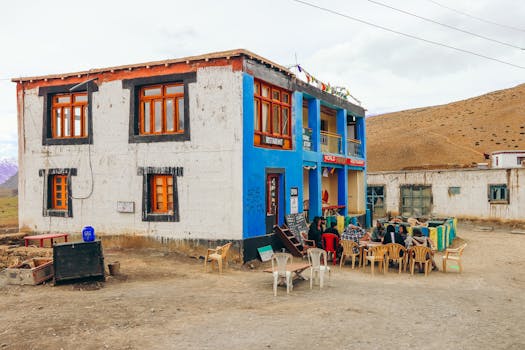
The right stay. At the right price. Every time.
Find your perfect Himachal Pradesh stay on Unpaqd — with our AI search feature
Curated 4.5+ rated homestays, price-match guarantee, and zero commissions-so you never overpay or settle. Just describe your ideal stay, and we'll do the rest.
Explore stays on UnpaqdSummary
- Pulga: A serene hidden gem in Himachal Pradesh.
- Perfect for offbeat travelers seeking untouched beauty.
- Offers peaceful vibes away from tourist crowds.
- Budget-friendly with authentic mountain experiences.
- Ideal for nature lovers and slow travel enthusiasts.
- A quiet escape with stunning Himalayan views.
Pulga
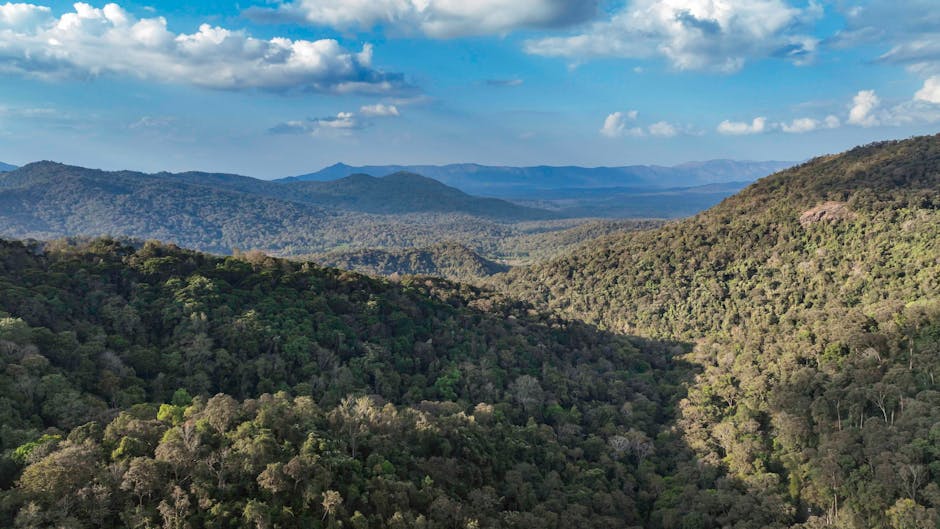
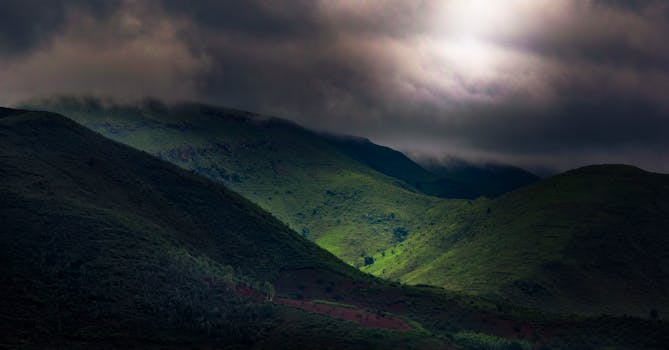
I still remember my first glimpse of Pulga, tucked away in the Parvati Valley, as the early morning mist clung to the pine-covered hills. It was around 7 a.m., and I had just trekked up a narrow, rocky trail from Barshaini, my breath visible in the crisp mountain air. A local chaiwallah, an old man with a weathered smile, handed me a steaming glass of tea for just Rs 10 near a small wooden shack. He pointed to the distant snow-capped peaks and said, "Yeh asli Himalay hai"—this is the real Himalaya. That moment stuck with me. Pulga isn’t on most travel itineraries, and that’s exactly why it’s magical. Unlike its more famous neighbors like Kasol or Manali, this tiny village offers raw, unfiltered beauty—think gushing rivers, apple orchards, and wooden houses that seem frozen in time. It’s a place where you can hear the wind whisper through the deodar trees without the noise of selfie sticks or honking cars. If you’re craving a slice of the Himalayas that hasn’t been Instagrammed to death, Pulga is your answer. Stick with me, and I’ll show you how to uncover its quiet wonders.
Why Visit Pulga?
- Untouched Serenity — Escape the chaos of popular hill stations with Pulga’s tranquil, crowd-free vibe.
- Parvati River Magic — The river’s constant roar becomes your soundtrack, especially mesmerizing at sunrise.
- Cultural Immersion — Interact with locals who live a simple life, untouched by commercial tourism.
- Hiking Haven — Trails to Kheerganga and Tosh start nearby, offering adventure without the usual tourist rush.
- Apple Orchard Views — Wander through lush orchards, a visual treat during the fruit-bearing season.
- Affordable Escape — Enjoy authentic experiences without the hefty price tag of mainstream destinations.
- Himalayan Panorama — Wake up to breathtaking views of snow-clad peaks from almost every corner.
Top Things to Do & See
Walk Along the Parvati River
Stroll beside the roaring Parvati River, where the turquoise waters carve through rugged boulders. Insider tip: Head to the small suspension bridge near the village entrance at dusk for the best light and solitude.
Explore Fairy Forest
Trek through the dense, mystical Fairy Forest, a short 2-km hike from Pulga, surrounded by towering pines. Insider tip: Look for hidden wooden benches carved by locals—perfect for a quiet picnic.
Visit the Ancient Narayan Temple
Discover this small, intricately carved wooden temple dedicated to Lord Narayan, radiating centuries-old charm. Insider tip: Chat with the temple caretaker, who often shares folklore if you show genuine interest.
Cafe Hopping at Local Shacks
Savor piping hot maggi and chai at tiny cafes like Mountain View Shack with panoramic valley vistas. Insider tip: Ask for their homemade rhododendron juice—a local specialty rarely found elsewhere.
Trek to Kheerganga
Embark on the iconic 12-km Kheerganga trek starting near Pulga, leading to natural hot springs. Insider tip: Start early by 5 a.m. to avoid the midday heat and enjoy a quieter trail.
Apple Orchard Strolls
Wander through sprawling apple orchards dotting the village, especially vibrant during harvest time. Insider tip: Buy fresh apples directly from farmers near the main trail for as low as Rs 50 per kg.
How to Reach Pulga
Getting to Pulga takes a bit of effort, but that’s what keeps it so pristine. The nearest major town is Bhuntar, about 45 km away, which has a small airport with sporadic flights from Delhi. Most travelers, including myself, prefer driving or taking a bus to Kasol first, a well-connected hub in Parvati Valley. From Delhi, you can hop on an overnight HRTC bus from ISBT Kashmere Gate to Bhuntar (around 12 hours, Rs 800–1000 per person). From Bhuntar, local buses or shared taxis to Barshaini via Kasol are available for Rs 100–150. The road, NH-3 up to Bhuntar and then narrower state roads, winds through stunning mountain scenery but can be bumpy, so brace yourself for a 2–3 hour ride from Bhuntar to Barshaini.
Barshaini is the last motorable point, about 3 km from Pulga. From here, it’s a short but steep trek on a rocky trail—no vehicles can go further. I’d recommend hiring a porter in Barshaini if you have heavy luggage; they charge around Rs 200–300 per bag. The trek takes about 40 minutes, passing small waterfalls and wooden bridges—keep an eye out for the “Welcome to Pulga” sign painted on a boulder. If you’re driving, follow NH-3 from Chandigarh to Bhuntar (220 km), then take the state road to Kasol and Barshaini. Parking in Barshaini is limited but safe, costing Rs 50 per day near the dam site. Travel tip: Avoid monsoon months for the trek as the path gets slippery; carry sturdy shoes year-round.
Best Time to Visit
Pulga shines brightest between March to June and September to November, when the weather is pleasant with temperatures ranging from 10°C to 25°C during the day. These shoulder and peak seasons are ideal for trekking and soaking in clear mountain views, with blooming flowers in spring and crisp autumn air later on. Summers are mild, perfect for long walks through orchards, while pre-winter months bring a golden hue to the landscape. Monsoon, from July to August, can be tricky—rain makes the trails to Pulga muddy and prone to landslides, though the lush greenery is unmatched if you’re willing to take the risk. Winters (December to February) dip to sub-zero at night, with snow transforming the village into a white wonderland, but access becomes challenging. Pack layers if you’re braving the cold.
Where to Stay
Pulga has limited but charming stay options catering to different budgets, mostly clustered near the main village trail. For budget travelers, guesthouses like Himalayan View offer basic rooms with shared bathrooms for Rs 500–800 per night—clean, no-frills, and often with balcony views of the valley. If you’re looking for mid-range comfort, try Orchard Hut, a cozy homestay near the apple orchards, charging Rs 1,200–1,500 per night with hot water and homemade meals on request. For a boutique experience, Boom Shankar Cafe & Stay provides quirky, well-decorated rooms with attached baths for Rs 2,000–2,500 per night, plus a cafe serving wood-fired pizzas. Book in advance during peak months as rooms fill up fast, especially the ones with river-facing views. Most stays don’t have online booking, so a quick call or WhatsApp to the owners works best.
Trip Cost Breakdown (3-Day Trip for 2 People)
| Item | Cost |
|---|---|
| Accommodation (mid-range) | Rs 4,500 |
| Food (meals & snacks) | Rs 3,000 |
| Transport (bus & local taxis) | Rs 2,500 |
| Activities (trekking & misc.) | Rs 1,000 |
| Total | Rs 11,000 |
Suggested Itineraries
- 2-Day Quick Escape
- Day 1: Arrive in Barshaini by noon, trek to Pulga (40 mins), check into your stay. Spend the afternoon walking along the Parvati River, and enjoy sunset at a local cafe like Mountain View Shack. Dinner at your homestay by 8 p.m.
- Day 2: Start early at 6 a.m. for a short hike to Fairy Forest, back by noon. Post lunch, visit Narayan Temple, then trek down to Barshaini by 3 p.m. for your return journey.
- 3-Day Deep Dive
- Day 1: Reach Barshaini by 11 a.m., trek to Pulga, and settle in. Explore nearby apple orchards till 4 p.m., followed by a riverside evening. Dinner at a local shack by 7:30 p.m.
- Day 2: Begin the Kheerganga trek at 5 a.m., reach the hot springs by noon, relax, and return to Pulga by 6 p.m. Rest with a quiet dinner at your stay.
- Day 3: Morning hike to Fairy Forest at 7 a.m., back by 10 a.m. Visit Narayan Temple, have lunch, and trek down to Barshaini by 2 p.m. for departure.
Ideal For
- Backpackers looking for unspoiled Himalayan destinations on a shoestring budget.
- Nature enthusiasts eager to explore dense forests and riverside trails.
- Trekkers seeking a base for Kheerganga and Tosh without the touristy chaos.
- Slow travelers wanting to disconnect and soak in authentic mountain life.
- Couples desiring a peaceful, romantic getaway amidst stunning scenery.
Safety, Permits & Local Etiquette
- Inner Line Permit: No permits are required for Indian nationals to visit Pulga. Foreign travelers should carry valid ID and visas, though no specific permits are needed for this area.
- Mobile Connectivity: Network coverage is spotty; BSNL works best, but don’t expect consistent 4G. Inform family before heading out as you might be out of touch for hours.
- Solo Female Traveller: Pulga is relatively safe, with friendly locals, but stick to main trails and avoid trekking alone at night. Travel in groups if possible, especially on longer hikes.
- Do's & Don'ts: Respect local customs—dress modestly near temples. Avoid littering; carry trash back to Barshaini. Don’t play loud music as it disrupts the village’s calm. Ask before photographing locals or their homes.
Hidden Tips Only Repeat Visitors Know
- Bargain for apples directly from farmers near the orchards; they’re fresher and cheaper than in Barshaini.
- Carry cash—there are no ATMs in Pulga, and digital payments rarely work due to poor connectivity.
- Pack a reusable water bottle; many cafes offer free refills from clean mountain streams.
- Visit the tiny “Mama’s Kitchen” shack for the best momos in the valley—only Rs 60 a plate.
- Trek to Fairy Forest during early morning for a chance to spot rare Himalayan birds.
- Buy local honey from roadside stalls in Barshaini on your way back—Rs 200 for a small jar.
- Avoid weekends if you want complete solitude; mid-week visits have fewer trekkers.
- Chat with locals over chai—they often share shortcuts to nearby hidden waterfalls.
Frequently Asked Questions
Q: Is Pulga worth visiting?
Absolutely, if you’re after an offbeat Himalayan escape. Pulga offers raw, untouched beauty with serene riversides and quiet trails, far from the commercialized vibe of Kasol or Manali. It’s a haven for anyone craving peace or a base for treks like Kheerganga.
Q: How many days are enough for Pulga?
Two to three days are ideal to soak in Pulga’s charm. A 2-day trip covers the village and nearby hikes, while 3 days let you tackle longer treks like Kheerganga. Any less, and you might feel rushed.
Q: Is Pulga safe for solo female travellers?
Pulga is generally safe with welcoming locals, but caution is key. Stick to main paths, avoid isolated treks after dark, and travel with a group if possible. Always inform someone about your plans due to patchy network coverage.
Q: Which is better — Pulga or Kasol?
It depends on your vibe. Pulga is quieter, less touristy, and perfect for nature and solitude, while Kasol has more amenities, cafes, and a lively backpacker scene. Choose Pulga for peace, Kasol for socializing.
Q: Do I need permits for Pulga?
No, Indian nationals don’t need any permits to visit Pulga. Foreign travelers should carry valid passports and visas, but no specific inner line permits are required for this region. Just ensure you have ID handy for checkpoints on the way.
Q: Is Pulga expensive?
Not at all—Pulga is very budget-friendly. Accommodation starts at Rs 500 per night, meals are around Rs 100–200, and transport costs are minimal. A 3-day trip for two can easily be done under Rs 12,000, excluding travel to Bhuntar.