Phobjikha Valley day-trip from India side
The right stay. At the right price. Every time.
Find your perfect West Bengal stay on Unpaqd — with our AI search feature
Curated 4.5+ rated homestays, price-match guarantee, and zero commissions-so you never overpay or settle. Just describe your ideal stay, and we'll do the rest.
Explore stays on UnpaqdSummary
- Phobjikha Valley: A serene hidden gem near India’s border.
- Perfect for an offbeat day-trip adventure.
- Offers unmatched peace amid stunning landscapes.
- Ideal for nature lovers seeking solitude.
- Budget-friendly with immense cultural value.
- A rare escape from crowded tourist spots.
Phobjikha Valley Day-Trip from India Side
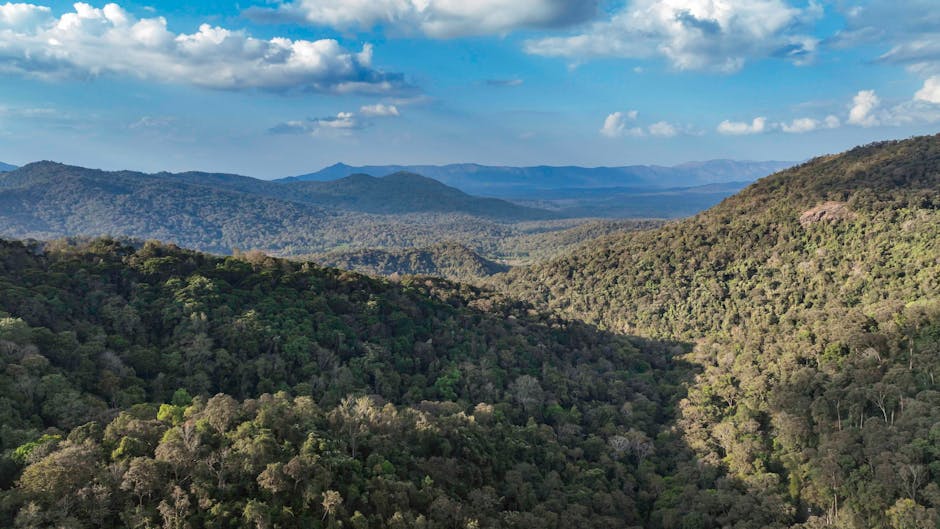
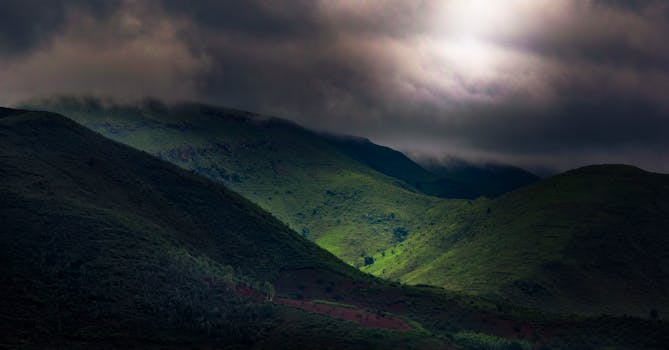
I still remember the first time I stumbled upon Phobjikha Valley, a pristine glacial valley nestled in Bhutan, just a heartbeat away from the Indian border. It was a spontaneous detour during a road trip through West Bengal, and I was utterly unprepared for the sight that greeted me—rolling meadows framed by snow-capped Himalayan peaks, with the air so crisp it felt like a cleanse for the soul. Unlike Bhutan’s more famous spots like Paro or Thimphu, Phobjikha remains untouched by mass tourism, a secret whispered only among seasoned travelers. What makes it truly special is its raw, unspoiled charm and the rare chance to witness the endangered Black-necked Cranes in their winter home. It’s a place where time slows down, and every moment feels like a meditation. In this guide, you’ll discover how to plan a perfect day-trip from the India side, top things to see, insider tips, and everything you need to make this journey unforgettable.
Why Visit Phobjikha Valley Day-Trip from India Side?
- Untouched Beauty — Phobjikha Valley offers sweeping vistas of green meadows and distant peaks, untouched by commercial sprawl.
- Black-necked Cranes — It’s one of the few places in the world to spot these majestic birds during their winter migration.
- Cultural Immersion — Experience authentic Bhutanese village life, with traditional homes and warm locals eager to share stories.
- Proximity to India — Easily accessible from West Bengal, making it a feasible day-trip for Indian travelers.
- Spiritual Serenity — The valley’s Gangtey Monastery exudes a calming aura, perfect for quiet reflection.
- Offbeat Appeal — Far from crowded tourist circuits, it promises a peaceful escape into nature.
- Eco-Conscious Travel — The valley is a protected area, emphasizing sustainable tourism and conservation.
Top Things to Do & See
Gangtey Monastery
Perched on a hillock, this 17th-century monastery offers breathtaking views and a deep dive into Bhutanese spirituality. Insider tip: Visit during early morning prayers to hear the monks chanting—it’s a soul-stirring experience.
Black-necked Crane Information Centre
A small yet insightful spot to learn about the valley’s famous winter visitors, the endangered cranes. Insider tip: Borrow binoculars from the centre for a closer look at the birds in the wetlands.
Phobjikha Valley Nature Trail
This short trail winds through pine forests and open meadows, showcasing the valley’s raw beauty. Insider tip: Look for hidden prayer flags along the path—they’re perfect photo spots.
Local Village Walks
Stroll through quaint villages to witness traditional Bhutanese architecture and daily life. Insider tip: Ask a local for a taste of homemade butter tea—it’s an acquired but authentic flavor.
Crane Observation Points
Dedicated viewpoints let you observe the elegant Black-necked Cranes without disturbing them. Insider tip: Dawn is the best time as the birds are most active then.
Photography at Longtey Village
Capture stunning panoramic shots of the valley from this lesser-known village nearby. Insider tip: Chat with farmers here for stories about crane folklore unique to the region.
How to Reach Phobjikha Valley Day-Trip from India Side
Phobjikha Valley lies in central Bhutan, but it’s surprisingly accessible for a day-trip from the Indian side, particularly from West Bengal. The nearest major Indian town is Jaigaon, bordering Bhutan’s Phuentsholing, which serves as the primary entry point for Indian travelers. The nearest airport is Bagdogra Airport (Siliguri), about 170 km from Phuentsholing, with frequent flights from Kolkata, Delhi, and Guwahati. The closest railway station is New Jalpaiguri (NJP), roughly 150 km from the border, well-connected to major Indian cities.
From Jaigaon/Phuentsholing, Phobjikha Valley is approximately 150 km by road. The best route is via Thimphu and Wangdue Phodrang, passing through scenic mountain roads and the Dochula Pass. The drive takes about 5-6 hours one way, so start early for a day-trip. Taxis from Phuentsholing to Phobjikha and back cost around Rs 6,000-8,000 for a private vehicle. Shared taxis are cheaper (Rs 500-700 per person), but less flexible. Indian vehicles are allowed up to a certain point in Bhutan with proper permits, though hiring a local taxi is more convenient for navigation.
Best Time to Visit
The ideal time to visit Phobjikha Valley for a day-trip is during the winter months, from November to February, when the Black-necked Cranes migrate to the valley. Temperatures during this peak season range from 0°C to 10°C, so pack warm layers. The landscape is stark yet stunning, with clear skies offering unobstructed Himalayan views. The shoulder seasons of March-April and September-October are also pleasant, with milder weather (5°C to 15°C) and fewer visitors, though you might miss the cranes. Monsoon, from June to August, brings heavy rainfall, making roads slippery and less ideal for a day-trip, though the valley turns lush green. Always check weather updates before planning, as mountain roads can be unpredictable.
Where to Stay
Since a day-trip implies returning to the India side, staying overnight in Phobjikha Valley might not be necessary. However, if you wish to extend your trip or arrive a day earlier near the border, here are some options around Phuentsholing or Jaigaon for convenience.
- Budget Pick: Hotel Bhutan Ga Me Ga (Jaigaon) — A no-frills stay near the border with clean rooms and easy access to Phuentsholing, costing Rs 1,200-1,500 per night.
- Mid-Range Pick: Hotel Druk (Phuentsholing) — A comfortable option with modern amenities and proximity to the border gate, priced at Rs 2,500-3,000 per night.
- Boutique Pick: Tashi Namgay Resort (Phuentsholing) — A slightly upscale choice with scenic views and excellent service, around Rs 4,000-5,000 per night.
If you choose to stay in Phobjikha Valley itself, options like Gangtey Lodge (luxury) or local guesthouses (budget) are available, though bookings must be made in advance due to limited availability.
Trip Cost Breakdown (3-Day Trip for 2 People)
| Item | Cost |
|---|---|
| Accommodation (2 nights in Jaigaon/Phuentsholing) | Rs 5,000 |
| Food (meals for 3 days) | Rs 3,000 |
| Transport (taxi from Phuentsholing to Phobjikha and back) | Rs 7,000 |
| Activities (entry fees, local guides) | Rs 1,000 |
| Total | Rs 16,000 |
Suggested Itineraries
- 2-Day Quick Escape
- Day 1: Arrive in Jaigaon/Phuentsholing by noon, complete border formalities (1-2 hours), check into accommodation, and explore local markets in the evening.
- Day 2: Start at 5 AM for Phobjikha Valley (5-6 hours drive), reach by 11 AM, visit Gangtey Monastery and crane observation points, have lunch, explore nature trails, and return by 4 PM to reach Phuentsholing by 10 PM.
- 3-Day Deep Dive
- Day 1: Arrive in Jaigaon/Phuentsholing by afternoon, handle border permits, check into hotel, and relax or visit nearby monasteries in the evening.
- Day 2: Depart at 5 AM for Phobjikha Valley, arrive by 11 AM, explore Gangtey Monastery, Black-necked Crane Centre, and village walks, have a leisurely lunch, and return by 4 PM to Phuentsholing by 10 PM.
- Day 3: Spend the morning shopping for Bhutanese souvenirs in Phuentsholing, enjoy a relaxed breakfast, and depart for India by noon.
Ideal For
- Nature enthusiasts who crave serene landscapes and birdwatching opportunities.
- Couples seeking a quiet, romantic getaway far from tourist crowds.
- Photographers looking for pristine Himalayan vistas and cultural shots.
- Solo travelers wanting a safe, introspective journey into the mountains.
- Families interested in short, educational trips with light activities.
Safety, Permits & Local Etiquette
- Inner Line Permit: Indian nationals don’t need a visa for Bhutan but must obtain an entry permit at the Phuentsholing border checkpoint. Carry valid ID (passport or voter ID) and complete formalities, which take 1-2 hours.
- Mobile Connectivity: Networks are spotty in Phobjikha Valley. Indian SIMs may not work; consider buying a local Bhutanese SIM in Phuentsholing for emergencies.
- Solo Female Traveller: The region is generally safe with friendly locals, but stick to daylight hours for travel and avoid isolated trails alone. Always inform someone of your itinerary.
- Do’s & Don’ts: Dress modestly, especially near monasteries. Seek permission before photographing locals. Avoid littering as the valley is a protected area. Respect crane habitats by maintaining distance.
Hidden Tips Only Repeat Visitors Know
- Start your day-trip as early as 4-5 AM from Phuentsholing to maximize daylight hours in Phobjikha.
- Carry cash in Bhutanese Ngultrum or Indian Rupees (accepted widely) as ATMs are scarce.
- Pack snacks and water—food options in the valley are limited to small local eateries.
- Wear sturdy shoes for nature trails; paths can be uneven after rain.
- Visit the crane centre first to get a map of the best observation spots.
- Bargain politely with taxi drivers in Phuentsholing for a better day-trip rate.
- If driving, refuel in Wangdue Phodrang—fuel stations beyond are unreliable.
- Chat with monks at Gangtey Monastery; they often share fascinating historical tidbits.
Frequently Asked Questions
Q: Is Phobjikha Valley day-trip from India side worth visiting?
Absolutely, if you’re seeking an offbeat escape with stunning natural beauty. The valley’s serene meadows and rare Black-necked Cranes make it unique. It’s also a cultural dive into Bhutanese life, far from commercial tourist traps.
Q: How many days are enough for Phobjikha Valley day-trip from India side?
A day-trip is feasible if you start early from Phuentsholing, giving you 5-6 hours in the valley. However, a 2-3 day trip allows a more relaxed pace. You can explore deeper and soak in the tranquility without rushing.
Q: Is Phobjikha Valley day-trip from India side safe for solo female travellers?
Yes, it’s generally safe with welcoming locals and minimal crime. Stick to daylight travel and avoid isolated areas alone. Inform your accommodation of your plans, and you’ll feel secure throughout the journey.
Q: Which is better — Phobjikha Valley day-trip from India side or Paro?
Phobjikha offers a quieter, nature-focused experience compared to Paro’s bustling tourist vibe. If you prefer solitude and birdwatching over iconic landmarks like Tiger’s Nest, Phobjikha wins. Paro suits those wanting more amenities and activities.
Q: Do I need permits for Phobjikha Valley day-trip from India side?
Indian nationals don’t need a visa but must get an entry permit at Phuentsholing border. Carry a valid ID like a passport or voter ID. The process is straightforward and takes about 1-2 hours at the checkpoint.
Q: Is Phobjikha Valley day-trip from India side expensive?
No, it’s quite budget-friendly for Indian travelers. A day-trip can cost under Rs 8,000 for two, including transport and food. Staying near the border keeps accommodation costs low compared to deeper Bhutan destinations.