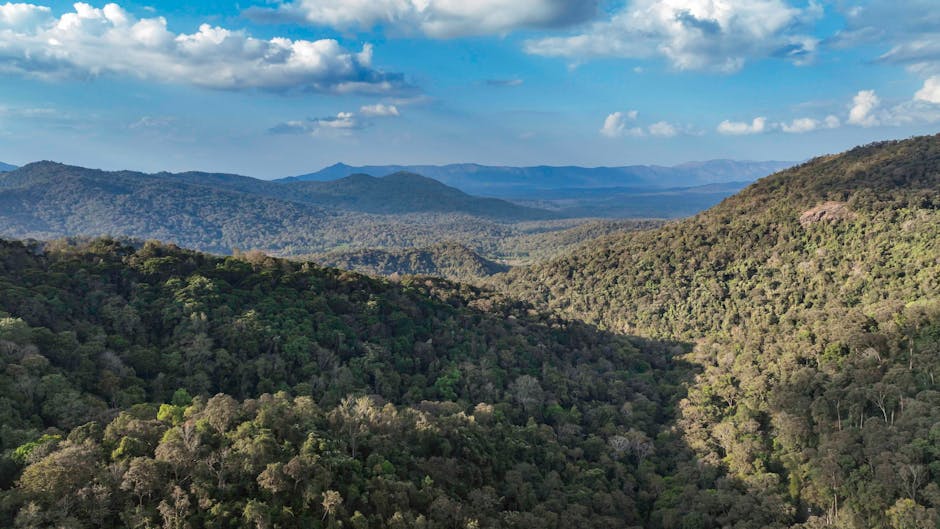
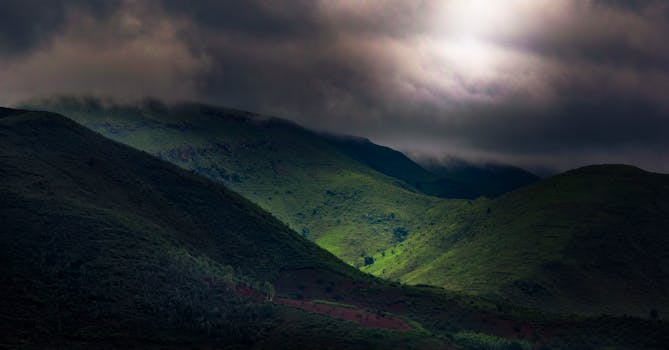
Pennar River Hidden Tents: India’s Secret Camping Gem – Travel Guide
The right stay. At the right price. Every time.
Find your perfect Karnataka stay on Unpaqd — with our AI search feature
Curated 4.5+ rated homestays, price-match guarantee, and zero commissions-so you never overpay or settle. Just describe your ideal stay, and we'll do the rest.
Explore stays on UnpaqdSummary
- Pennar River Hidden Tents: A true offbeat escape in Andhra Pradesh.
- Secluded riverside camping with untouched natural beauty.
- Perfect for peace-seekers craving solitude and adventure.
- Budget-friendly experience with authentic local vibes.
- Ideal for nature lovers and weekend getaways.
- A hidden gem far from tourist crowds.
Pennar River Hidden Tents
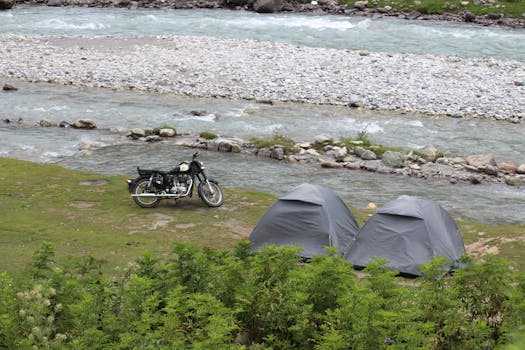
I still remember that late afternoon when I first stumbled upon Pennar River Hidden Tents. The sun was dipping low, casting a golden sheen over the calm waters of the Pennar River near Nellore, Andhra Pradesh. I had been driving aimlessly, looking for a quiet spot to unwind, when a local farmer near Kadapa pointed me toward this lesser-known camping site. The air smelled of damp earth and wildflowers, and the only sound was the gentle gurgle of the river. I pitched my tent under a sprawling banyan tree, and as night fell, the sky exploded with stars I hadn’t seen in years.
What makes this place so underrated is its sheer isolation—barely anyone knows about it, even among seasoned travelers in South India. Unlike the overcommercialized campsites near Hyderabad or Bangalore, here you’re truly alone with nature. The locals who run the basic tent setups are warm, often sharing stories over a cup of strong filter coffee brewed on a woodfire. It’s not just a campsite; it’s a slice of raw, unfiltered rural life. Stick with me as I unpack everything you need to know to experience this hidden treasure for yourself.
Why Visit Pennar River Hidden Tents?
- Raw Serenity — The Pennar River’s tranquil waters offer a meditative escape from urban chaos.
- Untouched Nature — Dense greenery and rare bird sightings make it a haven for wildlife enthusiasts.
- Cultural Immersion — Interact with local villagers who share folklore about the river’s history.
- Stargazing Paradise — Clear, unpolluted skies reveal constellations you’d miss in cities.
- Affordable Adventure — Camping here costs a fraction of mainstream destinations with equal charm.
- Off-the-Grid Vibe — No Wi-Fi, no crowds, just you and the wilderness.
- Riverfront Bliss — Wake up to the sound of flowing water right outside your tent.
Top Things to Do & See
Riverfront Sunrise Walk
Witness the first rays of sunlight kissing the Pennar River, painting the landscape in soft hues. Insider tip: Walk about 500 meters upstream near the old stone bridge for the best view—locals say it’s a sacred spot.
Birdwatching at Dawn
Spot kingfishers, egrets, and migratory birds flitting along the riverbanks in the early hours. Insider tip: Carry a small pair of binoculars and head to the thicket near the eastern bend—locals often guide you if asked.
Village Interaction
Spend an afternoon chatting with farmers and fisherfolk in nearby Chintalapalem village. Insider tip: Visit around 4 PM when they return from the fields; they might offer you fresh toddy if you’re polite.
Bonfire Storytelling
Gather around a crackling fire at night, swapping tales with fellow campers or locals. Insider tip: Ask the camp caretaker, usually a guy named Ravi, for ghost stories about the river—he’s a natural storyteller.
River Dipping
Take a refreshing dip in the shallow, clear waters of the Pennar during the day. Insider tip: Stick to the marked safe zones near the camp; locals warn against deeper patches downstream.
Photography Haven
Capture stunning landscapes, from misty mornings to vibrant sunsets over the river. Insider tip: The small hillock behind the tents offers a panoramic shot—climb up just before dusk for magic hour lighting.
How to Reach Pennar River Hidden Tents
Reaching Pennar River Hidden Tents requires a bit of effort, but that’s part of its charm. The nearest major city is Nellore, about 70 km away in Andhra Pradesh. If you’re flying in, the closest airport is Tirupati Airport (Renigunta), roughly 130 km from the site. From there, you can hire a taxi for about Rs 2,500–3,000 one way, or take a local bus to Nellore first (Rs 200 per person, 2.5 hours).
By train, Nellore Railway Station is well-connected to Chennai, Hyderabad, and Bangalore. From the station, hire an auto-rickshaw or taxi to the campsite area near Chintalapalem village—it’s a 1.5-hour drive costing around Rs 1,200–1,500.
For those driving, take National Highway 16 (NH-16) from Nellore towards Kadapa. After about 60 km, look for a small signboard near Buchireddypalem for Chintalapalem village. Turn right onto a narrow state road (unmarked, so keep an eye out for a tiny tea stall called Sri Lakshmi Tea Point as a landmark). From there, it’s a bumpy 10 km ride on a dirt track to the riverbank where the tents are set up. The total drive from Nellore takes around 2 hours. Parking is available near the camp for a nominal fee of Rs 50 per day.
Local tip: Carry cash, as there are no ATMs or digital payment options once you leave NH-16. Also, fill up your fuel tank in Nellore—there are no petrol pumps on the village route. If you’re unsure about the dirt track, ask for directions at Sri Lakshmi Tea Point; the owner, a friendly man named Suresh, often helps travelers.
Best Time to Visit
The ideal window to visit Pennar River Hidden Tents is between November and February when the weather is cool and pleasant, with temperatures ranging from 18°C to 28°C. This is peak season for camping, as nights are perfect for bonfires, and the river remains calm. March to May can get hot, with highs touching 38°C, though early mornings are still enjoyable if you can handle the heat.
The monsoon, from June to October, transforms the area into a lush green paradise, but heavy rains can make the dirt track to the camp inaccessible. The river also swells, so swimming or wading becomes risky. If you’re a rain lover, plan for the shoulder months like late October when showers are lighter, and the landscape is at its most vibrant. Always check local weather updates before heading out, as flash floods near the Pennar are not uncommon during heavy downpours.
Where to Stay
Accommodation at Pennar River Hidden Tents is basic but charming, managed by a small group of locals from Chintalapalem village. Here are your options:
- Budget: Basic Tent Camping — The core experience is pitching your own tent or renting one from the caretakers near the riverbank. Costs Rs 500–800 per night for two people, including a shared bonfire setup. Bring your own sleeping bags for extra comfort.
- Mid-Range: Pre-Set Tents with Amenities — Slightly better tents with basic bedding and a shared bathroom facility are available for Rs 1,200–1,500 per night. Book in advance through local contacts (ask for Ravi at the camp).
- Boutique: Homestay in Chintalapalem Village — For a more comfortable stay, opt for a homestay 2 km away in the village. Rooms with attached baths and home-cooked meals cost Rs 2,000–2,500 per night. Look for “Sai Nivas Homestay” near the village temple.
Pro tip: Space is limited, especially during weekends, so call ahead to confirm availability. Most places don’t have online booking systems, so direct contact is the way to go.
Trip Cost Breakdown (3-Day Trip for 2 People)
| Item | Cost |
|---|---|
| Accommodation (Basic Tent Camping) | Rs 2,400 |
| Food (Local Meals & Snacks) | Rs 1,800 |
| Transport (Taxi from Nellore & Back) | Rs 3,000 |
| Activities (Guided Walks & Bonfire) | Rs 800 |
| Total | Rs 8,000 |
Note: Costs are approximate and can vary based on transport mode and personal spending. Food includes simple meals like rice, dal, and fish curry from local vendors near the camp.
Suggested Itineraries
- 2-Day Quick Escape
- Day 1: Arrive by noon, set up camp, and relax by the river. Enjoy a sunset walk at 5 PM and a bonfire with locals at 8 PM.
- Day 2: Wake up for a 6 AM sunrise and birdwatching session. Have breakfast by 9 AM, dip in the river at 11 AM, and depart by 2 PM.
- 3-Day Deep Dive
- Day 1: Reach by midday, settle into your tent, and explore the riverbank till 6 PM. End with a bonfire and storytelling at 8 PM.
- Day 2: Start with a 6 AM sunrise walk, followed by birdwatching till 9 AM. Visit Chintalapalem village at 3 PM for local interactions, and return for a quiet evening.
- Day 3: Swim in the river at 10 AM, pack a picnic lunch by the hillock at noon, and leave by 3 PM after capturing final photos.
Ideal For
- Nature enthusiasts looking for untouched landscapes and wildlife.
- Couples seeking a romantic, secluded getaway under the stars.
- Solo travelers craving peace and introspection away from crowds.
- Small groups of friends wanting a budget-friendly camping adventure.
- Photographers aiming to capture raw rural and riverine beauty.
Safety, Permits & Local Etiquette
- Inner Line Permit: No special permits are required for Indian nationals or foreigners to visit this area. Just carry a valid ID for identification if asked by local authorities.
- Mobile Connectivity: Network coverage is spotty at best. BSNL works intermittently near the camp, but don’t rely on it. Inform family or friends about your travel plans beforehand.
- Solo Female Traveller: The area is generally safe, with friendly locals, but it’s remote. Travel with a companion if possible, avoid wandering alone at night, and stick to the camp vicinity.
- Do's & Don'ts: Respect local customs—dress modestly in the village. Don’t litter, especially near the river. Ask permission before photographing locals. Avoid loud music or disruptive behavior at the campsite.
Hidden Tips Only Repeat Visitors Know
- Carry a portable solar charger—there’s no electricity at the camp, and nights are long.
- Pack lightweight mosquito repellent; the riverbank can get buggy after dusk.
- Buy fresh fish from local fishermen near the camp for Rs 100–150 per kg—they’ll even grill it for you.
- Bring extra cash; the nearest ATM is back in Buchireddypalem, 10 km away.
- Wear sturdy shoes for river walks—rocks can be slippery near the water’s edge.
- Ask locals for the best swimming spot; they know hidden shallow pools safer than the main stream.
- Carry a small hammock to string between trees—perfect for lazy afternoons by the river.
- Visit the tiny roadside shrine near the camp entrance; locals believe it brings good luck to travelers.
Frequently Asked Questions
Q: Is Pennar River Hidden Tents worth visiting?
Absolutely, if you’re seeking a break from the usual tourist traps. This spot offers pure solitude, stunning river views, and a chance to disconnect completely. It’s ideal for anyone who values nature over luxury. Just don’t expect five-star amenities—it’s all about the raw experience.
Q: How many days are enough for Pennar River Hidden Tents?
A 2-day trip is perfect for a quick recharge, covering the main highlights like sunrise walks and bonfires. If you want to soak in the village culture and relax deeper, aim for 3 days. Anything longer might feel repetitive unless you’re a hardcore nature buff.
Q: Is Pennar River Hidden Tents safe for solo female travellers?
It’s relatively safe due to the welcoming locals, but the remote location means you should take precautions. Stick to the camp area, avoid isolated walks after dark, and ideally travel with someone. I’ve met solo women travelers who felt comfortable, but they always stayed cautious.
Q: Which is better — Pennar River Hidden Tents or Dandeli?
Pennar River Hidden Tents wins for pure isolation and budget-friendly camping with zero commercialization. Dandeli, in Karnataka, has more adventure activities like rafting but is far more crowded and expensive. Choose Pennar if peace is your priority; pick Dandeli for adrenaline-packed trips.
Q: Do I need permits for Pennar River Hidden Tents?
No permits are required for this location, whether you’re an Indian or foreign traveler. It’s an open area managed by locals with no restricted access. Just carry a government-issued ID for general safety checks if authorities stop by. That’s usually more than enough.
Q: Is Pennar River Hidden Tents expensive?
Not at all—it’s one of the most affordable offbeat destinations in South India. A 3-day trip for two can cost under Rs 8,000, including stay, food, and transport from Nellore. Costs depend on how you travel and eat, but it’s generally very pocket-friendly. Luxury isn’t the goal here; authenticity is.