Pangi Valley Treks: Uncover India’s Hidden Himalayan Gem – Complete Guide
The right stay. At the right price. Every time.
Find your perfect Himachal Pradesh stay on Unpaqd — with our AI search feature
Curated 4.5+ rated homestays, price-match guarantee, and zero commissions-so you never overpay or settle. Just describe your ideal stay, and we'll do the rest.
Explore stays on UnpaqdSummary
- Pangi Valley: A pristine, untouched gem in Himachal Pradesh.
- Perfect for offbeat treks with jaw-dropping Himalayan views.
- Secluded and peaceful, far from tourist crowds.
- Offers raw, rugged beauty at budget-friendly costs.
- Ideal for adventurers seeking authentic mountain experiences.
- A rare blend of serenity and thrilling trails.
Pangi Valley Treks
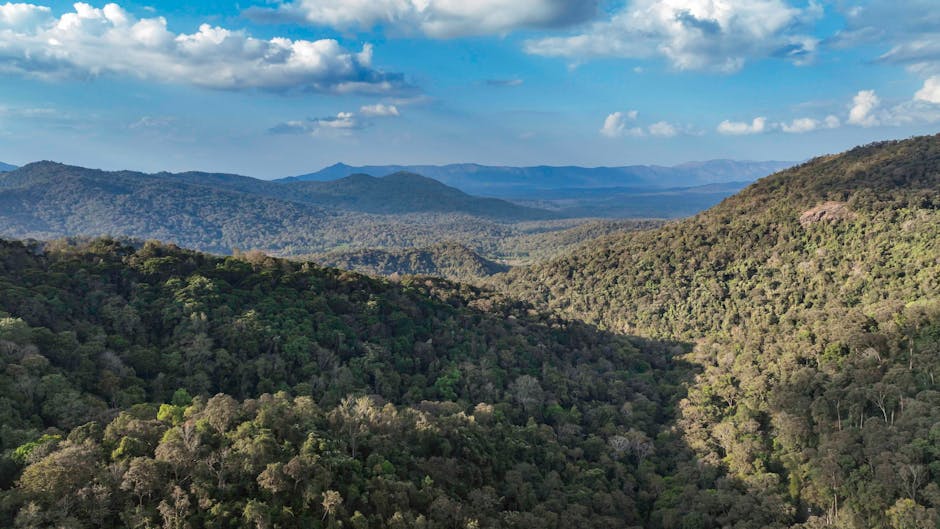
I still remember the first time I stumbled upon Pangi Valley. It was late afternoon, the golden light spilling over the jagged peaks as I bumped along a narrow dirt track near Killar, the main town. My rented bike sputtered, and I stopped by a tiny tea stall run by a cheerful local named Ramesh. He handed me a steaming glass of chai for just Rs 10 and pointed toward the distant trails, saying, “Yahan ki sadak aur pahad dono dil chura lenge” — the roads and mountains here will steal your heart. He wasn’t wrong. Tucked away in the remote Chamba district of Himachal Pradesh, Pangi Valley is one of those places you don’t just visit; you feel it. It’s criminally underrated, often overshadowed by more accessible spots like Manali or Shimla, but its untouched landscapes, serene villages like Hudan, and challenging treks make it a paradise for anyone craving solitude. From crossing the roaring Chenab River to trekking through pine-scented forests, this valley is raw, real, and unforgettable. Stick with me, and I’ll show you how to uncover its hidden trails and secrets.
Why Visit Pangi Valley Treks?
- Untouched Wilderness — Pangi Valley remains largely unexplored, with vast stretches of alpine meadows and untouched forests.
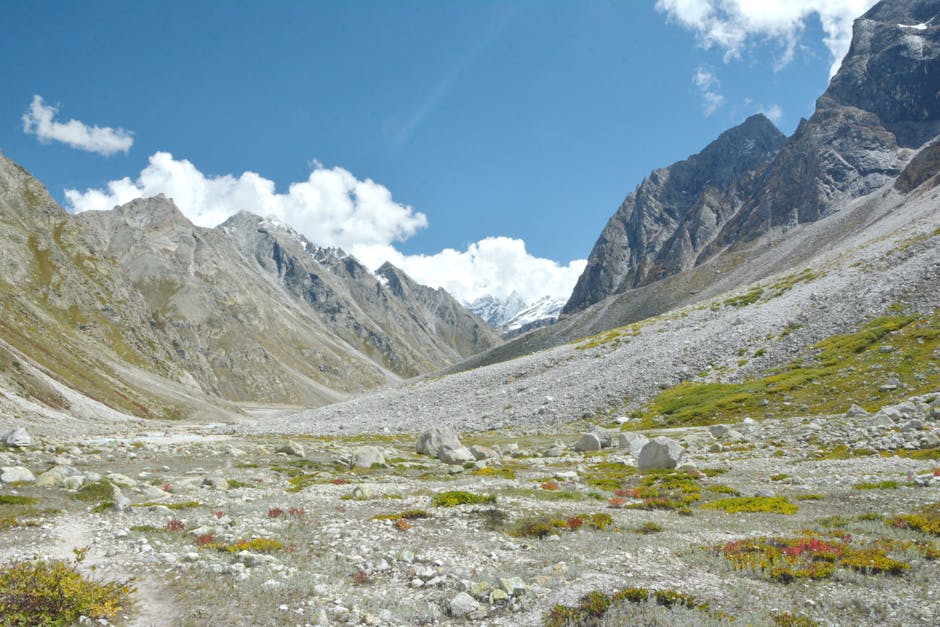
- Thrilling Treks — Trails like the Hudan Valley trek offer moderate to challenging routes with panoramic views of snow-capped peaks.
- Cultural Immersion — Interact with the warm Gaddi shepherds and witness their nomadic lifestyle near villages like Sural.
- Remote Solitude — Unlike crowded hill stations, Pangi offers peace with barely any tourist footprint, especially around Killar.
- Stunning River Vistas — The Chenab River cuts through the valley, creating dramatic gorges visible from trails like Sach Pass.
- Affordable Adventure — Trekking and staying here costs a fraction compared to popular Himalayan destinations.
- Photographer’s Dream — Capture rugged cliffs, cascading waterfalls, and vibrant wildflowers on every trail turn.
Top Things to Do & See
Sach Pass Trek
This high-altitude pass at 4,420 meters offers breathtaking views of the Pir Panjal range. Insider tip: Stop at the small dhaba just before the pass for their famous rajma-chawal for Rs 80 a plate.
Hudan Valley Trek
A lesser-known trail leading to serene meadows and shepherd huts, perfect for a quiet escape. Insider tip: Carry cash; locals near Hudan Bhatori sell fresh sheep milk for Rs 50 a glass.
Killar Village Exploration
The heart of Pangi, Killar is a quaint base with traditional mud houses and friendly faces. Insider tip: Visit the tiny market near the bus stand for handmade woolen socks at Rs 150 a pair.
Chenab River Walks
Stroll along the riverbanks for dramatic views of gorges and crystal-clear water. Insider tip: Early mornings near Cherry village reveal misty river views that are pure magic.
Sural Bhatori Trek
A moderate trek through dense forests leading to a hidden valley with ancient temples. Insider tip: Ask locals in Sural for directions to a secret waterfall nearby; they’ll guide you for free.
Mindhal Basan Devi Temple Trek
A spiritual journey to a sacred site surrounded by towering deodar trees. Insider tip: Offerings at the temple are appreciated; buy prasad from Killar for Rs 20 before heading up.
How to Reach Pangi Valley Treks
Getting to Pangi Valley is an adventure in itself, given its remote location. The nearest major airport is in Pathankot, about 170 km away, while the closest railway station is also Pathankot Junction, well-connected to Delhi and other cities. From there, you’ll need to hit the road. The most common route is via Chamba town, following the NH-154A up to Bharmour, and then taking the treacherous yet scenic Chamba-Killar road. This 160 km stretch from Chamba to Killar takes around 6-7 hours by car or shared jeep due to narrow, winding paths and frequent landslides during rains. Shared jeeps from Chamba bus stand to Killar cost around Rs 400-500 per person, while a private taxi can set you back Rs 4,000-5,000 one way. If you’re driving, ensure your vehicle is in top shape; there are barely any mechanics en route after Bharmour. A key landmark to watch for is the Sach Pass, a high-altitude crossing before descending into Pangi Valley — it’s often snowed in during winters, so check road conditions with locals at Chamba. Buses are scarce, with only 1-2 daily HRTC services from Chamba to Killar costing Rs 300 per seat, departing around 7 AM. For trekkers coming from Manali, an alternate but longer route via Tandi over the Rohtang Pass (NH-3) connects to Killar, roughly 200 km and 8-9 hours of rugged driving. Pack snacks; dhabas are sparse, though you’ll find small stalls near Sach Pass selling tea and Maggi for Rs 50. Pro tip: Fuel up in Chamba; petrol pumps in Pangi are non-existent, and locals sell fuel in bottles at inflated rates.
Best Time to Visit
The ideal window to explore Pangi Valley treks is between June and October when the weather is pleasant, with temperatures ranging from 10°C to 25°C during the day. This peak season ensures clear skies, accessible trails, and open passes like Sach. Shoulder months of May and early November can work if you’re okay with chilly nights dipping to 5°C and occasional road closures due to early snow. Monsoon, from late July to August, is risky — heavy rains trigger landslides, and the Chenab River swells, making river crossings dangerous. Winters, from December to April, are harsh with temperatures dropping below freezing, and most routes, including Sach Pass, remain blocked by snow. If you’re after solitude, aim for late September when the crowds (however few) thin out, and the valley glows with autumn hues.
Where to Stay
Accommodation in Pangi Valley is basic but charming, with options centered around Killar, the main hub. For budget travelers, guesthouses like Himalayan Rest House in Killar offer clean rooms with shared bathrooms for Rs 500-700 per night. They’re no-frills but warm, often run by locals who’ll cook you a hot meal for Rs 100 extra. For mid-range comfort, PWD Rest House near Killar’s bus stand has slightly better amenities, like attached baths, for Rs 1,200-1,500 per night — book ahead through the Chamba tourism office as spots fill fast. If you’re looking for a boutique experience, there aren’t many, but Homestays in Hudan village, about 20 km from Killar, provide a cozy, authentic stay for Rs 1,000-1,200 per night, including meals of local siddu and dal. Camping is also an option near trek bases like Sural Bhatori; bring your own gear or rent tents in Killar for Rs 300-500 a day. Wherever you stay, carry cash — card payments or ATMs are unheard of here.
Trip Cost Breakdown (3-Day Trip for 2 People)
| Item | Cost |
|---|---|
| Accommodation (3 nights at Rs 1,000/night) | Rs 3,000 |
| Food (Rs 300/day per person x 2 x 3 days) | Rs 1,800 |
| Transport (Shared jeep Chamba-Killar return) | Rs 2,000 |
| Activities (Trekking gear rental & guide fees) | Rs 1,500 |
| Total | Rs 8,300 |
Suggested Itineraries
- 2-Day Quick Escape
- Day 1: Arrive in Killar by noon via Chamba (depart 7 AM). Check into a guesthouse, explore the local market by 3 PM, and enjoy a quiet evening by the Chenab River till 6 PM.
- Day 2: Start early at 6 AM for a short Hudan Valley trek (4-5 hours round trip). Return to Killar by 2 PM, grab lunch at a local dhaba, and catch a 3 PM jeep back to Chamba.
- 3-Day Deep Dive
- Day 1: Reach Killar by midday from Chamba. Settle into accommodation, wander through Killar village by 4 PM, and interact with locals over tea at Ramesh’s stall near the bus stand till 7 PM.
- Day 2: Begin at 5:30 AM for the Sach Pass trek (6-7 hours total). Return by 2 PM, rest, and enjoy a hearty dinner of local thali for Rs 120 at a nearby eatery by 8 PM.
- Day 3: Head out at 7 AM for a half-day trek to Sural Bhatori (3-4 hours). Back to Killar by 1 PM, pick up souvenirs like woolen caps for Rs 200, and board a 3 PM jeep to Chamba.
Ideal For
- Adventure enthusiasts craving challenging treks in remote terrains.
- Nature lovers seeking unspoiled landscapes and serene river views.
- Photographers hunting for dramatic mountain and valley shots.
- Solo travelers or small groups wanting peace away from tourist traps.
- Cultural explorers curious about Gaddi traditions and rural Himalayan life.
Safety, Permits & Local Etiquette
- Inner Line Permit: Not required for Indian nationals, but foreign travelers need a permit, easily obtained online or at the Chamba DC office for a nominal fee of Rs 200.
- Mobile Connectivity: Network is patchy at best. BSNL works sporadically in Killar; other providers are useless. Carry a satellite phone for emergencies if trekking deep.
- Solo Female Traveller: Generally safe with friendly locals, but stick to populated areas like Killar. Avoid isolated trails alone and dress conservatively to blend in.
- Do's & Don'ts: Respect local customs — ask before photographing people. Don’t litter; carry trash back. Bargain politely at markets, and always greet with a smile or “namaste.”
Hidden Tips Only Repeat Visitors Know
- Hire local guides in Killar for treks; they charge Rs 500-800 a day and know shortcuts to hidden meadows.
- Carry dry fruits and energy bars; food options dwindle on longer trails beyond Sural.
- Visit the tiny shop “Pangi General Store” in Killar for cheap trekking essentials like caps for Rs 100.
- If roads are blocked, ask locals about mule paths — they’re slower but scenic detours.
- Pack a sturdy raincoat; sudden showers are common even outside monsoon near Sach Pass.
- Stock up on bottled water in Chamba; it’s Rs 20 there versus Rs 40 in Pangi.
- Chat with Gaddi shepherds en route; they often share tea and stories for free.
- Avoid trekking post-sunset; wild animals like bears roam near Hudan at night.
Frequently Asked Questions
Q: Is Pangi Valley Treks worth visiting?
Absolutely, if you’re after an offbeat Himalayan adventure. Pangi Valley offers rugged beauty, peaceful trails, and a chance to disconnect completely. Unlike commercialized spots, it feels like stepping into a forgotten world. Just be ready for basic facilities and tough roads.
Q: How many days are enough for Pangi Valley Treks?
A 3-day trip is ideal to cover major treks like Sach Pass and Hudan Valley. Two days work for a quick escape, focusing on Killar and one short trail. Add an extra day if you want deeper cultural experiences in villages. Longer stays depend on your trekking pace and stamina.
Q: Is Pangi Valley Treks safe for solo female travellers?
It’s relatively safe with welcoming locals, especially around Killar. However, remote trails can feel isolated, so stick to well-trodden paths or hire a guide. Dress modestly to avoid unwanted attention. Always inform someone about your trekking plans before heading out.
Q: Which is better — Pangi Valley Treks or Spiti Valley?
Pangi is rawer and less touristy, perfect for solitude and challenging treks. Spiti offers more dramatic high-desert landscapes and monasteries but sees heavier footfall. Choose Pangi for seclusion, Spiti for cultural depth. Both are stunning, just different vibes.
Q: Do I need permits for Pangi Valley Treks?
Indian nationals don’t need permits to visit Pangi Valley. Foreign travelers require an Inner Line Permit, available online or at Chamba’s DC office for a small fee. Carry ID proof regardless, as checkpoints near Killar might ask for it. Processing is quick, often same-day.
Q: Is Pangi Valley Treks expensive?
Not at all; it’s one of the most budget-friendly Himalayan destinations. A 3-day trip for two can cost under Rs 9,000, covering stay, food, and transport. Costs rise if you hire private vehicles or guides. It’s value for money compared to mainstream spots.