Pangi Hidden Valleys: Uncover India’s Secret Himalayan Gem – Travel Guide
The right stay. At the right price. Every time.
Find your perfect Himachal Pradesh stay on Unpaqd — with our AI search feature
Curated 4.5+ rated homestays, price-match guarantee, and zero commissions-so you never overpay or settle. Just describe your ideal stay, and we'll do the rest.
Explore stays on UnpaqdSummary
- Pangi Hidden Valleys: A pristine, untouched Himalayan paradise.
- Perfect offbeat escape from crowded tourist traps.
- Serene landscapes with dramatic cliffs and quiet villages.
- Ideal for adventurers seeking raw, rugged beauty.
- Surprisingly affordable for a remote getaway.
- A hidden gem waiting to be explored.
Pangi Hidden Valleys
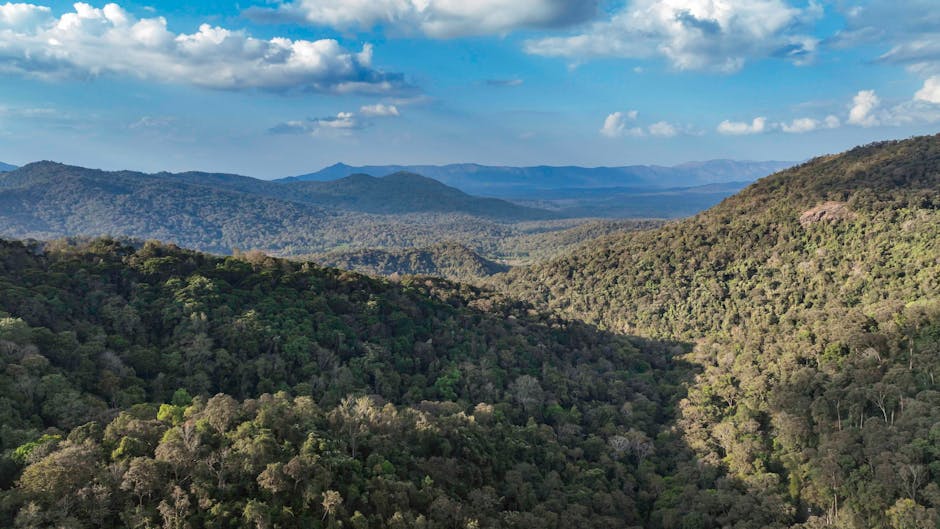
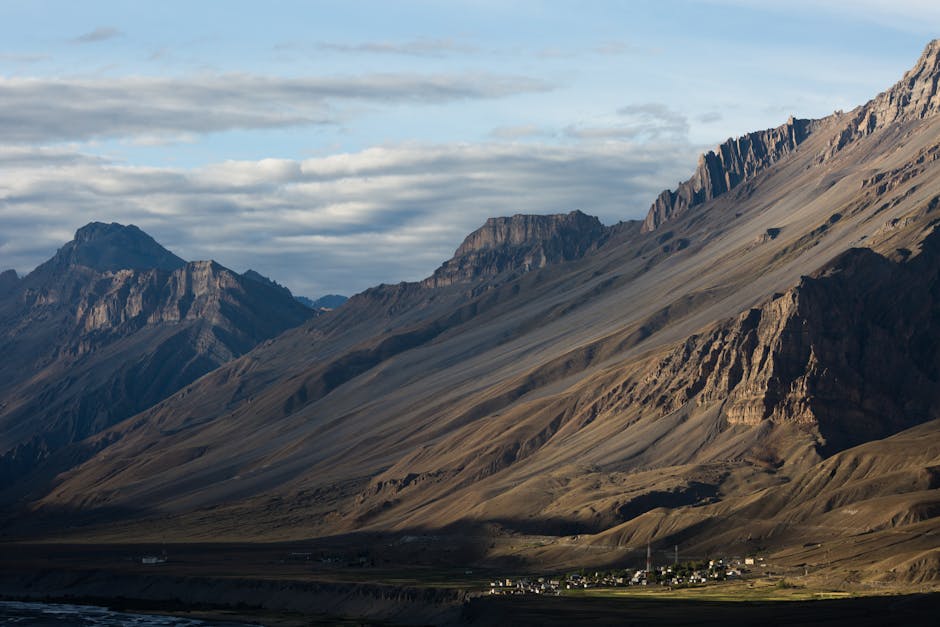
I still remember the first time I stumbled upon Pangi Hidden Valleys. It was late afternoon, the golden hour casting long shadows over the jagged peaks, as our jeep rattled along a narrow, dusty trail. We’d been driving for hours from Chamba, and just when I thought we’d never reach anywhere worth the effort, the valley opened up before us like a secret unveiled. A tiny hamlet, barely a cluster of stone houses, clung to the mountainside, while the Chenab River roared below in a wild, untamed rush. I rolled down the window, and the crisp, pine-scented air hit me—a stark contrast to the stuffy car. Our driver, a local named Tenzin, grinned and said, “Welcome to Pangi. Not many come here.” And that’s exactly why it’s special. This remote corner of Himachal Pradesh, tucked away in the Chamba district, remains untouched by mass tourism. Its raw beauty, from towering cliffs to hidden meadows, feels like a privilege to witness. Here, time slows down, and every view is a postcard you didn’t expect. In this guide, I’ll walk you through everything you need to uncover Pangi’s magic for yourself.
Why Visit Pangi Hidden Valleys?
- Untouched Wilderness — Pangi offers vast, unspoiled landscapes with dense forests and rugged peaks that feel like a step back in time.
- Cultural Immersion — Interact with the warm Gaddi and Bhoti communities, whose ancient traditions and hospitality are humbling.
- Adventure Haven — Trek through unmapped trails or camp by the Chenab River for an adrenaline-packed escape.
- Photographer’s Dream — Capture dramatic vistas, from snow-draped mountains to vibrant wildflowers in hidden meadows.
- Peaceful Solitude — With no tourist crowds, Pangi delivers a rare sense of tranquility and disconnection.
- Unique Geography — Nestled between the Pir Panjal and Zanskar ranges, the valley’s isolation creates a surreal, otherworldly charm.
- Affordable Exploration — Experience a Himalayan getaway without the hefty price tag of more popular destinations.
Top Things to Do & See
Sach Pass
Marvel at one of the most treacherous yet breathtaking mountain passes in India, perched at 4,420 meters. Insider tip: Stop at the tiny tea stall run by a local uncle just before the pass for the best Maggi and chai combo—worth every rupee of the Rs 50 price.
Hudaan Bhatori Village
Wander through this remote settlement to witness authentic Gaddi culture and ancient wooden houses. Insider tip: Ask for permission to join locals during evening prayers at their small temple—it’s a soulful experience.
Chenab River Trails
Trek along the roaring Chenab for stunning views and a chance to spot Himalayan wildlife. Insider tip: Carry a small fishing rod if you’re into angling; locals often catch trout near quieter bends.
Mindhal Mata Temple
Visit this sacred site atop a hill for panoramic views and a glimpse into local folklore. Insider tip: Wear sturdy shoes—the 2-km uphill climb is rocky but rewarding.
Purthi Forest
Explore this dense woodland area, perfect for short hikes and birdwatching. Insider tip: Look for the rare Himalayan monal early in the morning near the forest edge.
Sural Bhatori Waterfall
Discover this hidden cascade surrounded by lush greenery, ideal for a quiet picnic. Insider tip: Visit post-monsoon for the fullest flow, and bring a waterproof bag for your gear.
How to Reach Pangi Hidden Valleys
Reaching Pangi Hidden Valleys is an adventure in itself, given its remote location in Himachal Pradesh. The nearest major town is Chamba, about 180 km away, which serves as the gateway. If you’re coming from farther afield, the closest airport is in Pathankot, roughly 220 km from Chamba, with flights from Delhi costing around Rs 5,000–7,000 one-way per person. From Pathankot, you can hire a taxi to Chamba for about Rs 3,500 or take a state-run HRTC bus for Rs 300 per seat (expect a 4–5 hour journey). The nearest railway station is also Pathankot, with trains like the Delhi-Pathankot Express, and fares starting at Rs 500 for a sleeper class ticket.
From Chamba, the journey to Pangi gets rugged. The most common route is via the Chamba-Killar Road, a narrow, winding stretch along NH-154A. It’s a bone-rattling 180-km drive that takes 7–9 hours due to the terrain and occasional landslides. Hiring a private 4x4 jeep from Chamba costs around Rs 6,000–8,000 one-way, while shared jeeps, if available, charge Rs 500–700 per person. Key landmarks en route include the Sach Pass, a high-altitude crossing that’s often snowbound in winter, so check road conditions with locals. There are no direct buses to Pangi, but HRTC runs sporadic services to Killar, the main town in the valley, for about Rs 400 from Chamba. If you’re driving, ensure your vehicle is in top shape—there are no mechanics for miles once you cross Sach Pass. Also, fuel up in Chamba; the next petrol pump is a distant dream. For the truly adventurous, motorbiking this route is exhilarating, but carry spare tires and tools. Pack snacks and water—roadside dhabas are few, with basic meals like dal-roti costing Rs 80–100.
Best Time to Visit
Pangi Hidden Valleys shines brightest between June and October, when the weather is pleasant, with temperatures ranging from 10°C to 25°C. This period offers clear skies, perfect for trekking and sightseeing, though nights can dip to near freezing at higher altitudes like Sach Pass. The shoulder months of May and November are quieter, with cooler weather (5°C–20°C) and fewer visitors, but be prepared for sudden rain or early snowfall. Monsoon, from July to August, brings heavy downpours, making roads slippery and prone to landslides—travel is risky unless you’re experienced with Himalayan terrain. Winter, from December to April, is harsh, with temperatures plummeting below 0°C and heavy snow blocking key passes like Sach. Unless you’re equipped for extreme cold and have a local guide, avoid this season.
Where to Stay
Accommodation in Pangi Hidden Valleys is sparse and basic, reflecting its offbeat charm. Most options are in or around Killar, the valley’s main hub. For budget travelers, guesthouses like Himalayan Rest House in Killar offer clean rooms with attached bathrooms for Rs 800–1,200 per night. They’re no-frills but cozy, often run by locals who double as guides. Mid-range picks include Pangi Valley Homestay near Hudaan Bhatori, charging Rs 1,500–2,000 per night with home-cooked meals included—try their local siddu, a steamed bread stuffed with lentils. For a more boutique experience, Mountain Retreat in Purthi, about 10 km from Killar, offers rustic cabins with valley views for Rs 2,500–3,000 per night. Book in advance, especially during peak months, as rooms fill up fast with trekkers and small groups. Camping is also popular—bring your own gear or rent tents in Killar for Rs 500 per day.
Trip Cost Breakdown (3-Day Trip for 2 People)
| Item | Cost |
|---|---|
| Accommodation (3 nights at Rs 1,500/night) | Rs 4,500 |
| Food (meals at Rs 300/day per person) | Rs 1,800 |
| Transport (return taxi from Chamba) | Rs 12,000 |
| Activities (trekking, local guides) | Rs 2,000 |
| Total | Rs 20,300 |
Suggested Itineraries
- 2-Day Quick Escape
- Day 1: Arrive in Killar from Chamba by noon (7–9 hr drive). Check into a guesthouse and explore nearby Hudaan Bhatori Village in the afternoon (3–5 PM). Enjoy a quiet evening by the Chenab River.
- Day 2: Start early (7 AM) for a drive to Sach Pass for stunning views. Return by afternoon (2 PM) and head back to Chamba by evening.
- 3-Day Deep Dive
- Day 1: Reach Killar from Chamba by midday. Settle into your stay and spend the evening (4–6 PM) visiting local markets in Killar for handicrafts.
- Day 2: Begin at 8 AM with a trek to Sural Bhatori Waterfall (3–4 hr round trip). Afternoon at Purthi Forest for birdwatching (1–4 PM). Return for a cultural evening with locals.
- Day 3: Drive to Sach Pass at 7 AM for sunrise views. Stop at Mindhal Mata Temple en route back (11 AM–1 PM). Depart for Chamba by 3 PM.
Ideal For
- Adventure seekers craving challenging treks and high-altitude passes.
- Nature lovers looking for pristine landscapes and wildlife spotting.
- Culture enthusiasts eager to experience authentic Himalayan tribal life.
- Solo travelers or small groups seeking solitude away from touristy spots.
- Photographers hunting for dramatic, untouched vistas.
Safety, Permits & Local Etiquette
- Inner Line Permit: Not required for Indian nationals, but foreigners need a Protected Area Permit (PAP), obtainable in Chamba or Delhi for around Rs 500. Carry ID proof at all times.
- Mobile Connectivity: Networks are patchy at best. BSNL works sporadically in Killar; elsewhere, expect no signal. Inform family before heading out.
- Solo Female Traveller: Generally safe due to the warm locals, but stick to populated areas like Killar. Avoid isolated trails alone and dress modestly.
- Do's & Don'ts: Respect local customs—ask before photographing people. Don’t litter; carry trash back. Avoid loud behavior near temples. Bargain politely at markets.
Hidden Tips Only Repeat Visitors Know
- Carry cash in small denominations—ATMs are non-existent, and shops in Killar don’t accept digital payments.
- Stock up on snacks and essentials in Chamba; options in Pangi are limited and pricier (a bottle of water costs Rs 30 here vs Rs 20 there).
- Hire a local guide for treks (Rs 800–1,000/day)—they know shortcuts and hidden spots like secret viewpoints near Sach Pass.
- Pack layers even in summer; evenings get chilly, especially above 3,000 meters.
- Visit the tiny Killar Market on Wednesdays for fresh local produce and handmade woolens—great souvenirs for Rs 200–500.
- If driving, carry a jerry can of extra fuel; the nearest pump after Chamba is over 200 km away.
- Learn a few Gaddi phrases like “Shukriya” (thank you)—locals appreciate the effort and open up more.
- Avoid flashy clothing or gear; blend in to avoid unnecessary attention in remote villages.
Frequently Asked Questions
Q: Is Pangi Hidden Valleys worth visiting?
Absolutely, if you’re drawn to raw, untouched beauty and don’t mind a rugged journey. Pangi offers a rare glimpse into Himalayan life without the tourist gloss of places like Manali. The dramatic landscapes and warm locals make every bumpy mile worthwhile.
Q: How many days are enough for Pangi Hidden Valleys?
A 2–3 day trip covers the highlights like Sach Pass and local villages. However, if you’re into trekking or deep cultural immersion, plan for 4–5 days. The journey to and from Chamba eats up significant time, so factor that in.
Q: Is Pangi Hidden Valleys safe for solo female travellers?
It’s relatively safe due to the hospitable locals, but caution is key in such remote areas. Stick to Killar or travel with a local guide for treks. Dress conservatively and avoid isolated spots after dark for peace of mind.
Q: Which is better — Pangi Hidden Valleys or Spiti Valley?
It depends on your vibe. Pangi is rawer, quieter, and less touristy, perfect for solitude and rugged treks. Spiti offers more accessible infrastructure and dramatic monasteries but sees heavier footfall. Choose Pangi for an unfiltered Himalayan escape.
Q: Do I need permits for Pangi Hidden Valleys?
Indian nationals don’t need permits, just valid ID for checkpoints. Foreigners require a Protected Area Permit, easily obtained in Chamba or major cities like Delhi. Processing takes a day or two, so plan ahead.
Q: Is Pangi Hidden Valleys expensive?
Not at all, compared to mainstream Himalayan spots. A 3-day trip for two can cost around Rs 20,000, including travel from Chamba, stays, and food. It’s budget-friendly, though transport costs add up due to the remote location.