Padum Zanskar: Uncover Ladakh’s Hidden Gem – Complete Travel Guide
The right stay. At the right price. Every time.
Find your perfect Kashmir stay on Unpaqd — with our AI search feature
Curated 4.5+ rated homestays, price-match guarantee, and zero commissions-so you never overpay or settle. Just describe your ideal stay, and we'll do the rest.
Explore stays on UnpaqdSummary
- Padum Zanskar: A breathtaking hidden gem in Ladakh.
- Perfect for offbeat explorers seeking untouched beauty.
- Serene landscapes with peaceful, crowd-free vibes.
- Affordable travel for an authentic Himalayan escape.
- Rich culture and history waiting to be uncovered.
- Ideal for adventurers craving raw, rugged experiences.
Padum Zanskar
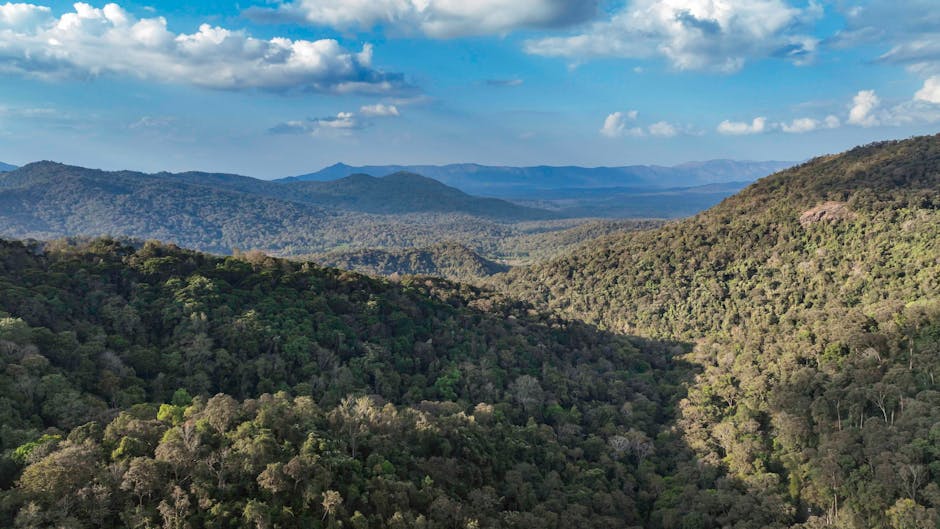
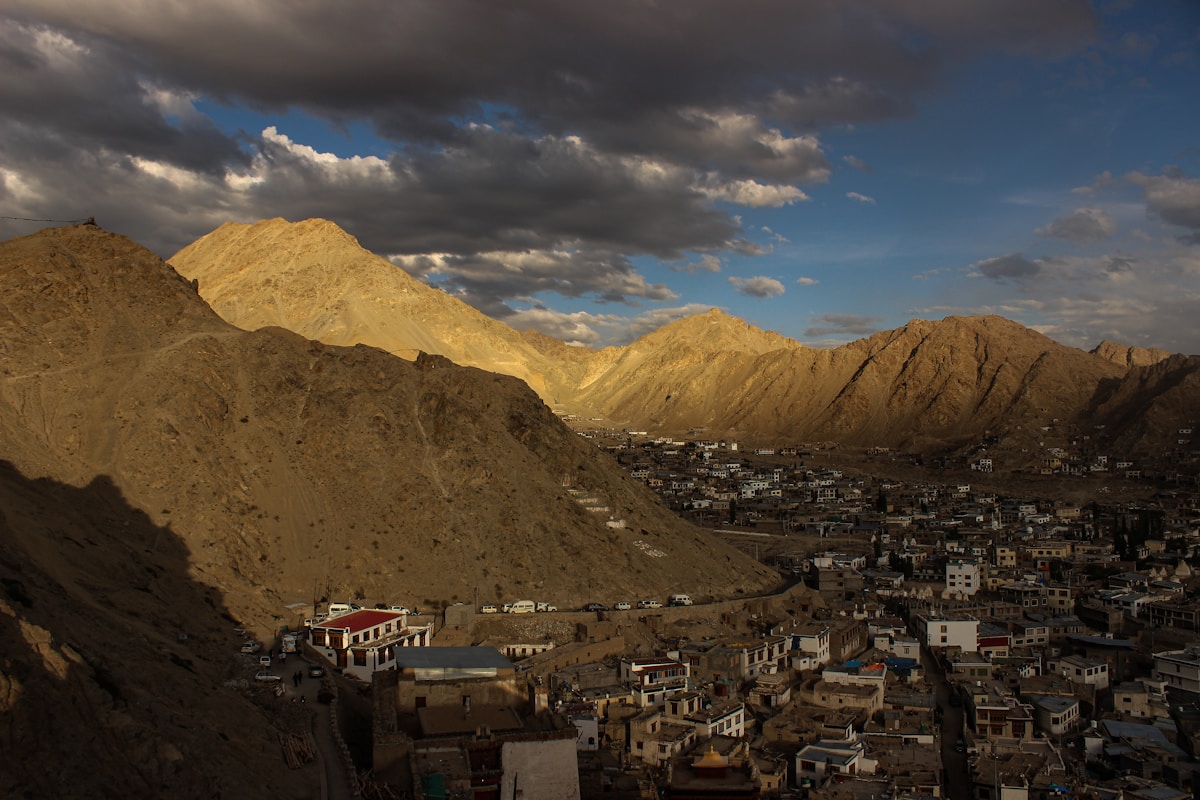
I still remember the first time I laid eyes on Padum Zanskar. It was late afternoon, the golden sun casting long shadows over the barren, jagged mountains as I bumped along a dusty trail in a shared jeep. My back ached from the rough ride, but when we finally rolled into Padum, the main town of Zanskar Valley, everything melted away. A kind-faced local, bundled in a woolen shawl, offered me a cup of salty butter tea outside a tiny shack near the central market. That warmth, both in the tea and the smile, hooked me. This isn’t your typical tourist trap. Padum Zanskar remains wildly underrated, often overshadowed by Leh or Manali, yet it holds a raw, unpolished charm. Think ancient monasteries perched on cliffs, turquoise rivers cutting through desolate valleys, and a silence so profound it feels sacred. What makes it truly special is the untouched authenticity—locals still live as they have for centuries, and you’re more likely to stumble upon a yak herder than a souvenir shop. If you’re yearning for a place that feels like stepping back in time, stick with me as I unravel the magic of this remote Himalayan wonder.
Why Visit Padum Zanskar?
- Untamed Wilderness — Zanskar Valley’s dramatic landscape, with its stark mountains and deep gorges, feels like nature’s unedited masterpiece.
- Cultural Immersion — Witness ancient Buddhist traditions in remote villages where monks chant in 500-year-old gompas.
- Offbeat Solitude — Unlike crowded Leh, Padum offers quiet trails and empty vistas for true peace seekers.
- Adventure Haven — Trekking routes like the Chadar Trek (in winter) or Padum to Darcha are adrenaline-pumping challenges.
- Local Warmth — The Zanskari people’s hospitality, from homemade thukpa to heartfelt conversations, is unforgettable.
- Photographer’s Dream — Capture surreal contrasts of barren deserts against vibrant prayer flags under endless blue skies.
- Historical Depth — Explore ruins and rock carvings that whisper stories of trade routes from centuries past.
Top Things to Do & See
Karsha Monastery
Perched on a hill overlooking Padum, this 11th-century monastery offers sweeping views of the valley and a deep dive into Buddhist heritage. Insider tip: Visit during evening prayers around 6 PM to hear the monks’ haunting chants echo through the halls.
Zanskar River
This turquoise ribbon snakes through the rugged terrain, offering a calming contrast to the harsh landscape. Insider tip: Head to the riverbank near Shila village at sunrise for mirror-like reflections—perfect for photography.
Stongdey Monastery
A 20-minute drive from Padum, this hilltop gompa is one of the oldest in Zanskar, brimming with ancient murals. Insider tip: Chat with the resident monks over tea; they often share lesser-known folklore about the region.
Pibiting Village
A short trek from Padum, this quaint village feels frozen in time with mud houses and barley fields. Insider tip: Look for the small stupa on the outskirts—locals believe it grants wishes if you circle it thrice.
Phugtal Monastery
A challenging trek from Padum, this cave monastery clings to a cliff face, looking like something out of a fantasy novel. Insider tip: Carry extra water; the 4-hour hike is tough, and there’s no shop en route.
Padum Market
The bustling heart of Zanskar, this small market is where locals trade everything from wool to dried apricots. Insider tip: Bargain for handmade woolen socks at Tsering’s stall near the main chowk—they’re a steal at Rs 150 a pair.
How to Reach Padum Zanskar
Getting to Padum Zanskar is an adventure in itself, given its remote location in the heart of Ladakh. The nearest airport is Kushok Bakula Rimpochee Airport in Leh, about 230 km away. From Leh, you can hire a private taxi or hop on a shared jeep, which is the most common mode of transport. The journey takes around 10–12 hours, winding through the stunning yet rugged terrain of NH-3 and later the Leh-Padum road via Kargil. The route passes through Fotu La Pass (at 4,108 meters), offering jaw-dropping views but also some nerve-wracking hairpin bends, so brace yourself. A shared jeep from Leh to Padum costs around Rs 1,500–2,000 per person, while a private taxi can set you back Rs 10,000–12,000 one way. If you’re coming from Srinagar, it’s a longer haul—about 440 km via Kargil, taking nearly 15 hours by road. Public buses run by J&K SRTC operate sporadically from Kargil to Padum (Rs 500–700 per seat), but timings are unreliable, so plan ahead. A pro tip: Stop at Mulbekh on the way from Kargil for a quick peek at the ancient rock-carved Maitreya Buddha statue—it’s a hidden roadside gem. If you’re driving, ensure your vehicle is in top shape; breakdowns in these remote stretches can mean hours of waiting. Local transport in Padum is limited to occasional shared cabs or motorbikes for hire (Rs 500–800 per day), so walking is often the best way to explore nearby spots.
Best Time to Visit
The ideal window to explore Padum Zanskar is between June and September, when the weather is pleasant with daytime temperatures hovering between 15°C and 25°C. This is peak season for trekking and sightseeing, as roads are accessible after the harsh winter snow melts. Nights can still dip to 5°C, so pack warm layers. The shoulder months of May and October are quieter, with cooler weather (5°C to 15°C), but some high passes might be tricky to cross. Winter, from November to April, transforms Zanskar into a frozen wonderland, with temperatures plummeting to -20°C or lower. This is when the famous Chadar Trek over the frozen Zanskar River happens, though it’s not for the faint-hearted. Monsoon isn’t a major issue here due to the rain-shadow effect of the Himalayas, but occasional landslides can disrupt roads in July and August. Pick your season based on whether you crave sunny treks or icy adventures.
Where to Stay
Accommodation in Padum Zanskar is basic but charming, reflecting the region’s simplicity. For budget travelers, guesthouses like Zanskar Guest House near the main market offer clean rooms for Rs 800–1,200 per night. They often include a shared kitchen if you want to cook. For mid-range comfort, check into Hotel Ibex in central Padum, where rooms with attached bathrooms and hot water (a luxury here) cost Rs 2,000–2,500 per night. They also have a small restaurant serving hearty local meals. If you’re after a more boutique experience, try Padum Homestay on the outskirts near Pibiting Road. Run by a local family, it offers a cozy vibe with home-cooked Zanskari food for Rs 3,000 per night, including meals. Book in advance during peak months, as options are limited and fill up fast. Most places don’t have online bookings, so a quick call or a visit to the Padum market for recommendations works best.
Trip Cost Breakdown (3-Day Trip for 2 People)
| Item | Cost |
|---|---|
| Accommodation (3 nights at Rs 2,000/night) | Rs 6,000 |
| Food (meals at Rs 500/day per person) | Rs 3,000 |
| Transport (shared jeep Leh to Padum & local travel) | Rs 4,000 |
| Activities (trekking fees, monastery donations) | Rs 1,500 |
| Total | Rs 14,500 |
Suggested Itineraries
- 2-Day Quick Escape
- Day 1: Arrive in Padum by noon via Leh or Kargil. Check into your guesthouse and spend the afternoon exploring Padum Market (1–2 PM). Head to Karsha Monastery by 4 PM for evening prayers and valley views. Return for dinner at a local eatery like Norbu’s Kitchen by 7 PM.
- Day 2: Start early at 7 AM for a short trek to Pibiting Village. Spend the morning soaking in the rural charm (till 11 AM). Post lunch, visit Stongdey Monastery by 1 PM. Depart Padum by 3 PM for your return journey.
- 3-Day Deep Dive
- Day 1: Reach Padum by midday. Settle into accommodation and explore the local market by 2 PM. Visit Karsha Monastery around 4 PM for prayers and sunset views. Dinner at a guesthouse by 7 PM.
- Day 2: Begin at 6 AM with a day trek to Phugtal Monastery (4 hours each way). Reach by 10 AM, explore the cave gompa, and return by 3 PM. Relax with butter tea at a local stall near your stay by 5 PM.
- Day 3: Head to Stongdey Monastery at 8 AM for a quiet morning. Trek to Zanskar River near Shila by 11 AM for photography. Have lunch at Padum by 1 PM and depart by 3 PM.
Ideal For
- Adventure seekers who thrive on challenging treks and remote explorations.
- Culture enthusiasts eager to experience authentic Himalayan Buddhist traditions.
- Solo travelers looking for peaceful, introspective getaways far from crowds.
- Photographers chasing dramatic landscapes and untouched rural life.
- Budget travelers wanting a unique destination without breaking the bank.
Safety, Permits & Local Etiquette
- Inner Line Permit: Required for Indian nationals visiting Zanskar due to its proximity to sensitive border areas. Obtain it online via the Leh DC office website or in person in Leh for Rs 400–500 per person. Carry multiple photocopies.
- Mobile Connectivity: Network is patchy at best. BSNL works sporadically in Padum town, but don’t rely on it. Inform family beforehand as you’ll likely be out of reach for days.
- Solo Female Traveller: Generally safe due to the warm, small-town vibe of Zanskar. Stick to populated areas, avoid isolated treks alone, and dress modestly to respect local norms.
- Do's & Don'ts: Always ask before photographing people or inside monasteries. Remove shoes before entering gompas. Don’t litter—carry trash back as waste management is limited. Respect silence during prayers and avoid public displays of affection.
Hidden Tips Only Repeat Visitors Know
- Carry cash in small denominations; there are no ATMs in Padum, and shops don’t accept cards.
- Stock up on snacks and water in Leh or Kargil—options in Padum are limited and pricier.
- Visit the tiny Lhamo Tea Stall near Padum Market for the best butter tea at just Rs 20 a cup.
- Pack a good pair of trekking socks; the rocky terrain near Phugtal can be brutal on feet.
- If roads are blocked, ask locals about alternate mule trails—they often know shortcuts.
- Bargain for yak wool blankets at the market; they’re warm and cost around Rs 800 if you haggle.
- Carry a small torch; power cuts are frequent, and nights get pitch dark.
- Chat with jeep drivers in Padum for news on road conditions—they’re your best source.
Frequently Asked Questions
Q: Is Padum Zanskar worth visiting?
Absolutely, if you’re drawn to remote, untouched destinations. Padum Zanskar offers a rare glimpse into Himalayan life with its ancient monasteries, rugged landscapes, and warm locals. It’s a world away from tourist-heavy spots like Leh, perfect for those seeking solitude and authenticity.
Q: How many days are enough for Padum Zanskar?
A minimum of 2–3 days is ideal to soak in the essence of Padum. This gives you time for key sights like Karsha Monastery and short treks. If you’re planning longer hikes like Phugtal, add a couple more days for a relaxed pace.
Q: Is Padum Zanskar safe for solo female travellers?
Yes, it’s relatively safe due to the tight-knit community and hospitable locals. However, stick to well-trodden paths and avoid venturing into isolated areas alone. Dress conservatively to blend in, and always share your plans with someone at your guesthouse.
Q: Which is better — Padum Zanskar or Leh?
It depends on your vibe. Leh is more accessible with better infrastructure and vibrant markets, while Padum Zanskar is raw, remote, and crowd-free. If you want polished comfort, pick Leh; for unfiltered Himalayan magic, Zanskar wins hands down.
Q: Do I need permits for Padum Zanskar?
Yes, Indian nationals need an Inner Line Permit due to its border proximity. It’s easily available in Leh or online for a small fee of Rs 400–500. Foreign nationals may require additional Restricted Area Permits, so check beforehand.
Q: Is Padum Zanskar expensive?
Not at all—it’s quite budget-friendly compared to other Himalayan spots. A 3-day trip for two can cost around Rs 14,000–15,000, covering stay, food, and transport. Costs rise if you hire private vehicles or guides for treks, but overall, it’s value for money.