Nubra beyond Hunder
The right stay. At the right price. Every time.
Find your perfect Ladakh stay on Unpaqd — with our AI search feature
Curated 4.5+ rated homestays, price-match guarantee, and zero commissions-so you never overpay or settle. Just describe your ideal stay, and we'll do the rest.
Explore stays on UnpaqdSummary
- Nubra beyond Hunder: A mesmerizing hidden gem in Ladakh.
- Offers serene, untouched landscapes away from tourist crowds.
- Perfect for offbeat adventurers seeking peaceful escapes.
- Rich cultural experiences with authentic local interactions.
- Stunning vistas at surprisingly value-for-money costs.
- An insider’s paradise for unique Himalayan memories.
Nubra beyond Hunder
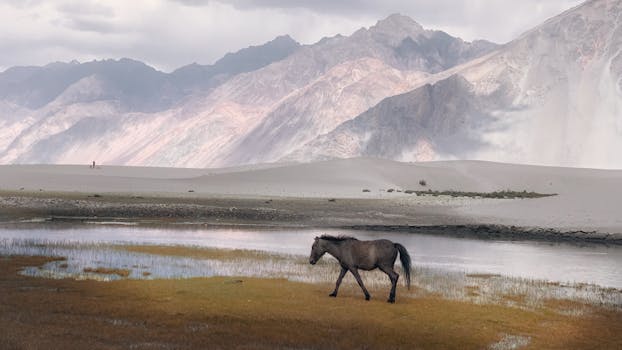
As I wound through the rugged, otherworldly terrain of Ladakh, my bike humming over the Khardung La pass, I stumbled upon a world far removed from the usual tourist trails of Hunder. Beyond the famous sand dunes, Nubra Valley unfolded like a secret whispered by the mountains—vast, untouched, and breathtakingly raw. My first glimpse of the Shyok River snaking through barren peaks, with tiny villages dotting the horizon, felt like stepping into a forgotten era. I remember pausing near a lone chorten, the silence so profound it seemed the earth itself held its breath. This wasn’t just a destination; it was a revelation.
Nubra beyond Hunder remains underrated because most travelers stick to the well-trodden paths of Hunder’s dunes and Diskit’s monastery, missing the deeper, quieter magic of the valley. What makes it special is its blend of surreal landscapes, ancient culture, and solitude—think remote gompas, hidden hot springs, and vistas that feel like private postcards. In this guide, you’ll discover why this lesser-explored stretch of Nubra is worth the detour, along with top spots, practical tips, and insider hacks to craft your own unforgettable journey.
Why Visit Nubra beyond Hunder?
- Untouched Serenity — Escape the bustle of Hunder for vast, quiet valleys where you can hear the wind whisper through ancient passes.
- Cultural Depth — Interact with locals in remote villages like Sumur, where traditions thrive untouched by mass tourism.
- Dramatic Landscapes — Witness the Shyok and Nubra rivers converge, framed by stark, snow-dusted peaks unlike anywhere else.
- Offbeat Adventure — Explore trails and viewpoints rarely mentioned in guidebooks, perfect for those craving unique experiences.
- Ancient Heritage — Discover hidden monasteries like Samstanling, offering spiritual calm and history dating back centuries.
- Stargazing Haven — Experience nights so clear, the Milky Way feels within reach, unmarred by light pollution.
- Affordable Exploration — Enjoy authentic experiences at a fraction of the cost of more commercialized Ladakhi spots.
Top Things to Do & See
Sumur Village
A quaint settlement along the Nubra River, Sumur offers a glimpse into traditional Ladakhi life with its mud-brick homes. Insider tip: Visit the local homes for a cup of butter tea—most families are welcoming if approached respectfully.
Samstanling Monastery
Perched on a hill near Sumur, this 19th-century gompa radiates peace with its vibrant murals and panoramic views. Insider tip: Attend the early morning prayers if possible; the chants echo hauntingly through the valley.
Panamik Hot Springs
These natural sulphur springs near Panamik village are a soothing retreat amidst the cold desert landscape. Insider tip: Carry a small towel and visit post-trek for a relaxing dip—locals swear by its healing properties.
Turtuk Village
One of the last outposts before the Line of Control, Turtuk is a cultural mosaic with Balti heritage and lush apricot orchards. Insider tip: Ask locals for homemade apricot jam; it’s a delicacy rarely found elsewhere.
Shyok River Viewpoints
The Shyok River’s turquoise ribbon cuts through barren mountains, offering jaw-dropping vistas at every turn. Insider tip: Stop at unmarked bends between Sumur and Turtuk for the best, crowd-free photo spots.
Warshi Village
A lesser-known gem near Turtuk, Warshi is a serene hamlet with ancient petroglyphs and stunning mountain backdrops. Insider tip: Trek to nearby rock carvings with a local guide—most tourists miss these prehistoric treasures.
How to Reach Nubra beyond Hunder
Nubra Valley lies in northern Ladakh, and reaching areas beyond Hunder requires a bit of planning. The nearest airport is Kushok Bakula Rimpochee Airport in Leh, about 120 km from Hunder and further to other Nubra regions. From Leh, there are no direct railway connections since the region lacks a rail network; the closest major station is Jammu Tawi, over 700 km away, making road travel the primary option.
By road, start from Leh and cross the Khardung La pass (18,380 ft), one of the highest motorable roads in the world, to reach Hunder (approx. 4-5 hours, Rs 6,000-8,000 for a shared taxi or Rs 10,000-12,000 for a private cab). From Hunder, villages like Sumur, Panamik, and Turtuk are 20-80 km further, taking 1-3 hours depending on the destination (additional Rs 2,000-4,000 by taxi). The best route is Leh-Khardung La-Diskit-Hunder, then onward to deeper Nubra. Self-drive bikes or cars are popular but ensure permits and acclimatization for high-altitude travel. Local buses are rare and unreliable for remote stretches.
Best Time to Visit
The ideal time to explore Nubra beyond Hunder is during the summer months (June to September), when roads are accessible, and temperatures range from 10°C to 25°C during the day, dropping to 5°C at night. This peak season offers clear skies for sightseeing and trekking. The shoulder seasons (April-May and October) are cooler (5°C to 15°C) but still viable, with fewer crowds and a chance to see early snow or autumn hues. Winters (November to March) are harsh, with temperatures plummeting to -10°C or lower, and heavy snowfall often blocks Khardung La, making travel nearly impossible. Monsoon isn’t a major concern here as Nubra lies in a rain-shadow region, receiving minimal rainfall even in July-August, though occasional landslides on passes can disrupt plans.
Where to Stay
Accommodation options in Nubra beyond Hunder cater to varied budgets, mostly concentrated in Sumur, Panamik, and Turtuk. Here are some picks:
- Budget: Homestays in Sumur and Turtuk (Rs 800-1,500 per night) offer basic but warm stays with home-cooked meals. Look for family-run guesthouses near Sumur market.
- Mid-Range: Guesthouses and small hotels in Panamik (Rs 2,000-3,500 per night) provide comfortable rooms and hot water, often with valley views. Check options near Panamik Hot Springs.
- Boutique: Luxury camps and eco-lodges near Turtuk (Rs 5,000-8,000 per night) blend comfort with nature, featuring heated tents and guided tours. Book in advance for peak season availability.
Trip Cost Breakdown (3-Day Trip for 2 People)
| Item | Cost |
|---|---|
| Accommodation (mid-range) | Rs 9,000 |
| Food (local meals) | Rs 3,000 |
| Transport (private taxi from Leh) | Rs 14,000 |
| Activities (entry fees, local guides) | Rs 2,000 |
| Total | Rs 28,000 |
Suggested Itineraries
- 2-Day Quick Escape
- Day 1: Depart Leh by 7 AM, cross Khardung La, reach Hunder by noon. Post-lunch, proceed to Sumur (1 hour), explore Samstanling Monastery (2 hours), and overnight in Sumur.
- Day 2: Morning visit to Panamik Hot Springs (8 AM-10 AM), drive to Turtuk (2 hours), spend 3 hours exploring the village, and return to Leh by evening (6-7 PM).
- 3-Day Deep Dive
- Day 1: Start from Leh at 7 AM, reach Hunder via Khardung La by noon. Explore Diskit briefly, drive to Sumur (1 hour), visit Samstanling Monastery, and stay overnight in Sumur.
- Day 2: Depart Sumur at 8 AM for Panamik Hot Springs (30 min), relax for 2 hours. Drive to Turtuk (2 hours), explore Balti culture and orchards, and overnight in Turtuk.
- Day 3: Morning trek to Warshi petroglyphs (9 AM-11 AM), enjoy Shyok River viewpoints en route back to Hunder (2 hours), and return to Leh by evening (6-7 PM).
Ideal For
- Adventure seekers craving high-altitude treks and offbeat road trips.
- Culture enthusiasts eager to experience authentic Ladakhi and Balti traditions.
- Nature lovers mesmerized by stark deserts, rivers, and Himalayan peaks.
- Solo travelers or small groups seeking solitude over crowded tourist spots.
- Photographers hunting for surreal landscapes and untouched village life.
Safety, Permits & Local Etiquette
- Inner Line Permit: Required for Indian nationals to enter Nubra Valley, including areas beyond Hunder like Turtuk. Obtain online or via Leh DC office (Rs 400-600 per person, including environmental fee).
- Mobile Connectivity: Networks are spotty; BSNL works intermittently in Sumur and Turtuk, but don’t rely on internet. Carry a satellite phone for emergencies in remote areas.
- Solo Female Traveller: Generally safe with basic precautions; stick to populated villages, avoid isolated treks alone, and dress modestly to respect local norms.
- Do's & Don'ts: Respect monastery rules (no photography inside prayer halls), ask permission before photographing locals, avoid littering in pristine areas, and carry cash as ATMs are scarce.
Hidden Tips Only Repeat Visitors Know
- Carry extra fuel if self-driving; petrol pumps are limited beyond Diskit.
- Pack high-altitude sickness tablets—acclimatization in Leh is crucial before heading out.
- Bargain politely for taxi fares in Leh; fixed rates often include hidden margins.
- Visit Turtuk during apricot harvest for fresh fruit straight from orchards.
- Layer clothing even in summer; temperatures drop sharply after sunset.
- Chat with monks at Samstanling for untold stories about Nubra’s history.
- Carry reusable water bottles; refill at local streams with purification tablets.
- Book accommodations directly with hosts for better rates and authentic meals.
Frequently Asked Questions
Q: Is Nubra beyond Hunder worth visiting?
Absolutely, if you crave solitude and raw beauty over touristy spots. Beyond Hunder, Nubra offers untouched villages like Turtuk and serene monasteries like Samstanling. It’s a chance to experience authentic Ladakhi culture and surreal landscapes. Perfect for those who value depth over convenience.
Q: How many days are enough for Nubra beyond Hunder?
A minimum of 2 days is needed for a quick glimpse, covering Sumur and Turtuk. Ideally, plan for 3 days to explore Panamik, Warshi, and Shyok viewpoints at leisure. Rushing through misses the essence of this remote region. Add a buffer for road delays.
Q: Is Nubra beyond Hunder safe for solo female travellers?
Yes, it’s relatively safe with precautions. Stick to populated areas like Sumur or Turtuk, avoid isolated treks, and travel with known drivers or groups. Locals are friendly, but cultural sensitivity in dress and behavior is key. Always inform someone of your plans.
Q: Which is better — Nubra beyond Hunder or Pangong Lake?
It depends on your vibe. Nubra beyond Hunder offers cultural depth and solitude with villages and monasteries, while Pangong is iconic for its cinematic lake views but often crowded. Choose Nubra for offbeat exploration, Pangong for postcard-worthy scenery. Both are uniquely stunning.
Q: Do I need permits for Nubra beyond Hunder?
Yes, an Inner Line Permit is mandatory for Indian nationals to enter Nubra Valley, including areas like Turtuk. It’s easily obtainable online or through the Leh DC office for a small fee. Foreign nationals require a Protected Area Permit. Carry multiple copies for checkpoints.
Q: Is Nubra beyond Hunder expensive?
Not really; it’s quite budget-friendly compared to other Ladakhi destinations. A 3-day trip for two can cost around Rs 28,000, covering mid-range stays, food, and transport. Costs rise with luxury options or private cabs. Plan ahead to avoid overpaying for last-minute bookings.