Mount Abu Travel Guide: Ultimate Expert Tips for a Magical Escape
The right stay. At the right price. Every time.
Find your perfect Rajasthan stay on Unpaqd — with our AI search feature
Curated 4.5+ rated homestays, price-match guarantee, and zero commissions-so you never overpay or settle. Just describe your ideal stay, and we'll do the rest.
Explore stays on UnpaqdUltimate Guide to Mount Abu – Expert Travel Tips
TL;DR Summary
- Mount Abu, Rajasthan’s only hill station, offers serene landscapes and cool vibes.
- Best time to visit Mount Abu: February to June for pleasant weather.
- Top attractions include Nakki Lake, Dilwara Temples, and Guru Shikhar.
- Ideal Mount Abu travel guide for couples, families, and solo adventurers.
- Unique appeal: Blend of spirituality, history, and stunning Aravalli views.
- Explore things to do in Mount Abu with this insider-packed itinerary.
Introduction to Mount Abu
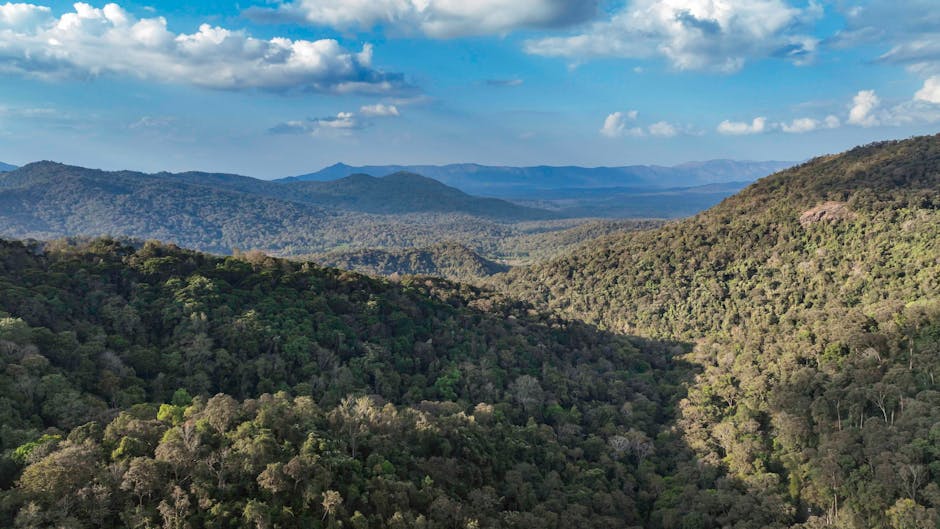
I still remember my first sunrise at Mount Abu, perched on a rocky outcrop near Guru Shikhar, the highest peak in the Aravalli Range. As the golden light bathed the rolling hills, I felt a deep connection to this tranquil oasis in the desert state of Rajasthan. Mount Abu, often called the ‘Shimla of Rajasthan,’ is a gem that combines lush greenery, sacred temples, and a refreshing climate, making it a standout among Indian hill stations. Its rich history, serene lakes, and cultural depth draw travelers seeking both relaxation and adventure.
This destination is perfect for families looking for peaceful getaways, couples craving romantic sunsets, and adventurers eager to trek through scenic trails. In this guide, you’ll discover the best attractions, practical tips for a seamless Mount Abu itinerary, budget travel hacks, and more. If you love this vibe, check our Manali guide for similar hill station charm.
Why Visit Mount Abu? (Key Highlights)
- Cool Climate Escape: A refreshing retreat from Rajasthan’s scorching desert heat year-round.
- Spiritual Haven: Home to the iconic Dilwara Temples, a marvel of Jain architecture.
- Nature’s Beauty: Stunning views of the Aravalli hills and serene Nakki Lake await.
- Adventure Opportunities: Trekking to Guru Shikhar or boating for thrill-seekers.
- Cultural Depth: Local markets and festivals offer a glimpse into Rajasthani traditions.
- Unique Fact from Experience: During my visit to a local fair near Nakki Lake, I learned how Mount Abu’s tribal communities blend Rajasthani and Gujarati influences in their crafts—something most tourists miss!
Top Attractions in Mount Abu
1. Nakki Lake
A serene man-made lake surrounded by hills, perfect for boating. Key features include scenic views and nearby cafes. Entry is free; boating costs around INR 200-300 per person (2026 estimate). Best time: evenings for sunset views. Insider Tip: Rent a paddle boat early to avoid crowds and enjoy the calm.
2. Dilwara Temples
A group of exquisite Jain temples known for intricate marble carvings. Key features: stunning architecture and peaceful ambiance. Entry fee: INR 100 per person. Best time: mornings for fewer visitors. Insider Tip: Photography is restricted; soak in the details with your eyes.
3. Guru Shikhar
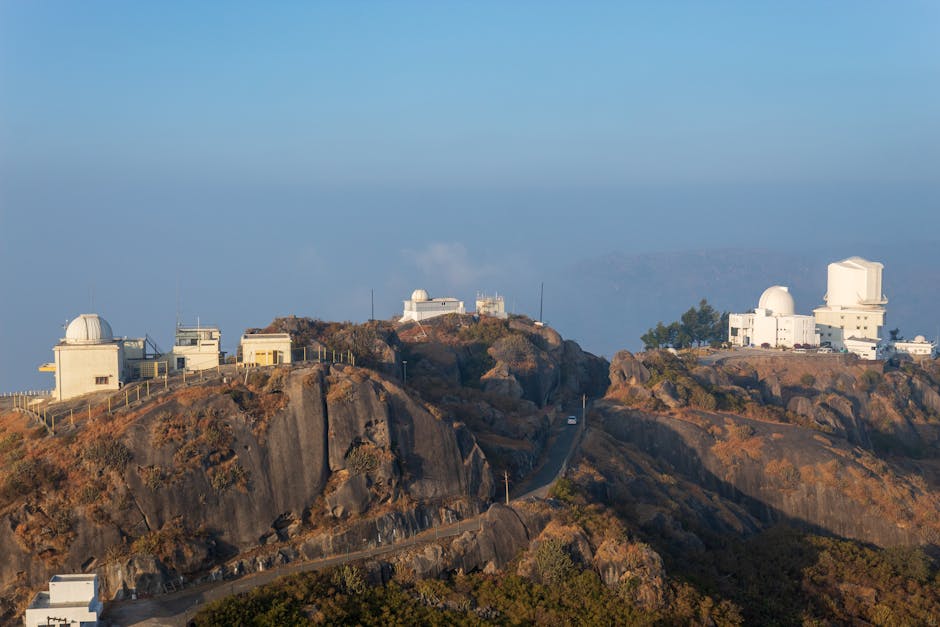
The highest peak in the Aravalli Range at 1,722 meters, offering panoramic views. Key features: a small temple and breathtaking vistas. Entry: free. Best time: early morning for clear skies. Insider Tip: Wear comfy shoes; the short trek up is rocky.
4. Mount Abu Wildlife Sanctuary
A haven for flora and fauna with over 820 plant species. Key features: birdwatching and trekking trails. Entry fee: INR 50-100. Best time: winter for pleasant weather. Insider Tip: Carry binoculars; I spotted rare sloth bears during a guided tour.
5. Achalgarh Fort
A historic fort with ancient temples and scenic surroundings. Key features: Achaleshwar Mahadev Temple nearby. Entry: free. Best time: daytime for exploration. Insider Tip: Visit the nearby lake for a quiet picnic spot.
6. Toad Rock
A unique rock formation resembling a toad, offering lake views. Key features: quirky photo spot. Entry: free. Best time: afternoon for light. Insider Tip: Climb carefully; the path can be slippery after rain.
7. Honeymoon Point
A romantic spot with mesmerizing valley views. Key features: ideal for couples and sunset watching. Entry: free. Best time: late afternoon. Insider Tip: Bring a blanket; evenings get chilly even in summer.
8. Sunset Point
A popular viewpoint for stunning sunsets over the hills. Key features: panoramic vistas and local vendors. Entry: free. Best time: 5-6 PM. Insider Tip: Arrive early to secure a good spot; it gets crowded.
9. Arbuda Devi Temple
A sacred temple dedicated to Goddess Durga, located in a cave. Key features: spiritual vibe and 365 steps to climb. Entry: free. Best time: morning. Insider Tip: Offerings are appreciated; carry small change for donations.
10. Brahma Kumaris Peace Park
A tranquil garden for meditation and reflection. Key features: serene environment and guided sessions. Entry: free. Best time: anytime. Insider Tip: Attend a free meditation session for a unique experience.
Detailed Guides for Top 3 Attractions
Nakki Lake
- History: Legend says this lake was dug by gods using their nails (nakh), hence the name Nakki. It’s central to local folklore.
- Things to See/Do: Boating (paddle or row boats), stroll along the promenade, enjoy street food like corn and ice cream.
- Nearby Spots: Toad Rock and Raghunath Temple are a short walk away.
- Location & How to Reach: Centrally located in Mount Abu; easily accessible by auto (INR 50-100) or on foot from most hotels.
- Insider Tip: During my last visit, I found the best photo spot on the lake’s western edge at sunset—pure magic!
Dilwara Temples
- History: Built between the 11th and 13th centuries, these temples are a pinnacle of Jain architecture, funded by wealthy merchants.
- Things to See/Do: Marvel at the intricate marble carvings, especially in Vimal Vasahi Temple; attend a short guided tour.
- Nearby Spots: Nakki Lake is just 2.5 km away for a relaxing post-visit stop.
- Location & How to Reach: 2.5 km from Mount Abu town; hire an auto or taxi (INR 100-150 round trip).
- Insider Tip: Dress modestly; I once saw a local guide explain carvings in detail—ask for one if available.
Guru Shikhar
- History: Named after a sage, this peak holds spiritual significance with a temple dedicated to Dattatreya at the summit.
- Things to See/Do: Trek to the top, enjoy 360-degree views, visit the small temple.
- Nearby Spots: Honeymoon Point is on the way back for a quick stop.
- Location & How to Reach: 15 km from Mount Abu town; hire a taxi (INR 500-700 round trip) or drive.
- Insider Tip: On my trek, I carried water and snacks—there are no shops at the top, so plan ahead.
How to Reach Mount Abu
Mount Abu is well-connected despite its hilly terrain. The nearest airport is Maharana Pratap Airport in Udaipur (185 km, approx. 3.5 hours by road), with taxi fares around INR 3,500-4,500 in 2026 estimates. The closest railway station is Abu Road (28 km), with trains from Delhi, Mumbai, and Ahmedabad—fares range from INR 300-1,500 depending on class. From Abu Road, taxis or buses cost INR 500-800 to Mount Abu. Driving from major cities like Ahmedabad (230 km, 4.5 hours) or Jaipur (440 km, 7-8 hours) is scenic but involves winding roads—ensure your vehicle is in good condition and refuel before the ascent as petrol pumps are limited.
Multi-Day Road Trip Circuits from Major Cities
Since Mount Abu is in Rajasthan, the most popular starting point for road trips is Ahmedabad, given its proximity and connectivity. Below are four diverse circuits that include Mount Abu as a key stop, catering to different travel styles and durations.
Classic Rajasthan Circuit: Desert to Hills
- Stops & Sequence: Ahmedabad → Udaipur (260 km, 5 hrs) → Mount Abu (185 km, 3.5 hrs) → Pushkar (280 km, 5.5 hrs) → Ahmedabad (via Ajmer, 450 km, 8 hrs).
- Why This Sequence: Starts with Udaipur’s lakes, transitions to Mount Abu’s hills, then Pushkar’s spiritual charm, looping back via major highways.
- Total Duration: 5-7 days.
- Best For: Families and first-time Rajasthan explorers seeking a mix of culture and nature.
- Tips: NH 48 is smooth; tolls approx. INR 300 total. Stop at Kumbhalgarh Fort en route to Mount Abu for history buffs. Book hotels in advance during winter.
Extended Adventure Circuit: Hills and Heritage
- Stops & Sequence: Ahmedabad → Mount Abu (230 km, 4.5 hrs) → Kumbhalgarh (130 km, 3 hrs) → Chittorgarh (110 km, 2.5 hrs) → Udaipur (120 km, 2.5 hrs) → Ahmedabad (260 km, 5 hrs).
- Why This Sequence: Covers Mount Abu’s serenity, Kumbhalgarh’s rugged fort, Chittorgarh’s history, and Udaipur’s romance in a logical loop.
- Total Duration: 8-10 days.
- Best For: Adventure seekers and history enthusiasts.
- Tips: Roads to Kumbhalgarh have steep inclines; drive cautiously. Monsoon can make routes slippery—check forecasts. Stop at Ranakpur Jain Temple near Kumbhalgarh.
Budget Quick Circuit: Weekend Getaway
- Stops & Sequence: Ahmedabad → Mount Abu (230 km, 4.5 hrs) → Ambaji Temple (50 km, 1.5 hrs) → Ahmedabad (180 km, 3.5 hrs).
- Why This Sequence: Short loop focusing on Mount Abu’s highlights and a quick spiritual stop at Ambaji, minimizing travel time.
- Total Duration: 3-4 days.
- Best For: Couples or small groups on a tight schedule.
- Tips: Use NH 27 for faster travel; tolls approx. INR 150. Stay in budget guesthouses in Mount Abu. Avoid peak weekends for cheaper rates.
Offbeat Alternative Circuit: Hidden Gems
- Stops & Sequence: Ahmedabad → Mount Abu (230 km, 4.5 hrs) → Sirohi (45 km, 1.5 hrs) → Pindwara (25 km, 1 hr) → Ahmedabad (200 km, 4 hrs).
- Why This Sequence: Explores Mount Abu’s mainstream attractions alongside lesser-known Sirohi’s local culture and Pindwara’s quiet charm.
- Total Duration: 5-6 days.
- Best For: Solo travelers or offbeat explorers.
- Tips: Roads are narrower beyond Mount Abu; drive slowly. Carry cash—ATMs are sparse in Sirohi. Visit local markets in Pindwara for unique handicrafts.
Note: These circuits can be customized; always check live road conditions via Google Maps or Rajasthan tourism apps.
Best Time to Visit Mount Abu
Mount Abu is a year-round destination, but each season offers a distinct experience. Summer (March-June) sees temperatures of 20-33°C, ideal for sightseeing and escaping plains’ heat. Monsoon (July-September) brings lush greenery with 18-25°C, though rain can disrupt treks—carry rain gear. Winter (November-February) is chilly at 5-15°C, perfect for cozy getaways and clear views; pack heavy woolens. Shoulder seasons (February and October) strike a balance with mild weather (15-25°C) and fewer crowds, based on 2026 trends.
Where to Stay in Mount Abu – Recommendations
- Budget: Hotel Hillock near Nakki Lake—clean rooms, central location, approx. INR 1,500-2,000/night (2026 estimate). Stayed here on a solo trip; great value. Book via Booking.com for deals.
- Mid-Range: Cama Rajputana Club Resort—heritage vibe, good amenities, INR 4,000-5,000/night. Loved the garden views during my family trip. Book via Booking.com for deals.
- Luxury: Sterling Mount Abu—modern comforts, lake proximity, INR 8,000-10,000/night. Perfect for a romantic stay; their spa is a bonus. Book via Booking.com for deals.
- Curated Stays: Browse unique homestays and villas for an authentic experience. Browse Unpaqd stays in Mount Abu
Trip Cost Breakdown (5-Day Trip for 2 People)
| Category | Cost (INR, 2026 Estimate) |
|---|---|
| Transport (Ahmedabad to Mount Abu & back) | 6,000 (self-drive/taxi) |
| Stay (Mid-Range, 4 nights) | 16,000 |
| Food (Local eateries & cafes) | 5,000 |
| Activities (Boating, Entry Fees) | 2,000 |
| Miscellaneous (Shopping, Tips) | 1,000 |
| Total | 30,000 |
Suggested Itineraries
3-Day Quick Trip
- Day 1: Arrive by noon, check in, relax at Nakki Lake (boat ride, 4-6 PM), dinner nearby.
- Day 2: Morning at Dilwara Temples (8-11 AM), Guru Shikhar trek (12-3 PM), Sunset Point (5-6 PM).
- Day 3: Visit Honeymoon Point (8-10 AM), shop at local markets, depart by afternoon. Budget Tip: Stick to autos (INR 50-100/ride) to save on taxis.
5-Day Immersive Experience
- Day 1: Arrive, settle in, evening stroll at Nakki Lake (5-7 PM).
- Day 2: Dilwara Temples (8-11 AM), Toad Rock (12-1 PM), Sunset Point (5-6 PM).
- Day 3: Guru Shikhar trek (7-11 AM), Honeymoon Point (3-5 PM).
- Day 4: Mount Abu Wildlife Sanctuary (8-12 PM), Arbuda Devi Temple (2-4 PM).
- Day 5: Brahma Kumaris Peace Park (9-11 AM), shopping, depart. Budget Tip: Eat at local dhabas (INR 100-150/meal).
Ideal For
- Families: Safe, scenic spots like Nakki Lake and easy day trips.
- Couples: Romantic points like Honeymoon and Sunset Point for intimate moments.
- Solo Adventurers: Trekking at Guru Shikhar and exploring wildlife sanctuaries.
- Spiritual Seekers: Temples and meditation centers for peace.
Safety, Permits & Local Etiquette
Mount Abu is generally safe, but hilly terrains demand caution—stick to marked trails during treks. No permits are needed for major attractions, though guided treks in the sanctuary may require prior booking (check locally). Prepare for sudden weather changes; carry jackets even in summer. Solo female travelers should avoid isolated spots at night—my solo trips felt secure in populated areas. Respect local customs: dress modestly at temples, ask before photographing locals, and avoid littering. On one visit, a local taught me to greet with “Khamma Ghani”—a small gesture that goes a long way.
Hidden Tips from 20+ Years of Travel
- Sunset Secret: Beyond Sunset Point, walk 200 meters left for a quieter, equally stunning view—I discovered this by chance!
- Local Eats: Try ‘Dal Baati Churma’ at Arbuda Restaurant near Nakki Lake; authentic and budget-friendly.
- Avoid Traps: Skip overpriced souvenirs at tourist spots; head to Chacha Museum Street for fair deals.
- Off-Peak Bliss: Visit in February for mild weather and almost empty trails—my favorite time.
- Homestay Gem: Stay with locals near Achalgarh for stories and home-cooked meals; ask at the market.
- Trekking Hack: For Guru Shikhar, start at 6 AM to beat heat and crowds—worked wonders for me.
- Festival Bonus: Plan around the Summer Festival (May) for cultural dances and boat races at Nakki Lake.
- Cash Tip: ATMs can run dry on weekends; carry extra cash for emergencies.
Frequently Asked Questions
Q: What are the top things to do in Mount Abu?
Mount Abu offers a mix of nature and culture with must-dos like boating on Nakki Lake, exploring the intricate Dilwara Temples, and trekking to Guru Shikhar for panoramic views. Don’t miss Sunset Point for breathtaking evenings or the Mount Abu Wildlife Sanctuary for birdwatching. For a spiritual touch, visit Arbuda Devi Temple or Brahma Kumaris Peace Park. These activities cater to all, from adventurers to peace seekers.
Q: How to reach Mount Abu from major cities?
Mount Abu is accessible via Abu Road railway station (28 km), with trains from Delhi, Mumbai, and Ahmedabad, followed by a short taxi ride (INR 500-800). The nearest airport is Udaipur (185 km), with cabs costing INR 3,500-4,500. Driving from Ahmedabad (230 km, 4.5 hours) or Jaipur (440 km, 7-8 hours) is also scenic and feasible. Always plan for winding hilly roads and refuel in advance.
Q: Is Mount Abu safe for solo travelers?
Yes, Mount Abu is generally safe for solo travelers, including women, with a welcoming local vibe in populated areas. Stick to well-known spots like Nakki Lake during the day and avoid isolated trails after dark. On my solo trips, I felt secure by staying in central areas and using local transport. Basic precautions, like not sharing travel plans with strangers, go a long way.
Q: What's the best time to visit Mount Abu?
The best time to visit Mount Abu is February to June, with pleasant temperatures (20-33°C) ideal for sightseeing. Winter (November-February) at 5-15°C is great for cozy trips and clear views. Monsoon (July-September) offers lush greenery but can disrupt plans with rain. Shoulder months like October are less crowded with mild weather.
Q: Do I need permits for Mount Abu attractions?
No, most attractions in Mount Abu, like Nakki Lake, Dilwara Temples, and Guru Shikhar, don’t require permits for general visits. However, for guided treks in Mount Abu Wildlife Sanctuary, you might need prior booking or a small entry fee (INR 50-100). Always check with local authorities for updated rules. I’ve never faced permit hassles on standard tourist routes.
Q: How much does a trip to Mount Abu cost?
A 5-day trip for two to Mount Abu can cost around INR 30,000 (2026 estimate), covering transport, mid-range stays, food, and activities. Budget travelers can lower it to INR 15,000-20,000 by opting for guesthouses and local eateries. Costs vary based on travel mode and season—peak winter might hike hotel rates. My trips have always been affordable with proper planning.
Q: What's a sample itinerary for Mount Abu?
For a 3-day Mount Abu itinerary, start with Nakki Lake on Day 1 evening, followed by Dilwara Temples and Guru Shikhar on Day 2, ending at Sunset Point. Day 3 can cover Honeymoon Point and local markets before departure. This covers major highlights efficiently. Check my detailed itineraries above for a deeper 5-day plan.
Q: Budget stays in Mount Abu?
For budget stays in Mount Abu, consider Hotel Hillock near Nakki Lake, with rooms around INR 1,500-2,000 per night (2026 estimate), offering clean basics. Other options include guesthouses near the main market for INR 800-1,200 nightly. I’ve stayed in similar spots during solo trips—comfortable and wallet-friendly. Book early on platforms like Booking.com or browse [Unpaqd stays](https://unpaqd.com/mount-abu) for curated picks.