Mori to Purola
The right stay. At the right price. Every time.
Find your perfect Uttarakhand stay on Unpaqd — with our AI search feature
Curated 4.5+ rated homestays, price-match guarantee, and zero commissions-so you never overpay or settle. Just describe your ideal stay, and we'll do the rest.
Explore stays on UnpaqdTL;DR Summary
- Mori to Purola: A serene, offbeat Himalayan escape.
- Hidden gem with untouched natural beauty.
- Perfect for peaceful, budget-friendly getaways.
- Ideal for trekking and cultural immersion.
- Less crowded than popular hill stations.
- A journey through authentic mountain life.
Mori to Purola
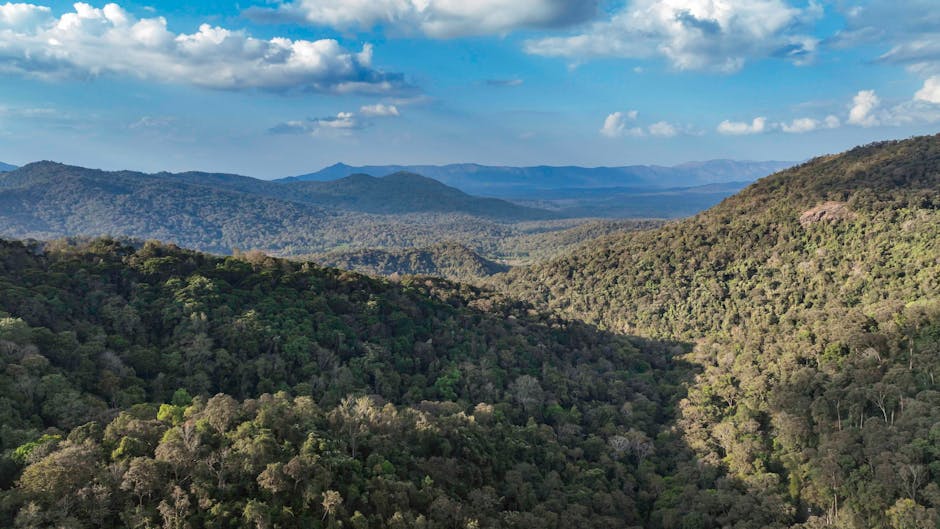
I still remember my first drive from Mori to Purola, winding through narrow mountain roads with the Tons River glistening below like a silver thread. The air was crisp, carrying the scent of pine, and every turn revealed a postcard-perfect view of snow-dusted peaks. I stopped at a tiny roadside shack for chai, where a local shared stories of ancient temples hidden in the hills nearby. It felt like stepping into a forgotten world, far from the tourist traps of Uttarakhand’s more famous spots. What struck me most was the raw, unpolished charm of this route—villages untouched by time, meadows that seem endless, and a quiet that soothes the soul. This isn’t just a journey; it’s a rediscovery of nature and culture in its purest form. In this guide, you’ll discover why Mori to Purola deserves a spot on your travel list, along with insider tips on things to do, how to get there, where to stay, and hidden secrets only locals know.
Why Visit Mori to Purola?
- Untouched Beauty — This route offers pristine Himalayan landscapes with minimal tourist footprints, unlike crowded destinations like Mussoorie.
- Cultural Richness — Experience authentic Garhwali traditions in villages where time seems to stand still, with locals welcoming you like family.
- Adventure Haven — Perfect for trekking enthusiasts, with trails like Har Ki Dun starting near Mori, surrounded by panoramic views.
- Tranquil Escape — The serene Tons River and quiet meadows provide a peaceful retreat from urban chaos.
- Affordable Getaway — Enjoy a budget-friendly trip with low-cost stays and meals compared to mainstream hill stations.
- Biodiversity Delight — Spot rare Himalayan flora and fauna, especially during treks through dense forests along the route.
- Spiritual Vibes — Visit ancient temples tucked away in remote villages, offering a deep sense of history and devotion.
Top Things to Do & See
Har Ki Dun Trek (Starting Near Mori)
Embark on one of India’s most stunning treks, often called the “Valley of Gods,” with breathtaking views of Swargarohini Peak. Insider tip: Start early from Sankri village near Mori to avoid midday heat and catch the sunrise over the peaks.
Tons River Exploration
Spend a quiet afternoon by the crystal-clear Tons River, perfect for picnics or just soaking in the calm. Insider tip: Ask locals for hidden spots near Mori where the river forms natural pools ideal for a quick dip.
Purola Market Stroll
Wander through Purola’s small but vibrant market to pick up local handicrafts and taste traditional Garhwali snacks. Insider tip: Look for homemade woolen shawls sold by elderly women—they’re warmer and cheaper than in bigger towns.
Village Homestay Experience
Stay overnight in a village between Mori and Purola to live like a local, complete with home-cooked meals. Insider tip: Request a guided walk to nearby farms to see how millet and apples are grown organically.
Lakhamandal Temple (Near Mori)
Visit this ancient Shiva temple, steeped in Mahabharata lore, surrounded by serene deodar forests. Insider tip: Look for the mysterious stone lingam that locals believe changes color in sunlight.
Photography at Supin Valley
Capture the untouched beauty of Supin Valley near Purola, with its rolling meadows and distant snow peaks. Insider tip: Visit during late afternoon for golden-hour shots that make the landscape glow.
How to Reach Mori to Purola
Mori and Purola are tucked away in Uttarakhand’s Tons Valley, making them a bit remote but accessible with some planning. The nearest airport is Jolly Grant Airport in Dehradun, about 190 km from Mori. From there, hire a taxi or take a shared cab to Mori, which takes around 6–7 hours and costs approximately Rs 3,000–4,000 for a private cab. The nearest railway station is also in Dehradun, with similar road connectivity options. By road, Mori is about 170 km from Dehradun via Mussoorie and Barkot, while Purola is an additional 50 km from Mori, taking about 2 hours due to winding mountain roads. The best route is Dehradun–Mussoorie–Barkot–Mori–Purola, offering scenic views throughout. Local buses are available but less frequent, costing around Rs 300–500 per person for the entire stretch. Self-driving is an option if you’re comfortable with hilly terrain, but ensure your vehicle is in top condition.
Best Time to Visit
The ideal time to visit Mori to Purola is during the spring (March to May) and autumn (September to November), when the weather is pleasant with temperatures ranging from 10°C to 25°C. These shoulder seasons offer clear skies, blooming meadows, and perfect trekking conditions. Summer (June) is also fine, though slightly warmer at 15°C to 30°C, and great for river activities. Winter (December to February) brings snow, with temperatures dropping to 0°C or below, making it ideal for snow lovers but challenging for travel due to road blockages. Monsoon (July to August) is best avoided as heavy rains often lead to landslides, making roads risky, though the lush greenery during this time is mesmerizing if you’re willing to take the chance.
Where to Stay
Accommodation options along Mori to Purola are limited but charming, catering to different budgets. For budget travelers, small guesthouses and homestays in Mori and Purola offer basic rooms for Rs 800–1,500 per night; look for options near Sankri village for easy trek access. Mid-range stays include small hotels in Purola town, like Hotel Himalayan View, with comfortable rooms and mountain views for Rs 2,000–3,000 per night. For a more unique experience, opt for boutique homestays or eco-lodges near Mori, such as those in Netwar village, costing Rs 3,500–5,000 per night, often including meals and guided walks. Book in advance during peak seasons as rooms fill up quickly, especially near trekking hubs. Staying in villages between the two towns offers an authentic cultural experience with warm hospitality.
Trip Cost Breakdown (3-Day Trip for 2 People)
| Item | Cost |
|---|---|
| Accommodation (3 nights) | Rs 6,000 |
| Food (meals for 3 days) | Rs 3,000 |
| Transport (taxi from Dehradun & local travel) | Rs 5,000 |
| Activities (trekking guide, entry fees) | Rs 2,000 |
| Total | Rs 16,000 |
Suggested Itineraries
- 2-Day Quick Escape
- Day 1: Arrive in Mori by noon from Dehradun (6–7 hours drive). Check into a homestay, explore the Tons River banks in the afternoon (2–3 hours), and enjoy a quiet evening with local food.
- Day 2: Morning visit to Lakhamandal Temple (1–2 hours), then drive to Purola (2 hours). Stroll through Purola market in the afternoon before heading back to Dehradun by evening.
- 3-Day Deep Dive
- Day 1: Reach Mori by noon from Dehradun. Settle into a homestay and spend the afternoon by the Tons River (2–3 hours), soaking in the views and interacting with locals.
- Day 2: Early morning start for a short trek or village walk near Mori (3–4 hours). Post-lunch, drive to Purola (2 hours), check into accommodation, and explore Supin Valley for photography in the late afternoon.
- Day 3: Morning visit to Purola market for souvenirs (1–2 hours), followed by a leisurely drive back to Dehradun with stops for scenic views along the way.
Ideal For
- Nature lovers seeking unspoiled Himalayan landscapes and quiet retreats.
- Trekkers and adventure enthusiasts looking for offbeat trails like Har Ki Dun.
- Budget travelers wanting an affordable yet enriching mountain getaway.
- Cultural explorers eager to experience authentic Garhwali village life.
- Photographers chasing dramatic mountain vistas and golden-hour shots.
Safety, Permits & Local Etiquette
- Inner Line Permit: No special permits are required for Indian nationals to travel between Mori and Purola. However, for treks like Har Ki Dun, a forest department permit may be needed, costing around Rs 150–200 per person, obtainable at Sankri.
- Mobile Connectivity: Network coverage is spotty, especially in remote villages. Major providers work in Mori and Purola towns, but don’t rely on data for navigation—carry offline maps.
- Solo Female Traveller: The region is generally safe with friendly locals, but stick to populated areas and avoid late-night walks. Travel with a group if trekking, and inform your accommodation of your plans.
- Do's & Don'ts: Respect local customs by dressing modestly, especially near temples. Ask permission before photographing people. Avoid littering—carry trash back. Bargain politely in markets, and tip guides for good service.
Hidden Tips Only Repeat Visitors Know
- Carry cash as ATMs are scarce in both Mori and Purola; small shops rarely accept digital payments.
- Pack light woolens even in summer—nights get chilly at higher altitudes.
- Hire local guides for treks; they know shortcuts and hidden viewpoints tourists miss.
- Taste “mandua ki roti” (finger millet bread) at village homestays—it’s a Garhwali specialty.
- Visit during local festivals for cultural dances and fairs, often unadvertised to outsiders.
- Stop at roadside dhabas for fresh “pahadi chai” made with local herbs.
- Carry a reusable water bottle—mountain streams are often safe to refill after checking with locals.
- Book homestays directly by contacting owners; online platforms charge extra fees.
Frequently Asked Questions
Q: Is Mori to Purola worth visiting?
Absolutely, if you’re seeking an offbeat Himalayan escape. This route offers stunning landscapes, authentic village experiences, and peaceful vibes away from crowded tourist spots. It’s perfect for nature lovers and trekkers. You’ll leave with memories of untouched beauty and warm hospitality.
Q: How many days are enough for Mori to Purola?
A 2-day trip covers the basics, including key sights like the Tons River and Purola market. However, 3–4 days are ideal to include treks like Har Ki Dun or deeper village exploration. It depends on your pace and interest in adventure or relaxation.
Q: Is Mori to Purola safe for solo female travellers?
Yes, it’s generally safe with welcoming locals, but precautions are necessary. Stick to main areas, avoid isolated spots at night, and travel with a group for treks. Inform your stay about your plans, and you’ll feel secure with the community’s warmth.
Q: Which is better — Mori to Purola or Mussoorie?
Mori to Purola is better for an authentic, quiet escape with raw nature and culture. Mussoorie, while beautiful, is often overcrowded and commercialized. Choose Mori to Purola for solitude and Mussoorie for amenities and nightlife. It depends on your travel style.
Q: Do I need permits for Mori to Purola?
No permits are needed for the general route between Mori and Purola for Indian nationals. However, specific treks like Har Ki Dun may require a forest department permit, easily obtained at Sankri. Check with local authorities if planning remote expeditions. It’s a hassle-free destination otherwise.
Q: Is Mori to Purola expensive?
No, it’s quite budget-friendly compared to popular hill stations. Accommodation, food, and local travel are affordable, with a 3-day trip for two costing around Rs 15,000–20,000. Costs rise slightly with treks or private taxis. It’s great value for an enriching experience.