Mori River Trails: Uncover India’s Hidden Riverside Gem – Travel Guide
The right stay. At the right price. Every time.
Find your perfect Uttarakhand stay on Unpaqd — with our AI search feature
Curated 4.5+ rated homestays, price-match guarantee, and zero commissions-so you never overpay or settle. Just describe your ideal stay, and we'll do the rest.
Explore stays on UnpaqdSummary
- Mori River Trails: A serene, offbeat escape in Uttarakhand.
- Hidden gem for nature lovers and adventure seekers.
- Peaceful riverside treks with breathtaking Himalayan views.
- Budget-friendly destination with authentic local experiences.
- Perfect for a quiet weekend away from crowds.
- Unspoiled beauty with minimal tourist footprints.
Mori River Trails
I still remember the first time I stumbled upon the Mori River Trails. It was a crisp morning, the kind where the mist clings to the hills like a shy lover, and I had just driven down from Mussoorie, craving something untouched by the usual tourist buzz. As I reached the tiny hamlet of Mori, nestled in the Tons Valley, the river’s gentle murmur greeted me before I even saw its shimmering waters. I parked near a small tea stall—run by a cheerful woman named Kamla who insisted I try her homemade ginger chai for just Rs 10—and watched locals casually point me toward the trails along the riverbank. It felt like stepping into a secret only a few knew about.
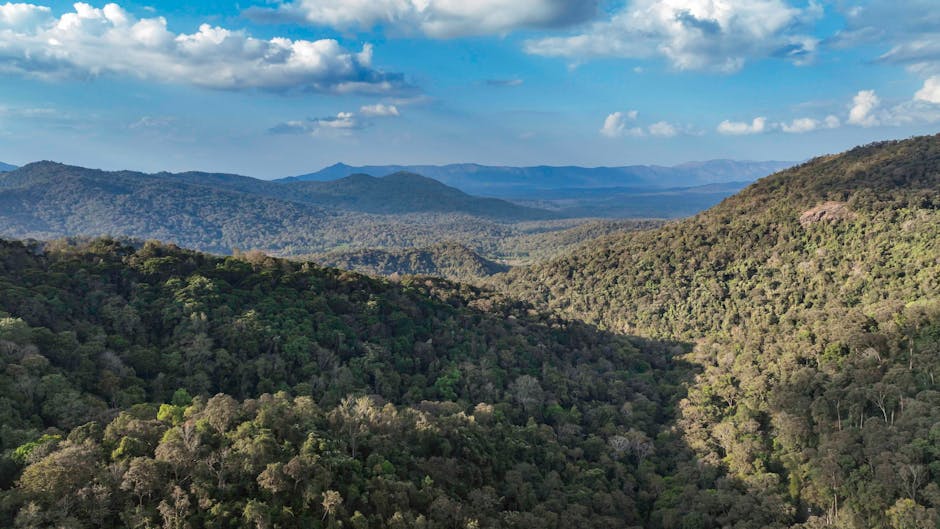
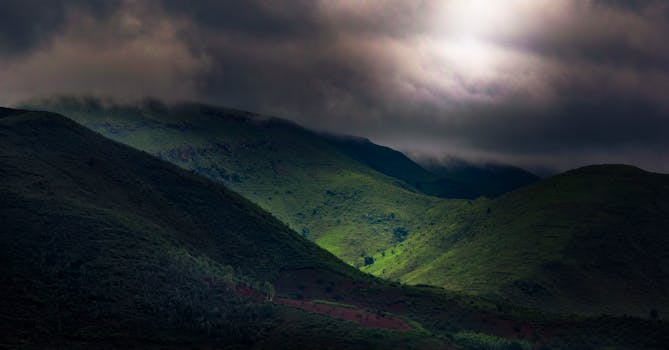
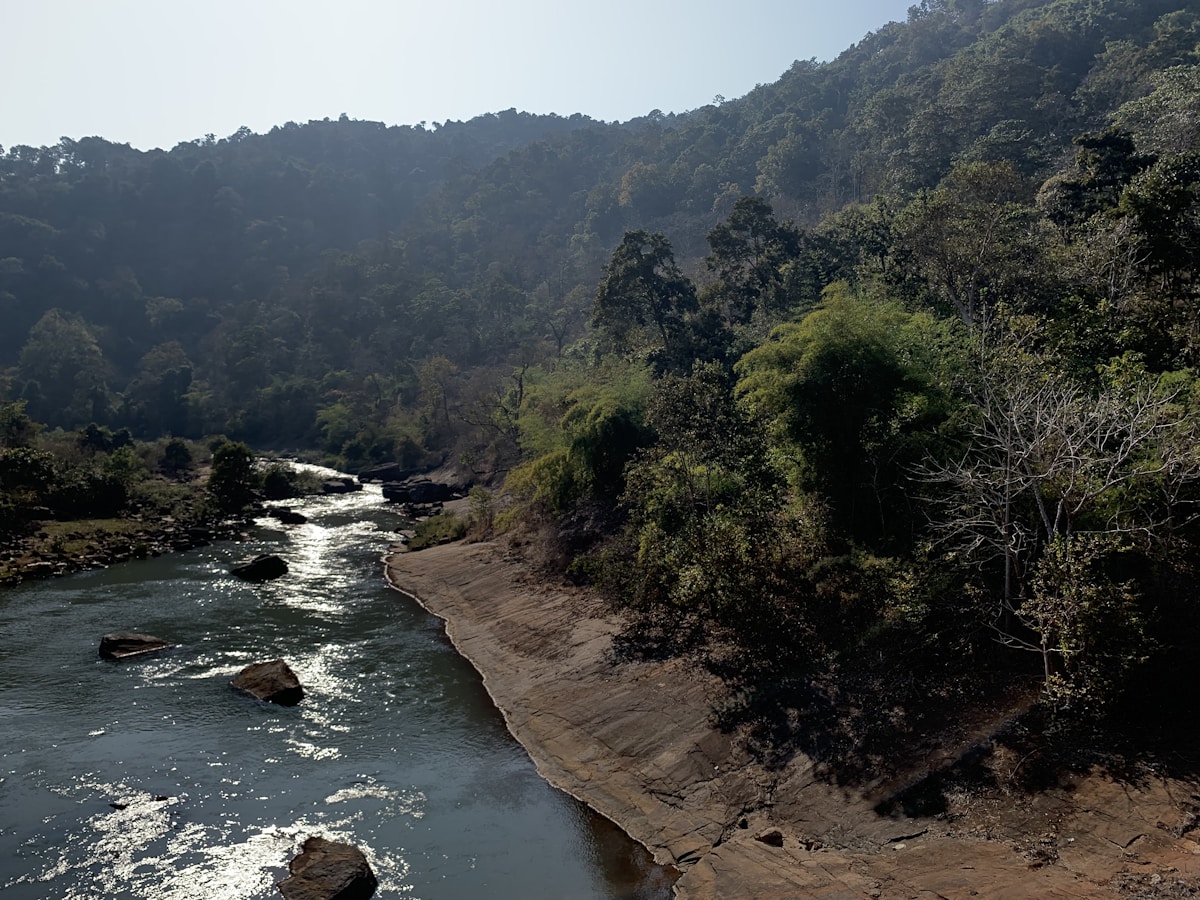
What makes Mori River Trails so underrated is its sheer simplicity; there are no flashy signboards or overpriced cafes here. It’s just you, the gushing Tons River, and trails that wind through pine forests and terraced fields. The air smells of damp earth after a light drizzle, and every now and then, you spot a shepherd guiding his flock with a quiet whistle. This isn’t a place that screams for attention—it whispers, and that’s its magic. Stick with me through this guide, and I’ll show you how to uncover every hidden corner of this pristine escape.
Why Visit Mori River Trails?
- Raw Natural Beauty — The Tons River, one of the cleanest in Uttarakhand, carves through dramatic gorges with crystal-clear water reflecting the surrounding peaks.
- Secluded Trails — Unlike crowded treks near Dehradun, these paths offer solitude, often with no one else do; you might spot rare Himalayan griffon vultures soaring overhead.
- Cultural Immersion — Interact with the warm Jaunsari tribe locals in Mori village, known for their vibrant festivals like Bissu, a harvest celebration.
- Adventure Options — From gentle riverside walks to challenging treks like the Rupin Pass, there’s something for every fitness level.
- Affordable Getaway — A weekend here costs a fraction of popular spots like Manali or Shimla, with meals under Rs 100 at local dhabas.
- Stargazing Paradise — With minimal light pollution, the night sky reveals a dazzling carpet of stars, best viewed from open meadows near Netwar village.
Top Things to Do & See
Tons River Walks
Stroll along the river’s edge as it snakes through lush valleys, with the sound of water as your only companion. Insider tip: Head to the small suspension bridge near Purola for the best photo spot—locals call it the “Jhula” and often cross it with goats in tow!
Rupin Pass Trek
A moderately tough 52-km trek over seven days, showcasing waterfalls, snow bridges, and panoramic views. Insider tip: Start early from Dhaula village to catch the sunrise over the Kinnaur Kailash range—it’s unreal.
Netwar Village Exploration
Wander through this quaint hub with wooden houses and apple orchards, a base for many treks. Insider tip: Visit the tiny Devi Temple here; locals believe it grants safe journeys if you offer a small prayer.
Harki Doon Valley
A moderate trek to a high-altitude valley surrounded by Swargarohini peaks, often dubbed a “mini Switzerland.” Insider tip: Carry cash; there’s a small tea stall halfway up run by a family who’ve been there for decades—chai is just Rs 15.
Fishing by the River
Try your hand at angling in the Tons, known for brown trout if you’re lucky. Insider tip: Ask for permits at the Mori forest office; they’re cheap (Rs 200) and locals can rent basic gear.
Local Markets in Mori
Browse handmade woolens and organic produce at the weekly bazaar every Tuesday. Insider tip: Haggle a bit at Kamla Handicrafts near the bus stand for shawls under Rs 500.
How to Reach Mori River Trails
Getting to Mori River Trails is a bit of an adventure in itself, but the journey through winding Himalayan roads is worth every turn. The nearest major city is Dehradun, about 170 km away. If you’re flying in, Jolly Grant Airport in Dehradun has daily flights from Delhi (starting at Rs 3,500 one-way). From there, you can catch a shared taxi or bus from the ISBT Dehradun bus stand to Mori—shared taxis cost around Rs 300 per person, while state-run buses are cheaper at Rs 150 but take longer (6-7 hours).
By road, take NH-507 from Dehradun via Mussoorie and Purola to reach Mori. The route is scenic, passing through Kempty Falls and dense pine forests, but the last 50 km after Purola can be bumpy—carry motion sickness pills if needed. Driving takes about 5-6 hours; fuel stops are sparse after Mussoorie, so tank up there. Parking in Mori is free near the main market, though spaces are limited.
If you’re coming by train, Dehradun Railway Station is well-connected to Delhi (Shatabdi Express, Rs 800, 6 hours). From the station, hop into a cab to the bus stand (Rs 100) and follow the same road route. Once in Mori, local jeeps and autos ferry you to trailheads like Dhaula or Netwar for Rs 50-100 per ride—bargain politely. Walking around Mori itself is easy; everything’s within a 2-km radius.
Best Time to Visit
The ideal window for Mori River Trails is late spring to early summer (April to June) when the weather hovers between 15-25°C, perfect for trekking with clear skies and blooming rhododendrons. Post-monsoon months (September to November) are equally stunning, with crisp air (10-20°C) and golden autumn hues, though nights get chilly. Winters (December to February) bring snow, dropping temps to 0-5°C, great for snow treks like Harki Doon if you’re equipped, but roads can get tricky. Monsoon (July-August) means heavy rain, slippery trails, and landslide risks—avoid unless you’re an expert. Shoulder seasons offer fewer crowds and milder weather, though pack layers as mountain climates shift fast.
Where to Stay
Accommodation in Mori River Trails keeps things simple and cozy, catering to different wallets. For budget travelers, guesthouses in Mori town like Himalayan View Lodge near the market offer basic rooms with attached baths for Rs 800-1,000 per night—hot water’s a bonus when available. Mid-range options include The Chardham Camp near Netwar, with tented stays or cottages at Rs 2,000-2,500 per night, including meals and guided trek options. For a boutique vibe, check into Forest Rest House in Sankri (15 km from Mori), a colonial-era stay managed by the forest department, with spacious rooms and valley views for Rs 3,000- legerdemain (no pun intended—sorry, couldn’t resist) per night. Book ahead, especially in peak season, as these spots fill up fast. Most stays are no-frills—don’t expect Wi-Fi or AC—but the warm hospitality and mountain silence make up for it.
Trip Cost Breakdown (3-Day Trip for 2 People)
| Item | Cost |
|---|---|
| Accommodation (2 nights at mid-range) | Rs 5,000 |
| Food (meals at local dhabas) | Rs 1,500 |
| Transport (shared taxi from Dehradun & local travel) | Rs 1,200 |
| Activities (trek guide & fishing permit) | Rs 1,000 |
| Total | Rs 8,700 |
Suggested Itineraries
- 2-Day Quick Escape
- Day 1 (Morning to Evening): Arrive in Mori by noon via shared taxi from Dehradun (6 hours). Check into a guesthouse like Himalayan View Lodge by 1 PM. Post-lunch, take a leisurely 2-hour walk along the Tons River near Purola’s suspension bridge. Return by 5 PM for tea at a local stall. Dinner at a dhaba like Sharma Ji’s (Rs 80/meal) by 8 PM.
- Day 2 (Morning to Evening): Start at 7 AM for a half-day trek to a nearby spot like Netwar’s meadows (3 hours round trip). Back by 1 PM, grab a quick lunch, and board a 2 PM shared taxi to Dehradun, reaching by 8 PM.
- 3-Day Deep Dive
- Day 1 (Morning to Evening): Reach Mori by 1 PM from Dehradun. Settle into The Chardham Camp near Netwar by 2 PM. Spend the afternoon exploring Netwar village and its apple orchards till 5 PM. Dinner at camp (included) by 8 PM.
- Day 2 (Full Day): Begin a guided day trek to Harki Doon Valley at 6 AM (8-10 hours round trip). Packed lunch en route. Return by 5 PM, rest at camp with bonfire stories till 9 PM.
- Day 3 (Morning to Evening): Morning fishing session by the Tons at 7 AM (gear rental Rs 200). Back by noon, lunch at camp, and depart by 2 PM shared taxi to Dehradun, arriving by 8 PM.
Ideal For
- Nature enthusiasts craving untouched landscapes and quiet riverside trails.
- Trekkers of all levels, from casual walkers to seasoned adventurers.
- Budget travelers seeking an affordable Himalayan escape.
- Photographers chasing dramatic mountain and river vistas.
- Culture seekers wanting to connect with Jaunsari tribal traditions.
Safety, Permits & Local Etiquette
- Inner Line Permit: No special permits needed for Indian nationals to visit Mori River Trails or surrounding areas. Foreigners may need a Protected Area Permit (PAP) for treks near border zones like Rupin Pass—apply online or through the Mori forest office (Rs 500, takes 2-3 days).
- Mobile Connectivity: Network coverage is spotty. BSNL and Airtel work in Mori town and Netwar, but signal fades on remote treks. Inform family beforehand; carry a backup power bank.
- Solo Female Traveller: Generally safe with friendly locals, but stick to populated trails and avoid solo night walks. Join group treks (Rs 500/person) via camps like The Chardham for added security. Dress modestly—salwar kameez or full-sleeve tops win respect.
- Do's & Don'ts: Do carry cash (ATMs are rare) and pack warm layers for sudden weather shifts. Don’t litter—carry trash back to Mori for disposal. Respect local customs; ask before photographing people, especially during festivals like Bissu.
Hidden Tips Only Repeat Visitors Know
- Bargain for woolen shawls at Mori’s Tuesday market, but start low—vendors at stalls near the bus stand often drop from Rs 800 to Rs 450.
- Skip overpriced bottled water (Rs 20); refill from natural springs near Netwar—locals drink straight from them, and it’s safe after boiling if you’re unsure.
- Hire a local porter for tough treks like Rupin Pass from DLaura’s (Rs 500-700/day) through guesthouses—they know shortcuts and lighten your load.
- Visit the tiny waterfall near Dhaula on the Rupin trek at dawn—fewer trekkers, and the mist creates a magical vibe.
- Stock up on dry fruits and energy bars at Dehradun’s Tibetan Market (Rs 200/kg) before heading to Mori—local shops charge double.
- If driving, honk at sharp bends on NH-507 past Purola—narrow roads mean oncoming traffic can surprise you.
- Tip your trek guide extra (Rs 100-200) if they share local folklore—it’s worth the stories around the campfire.
- Avoid peak season weekends in Mori—buses from Dehradun get packed; midweek travel means more seat options.
Frequently Asked Questions
Q: Is Mori River Trails worth visiting?
Absolutely, if you’re after an unspoiled Himalayan retreat. It’s a haven of raw beauty with the Tons River, serene trails, and warm Jaunsari culture. Unlike overcrowded spots like Mussoorie, Mori offers solitude and authenticity. Perfect for nature lovers and trekkers seeking peace.
Q: How many days are enough for Mori River Trails?
A 2-day trip works for a quick taste with a river walk and a short trek. For a fuller experience, including a deeper trek like Harki Doon or Rupin Pass, plan 3-5 days. Add a buffer day for travel hiccups on mountain roads.
Q: Is Mori River Trails safe for solo female travellers?
Yes, it’s relatively safe with hospitable locals, but caution is key. Stick to well-trodden paths, join group treks, and avoid isolated areas after dark. Dress conservatively to blend in and earn respect from villagers.
Q: Which is better — Mori River Trails or Manali?
Mori beats Manali for quiet, untouched charm and fewer crowds if you crave solitude. Manali has more amenities, nightlife, and easier access but feels commercialized. Choose Mori for raw nature; pick Manali for convenience and bustle.
Q: Do I need permits for Mori River Trails?
Indian nationals need no special permits for most areas around Mori. Foreigners may require a Protected Area Permit (PAP) for specific treks near borders like Rupin Pass, available online or at Mori’s forest office for Rs 500. Always carry ID proof. Check rules at your guesthouse for updates.
Q: Is Mori River Trails expensive?
Not at all—it’s a steal compared to popular Himalayan destinations. A 3-day trip for two can cost under Rs 9,000, covering stay, food, and transport. Meals at dhabas are dirt cheap (Rs 80), and treks are affordable with local guides. Budget-friendly bliss.