Mori River Lesser Paths: India’s Hidden Gem Travel Guide
The right stay. At the right price. Every time.
Find your perfect Uttarakhand stay on Unpaqd — with our AI search feature
Curated 4.5+ rated homestays, price-match guarantee, and zero commissions-so you never overpay or settle. Just describe your ideal stay, and we'll do the rest.
Explore stays on UnpaqdSummary
- Mori River Lesser Paths: A true hidden gem in Uttarakhand.
- Perfect for offbeat explorers seeking untouched natural beauty.
- Offers peaceful trails away from crowded tourist spots.
- Budget-friendly with authentic local experiences.
- Ideal for nature lovers and slow travelers.
- A serene escape with unmatched river views.
Mori River Lesser Paths
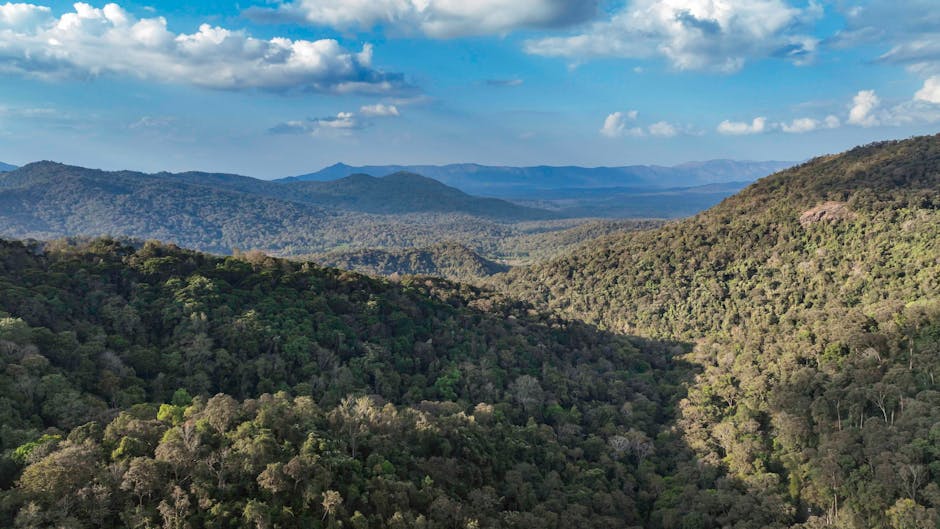
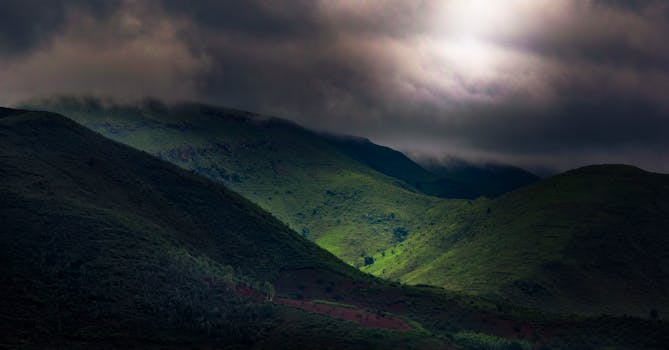
I still remember that early morning by the Mori River, the mist clinging to the hills like a soft blanket as I sipped piping hot chai from a tiny stall run by a cheerful woman named Kamla. It was barely 6:30 AM, and the air carried a sharp chill, but her smile warmed me more than the tea. The river, a shimmering ribbon of turquoise, flowed quietly below, flanked by paths so obscure that even Google Maps seemed clueless. This isn’t your typical tourist haunt in Uttarakhand; it’s a place where silence speaks louder than selfies. What makes Mori River Lesser Paths so special is its raw, unpolished charm—think hidden trails leading to secret waterfalls and villages where time seems to have paused. I stumbled upon a local shepherd who pointed me to a vantage point only the villagers know, and the view of the river cutting through the valley stole my breath. If you’re craving a slice of serenity far from the usual chaos of hill stations, this guide will show you why Mori River’s lesser-known trails deserve a spot on your travel map.
Why Visit Mori River Lesser Paths?
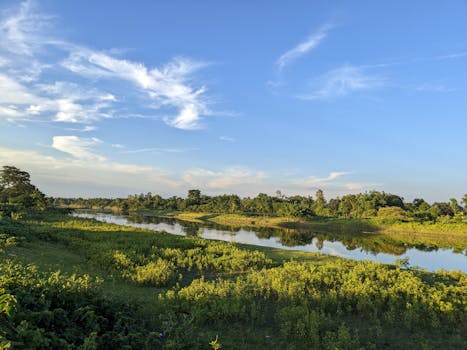
- Untouched Nature — The river’s crystal-clear waters reflect pine-covered hills, creating postcard-perfect views untouched by mass tourism.
- Hidden Trails — These lesser-known paths offer solitude, winding through forests and meadows where you’re more likely to meet a curious goat than another traveler.
- Cultural Immersion — Interact with locals in nearby villages like Netwar, who welcome you with stories and homemade pahadi meals.
- Adventure Potential — From light treks to riverside camping, there’s just enough thrill for adventurers without overwhelming the calm.
- Affordable Escape — Experience the beauty of Uttarakhand without the hefty price tags of more commercialized spots.
- Photographer’s Paradise — Capture dramatic landscapes, especially at sunrise when the river mirrors the first golden light.
- Spiritual Calm — The quietude here, paired with the gentle sound of flowing water, feels almost meditative, a rare find in today’s world.
Top Things to Do & See
Dhaula Waterfall
A mesmerizing cascade tucked deep within the forest, its roar drowns out every worldly worry. Insider tip: Visit just after monsoon for the fullest flow, and ask locals for the shortcut path behind the old banyan tree to avoid the longer route.
Netwar Village Walk
Wander through this quaint village to see traditional wooden houses and terraced fields carved into the hills. Insider tip: Stop by Shanti’s small shop near the village entrance for handmade woolen socks—perfect keepsakes at just Rs 150 a pair.
Riverside Camping at Mori
Spend a night under the stars with the river’s lullaby as your soundtrack. Insider tip: Book through local operators near Mori market for authentic setups, and request a spot near the quieter bend for privacy.
Trek to Har Ki Dun Trailhead
Start this iconic trek from near Mori for jaw-dropping views of the Swargarohini peak. Insider tip: Carry a small packet of roasted chana from Mori’s local stalls—vendors sell it for Rs 20, and it’s the perfect trail snack.
Birdwatching Along Lesser Paths
Spot Himalayan magpies and kingfishers in the dense foliage flanking the river. Insider tip: Head out at dawn near the wooden bridge past Netwar for the best sightings, and keep your camera ready.
Photography at Sunset Point
A little-known spot overlooking the river where the sky turns into a canvas of orange and pink. Insider tip: Ask for directions to “Chhota Pahad” from locals in Mori—most tourists miss this gem.
How to Reach Mori River Lesser Paths
Reaching Mori River Lesser Paths takes a bit of effort, but that’s what keeps it so pristine. The nearest major city is Dehradun, about 180 km away. If you’re flying in, Jolly Grant Airport in Dehradun is your best bet, with frequent flights from Delhi and Mumbai. From there, hire a taxi or hop on a shared jeep to Mori town, the gateway to these lesser paths. The drive along NH-507 is stunning, passing through Mussoorie and crossing the Yamuna River at Naugaon. It takes around 5-6 hours, and a private cab will set you back about Rs 3,500-4,000, while shared jeeps from Dehradun’s ISBT cost Rs 300-400 per person.
If you’re coming by train, Dehradun Railway Station is well-connected to major cities like Delhi (Shatabdi Express is a comfortable option). From the station, follow the same road route via NH-507. For self-drivers, the roads are mostly smooth, though narrow stretches near Purola can be tricky—drive slow and honk at blind turns. Once in Mori, park near the main market and ask for directions to Netwar or the river trails; locals are happy to help. Local transport like auto-rickshaws is sparse, so plan to walk or hire a bike for Rs 500 a day from shops near Mori bus stand. Pro tip: Fuel up at the last petrol pump in Purola, 30 km before Mori, as options are limited beyond that.
Best Time to Visit
The ideal window to explore Mori River Lesser Paths is between March to May and September to November. During these shoulder months, the weather is pleasant, with temperatures hovering between 15°C to 25°C during the day, dipping to 5°C-10°C at night—perfect for trekking and camping. Summers (June) can get slightly warm, touching 28°C, but the river breeze keeps it manageable. Monsoon, from July to August, brings heavy rain, making trails slippery and risky; avoid this season unless you’re prepared for sudden downpours. Winters, especially December to February, are bitterly cold with chances of snow, but if you’re bundled up, the misty river views are magical. I’d recommend late autumn for the crisp air and golden foliage that frames the river like a painting.
Where to Stay
Accommodation near Mori River Lesser Paths is limited but charming, catering to various budgets. For budget travelers, guesthouses in Mori town like Hotel Himalayan View offer basic rooms for Rs 800-1,000 per night, with clean beds and hot water if you ask in advance. They’re right near the market, so grabbing supplies is easy. For a mid-range option, try Riverside Homestay near Netwar, about 15 km from Mori, where cozy rooms with river views go for Rs 1,500-2,000 per night; the owners often cook fresh meals for an extra Rs 200 per person. If you’re after something more boutique, check into Pinewood Retreat just outside Mori, where wooden cottages with private balconies cost around Rs 3,000-3,500 per night. They’re a bit isolated, so book transport in advance. Camping is also popular—local operators near Mori market set up riverside tents for Rs 1,200 per night for two, including a bonfire if the weather permits.
Trip Cost Breakdown (3-Day Trip for 2 People)
| Item | Cost |
|---|---|
| Accommodation (Mid-range, 2 nights) | Rs 4,000 |
| Food (Meals at local eateries) | Rs 2,400 |
| Transport (Shared jeep + local bike hire) | Rs 1,800 |
| Activities (Trekking, camping extras) | Rs 1,500 |
| Total | Rs 9,700 |
Suggested Itineraries
- 2-Day Quick Escape
- Day 1: Arrive in Mori by noon via NH-507, check into a guesthouse, and explore the local market by 3 PM. Head to Dhaula Waterfall for a short trek before sunset at 6 PM. Dinner at a local dhaba by 8 PM.
- Day 2: Start early at 6 AM for a riverside walk near Netwar, followed by birdwatching till 9 AM. Return to Mori for lunch at 1 PM, then depart by 3 PM.
- 3-Day Deep Dive
- Day 1: Reach Mori by midday, settle into accommodation, and spend the afternoon exploring Netwar Village till 5 PM. Evening bonfire by the river at 7 PM.
- Day 2: Begin with a 7 AM trek to Har Ki Dun trailhead, return by 2 PM for lunch. Head to Sunset Point for photography at 5 PM, back by 8 PM for dinner.
- Day 3: Morning riverside camping setup at 8 AM, relax or fish till noon. Pack up, have a quick lunch in Mori at 1 PM, and leave by 3 PM.
Ideal For
- Nature enthusiasts who crave quiet hikes and scenic riverscapes.
- Budget travelers looking for authentic experiences without breaking the bank.
- Photographers eager to capture raw, unfiltered Himalayan beauty.
- Solo adventurers or small groups seeking solitude over crowded destinations.
- Cultural explorers interested in rural Uttarakhand’s way of life.
Safety, Permits & Local Etiquette
- Inner Line Permit: Not required for Indian nationals; foreign visitors may need to register at the Mori police station for security checks.
- Mobile Connectivity: Spotty at best—BSNL works in Mori town, but signals vanish on remote trails. Inform family before heading out.
- Solo Female Traveller: Generally safe with friendly locals, but stick to daylight hours for treks and avoid isolated paths after dark. Carry a whistle for emergencies.
- Do's & Don'ts: Respect village customs by dressing modestly, ask before photographing people, and don’t litter—carry trash back to Mori for disposal.
Hidden Tips Only Repeat Visitors Know
- Bargain for local transport in Mori market; bike rentals can drop to Rs 400 if you negotiate politely.
- Carry cash—ATMs are unreliable past Purola, and card payments are rare.
- Pack light woolens even in summer; evenings by the river get unexpectedly chilly.
- Buy honey from roadside stalls near Netwar; it’s pure, local, and just Rs 200 for a small jar.
- Chat with chai vendors for trail updates—they often know about recent landslides or shortcuts.
- Avoid weekends if possible; nearby areas see day-trippers, though the lesser paths stay quiet.
- Bring a portable water filter; river water looks clear but needs purification before drinking.
- Bookmark offline maps; GPS often fails, but locals near Mori bridge can guide you accurately.
Frequently Asked Questions
Q: Is Mori River Lesser Paths worth visiting?
Absolutely, if you’re after a peaceful retreat far from tourist crowds. The untouched river views and hidden trails offer a rare chance to connect with nature. It’s perfect for those who value solitude over Instagram-worthy chaos. Just don’t expect luxury—this is raw, real Uttarakhand.
Q: How many days are enough for Mori River Lesser Paths?
Two to three days are ideal to soak in the essence of this place. A quick weekend trip covers major spots like Dhaula Waterfall and Netwar, while an extra day lets you camp or trek deeper. Rushing through in a day feels incomplete.
Q: Is Mori River Lesser Paths safe for solo female travellers?
It’s relatively safe with welcoming locals, but caution is key. Stick to daylight hours for treks, stay near populated areas like Mori town, and avoid isolated trails at night. Carrying a whistle or pepper spray adds an extra layer of security.
Q: Which is better — Mori River Lesser Paths or Rishikesh?
It depends on your vibe. Rishikesh offers adventure sports and spiritual hubs but is crowded and commercialized. Mori River Lesser Paths is quieter, focusing on nature and solitude, though it lacks big amenities. Choose Mori for peace, Rishikesh for action.
Q: Do I need permits for Mori River Lesser Paths?
Indian travelers don’t need permits to explore this area. Foreign nationals should check in at the Mori police station for a quick registration, just for safety records. It’s a simple process, often done in under 30 minutes. Carry ID proof regardless.
Q: Is Mori River Lesser Paths expensive?
Not at all—it’s one of Uttarakhand’s more affordable destinations. A 3-day trip for two can cost under Rs 10,000, covering stay, food, and local travel. Prices for guesthouses and meals are reasonable, and many activities like trekking are free. It’s a steal for the experience.