Mawlynnong
The right stay. At the right price. Every time.
Find your perfect Meghalaya stay on Unpaqd — with our AI search feature
Curated 4.5+ rated homestays, price-match guarantee, and zero commissions-so you never overpay or settle. Just describe your ideal stay, and we'll do the rest.
Explore stays on UnpaqdSummary
- Mawlynnong: Asia's cleanest village, a true hidden gem.
- Perfect for offbeat travelers seeking serene escapes.
- Lush greenery, living root bridges, and peaceful vibes.
- Authentic cultural immersion with warm local hospitality.
- Budget-friendly destination with incredible value for money.
- Ideal for nature lovers and slow-paced journeys.
Mawlynnong
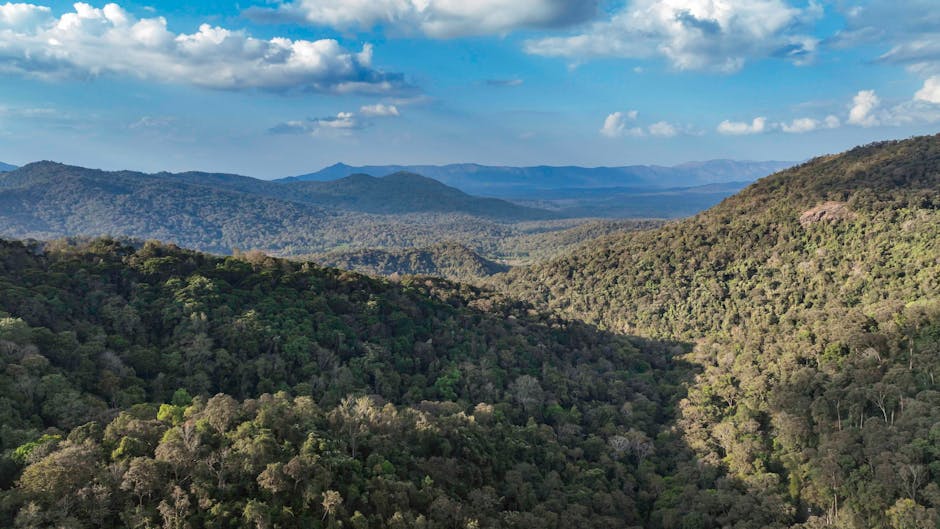
As I stepped into Mawlynnong for the first time, I was struck by an almost surreal cleanliness—bamboo dustbins lined the paths, not a speck of litter in sight, and villagers swept their yards with a quiet dedication. Nestled in the East Khasi Hills of Meghalaya, this tiny village, often dubbed "Asia's Cleanest Village," felt like stepping into a postcard. I remember a local woman smiling as she explained their community’s unwritten rule: cleanliness is a way of life, not a chore. It’s a place where nature and culture blend seamlessly, with lush greenery, cascading streams, and the iconic living root bridges crafted by the Khasi tribe. Yet, despite its charm, Mawlynnong remains underrated, overshadowed by more popular destinations in the Northeast. It’s a sanctuary for those who crave authenticity over tourist traps, offering a glimpse into a world where simplicity reigns supreme.
In this guide, you’ll discover why Mawlynnong deserves a spot on your travel list, the best things to see and do, how to get there, where to stay, and insider tips to make your trip unforgettable.
Why Visit Mawlynnong?
- Unmatched Cleanliness — Recognized as Asia’s cleanest village, Mawlynnong’s commitment to hygiene is inspiring, with bamboo bins and spotless lanes setting a unique standard.
- Living Root Bridges — Witness nature’s engineering marvels, bridges grown from rubber tree roots, a sustainable art form unique to the Khasi hills.
- Cultural Authenticity — Interact with the warm Khasi community, whose matrilineal traditions and eco-conscious lifestyle offer a rare cultural insight.
- Scenic Beauty — Surrounded by rolling hills, waterfalls, and emerald forests, it’s a paradise for nature lovers seeking untouched landscapes.
- Tranquil Escape — Far from crowded tourist spots, Mawlynnong offers peace and quiet, perfect for unwinding amidst nature’s embrace.
- Border Views — Catch a glimpse of the Bangladesh plains from viewpoints like Sky View, a surreal experience blending two countries in one frame.
- Sustainable Living — Learn from a community that practices zero-waste living, with every household contributing to environmental harmony.
Top Things to Do & See
Living Root Bridge at Riwai
Marvel at the intricate living root bridge in nearby Riwai village, a natural wonder shaped over decades by intertwining rubber tree roots. Insider tip: Visit early morning to avoid small crowds and capture the bridge in soft, golden light.
Mawlynnong Village Walk
Stroll through the village’s impeccably clean lanes, lined with flower gardens and bamboo homes, soaking in its serene charm. Insider tip: Chat with locals about their cleanliness initiatives—they’re proud to share stories over a cup of tea.
Sky View Point
Climb up to this bamboo tower for panoramic views of the Bangladesh plains and surrounding hills, a breathtaking blend of borders and beauty. Insider tip: Carry binoculars if you have them; the view stretches endlessly on clear days.
Nohwet Viewpoint
Gaze at the cascading waterfalls and deep gorges from this lesser-known spot, offering a quiet escape into nature’s grandeur. Insider tip: Pack a light snack to enjoy a peaceful picnic with uninterrupted views.
Church of the Epiphany
Visit this quaint 100-year-old church, a symbol of the village’s Christian heritage, set amidst lush greenery. Insider tip: Attend a Sunday service if possible, to experience the community’s heartfelt hymns.
Balancing Rock
See this curious natural formation—a massive boulder precariously perched on a smaller rock, defying gravity. Insider tip: It’s a short hike away, so wear sturdy shoes and ask locals for the exact path.
How to Reach Mawlynnong
Mawlynnong is located in the East Khasi Hills of Meghalaya, about 90 km from Shillong, the state capital. The nearest airport is Shillong Airport (Umroi Airport), roughly 100 km away, though it has limited connectivity. For most travelers, Lokpriya Gopinath Bordoloi International Airport in Guwahati, Assam (about 170 km from Mawlynnong), is the more practical option, with frequent flights from major Indian cities. The nearest major railway station is also in Guwahati, well-connected to the rest of the country.
From Guwahati or Shillong, the most convenient way to reach Mawlynnong is by road. Hire a private taxi from Shillong for approximately Rs 2,500–3,000 one-way, which takes about 3–4 hours via the scenic Shillong-Dawki route. Shared taxis are also available from Shillong’s Bara Bazar area for around Rs 300–400 per person, though they may take longer due to multiple stops. The drive winds through misty hills and lush forests, making the journey as beautiful as the destination. If you’re driving, ensure your vehicle is in good condition as some stretches have narrow, winding roads.
Best Time to Visit
Mawlynnong is a year-round destination, but the ideal time to visit is during the post-monsoon and winter months, from October to February. During this period, the weather is pleasant, with temperatures ranging from 15°C to 25°C, perfect for exploring the village and nearby attractions. The skies are clear, offering stunning views of the hills and Bangladesh plains.
The shoulder season, from March to May, sees slightly warmer weather (20°C to 30°C) and fewer crowds, making it a good time for those who prefer solitude. The monsoon season, from June to September, brings heavy rainfall, turning the region into a lush green paradise with gushing waterfalls. However, roads can get slippery, and outdoor activities might be limited, so pack rain gear and be prepared for occasional disruptions if you visit during this time.
Where to Stay
Accommodation in Mawlynnong is limited but charming, with options catering to different budgets. Most stays are homestays or small guesthouses run by locals, offering a personal touch and authentic Khasi hospitality.
- Budget: Homestays in Mawlynnong village, like those near the village center, cost around Rs 800–1,200 per night. They provide basic amenities, clean rooms, and home-cooked meals, giving you a true taste of local life.
- Mid-Range: Guesthouses slightly outside the main village, such as those near Riwai, offer more comfort with prices ranging from Rs 1,500–2,500 per night. Expect cozy rooms, hot water, and scenic views.
- Boutique: For a slightly upscale experience, look for eco-friendly cottages or resorts near Dawki (about 30 km away), priced at Rs 3,000–5,000 per night. These often include guided tours and modern amenities while maintaining a rustic charm.
Booking in advance is recommended, especially during peak season, as options fill up quickly due to the village’s small size.
Trip Cost Breakdown (3-Day Trip for 2 People)
| Item | Cost |
|---|---|
| Accommodation (Mid-Range) | Rs 6,000 |
| Food (Local Meals) | Rs 3,000 |
| Transport (Taxi from Shillong & Local) | Rs 6,000 |
| Activities (Entry Fees & Guides) | Rs 1,000 |
| Total | Rs 16,000 |
Suggested Itineraries
- 2-Day Quick Escape
- Day 1: Arrive in Mawlynnong by noon from Shillong. Check into your homestay, have lunch, and take a village walk (2–4 PM) to admire the cleanliness and chat with locals. End the day at Sky View Point (4:30–6 PM) for sunset views.
- Day 2: Start early with a trek to the Living Root Bridge in Riwai (7–10 AM). Return for breakfast, visit the Balancing Rock (11 AM–1 PM), and depart for Shillong by afternoon.
- 3-Day Deep Dive
- Day 1: Reach Mawlynnong by midday. Settle into your stay and explore the village lanes (3–5 PM). Relax at a local tea stall and soak in the quiet evening.
- Day 2: Begin with the Living Root Bridge trek in Riwai (7–10 AM). Post-breakfast, head to Nohwet Viewpoint (11 AM–1 PM) for waterfall views. Afternoon, visit the Church of the Epiphany (2–3 PM) and Sky View Point (4–6 PM) for sunset.
- Day 3: Morning hike to Balancing Rock (8–10 AM). Return for a leisurely breakfast, shop for local handicrafts (11 AM–12 PM), and depart for Shillong by early afternoon.
Ideal For
- Nature enthusiasts who love lush landscapes and unique natural formations.
- Cultural explorers eager to learn about Khasi traditions and sustainable living.
- Solo travelers seeking safe, peaceful destinations with friendly locals.
- Couples looking for a romantic, offbeat getaway amidst serene surroundings.
- Families wanting a slow-paced, educational trip for all ages.
Safety, Permits & Local Etiquette
- Inner Line Permit: Not required for Indian citizens visiting Mawlynnong. However, international travelers need to register with local authorities in Shillong before heading to the village.
- Mobile Connectivity: Network coverage is patchy; major providers work sporadically in the village. Carry cash and inform family of limited connectivity before arrival.
- Solo Female Traveller: Mawlynnong is generally safe with a close-knit community. Stick to main paths, dress modestly, and avoid venturing alone into remote areas after dark.
- Do's & Don'ts: Respect the village’s cleanliness—use bamboo bins for waste. Ask permission before photographing locals. Avoid loud behavior to maintain the peaceful vibe. Support local vendors by buying handmade souvenirs.
Hidden Tips Only Repeat Visitors Know
- Carry cash in small denominations as ATMs are non-existent, and digital payments aren’t widely accepted.
- Pack light rain gear even outside monsoon season; sudden showers are common in the hills.
- Wear comfortable trekking shoes for root bridge trails—flip-flops won’t cut it on uneven terrain.
- Try local Khasi dishes like Jadoh (rice with meat) at small eateries; ask your homestay host for recommendations.
- Visit during weekdays to avoid weekend day-trippers from Shillong for a quieter experience.
- Bring a reusable water bottle—locals often provide filtered water to reduce plastic waste.
- If time permits, combine your trip with a visit to nearby Dawki for crystal-clear river views.
- Engage with children in the village; they often know hidden spots and love guiding visitors.
Frequently Asked Questions
Q: Is Mawlynnong worth visiting?
Absolutely, Mawlynnong is a gem for anyone seeking an offbeat experience. Its title as Asia’s cleanest village, coupled with natural wonders like living root bridges, makes it unique. The serene environment and cultural richness add to its charm. It’s perfect if you crave a break from crowded tourist spots.
Q: How many days are enough for Mawlynnong?
A 2–3 day trip is ideal to fully experience Mawlynnong. Two days cover the main attractions like the village walk and root bridges, while three days allow deeper exploration of viewpoints and nearby areas. It depends on your pace and interest in slow travel.
Q: Is Mawlynnong safe for solo female travellers?
Yes, Mawlynnong is generally safe for solo female travelers due to its tight-knit, friendly community. However, stick to well-trodden paths and avoid isolated areas at night. Dress modestly to respect local customs. Locals are welcoming and often look out for visitors.
Q: Which is better — Mawlynnong or Cherrapunji?
It depends on your preferences. Mawlynnong offers a quieter, cultural experience with its cleanliness and root bridges, ideal for slow travel. Cherrapunji, known for heavy rainfall and dramatic waterfalls, suits adventure seekers. Choose Mawlynnong for peace, Cherrapunji for raw nature.
Q: Do I need permits for Mawlynnong?
Indian citizens don’t need any permits to visit Mawlynnong. International travelers must register with authorities in Shillong before heading to the village. It’s a straightforward process, but ensure you carry valid identification. Check with your travel agent for the latest requirements.
Q: Is Mawlynnong expensive?
No, Mawlynnong is quite budget-friendly compared to mainstream destinations. Accommodation, food, and local transport are reasonably priced, with a 3-day trip for two costing around Rs 15,000–20,000. Costs vary based on your choice of stay and travel mode. It’s excellent value for an authentic experience.