Masked Owlet Moth Sanctuary
The right stay. At the right price. Every time.
Find your perfect Assam stay on Unpaqd — with our AI search feature
Curated 4.5+ rated homestays, price-match guarantee, and zero commissions-so you never overpay or settle. Just describe your ideal stay, and we'll do the rest.
Explore stays on UnpaqdSummary
- Masked Owlet Moth Sanctuary: India's serene hidden gem.
- Perfect for offbeat nature lovers seeking peace.
- Unspoiled landscapes with rare moth sightings.
- Budget-friendly escape from crowded tourist spots.
- Ideal for slow travel and introspection.
- A unique blend of biodiversity and tranquility.
Masked Owlet Moth Sanctuary
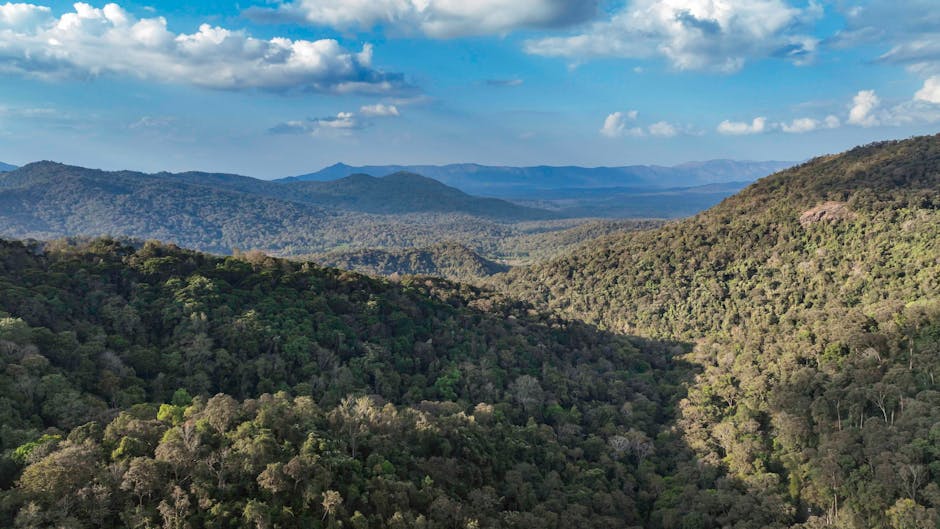
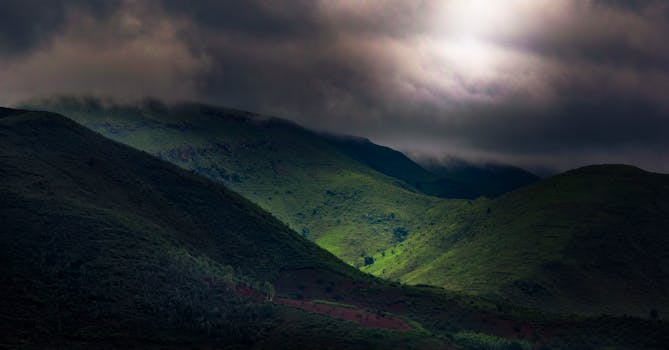
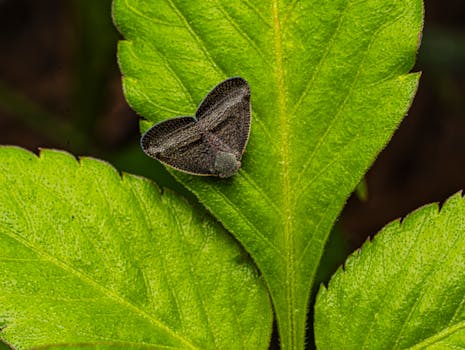
As I trekked through the dense, whispering forests of northeastern India, I stumbled upon a sight that stopped me in my tracks—a delicate Masked Owlet Moth, its intricate wing patterns resembling a mysterious tribal mask, fluttering under the pale moonlight. Tucked away in a remote corner of Assam, the Masked Owlet Moth Sanctuary is a lesser-known haven for nature enthusiasts and lepidopterists. This sanctuary, spanning a modest yet biodiverse area, is home to hundreds of moth species, with the Masked Owlet being the star. It’s not just about the moths; it’s the eerie stillness of the forest, the chorus of nocturnal creatures, and the feeling of being truly off the grid that makes this place magical. Underrated and untouched by mass tourism, it offers an intimate connection with nature that popular wildlife reserves often lack. In this guide, you’ll discover why this sanctuary deserves a spot on your travel list, how to reach it, the best things to do, and insider tips to make your visit unforgettable.
Why Visit Masked Owlet Moth Sanctuary?
- Rare Biodiversity — Home to the elusive Masked Owlet Moth, a species with mesmerizing wing patterns found nowhere else in such abundance.
- Untouched Serenity — Far from tourist crowds, the sanctuary offers a peaceful retreat with unspoiled natural beauty.
- Nocturnal Wonders — Experience guided night walks to witness moths and other creatures in their active hours.
- Cultural Connection — Nearby tribal villages provide a glimpse into indigenous lifestyles and folklore about moths.
- Photographic Paradise — The sanctuary’s misty forests and intricate moth wings are a dream for macro photography lovers.
- Eco-Friendly Travel — Conservation-focused tours ensure your visit supports local wildlife protection efforts.
- Affordable Escape — Enjoy a unique nature experience without the hefty price tag of mainstream destinations.
Top Things to Do & See
Masked Owlet Moth Night Trail
Embark on a guided night walk to spot the iconic Masked Owlet Moth in its natural habitat. Insider tip: Carry a UV light—locals say it attracts moths for better viewing.
Butterfly and Moth Interpretation Center
Learn about the sanctuary’s 200+ moth species through interactive displays and expert talks. Insider tip: Ask the staff for a peek at preserved specimens not on public display.
Sunrise Forest Trek
Hike through misty trails at dawn for breathtaking views and birdwatching opportunities. Insider tip: Wear muted colors to avoid startling wildlife, as locals do.
Tribal Village Visit
Interact with nearby indigenous communities and hear folklore about moths as spiritual symbols. Insider tip: Bring small gifts like notebooks for kids—locals appreciate the gesture.
Macro Photography Workshop
Capture the intricate details of moths and forest flora with expert-led sessions. Insider tip: Visit post-monsoon for the clearest wing patterns, a local photographer’s secret.
Riverside Picnic Spot
Relax by a serene stream cutting through the sanctuary, perfect for quiet contemplation. Insider tip: Ask guides for the hidden spot near the eastern edge—locals swear by its calm.
How to Reach Masked Owlet Moth Sanctuary
The Masked Owlet Moth Sanctuary is located in a remote part of Assam, near the border of Meghalaya, making it a bit of a journey—but one worth taking. The nearest major airport is Lokpriya Gopinath Bordoloi International Airport in Guwahati, about 180 kilometers away. From the airport, hire a taxi or take a shared cab to the sanctuary’s base village, which takes around 5–6 hours and costs approximately Rs 3,500–4,500 for a private cab. The nearest railway station is Guwahati Railway Station, also 180 kilometers away, with similar travel times and costs by road. If you’re driving, take the NH-27 from Guwahati towards Shillong, then follow local roads through scenic but narrow routes—expect a few bumpy stretches. Public buses from Guwahati to nearby towns like Jowai cost around Rs 300 per person, but you’ll need a local auto or taxi (Rs 500–800) for the last 20 kilometers to the sanctuary entrance. Pre-booking a taxi is recommended for convenience, as public transport options are limited.
Best Time to Visit
The ideal time to visit the Masked Owlet Moth Sanctuary is during the post-monsoon months from October to February, when the weather is cool (15–25°C) and moths are most active after the rains. This period offers clear skies for night trails and comfortable trekking conditions. The shoulder months of March and September are also pleasant, with slightly warmer temperatures (20–28°C) and fewer visitors. Monsoon, from June to August, brings heavy rainfall, making trails slippery and night walks challenging, though the forest is lush and vibrant. Winters can get chilly at night, so pack layers if visiting between December and January. Avoid peak summer months (April–May) as temperatures can soar to 30°C, and humidity makes outdoor activities less enjoyable.
Where to Stay
Accommodation near the Masked Owlet Moth Sanctuary is limited but charming, catering to different budgets. For budget travelers, consider staying at basic guesthouses or homestays in the nearby village of Mawphlang, about 15 kilometers away, with rates starting at Rs 800–1,200 per night. These offer simple rooms and home-cooked meals. For mid-range options, eco-lodges near the sanctuary entrance, such as those in Lumshnong, provide comfortable stays with nature views for Rs 2,000–3,000 per night. If you’re looking for something special, opt for boutique stays in Shillong, around 60 kilometers away, where quaint cottages and heritage properties cost Rs 4,000–6,000 per night. Booking in advance is advised, especially for eco-lodges, as they fill up quickly during peak seasons. Many accommodations can arrange local guides for sanctuary visits, so inquire during your stay.
Trip Cost Breakdown (3-Day Trip for 2 People)
| Item | Cost |
|---|---|
| Accommodation (Mid-range) | Rs 6,000 |
| Food (Local eateries & packed meals) | Rs 3,000 |
| Transport (Round trip from Guwahati) | Rs 8,000 |
| Activities (Guided tours & entry fees) | Rs 2,500 |
| Total | Rs 19,500 |
Suggested Itineraries
- 2-Day Quick Escape
- Day 1: Arrive by noon, check into accommodation near Mawphlang. Post-lunch, visit the Butterfly and Moth Interpretation Center (2–4 PM). Evening Masked Owlet Moth Night Trail (7–9 PM).
- Day 2: Early morning Sunrise Forest Trek (5–8 AM). After breakfast, explore a tribal village (10 AM–1 PM). Depart by afternoon.
- 3-Day Deep Dive
- Day 1: Reach by midday, settle into lodging near Lumshnong. Afternoon visit to the Interpretation Center (3–5 PM). Evening Masked Owlet Moth Night Trail (7–9 PM).
- Day 2: Start with Sunrise Forest Trek (5–8 AM). Post-breakfast, join a Macro Photography Workshop (10 AM–1 PM). Afternoon tribal village visit (2–5 PM).
- Day 3: Morning Riverside Picnic Spot relaxation (8–11 AM). Return to accommodation for checkout and depart by noon.
Ideal For
- Nature enthusiasts and wildlife photographers seeking rare moth sightings.
- Solo travelers or small groups craving offbeat, peaceful destinations.
- Families looking for educational and immersive outdoor experiences.
- Adventure seekers who enjoy night treks and forest exploration.
- Eco-conscious travelers supporting conservation-focused tourism.
Safety, Permits & Local Etiquette
- Inner Line Permit: Not required for Indian citizens visiting the sanctuary in Assam. However, if crossing into nearby Meghalaya areas, a permit may be needed for certain restricted zones—check with local authorities.
- Mobile Connectivity: Network coverage is patchy within the sanctuary. Major carriers work sporadically in nearby villages; carry a backup offline map or inform family of limited contact.
- Solo Female Traveller: Generally safe with locals being welcoming, but stick to guided tours and avoid venturing alone at night. Inform your accommodation of your plans.
- Do's & Don'ts: Respect tribal customs by asking permission before photographing people. Avoid littering—carry trash back. Do not use bright flashlights during night trails as they disturb moths. Dress modestly in villages to blend in with local norms.
Hidden Tips Only Repeat Visitors Know
- Pack a lightweight rain jacket even outside monsoon—sudden drizzles are common in the forest.
- Carry a small notebook to sketch or jot down moth sightings; guides often share rare species names.
- Visit the sanctuary mid-week to avoid small weekend crowds from nearby towns.
- Ask locals for homemade rice beer in villages—it’s a cultural delicacy not found in shops.
- Bring insect repellent with DEET; forest bugs can be relentless at night.
- Request guides to show lesser-known trails near the eastern boundary for solitude.
- Buy handmade tribal souvenirs like woven baskets directly from villagers for authenticity.
- Charge all devices before entering—power cuts are frequent near the sanctuary.
Frequently Asked Questions
Q: Is Masked Owlet Moth Sanctuary worth visiting?
Absolutely, especially if you love offbeat nature destinations. The sanctuary offers a rare chance to see the Masked Owlet Moth and other unique species in a tranquil setting. It’s a perfect escape from crowded tourist spots, blending biodiversity with cultural immersion.
Q: How many days are enough for Masked Owlet Moth Sanctuary?
A 2-day trip covers the essentials like night trails and village visits. However, 3 days allow a deeper exploration with treks, photography workshops, and relaxation. Tailor your stay based on how much time you want in nature.
Q: Is Masked Owlet Moth Sanctuary safe for solo female travellers?
Yes, it’s relatively safe with friendly locals and guided tours. Stick to group activities, avoid isolated areas at night, and keep your accommodation informed of your plans. Basic precautions ensure a smooth experience.
Q: Which is better — Masked Owlet Moth Sanctuary or Kaziranga National Park?
It depends on your interests. Kaziranga is ideal for big wildlife like rhinos and structured safaris, while Masked Owlet Moth Sanctuary offers a niche, serene experience with moths and forest treks. Choose the sanctuary for an offbeat, intimate nature escape.
Q: Do I need permits for Masked Owlet Moth Sanctuary?
No permits are required for Indian citizens visiting the sanctuary itself. If your itinerary includes nearby restricted areas in Meghalaya, an Inner Line Permit might be needed. Check with local authorities or your guide before planning side trips.
Q: Is Masked Owlet Moth Sanctuary expensive?
Not at all—it’s quite budget-friendly. A 3-day trip for two can cost under Rs 20,000, including travel, stay, and activities. Opting for local food and homestays further cuts costs without compromising the experience.