Mask-Making Villages Mishing
The right stay. At the right price. Every time.
Find your perfect Assam stay on Unpaqd — with our AI search feature
Curated 4.5+ rated homestays, price-match guarantee, and zero commissions-so you never overpay or settle. Just describe your ideal stay, and we'll do the rest.
Explore stays on UnpaqdTL;DR Summary
- Mask-Making Villages Mishing: Assam's hidden cultural treasure.
- Offbeat escape with authentic tribal mask-making heritage.
- Peaceful riverside vibes, far from tourist crowds.
- Budget-friendly travel with rich local experiences.
- Perfect for slow travel and cultural immersion.
- A rare glimpse into Mishing tribal traditions.
Mask-Making Villages Mishing
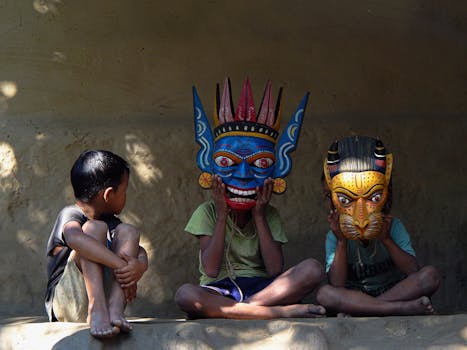
I still remember the first time I stumbled upon the Mask-Making Villages of the Mishing tribe in Assam. It was a humid afternoon, and I had taken a wrong turn while exploring the Brahmaputra River's banks. Instead of frustration, I found myself in a quiet hamlet where artisans sat under thatched roofs, carving intricate masks from wood and bamboo. The air was filled with the faint scent of river water and the rhythmic sound of chisels. Children giggled as they painted vibrant designs, their faces smeared with natural dyes. This wasn’t just a craft; it was a living story of the Mishing people, a riverine tribal community whose traditions remain untouched by mass tourism.
These villages are criminally underrated, often overshadowed by Assam’s tea gardens and wildlife sanctuaries. What makes them special is the rare chance to witness a centuries-old art form tied to rituals and festivals like Ali-Aye-Ligang. You’re not just a spectator here; you’re welcomed into homes, offered rice beer, and taught the significance of every mask. In this guide, you’ll discover why these villages deserve a spot on your travel list, how to reach them, the best things to do, and insider tips to make your journey unforgettable.
Why Visit Mask-Making Villages Mishing?
- Cultural Immersion — Witness the Mishing tribe’s mask-making art, a sacred craft used in traditional dances and ceremonies.
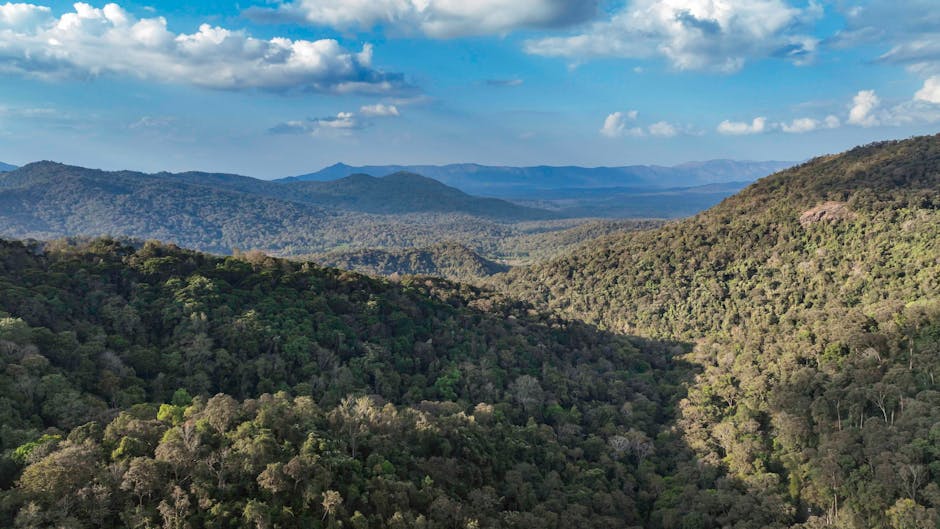
- Riverside Serenity — Nestled along the Brahmaputra, these villages offer tranquil views and a slow-paced escape.
- Authentic Interactions — Engage with artisans who share stories of their heritage over home-cooked meals.
- Unique Souvenirs — Bring home handcrafted masks, each with a distinct meaning and design, directly from creators.
- Untouched Beauty — Experience a destination free from commercial tourism, preserving its raw charm.
- Festival Magic — Time your visit with local festivals to see masks come alive in vibrant performances.
- Sustainable Travel — Support local livelihoods by participating in workshops and buying crafts directly from artisans.
Top Things to Do & See
1. Mask-Making Workshops
Dive into the heart of Mishing culture by learning to carve or paint masks with local artisans. Insider tip: Ask about the spiritual significance of specific designs—each mask tells a unique story.
2. Brahmaputra River Walks
Stroll along the riverbanks at dusk for breathtaking views and a glimpse of daily village life. Insider tip: Carry a small notebook to sketch or jot down stories from fishermen you meet.
3. Mishing Home Visits
Be welcomed into traditional stilt houses to share a meal of smoked fish and rice beer. Insider tip: Offer to help with small chores like fetching water—it’s a gesture of respect.
4. Local Market Exploration
Browse tiny markets for handmade crafts, woven textiles, and fresh river fish. Insider tip: Bargain politely, and ask vendors about the origins of their goods for deeper insights.
5. Cultural Performances
Catch impromptu dance performances where masks play a starring role in storytelling. Insider tip: Ask elders about the myths behind the dances for a richer experience.
6. Birdwatching by the River
Spot migratory birds along the Brahmaputra’s wetlands with just a pair of binoculars. Insider tip: Early mornings are best—locals can guide you to hidden spots.
How to Reach Mask-Making Villages Mishing
The Mask-Making Villages of the Mishing tribe are located in Assam, primarily in districts like Dhemaji and Majuli along the Brahmaputra River. The nearest major city is Jorhat, which serves as a gateway to these remote hamlets.
- By Air: The closest airport is Jorhat Airport, about 60–80 km from most Mishing villages. Flights connect Jorhat to Kolkata and Guwahati. From the airport, hire a taxi or take a shared cab to reach the villages (approx cost: Rs 1,500–2,000, 2–3 hours).
- By Train: Jorhat Town Railway Station is the nearest railhead, well-connected to Guwahati and other parts of Assam. From there, hire an auto or taxi to the villages (approx cost: Rs 1,000–1,500, 2–3 hours).
- By Road: If you’re driving from Guwahati, it’s about 350 km to Jorhat, followed by a 60–80 km stretch to the villages. The route via NH 715 is scenic but can be bumpy during monsoons. Expect a 7–8 hour drive. Shared taxis or buses from Guwahati to Jorhat cost around Rs 500–800 per person.
- Last Mile: Some villages, especially in Majuli, require a ferry ride across the Brahmaputra from Nimati Ghat (Rs 20–50 per person, 1 hour). Confirm ferry timings as they vary with seasons.
Best Time to Visit
The ideal time to visit the Mask-Making Villages Mishing is during the cooler months between November and March, when temperatures range from 15°C to 25°C. This period offers pleasant weather for exploring on foot and coincides with cultural festivals where masks are prominently featured. Shoulder seasons like late March to April or September to October are also good, with fewer visitors and mild weather (20°C–30°C), though occasional rain might occur. Monsoons (June to August) bring heavy rainfall, making roads and river crossings challenging, while temperatures hover around 25°C–35°C with high humidity. If you’re keen on festivals, plan around Ali-Aye-Ligang, a major Mishing harvest festival, for an immersive cultural experience.
Where to Stay
Accommodation options near the Mask-Making Villages Mishing are limited but authentic, often blending into the rural landscape. Most are located in or around Jorhat and Majuli, as the villages themselves have minimal formal lodging.
- Budget: Homestays in Mishing villages or nearby Majuli offer basic rooms with shared facilities (Rs 800–1,500 per night). Look for family-run setups for a personal touch and home-cooked meals.
- Mid-Range: Guesthouses in Jorhat, like small family lodges near the town center, provide comfortable stays with modern amenities (Rs 2,000–3,000 per night). Easy access to taxis for village visits.
- Boutique: Eco-resorts in Majuli, such as riverside bamboo cottages, offer a blend of luxury and nature (Rs 3,500–5,000 per night). Perfect for a serene stay with guided village tours.
Trip Cost Breakdown (3-Day Trip for 2 People)
| Item | Cost |
|---|---|
| Accommodation (Mid-Range, 3 nights) | Rs 7,500 |
| Food (Local meals & snacks) | Rs 3,000 |
| Transport (Taxi from Jorhat + Ferry) | Rs 4,000 |
| Activities (Workshops & Souvenirs) | Rs 2,500 |
| Total | Rs 17,000 |
Suggested Itineraries
- 2-Day Quick Escape
- Day 1: Arrive in Jorhat by morning, travel to a Mishing village (2–3 hours). Spend the afternoon in a mask-making workshop (1–2 hours, 2 PM–4 PM). Evening river walk and dinner with locals (6 PM–8 PM). Overnight in a village homestay or Jorhat.
- Day 2: Morning cultural performance or market visit (8 AM–11 AM). Return to Jorhat by noon, explore local sights if time permits, and depart by evening.
- 3-Day Deep Dive
- Day 1: Reach Jorhat by morning, transfer to a Mishing village (2–3 hours). Check into a homestay, relax with a river walk (4 PM–6 PM). Evening interaction with artisans over dinner (7 PM–9 PM).
- Day 2: Full day of mask-making workshops and home visits (9 AM–4 PM). Late afternoon birdwatching by the river (4 PM–6 PM). Overnight in the village or nearby.
- Day 3: Morning market exploration and cultural storytelling session (8 AM–11 AM). Return to Jorhat by noon, shop for souvenirs, and depart by evening.
Ideal For
- Culture enthusiasts eager to learn about tribal traditions and crafts.
- Slow travelers seeking peaceful, offbeat destinations away from crowds.
- Photographers capturing authentic rural life and vibrant festivals.
- Families looking for educational and immersive travel experiences.
- Solo adventurers craving meaningful local interactions in safe settings.
Safety, Permits & Local Etiquette
- Inner Line Permit: Not required for Indian nationals visiting Mishing villages in Assam. Foreign travelers may need a Protected Area Permit if visiting certain restricted zones near Majuli—check with local authorities in Jorhat.
- Mobile Connectivity: Network coverage is spotty in remote villages. Major providers work in Jorhat, but expect weak signals or no service in deeper areas. Carry a local SIM for emergencies.
- Solo Female Traveller: Generally safe with warm, hospitable locals. Stick to daylight hours for solo exploration, dress modestly, and inform your homestay host of your plans.
- Do's & Don'ts: Respect stilt house customs—remove shoes before entering. Ask permission before photographing people or rituals. Avoid littering near the river, and carry reusable water bottles to minimize plastic waste.
Hidden Tips Only Repeat Visitors Know
- Visit during smaller local festivals for intimate mask dance performances—ask artisans for dates.
- Carry cash in small denominations; digital payments rarely work in villages.
- Learn a few Mishing greetings from locals—it breaks the ice instantly.
- Pack light rain gear even in dry seasons; sudden showers are common.
- Buy masks directly from artisans for better prices and authentic pieces.
- Hire local boatmen for river trips—they know secret spots for photography.
- Stay overnight in a village for starry skies rarely seen in cities.
- Bring mosquito repellent; evenings by the river can get buggy.
Frequently Asked Questions
Q: Is Mask-Making Villages Mishing worth visiting?
Absolutely, if you crave authentic cultural experiences off the beaten path. These villages offer a rare glimpse into Mishing tribal life and their unique mask-making art. It’s a peaceful escape with meaningful interactions, far from commercial tourist traps. Perfect for anyone seeking depth in their travels.
Q: How many days are enough for Mask-Making Villages Mishing?
A 2-day trip works for a quick cultural dive, covering workshops and river walks. However, 3 days allow a deeper connection with locals through home stays and festivals. If you’re short on time, prioritize a day trip from Jorhat. Longer stays reveal hidden layers of village life.
Q: Is Mask-Making Villages Mishing safe for solo female travellers?
Yes, it’s generally safe with welcoming communities. Stick to daylight exploration and inform your host of your whereabouts for added security. Dressing modestly and respecting local customs go a long way. I’ve met solo female travelers who felt comfortable and supported here.
Q: Which is better — Mask-Making Villages Mishing or Kaziranga National Park?
It depends on your interests. Mask-Making Villages Mishing excel in cultural immersion and quiet village life, while Kaziranga is ideal for wildlife and nature lovers. If you seek heritage over safaris, the villages win. Combine both if you have extra days for a balanced Assam experience.
Q: Do I need permits for Mask-Making Villages Mishing?
Indian nationals don’t need permits to visit these villages in Assam. Foreign travelers might require a Protected Area Permit for certain zones near Majuli—confirm with authorities in Jorhat. It’s a straightforward process, often arranged through local travel agents. Always carry valid ID for checkposts.
Q: Is Mask-Making Villages Mishing expensive?
Not at all—it’s a budget-friendly destination. A 3-day trip for two can cost under Rs 20,000, covering stay, food, and transport. Homestays and local meals keep expenses low. Souvenirs and workshops are reasonably priced when bought directly from artisans.