Mandu

The right stay. At the right price. Every time.
Find your perfect Maharashtra stay on Unpaqd — with our AI search feature
Curated 4.5+ rated homestays, price-match guarantee, and zero commissions-so you never overpay or settle. Just describe your ideal stay, and we'll do the rest.
Explore stays on UnpaqdSummary
- Mandu: A timeless hidden gem in central India.
- Perfect for offbeat history and nature lovers.
- Offers serene landscapes and ancient architecture.
- Peaceful escape from crowded tourist spots.
- Incredible value for money destination.
- Ideal for a soulful, slow-paced getaway.
Mandu
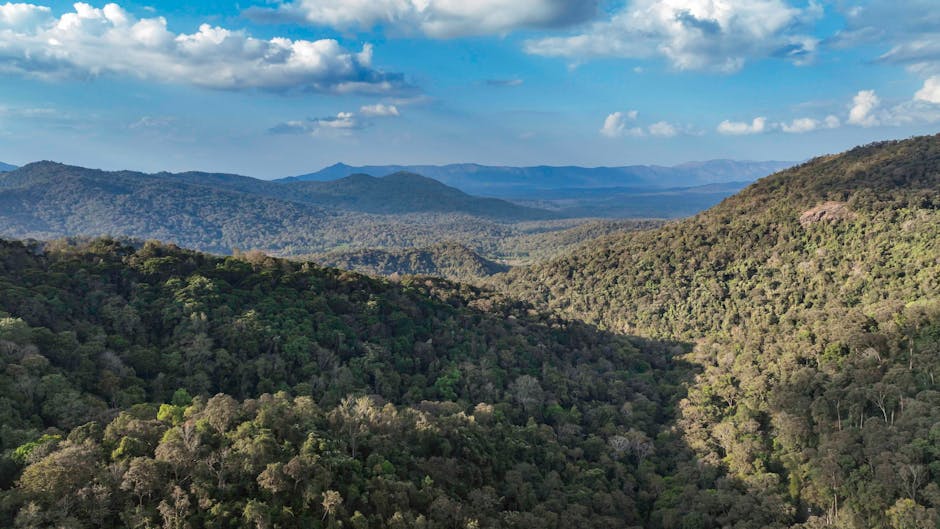
As I stood atop the crumbling walls of Jahaz Mahal, a warm breeze carrying whispers of a bygone era, I felt time dissolve. Mandu, perched on the Vindhya Range in Madhya Pradesh, isn’t just a destination—it’s a story etched in stone, romance, and ruins. My first visit here was accidental, a detour on a road trip, but the sight of misty valleys and ancient palaces under a monsoon sky hooked me instantly. I’ve returned multiple times since, each visit revealing a new layer of its charm. Often overshadowed by more popular heritage sites, Mandu remains underrated, a quiet sanctuary for those seeking history without the hustle. Its sprawling forts, poetic monuments, and untouched landscapes make it a rare blend of culture and calm. In this guide, you’ll discover why Mandu deserves a spot on your travel list, along with insider tips on must-see spots, how to get here, where to stay, and how to craft the perfect itinerary for an unforgettable escape.
Why Visit Mandu?
- Historical Riches — Home to over 40 monuments, Mandu is often called the "City of Joy" for its architectural splendor.
- Romantic Legacy — The love story of Sultan Baz Bahadur and Rani Roopmati is woven into its palaces and pavilions.
- Stunning Landscapes — Perched at 2,000 feet, it offers breathtaking views of the Narmada Valley and lush plateaus.
- Offbeat Charm — Far from tourist crowds, Mandu promises solitude amid history and nature’s embrace.
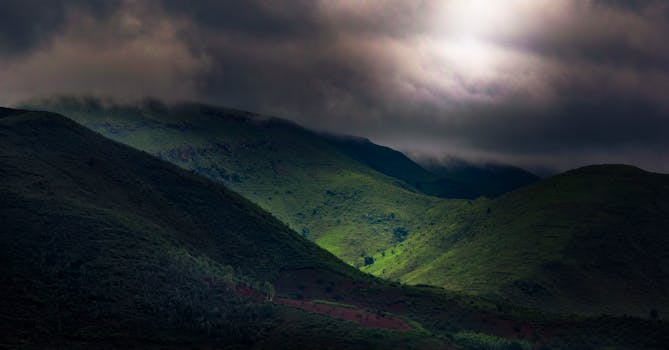
- Monsoon Magic — The rainy season transforms Mandu into a misty, ethereal wonderland unlike anywhere else.
- Cultural Depth — Local Malwa traditions and festivals add a vibrant layer to your exploration.
- Affordable Exploration — Entry fees and local costs make it a budget-friendly heritage destination.
Top Things to Do & See
Jahaz Mahal
This ship-shaped palace, seemingly floating between two lakes, is Mandu’s most iconic structure. Insider tip: Visit at sunrise to see the first light reflect off the water, a sight locals cherish.
Rani Roopmati’s Pavilion
A poetic spot with panoramic views of the Narmada Valley, tied to the tragic love story of Roopmati and Baz Bahadur. Insider tip: Climb to the top during late afternoon for a surreal sunset view.
Baz Bahadur’s Palace
A blend of romance and architecture, this palace echoes tales of music and devotion. Insider tip: Look for the hidden acoustic chamber where the sultan’s melodies once resonated.
Hindola Mahal
Known as the "Swing Palace" for its sloping walls, it’s an architectural marvel of the Malwa Sultanate. Insider tip: Visit during the golden hour for striking shadows on its unique design.
Hoshang Shah’s Tomb
India’s first marble tomb, said to have inspired the Taj Mahal, exudes serene beauty. Insider tip: Speak softly inside to hear the incredible echo locals often demonstrate.
Rewa's Kund
A sacred reservoir linked to Mandu’s romantic lore, surrounded by tranquil greenery. Insider tip: Sit by the steps in the evening when local storytellers sometimes share folklore.
How to Reach Mandu
Mandu is well-connected yet retains its offbeat charm due to its slightly remote location in Madhya Pradesh. The nearest airport is Devi Ahilya Bai Holkar Airport in Indore, about 100 kilometers away. From there, you can hire a taxi (Rs 2,000–2,500) or take a local bus (Rs 150–200 per person) to Mandu, which takes around 2.5 to 3 hours. The nearest railway station is also in Indore, with good connectivity to major cities like Delhi, Mumbai, and Bhopal. From Indore railway station, the same taxi or bus options apply. If you’re driving, Mandu is accessible via NH 47 from Indore, a scenic route through rolling hills. For those coming from Bhopal (280 km), expect a 5–6 hour drive. Shared cabs or rental bikes are also available in Indore for a more adventurous journey, costing around Rs 1,500–2,000 for a day’s rental.
Best Time to Visit
Mandu shines brightest during the winter months (October to March), with pleasant temperatures ranging from 10°C to 25°C, ideal for exploring its sprawling ruins and open landscapes. This is the peak season, so expect slightly more visitors, though it’s never crowded. The shoulder seasons (late September and early April) offer a balance of good weather (15°C–28°C) and fewer people. The monsoon (July to September) transforms Mandu into a lush, misty paradise with temperatures between 20°C and 30°C, perfect for photographers and romantics, though some paths can get slippery. Summers (April to June) are hot, with temperatures soaring to 35°C–40°C, making outdoor exploration challenging. For the best experience, aim for winter or monsoon, depending on whether you prefer clear skies or dramatic greenery.
Where to Stay
Mandu offers a range of accommodations catering to different budgets, mostly concentrated around the main town area near Jahaz Mahal. For budget travelers, guesthouses like Malwa Retreat (Rs 800–1,200 per night) provide clean, basic rooms with proximity to major sites. Mid-range options include Hotel Rupmati (Rs 2,000–3,000 per night), offering comfortable stays with views of the valley and decent amenities. For a more boutique experience, consider Malwa Resort (Rs 3,500–5,000 per night), a heritage-style property with beautifully landscaped gardens and a touch of local charm, located slightly outside the main bustle. Booking in advance is recommended during peak winter months, though walk-ins often find availability during off-season. Staying near the central area ensures easy access to monuments, local eateries, and transport options.
Trip Cost Breakdown (3-Day Trip for 2 People)
| Item | Cost |
|---|---|
| Accommodation (Mid-range) | Rs 7,500 |
| Food (Local eateries & cafes) | Rs 3,000 |
| Transport (Taxi from Indore & local) | Rs 3,500 |
| Activities (Entry fees & guides) | Rs 1,000 |
| Total | Rs 15,000 |
Suggested Itineraries
- 2-Day Quick Escape
- Day 1: Arrive by morning, check into accommodation (9:00 AM). Explore Jahaz Mahal and Hindola Mahal (10:00 AM–1:00 PM). Lunch at a local dhaba (1:30 PM). Visit Hoshang Shah’s Tomb (3:00 PM–4:30 PM). Evening at Rewa Kund (5:00 PM–6:30 PM). Dinner and rest.
- Day 2: Early visit to Rani Roopmati’s Pavilion for sunrise (6:00 AM–8:00 AM). Explore Baz Bahadur’s Palace (8:30 AM–10:30 AM). Lunch and souvenir shopping (11:00 AM–1:00 PM). Depart by afternoon (2:00 PM).
- 3-Day Deep Dive
- Day 1: Arrive by morning, settle in (9:00 AM). Visit Jahaz Mahal and nearby lakes (10:30 AM–1:00 PM). Lunch at a local spot (1:30 PM). Explore Hindola Mahal (3:00 PM–4:30 PM). Relax by evening near accommodation (6:00 PM onwards).
- Day 2: Start with Rani Roopmati’s Pavilion (7:00 AM–9:00 AM). Visit Baz Bahadur’s Palace (9:30 AM–11:30 AM). Lunch (12:00 PM). Explore Hoshang Shah’s Tomb (2:00 PM–3:30 PM). Evening at Rewa Kund with local stories (5:00 PM–6:30 PM).
- Day 3: Morning walk through lesser-known ruins or local markets (8:00 AM–10:00 AM). Leisurely brunch (10:30 AM–12:00 PM). Final photo stops or shopping (12:30 PM–2:00 PM). Depart by late afternoon (3:00 PM).
Ideal For
- History buffs eager to explore ancient architecture and untold stories.
- Couples seeking a romantic, quiet getaway with scenic backdrops.
- Photographers chasing dramatic landscapes and heritage frames.
- Solo travelers looking for safe, soulful offbeat destinations.
- Families wanting a slow-paced cultural retreat.
Safety, Permits & Local Etiquette
- Inner Line Permit: No permits are required for Mandu; it’s open to all domestic and international travelers.
- Mobile Connectivity: Network coverage is decent in central areas (Airtel and Jio work best), but can be patchy in remote spots.
- Solo Female Traveler: Mandu is generally safe, with friendly locals. Stick to main areas after dark and dress modestly to blend in.
- Do's & Don'ts: Respect monument rules (no littering or climbing restricted areas). Dress conservatively near sacred sites. Bargain politely at local markets. Avoid loud behavior to preserve the serene vibe.
Hidden Tips Only Repeat Visitors Know
- Visit smaller ruins like Dai ka Mahal for solitude; they’re often deserted.
- Hire a local guide (Rs 500–700) for unheard stories of Mandu’s past.
- Try poha-jalebi at roadside stalls near the main market for breakfast.
- Carry a light jacket even in summer; evenings can get chilly.
- Explore on foot or rent a cycle (Rs 100/day) for a closer experience.
- Monsoon visitors should pack sturdy shoes; paths can be slippery.
- Shop for local tribal handicrafts near Rewa Kund for unique souvenirs.
- Ask locals about seasonal village fairs for an authentic cultural dip.
Frequently Asked Questions
Q: Is Mandu worth visiting?
Mandu is absolutely worth visiting for its unique blend of history, romance, and natural beauty. Often overlooked, it offers a peaceful escape from crowded tourist spots. Its palaces and views are perfect for anyone seeking an offbeat heritage experience.
Q: How many days are enough for Mandu?
A 2-day trip covers the main attractions like Jahaz Mahal and Rani Roopmati’s Pavilion comfortably. For a deeper exploration of hidden ruins and local culture, plan for 3 days. It allows a relaxed pace to soak in the atmosphere.
Q: Is Mandu safe for solo female travellers?
Yes, Mandu is generally safe for solo female travelers, with welcoming locals and a small-town vibe. Stick to well-known areas, avoid isolated spots after dark, and dress modestly. Basic precautions ensure a hassle-free visit.
Q: Which is better — Mandu or Ujjain?
Mandu excels for history and serene landscapes, ideal for a quiet retreat. Ujjain, with its spiritual significance and bustling temples, suits religious travelers. Choose Mandu for offbeat charm, Ujjain for cultural vibrancy.
Q: Do I need permits for Mandu?
No, Mandu does not require any special permits for domestic or international visitors. Entry to monuments may have small fees (Rs 15–100). Carry a valid ID for general travel purposes, especially if staying overnight.
Q: Is Mandu expensive?
Mandu is quite budget-friendly compared to mainstream destinations. Accommodation, food, and transport for a couple can cost around Rs 15,000 for a 3-day trip. Entry fees are nominal, and local eats are affordable.