Majuli Island
The right stay. At the right price. Every time.
Find your perfect Assam stay on Unpaqd — with our AI search feature
Curated 4.5+ rated homestays, price-match guarantee, and zero commissions-so you never overpay or settle. Just describe your ideal stay, and we'll do the rest.
Explore stays on UnpaqdSummary
- Majuli Island: A serene hidden gem in Northeast India.
- Perfect for offbeat travelers seeking peace and culture.
- Offers unique river island vibes at great value.
- Ideal for slow travel and authentic experiences.
- A rare blend of nature and tribal heritage.
- Unspoiled beauty away from mainstream tourist crowds.
Majuli Island
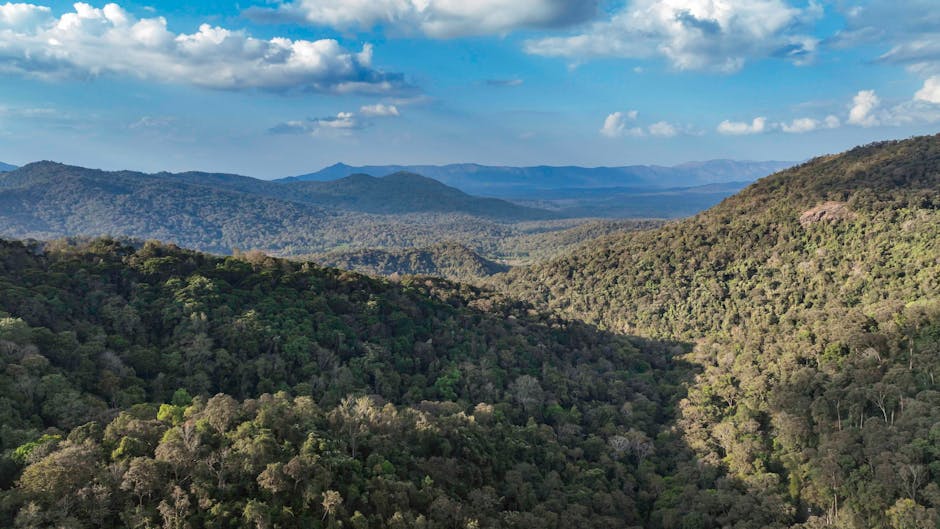
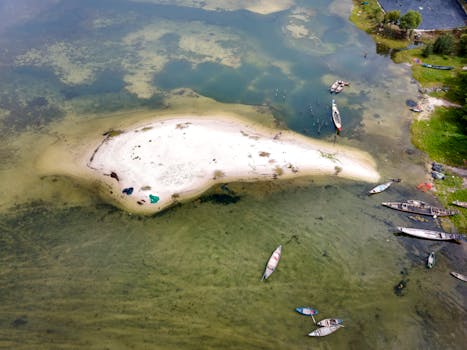
As I stepped off the rickety ferry onto the shores of Majuli Island, the world seemed to slow down. The mighty Brahmaputra River, shimmering under the golden afternoon sun, stretched endlessly around me, cradling this fleeting patch of land—one of the largest river islands in the world, yet so fragile it shrinks with every flood. I was greeted by the gentle hum of nature and the warm smiles of the Mising tribe, whose lives are woven into the rhythm of the river. It felt like stepping into a painting, untouched by time. Majuli is underrated because it hides in plain sight, overshadowed by more popular Northeast destinations. What makes it special is its soul— a blend of vibrant Assamese culture, ancient monasteries, and landscapes that shift with the seasons. In this guide, you'll discover why Majuli is a must-visit, along with insider tips on things to do, how to reach, where to stay, and how to plan the perfect trip.
Why Visit Majuli Island?
- Unique River Island Status — Majuli is one of the world’s largest river islands, constantly reshaped by the Brahmaputra, offering a rare, ever-changing landscape.
- Rich Cultural Heritage — Home to ancient Assamese Vaishnavite monasteries called Satras, it’s a living museum of spirituality and traditional arts.
- Untouched Natural Beauty — Vast wetlands, migratory birds, and serene river views make it a paradise for nature lovers and photographers.
- Tribal Life Insights — Interact with the Mising tribe, whose stilt houses and river-dependent lifestyle offer a glimpse into a unique way of life.
- Festival Magic — Witness vibrant celebrations like Raas Purnima, where the island comes alive with dance, drama, and devotion.
- Peaceful Escape — Far from urban chaos, Majuli offers a slow-paced retreat with minimal commercialization and maximum tranquility.
- Eco-Friendly Travel — The island promotes sustainable living, with eco-camps and minimal environmental impact, perfect for conscious travelers.
Top Things to Do & See
Kamalabari Satra
A spiritual haven showcasing Assamese Vaishnavite culture through dance and music. Insider tip: Visit during evening prayers to witness monks performing traditional Sattriya dance—a mesmerizing, rare sight.
Samaguri Satra
Famous for its mask-making tradition, this monastery preserves a centuries-old craft. Insider tip: Request a local artisan to explain the symbolism behind each mask; they’re often eager to share stories.
Mising Village Walk
Explore stilt houses and interact with the Mising tribe for authentic cultural immersion. Insider tip: Ask to try Apong, a local rice beer, if offered—it’s a gesture of hospitality.
Birdwatching at Wetlands
Spot migratory birds like pelicans and storks in Majuli’s sprawling wetlands. Insider tip: Hire a local boatman at dawn for the best sightings; they know hidden spots.
Brahmaputra River Cruise
A serene boat ride on the mighty river offers stunning island views. Insider tip: Opt for a sunset ride—locals say the river glows like molten gold at dusk.
Raas Purnima Festival
Experience this vibrant festival celebrating Lord Krishna with drama and dance. Insider tip: Arrive a day early to see villagers rehearsing; it’s a raw, heartfelt glimpse into their devotion.
How to Reach Majuli Island
Majuli Island, located in Assam, is accessible but requires a bit of planning due to its remote riverine location. The nearest airport is Jorhat Airport, about 20 km from Nimati Ghat, the main ferry point to Majuli. From the airport, hire a taxi or take a shared auto to Nimati Ghat (Rs 300–500, 30–40 minutes). The nearest railway station is also in Jorhat, well-connected to Guwahati (about 7 hours by train). From Jorhat, follow the same route to Nimati Ghat.
The most scenic part of the journey is the ferry ride from Nimati Ghat to Majuli, which takes about 1–1.5 hours and costs Rs 20–30 per person for a passenger ferry (vehicles cost extra, around Rs 800–1000). Ferries run frequently from 7 AM to 4 PM, but timings can vary based on river conditions, so check locally. If traveling by road from Guwahati, it’s a 350 km drive to Nimati Ghat (7–8 hours), followed by the ferry. Private cabs from Guwahati to Nimati Ghat cost around Rs 5,000–6,000. Shared taxis or buses are cheaper (Rs 300–500) but less comfortable. Always plan for buffer time due to ferry schedules and road conditions in rural Assam.
Best Time to Visit
The ideal time to visit Majuli Island is during the winter months (November to February), when the weather is cool and pleasant, with temperatures ranging from 10°C to 25°C. This is perfect for exploring outdoors, birdwatching, and attending festivals like Raas Purnima. The shoulder seasons (March to April and September to October) are also good, with mild weather (20°C to 30°C) and fewer crowds, though occasional rain might occur. During the monsoon (May to August), heavy rainfall and flooding are common, making travel challenging as parts of the island can get submerged, and ferry services may be disrupted. Temperatures during monsoon hover between 25°C and 35°C with high humidity. Unless you’re prepared for unpredictable conditions, avoid this season.
Where to Stay
Majuli offers limited but charming accommodation options catering to different budgets. Most stays are concentrated near Kamalabari and Garamur, the island’s main hubs.
- Budget: Eco-camps like La Maison de Ananda in Garamur offer bamboo cottages with basic amenities for Rs 800–1,200 per night. Perfect for backpackers seeking a rustic experience close to nature.
- Mid-Range: Homestays near Kamalabari, such as Dekasang, provide comfortable rooms with local hospitality for Rs 1,500–2,500 per night. Meals are often included, showcasing authentic Assamese cuisine.
- Boutique: For a slightly upscale stay, try Enchanting Majuli Resort in Garamur, with cozy cottages and river views for Rs 3,000–4,000 per night. It’s ideal for couples or families wanting a peaceful retreat.
Book in advance, especially during peak season or festivals, as options are limited. Many places lack online booking, so connecting via local contacts or travel agents helps.
Trip Cost Breakdown (3-Day Trip for 2 People)
| Item | Cost |
|---|---|
| Accommodation (Mid-Range) | Rs 6,000 |
| Food (Local Meals) | Rs 3,000 |
| Transport (Ferry, Local Autos, Boat Rides) | Rs 2,000 |
| Activities (Satra Visits, Guided Tours) | Rs 1,500 |
| Total | Rs 12,500 |
Note: Costs are approximate and based on mid-range options. Budget travelers can reduce expenses by opting for cheaper stays and meals, while luxury seekers may spend more on upscale cottages or private transport.
Suggested Itineraries
- 2-Day Quick Escape
- Day 1: Arrive via morning ferry from Nimati Ghat (9 AM). Check into accommodation in Garamur by 11 AM. Post-lunch, visit Kamalabari Satra (1–3 PM) for cultural insights. Enjoy a sunset Brahmaputra cruise (4–6 PM). Dinner at a local eatery by 8 PM.
- Day 2: Early morning birdwatching at wetlands (6–8 AM). Explore a Mising village (9–11 AM) for tribal interactions. Visit Samaguri Satra for mask-making (12–2 PM). Catch an afternoon ferry back to Nimati Ghat by 3 PM.
- 3-Day Deep Dive
- Day 1: Reach Majuli via morning ferry (9 AM) and settle in Garamur by 11 AM. After lunch, explore Kamalabari Satra (1–3 PM). Relax with a sunset river cruise (4–6 PM). Dinner and rest by 8 PM.
- Day 2: Start with birdwatching at wetlands (6–8 AM). Visit a Mising village for cultural immersion (9 AM–12 PM). Post-lunch, explore Samaguri Satra (1–3 PM). Evening free to wander local markets (4–6 PM). Dinner by 8 PM.
- Day 3: Morning visit to another Satra or nearby village (8–10 AM). Enjoy a leisurely boat ride or photography session (11 AM–1 PM). Depart via afternoon ferry to Nimati Ghat by 3 PM.
Ideal For
- Culture enthusiasts eager to explore Assamese traditions and monastic life.
- Nature lovers seeking serene landscapes and birdwatching opportunities.
- Slow travelers looking for a peaceful, offbeat escape from urban life.
- Photographers chasing stunning river views and tribal lifestyle shots.
- Solo adventurers or small groups wanting authentic, immersive experiences.
Safety, Permits & Local Etiquette
- Inner Line Permit: Not required for Indian citizens to visit Majuli Island. Foreign nationals may need to register at the nearest police station or check for any travel advisories with local authorities upon arrival.
- Mobile Connectivity: Network coverage is patchy, especially in remote parts of the island. Major providers like Airtel and Jio work in Garamur and Kamalabari, but expect weak signals or no service in villages. Carry cash as digital payments often fail.
- Solo Female Traveller: Majuli is generally safe with a welcoming local community. However, stick to populated areas, avoid late-night outings alone, and dress modestly to respect cultural norms. Always inform someone of your plans.
- Do's & Don'ts: Respect Satra rules—remove footwear and avoid photography inside without permission. Dress conservatively, especially in villages and religious sites. Don’t litter; the island’s ecosystem is fragile. Always ask before photographing locals or their homes.
Hidden Tips Only Repeat Visitors Know
- Carry cash in small denominations; ATMs are scarce, and vendors rarely accept cards.
- Pack light rain gear even in dry seasons—sudden showers are common due to river proximity.
- Hire local cycle rickshaws for short distances; they’re cheaper and let you soak in the scenery.
- Visit smaller, lesser-known Satras like Auniati for a more intimate cultural experience.
- Buy handmade souvenirs directly from Mising women in villages—bargain gently, as it’s their livelihood.
- Try seasonal fish dishes at tiny roadside stalls; they’re fresher than most guesthouse meals.
- Ferries can get crowded—arrive 30 minutes early to secure a spot, especially for vehicles.
- Chat with ferrymen; they often share fascinating stories about the river and island life.
Frequently Asked Questions
Q: Is Majuli Island worth visiting?
Absolutely, Majuli Island is a hidden treasure for anyone craving an offbeat experience. Its unique riverine landscape, rich Assamese culture, and peaceful vibe make it unforgettable. Perfect for nature lovers and cultural explorers, it offers a rare escape from crowded tourist spots. Just be prepared for basic infrastructure and plan accordingly.
Q: How many days are enough for Majuli Island?
A 2-day trip covers the essentials like Satras and village visits. However, 3 days allow a deeper dive into local life, festivals, and nature trails. If you’re short on time, a quick weekend escape works, but longer stays reveal more of Majuli’s charm. Tailor your itinerary based on interests.
Q: Is Majuli Island safe for solo female travellers?
Yes, Majuli is relatively safe with a friendly local community. Stick to well-known areas like Garamur, avoid isolated spots at night, and dress modestly to blend in. Always share your plans with someone and trust your instincts. Basic precautions ensure a smooth experience.
Q: Which is better — Majuli Island or Kaziranga National Park?
It depends on your interests. Majuli offers cultural depth and serene river landscapes, ideal for slow travel and spiritual exploration. Kaziranga is perfect for wildlife enthusiasts seeking rhino safaris and adventure. Choose Majuli for peace and heritage, Kaziranga for nature’s raw thrill.
Q: Do I need permits for Majuli Island?
Indian citizens don’t need any special permits to visit Majuli Island. Foreign travelers should check with local authorities or register at a police station if required. Always carry valid ID for verification at ferry points. Regulations are minimal, making access easy for most.
Q: Is Majuli Island expensive?
No, Majuli is quite budget-friendly compared to mainstream destinations. A 3-day trip for two can cost around Rs 12,000–15,000, covering stays, food, and activities. Costs vary based on accommodation type and transport choices. It’s a great value-for-money destination for authentic experiences.