Lonar Crater Lake: India’s Hidden Meteorite Wonder – Complete Travel Guide
The right stay. At the right price. Every time.
Find your perfect Maharashtra stay on Unpaqd — with our AI search feature
Curated 4.5+ rated homestays, price-match guarantee, and zero commissions-so you never overpay or settle. Just describe your ideal stay, and we'll do the rest.
Explore stays on UnpaqdSummary
- Lonar Crater Lake: A surreal hidden gem in Maharashtra.
- Offbeat destination with untouched natural beauty.
- Perfect for peaceful, budget-friendly getaways.
- Unique blend of science, history, and serenity.
- Ideal for nature lovers and curious explorers.
- A rare geological marvel worth discovering.
Lonar Crater Lake
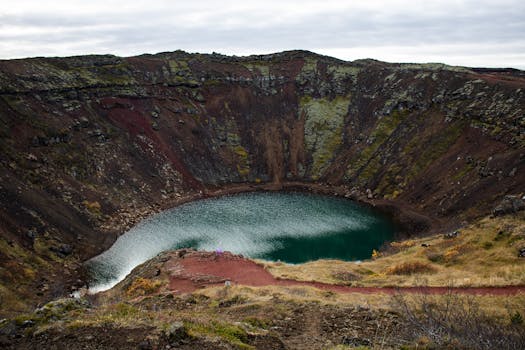
I still remember the first time I laid eyes on Lonar Crater Lake. It was early morning, just as the sun peeked over the horizon, casting a golden glow on the massive, almost otherworldly basin. The air was crisp, carrying a faint earthy scent, and I could hear the distant chirps of birds echoing off the crater walls. Standing at the edge near the MTDC viewpoint, a local guide named Ramesh pointed out how this 50,000-year-old crater, formed by a meteorite impact, holds a saline lake at its heart—a phenomenon so rare it feels like stepping onto another planet.
What struck me most was how underrated this place remains. Despite being one of only a handful of hypervelocity impact craters in basaltic rock worldwide, Lonar rarely makes it to mainstream travel lists. It’s not just the science that captivates; it’s the quiet villages around, the ancient temples dotting the rim, and the sheer stillness that lets you disconnect. From trekking down to the lake’s edge to spotting flamingos in the right season, this place has a raw, unpolished charm. Stick with me through this guide, and I’ll share everything you need to uncover the magic of Lonar Crater Lake for yourself.
Why Visit Lonar Crater Lake?
- Geological Wonder: One of the world’s rarest basaltic impact craters, formed by a meteorite strike millennia ago.
- Unique Ecosystem: The saline-alkaline lake supports peculiar microorganisms, drawing scientists and curious travelers alike.
- Cultural Heritage: Ancient temples like Daitya Sudan and Gomukh along the crater rim whisper tales of history.
- Tranquil Escape: Far from tourist crowds, it’s a haven for solitude and introspection.
- Birdwatcher’s Delight: Spot migratory birds like flamingos and cranes during cooler months.
- Photographer’s Dream: Dramatic crater walls and emerald-green water create stunning, otherworldly frames.
- Budget-Friendly: Affordable stays and local eats make it accessible for all kinds of travelers.
Top Things to Do & See
Descend to the Crater Lake
Trek down the rugged path to the lake’s edge for an up-close view of its mysterious green waters. Insider tip: Start early from the MTDC viewpoint to avoid the midday heat—locals often guide for a small fee of Rs 100.
Explore Daitya Sudan Temple
Marvel at this ancient, intricately carved temple on the crater rim, dedicated to Lord Vishnu. Insider tip: Visit at sunset for a breathtaking view of the lake framed by the temple’s silhouette.
Visit Gomukh Temple
Discover this small shrine near a perennial spring, believed to have mythological significance. Insider tip: Ask locals about the folklore—they love sharing stories over a cup of chai.
Spot Wildlife at Kamalja Devi Sanctuary
Wander through this nearby sanctuary for a chance to see deer, langurs, and vibrant birdlife. Insider tip: Carry binoculars and hire a local guide near the sanctuary gate for Rs 200.
Walk the Crater Rim Trail
Take a leisurely 8-km loop around the crater’s edge for panoramic views and quiet reflection. Insider tip: Stop at the small tea stall near the starting point for a Rs 10 glass of cutting chai.
Photography at MTDC Viewpoint
Capture the crater’s vastness from this well-positioned spot, especially during golden hour. Insider tip: Chat with the caretaker there—he often points out hidden angles for the best shots.
How to Reach Lonar Crater Lake
Lonar Crater Lake sits in Buldhana district, Maharashtra, about 500 km east of Mumbai. Getting here requires a bit of planning, but the journey is part of the adventure. If you’re flying, the nearest airport is Dr. Babasaheb Ambedkar International Airport in Aurangabad, roughly 150 km away. From there, you can hire a taxi for about Rs 3,000–3,500 one-way, taking around 3.5 hours via NH 753A. Watch for the turnoff at Sultanpur village—it’s a key landmark.
By train, the closest major station is Jalna Railway Station, 90 km away, with decent connectivity from Mumbai and Pune. A shared auto or private cab from Jalna to Lonar town costs Rs 1,500–2,000. For road trippers, driving from Mumbai takes about 9–10 hours via NH 60 and NH 753A. The route passes through Nashik and Malegaon—stop at Sai Dhaba near Malegaon for a hearty Rs 120 thali if you’re hungry. From Pune, it’s a 7-hour drive (350 km) on NH 60. Roads are mostly smooth, but the last 20 km to Lonar town can be patchy, so drive cautiously.
Once in Lonar town, the crater is just 5 km away. Local autos charge Rs 100–150 for a round trip to the MTDC viewpoint. Tip: Bargain a bit, and ask the driver to wait while you explore—they’re usually accommodating.
Best Time to Visit
The ideal window to visit Lonar Crater Lake is between November and February, when the weather is pleasant, with temperatures hovering between 15°C and 28°C. This is peak season for birdwatching too, as migratory species flock to the lake. March to May brings shoulder season vibes—still manageable but hotter, with highs touching 38°C; early mornings are best for exploration. Monsoon, from June to September, transforms the crater into a lush green spectacle, though the paths get slippery, and trekking down can be risky due to sudden showers. Whenever you go, carry sunscreen and water—the open terrain offers little shade.
Where to Stay
Accommodation around Lonar is limited but functional, catering to different budgets. For budget travelers, Hotel Krishna near Lonar bus stand offers basic rooms for Rs 800–1,000 per night. It’s no-frills—clean beds, attached bathrooms, and proximity to local eateries like Shree Ganesh Bhojanalaya. For mid-range comfort, MTDC Resort at the crater viewpoint is the best bet at Rs 1,500–2,000 per night. The rooms are simple but spacious, and waking up to crater views is unbeatable. If you’re after something more boutique, check out Hotel Lake View, about 3 km from the crater, with rooms at Rs 2,500–3,000. It’s a bit pricier but offers modern amenities and a quiet garden setting. Book in advance, especially for MTDC, as spots fill up during weekends.
Trip Cost Breakdown (3-Day Trip for 2 People)
| Item | Cost |
|---|---|
| Accommodation (MTDC Resort, 2 nights) | Rs 4,000 |
| Food (local meals at Rs 150/meal) | Rs 1,800 |
| Transport (taxi from Aurangabad & local autos) | Rs 3,800 |
| Activities (guide fees & entry) | Rs 400 |
| Total | Rs 10,000 |
Suggested Itineraries
- 2-Day Quick Escape
- Day 1: Arrive by noon, check into MTDC Resort, and spend the afternoon at the MTDC Viewpoint (2–3 pm). Trek down to the lake by 4 pm with a local guide. Return for sunset at Daitya Sudan Temple (6 pm).
- Day 2: Start early with a crater rim walk (6–9 am), visit Gomukh Temple by 10 am, and depart by noon after a quick breakfast at a local stall.
- 3-Day Deep Dive
- Day 1: Reach Lonar by midday, settle into your stay, and relax at the MTDC Viewpoint (3–5 pm). End with sunset views near Daitya Sudan Temple (6 pm).
- Day 2: Dedicate the day to exploration—trek to the lake (7–10 am), visit Gomukh Temple (11 am), and spend the afternoon at Kamalja Devi Sanctuary (2–4 pm). Return for a quiet evening.
- Day 3: Complete the crater rim trail (6–9 am), grab photos, and shop for local snacks like chivda at Lonar market (10 am) before heading back by noon.
Ideal For
- Nature enthusiasts craving untouched landscapes and unique geological formations.
- History buffs interested in ancient temples and local folklore.
- Birdwatchers and wildlife lovers seeking rare sightings in a serene setting.
- Solo travelers or small groups looking for peaceful, offbeat destinations.
- Budget explorers wanting a meaningful trip without breaking the bank.
Safety, Permits & Local Etiquette
- Inner Line Permit: Not required for Indian citizens or foreign nationals; it’s open to all with no special paperwork.
- Mobile Connectivity: Network is spotty around the crater—BSNL works best, but don’t rely on 4G. Carry cash as ATMs are limited in Lonar town.
- Solo Female Traveller: Generally safe during the day with locals being helpful, but avoid isolated trails after dark. Stick to guided treks and stay near populated viewpoints.
- Do's & Don'ts: Respect temple customs—cover shoulders and remove shoes. Don’t litter near the lake; it’s a fragile ecosystem. Avoid swimming as the water’s salinity can irritate skin.
Hidden Tips Only Repeat Visitors Know
- Visit the tiny weekly market in Lonar town on Wednesdays for fresh guavas and handmade souvenirs—prices start at Rs 20.
- Chat with guides near MTDC—they often know unmarked paths for quieter lake views.
- Carry a small torch; some trails lack lighting if you’re out past sunset.
- Try the spicy misal pav at Anil’s stall near the bus stand—Rs 40 and unforgettable.
- Pack light snacks; food options near the crater are scarce beyond tea stalls.
- Visit post-monsoon for lush greenery, but wear grippy shoes—paths get muddy.
- Bargain for auto fares in Lonar town; initial quotes are often inflated by Rs 50.
- Ask locals about stargazing spots near the rim—clear nights are mesmerizing.
Frequently Asked Questions
Q: Is Lonar Crater Lake worth visiting?
Absolutely, especially if you love offbeat destinations with a mix of nature and science. The crater’s unique formation and serene vibe make it a standout. It’s not just a lake—it’s a geological marvel with history etched into its rim. You’ll leave with stories few others can share.
Q: How many days are enough for Lonar Crater Lake?
Two days are sufficient for a quick trip to cover the main sights like the lake and temples. However, a 3-day itinerary lets you explore at a leisurely pace, including the rim trail and nearby sanctuary. It depends on how much you want to soak in the tranquility.
Q: Is Lonar Crater Lake safe for solo female travellers?
Yes, it’s relatively safe during daylight hours with friendly locals around. Stick to well-trodden paths and avoid venturing alone after dark. Hiring a guide for treks adds an extra layer of comfort. Always inform someone of your plans if traveling solo.
Q: Which is better — Lonar Crater Lake or Pachmarhi?
Both are incredible, but it depends on your vibe. Lonar offers a unique crater experience with a scientific edge, while Pachmarhi in Madhya Pradesh has diverse hill station charm with waterfalls and caves. If geology fascinates you, Lonar wins; for variety, choose Pachmarhi.
Q: Do I need permits for Lonar Crater Lake?
No permits are needed to visit Lonar Crater Lake, whether you’re Indian or a foreign traveler. Entry to the viewpoint and lake area is free, though small fees apply for guided treks. Just carry a valid ID for general travel purposes. It’s hassle-free access.
Q: Is Lonar Crater Lake expensive?
Not at all—Lonar is very budget-friendly. A 3-day trip for two can cost under Rs 10,000, covering stay, food, and local transport. Meals are cheap at local joints, and accommodation options start low. It’s a steal for the experience you get.