Living Root Bridges
The right stay. At the right price. Every time.
Find your perfect Meghalaya stay on Unpaqd — with our AI search feature
Curated 4.5+ rated homestays, price-match guarantee, and zero commissions-so you never overpay or settle. Just describe your ideal stay, and we'll do the rest.
Explore stays on UnpaqdSummary
- Living Root Bridges: Meghalaya's hidden architectural marvels.
- A truly offbeat escape from crowded tourist traps.
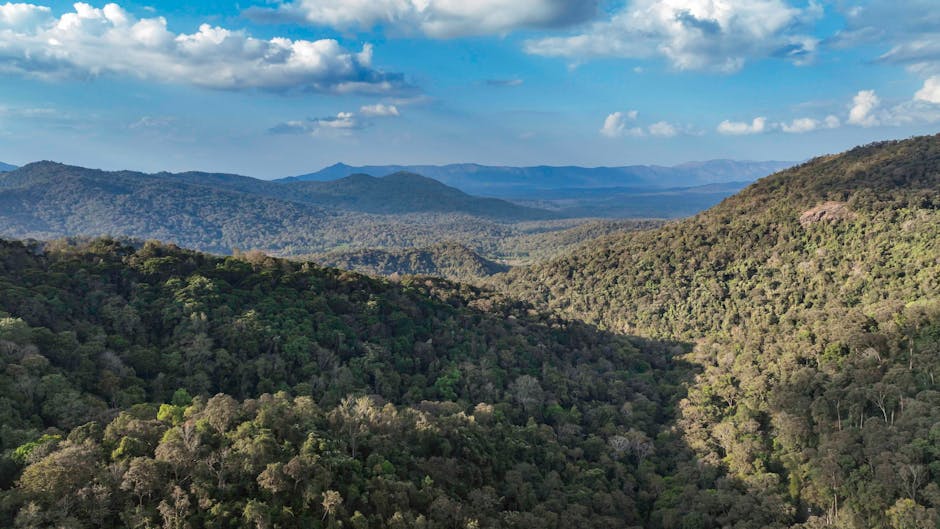
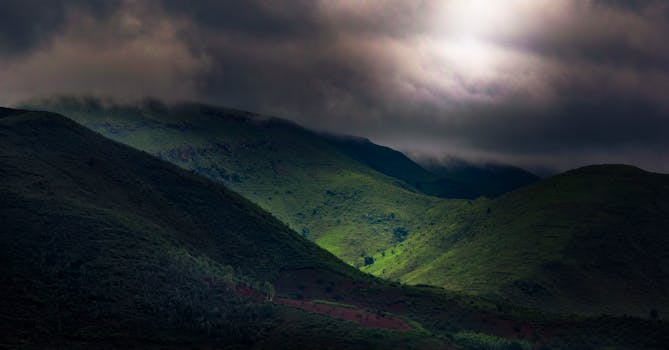
- Serene trails surrounded by lush, untouched rainforests.
- Perfect for nature lovers seeking peaceful adventures.
- Budget-friendly with authentic cultural experiences.
- A sustainable wonder worth every step.
Living Root Bridges
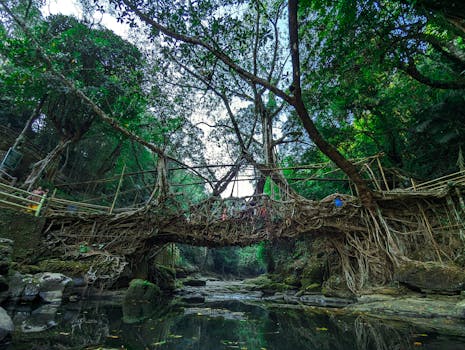
The first time I trekked through the dense, misty jungles of Meghalaya, I stumbled upon something that felt like a page from a fantasy novel. There, spanning a rushing stream, was a bridge made not of wood or steel, but of living tree roots, meticulously shaped over generations by the Khasi tribes. It swayed gently under my weight, yet felt impossibly strong, a testament to nature’s quiet power and human ingenuity. These Living Root Bridges, tucked away in remote villages like Nongriat and Mawlynnong, remain one of India’s most underrated wonders. While the world flocks to man-made monuments, these organic structures—some over a century old—stand as hidden gems, blending seamlessly with the emerald rainforest. What makes them special is their harmony with the environment; they grow stronger with time, unlike anything built by modern hands.
In this guide, you’ll discover why these bridges are a must-visit, the best things to see and do, how to plan your trip, insider tips, and everything you need to experience this magical corner of Meghalaya.
Why Visit Living Root Bridges?
- Unique Architecture — These bridges are crafted from the aerial roots of rubber fig trees, guided by locals over decades to form sturdy crossings.
- Untouched Nature — Surrounded by dense rainforests, cascading waterfalls, and crystal-clear streams, the area offers a pristine escape.
- Cultural Insight — Witness the Khasi tribe’s sustainable way of life, deeply connected to their environment.
- Offbeat Charm — Far from commercialized tourist spots, these bridges offer solitude and raw beauty.
- Photographer’s Dream — The interplay of roots, moss, and misty jungles creates surreal frames at every turn.
- Eco-Friendly Travel — Visiting supports local communities and promotes sustainable tourism in remote villages.
- Adventure Quotient — Trekking to the bridges through rugged terrain adds a thrilling edge to the journey.
Top Things to Do & See
Double Decker Root Bridge (Nongriat)
A mesmerizing two-tiered bridge over a gushing stream, it’s the most iconic of all. Insider tip: Visit early morning to avoid small crowds and catch the mist swirling around.
Single Root Bridge (Riwai)
Simpler yet equally stunning, this bridge near Mawlynnong offers a quieter experience. Insider tip: Pair your visit with a stroll through Asia’s cleanest village nearby.
Umshiang Double Decker Bridge
A hidden gem near Nongriat, less crowded but equally breathtaking. Insider tip: Locals can guide you to a nearby secret swimming spot.
Natural Swimming Pools
Crystal-clear pools near the bridges are perfect for a refreshing dip. Insider tip: Ask villagers for the safest spots to avoid strong currents.
Tyrna Village Trek
The trek to Nongriat starts here, with panoramic views of the valley. Insider tip: Chat with locals over tea at Tyrna for untold stories.
Waterfalls Around Nongriat
Hidden falls dot the landscape, offering serene picnic spots. Insider tip: Carry a light snack; there are no shops en route to most falls.
How to Reach Living Root Bridges
The Living Root Bridges are primarily located in remote villages of Meghalaya, with Nongriat and Mawlynnong being the most accessible. The nearest major city is Shillong, about 80 kilometers away. Start your journey by flying into Shillong Airport (Umroi Airport), which has limited but regular flights from Kolkata and other northeastern cities. Alternatively, Guwahati’s Lokpriya Gopinath Bordoloi International Airport, around 150 kilometers from Shillong, offers better connectivity from across India.
From Shillong, hire a taxi or take a shared cab to Cherrapunji (Sohra), about 2 hours away (roughly Rs 1,500–2,000 for a private cab). From Cherrapunji, reach Tyrna village (starting point for Nongriat bridges) in another 30 minutes by cab (Rs 500–700). The final stretch involves a trek of about 3,500 steps down to Nongriat, taking 2–3 hours depending on fitness. For Mawlynnong’s Riwai bridge, it’s a shorter 20-minute walk from the village parking. If you’re traveling by road from Guwahati, expect a 4–5 hour drive to Cherrapunji. No direct trains connect to these remote areas; the nearest railway station is in Guwahati.
Best Time to Visit
The ideal time to visit the Living Root Bridges is during the post-monsoon and winter months, from October to March, when the weather is cool (10–20°C) and the trails are less slippery. This peak season offers clear skies and lush greenery, perfect for trekking and photography. Shoulder months like April and September are quieter, with mild temperatures (15–25°C), though occasional showers might make paths tricky. Monsoon (June to August) transforms the region into a misty paradise with gushing waterfalls, but heavy rain (Meghalaya is one of the wettest places on Earth) makes trekking hazardous due to slippery steps and swollen streams. Avoid this season unless you’re an experienced hiker with proper gear. Always carry a raincoat, as sudden drizzles are common even outside monsoon.
Where to Stay
Accommodation near the Living Root Bridges is basic but charming, reflecting the simplicity of village life. Most options are in Cherrapunji, Tyrna, or Nongriat for proximity to the bridges, while Mawlynnong has a few stays near Riwai.
- Budget: Homestays in Nongriat like Serene Homestay offer basic rooms with stunning views for Rs 800–1,200 per night. Simple meals are often included.
- Mid-Range: In Cherrapunji, places like La Kupar Inn provide comfortable stays with modern amenities for Rs 2,000–3,000 per night. They’re ideal as a base before treks.
- Boutique: For a touch of luxury, Jiva Resort in Cherrapunji offers cozy cottages with panoramic valley views at Rs 4,000–5,000 per night. Perfect for a relaxed getaway.
Book in advance during peak season, as options are limited. Staying in villages like Nongriat also supports local families directly.
Trip Cost Breakdown (3-Day Trip for 2 People)
| Item | Cost |
|---|---|
| Accommodation (Mid-Range, 2 nights) | Rs 6,000 |
| Food (Local meals & snacks) | Rs 3,000 |
| Transport (Taxi from Shillong & local cabs) | Rs 5,000 |
| Activities (Guide fees & entry) | Rs 1,000 |
| Total | Rs 15,000 |
Note: Costs are approximate and can vary based on travel style and season. Flights or long-distance travel to Shillong/Guwahati are excluded.
Suggested Itineraries
- 2-Day Quick Escape
- Day 1: Arrive in Cherrapunji by noon, check into accommodation, and explore nearby viewpoints like Nohkalikai Falls (2–3 hours). Evening at leisure.
- Day 2: Start early (6 AM) for Tyrna, trek to Nongriat’s Double Decker Root Bridge (5–6 hours round trip). Return to Cherrapunji by evening for departure.
- 3-Day Deep Dive
- Day 1: Reach Cherrapunji by afternoon, settle in, and visit local markets or Nohkalikai Falls (2–3 hours). Relax in the evening.
- Day 2: Early start (6 AM) to Tyrna, trek to Nongriat for Double Decker and Umshiang Bridges (6–7 hours). Overnight in Nongriat homestay if possible.
- Day 3: Morning trek back to Tyrna, drive to Mawlynnong to see Riwai Root Bridge (1–2 hours). Return to Cherrapunji or Shillong by evening.
Ideal For
- Nature enthusiasts craving untouched landscapes and serene treks.
- Adventure seekers looking for unique, offbeat hiking experiences.
- Photographers aiming to capture surreal, organic architecture.
- Cultural explorers curious about indigenous Khasi traditions.
- Couples or small groups seeking peaceful, unconventional getaways.
Safety, Permits & Local Etiquette
- Inner Line Permit: Not required for Indian citizens to visit Meghalaya or the Living Root Bridges. Foreign nationals may need a Protected Area Permit, easily obtainable in Shillong or Guwahati.
- Mobile Connectivity: Network coverage is spotty in remote villages like Nongriat; expect poor signal or none during treks. Cherrapunji has better connectivity for emergencies.
- Solo Female Traveller: Generally safe with welcoming locals, but stick to well-trodden paths and avoid trekking alone after dark. Pair up with a local guide for added comfort.
- Do's & Don'ts: Respect local customs by dressing modestly in villages. Don’t litter—carry trash back. Ask permission before photographing people. Avoid damaging roots or plants near bridges.
Hidden Tips Only Repeat Visitors Know
- Start treks at dawn to enjoy cooler weather and avoid any small crowds at popular bridges.
- Wear sturdy trekking shoes with good grip; the steps to Nongriat are steep and often wet.
- Carry cash—there are no ATMs or digital payment options in remote villages.
- Pack light but include a reusable water bottle; small shops en route sell refills.
- Hire a local guide in Tyrna for Rs 500–700; they know shortcuts and hidden spots.
- Try local Khasi meals like Jadoh (rice with pork) at village homestays for authentic flavors.
- Bring insect repellent; the jungle trails can have mosquitoes, especially post-rain.
- If staying in Nongriat, ask locals about stargazing spots—nights are incredibly clear.
Frequently Asked Questions
Q: Is Living Root Bridges worth visiting?
Absolutely, if you crave unique experiences off the beaten path. These bridges are a rare blend of nature and human ingenuity, set in Meghalaya’s stunning rainforests. They offer a peaceful escape unlike any typical tourist spot. Just be prepared for some trekking to reach them.
Q: How many days are enough for Living Root Bridges?
A 2-day trip covers the main bridges like Nongriat’s Double Decker if you’re short on time. For a deeper experience, including Mawlynnong and nearby falls, plan for 3–4 days. This allows leisurely treks and cultural immersion without rushing.
Q: Is Living Root Bridges safe for solo female travellers?
Yes, it’s generally safe with friendly locals and a peaceful vibe. Stick to popular trails, travel during daylight, and consider a local guide for remote treks. Basic precautions like informing someone of your plans add an extra layer of security.
Q: Which is better — Living Root Bridges or Kaziranga National Park?
It depends on your interests. Living Root Bridges offer a unique cultural and natural experience with trekking and serene landscapes, while Kaziranga is ideal for wildlife enthusiasts seeking rhino safaris. If you prefer quiet exploration over adventure safaris, the bridges win.
Q: Do I need permits for Living Root Bridges?
Indian citizens don’t need any permits to visit the Living Root Bridges or Meghalaya. Foreign travelers may require a Protected Area Permit, which can be arranged in Shillong or Guwahati. Always carry valid ID for verification at checkpoints en route.
Q: Is Living Root Bridges expensive?
No, it’s quite budget-friendly compared to mainstream destinations. A 3-day trip for two can cost around Rs 15,000, covering stay, food, and local transport. Costs rise if you include flights or luxury stays, but overall, it’s value for money.