Lepchajagat
The right stay. At the right price. Every time.
Find your perfect West Bengal stay on Unpaqd — with our AI search feature
Curated 4.5+ rated homestays, price-match guarantee, and zero commissions-so you never overpay or settle. Just describe your ideal stay, and we'll do the rest.
Explore stays on UnpaqdSummary
- Lepchajagat: A serene hidden gem in West Bengal’s hills.
- Perfect for offbeat travelers seeking peace and nature.
- Offers stunning Himalayan views without tourist crowds.
- Budget-friendly destination with authentic local charm.
- Ideal for slow travel and quiet introspection.
- A rare escape blending wilderness and comfort.
Lepchajagat
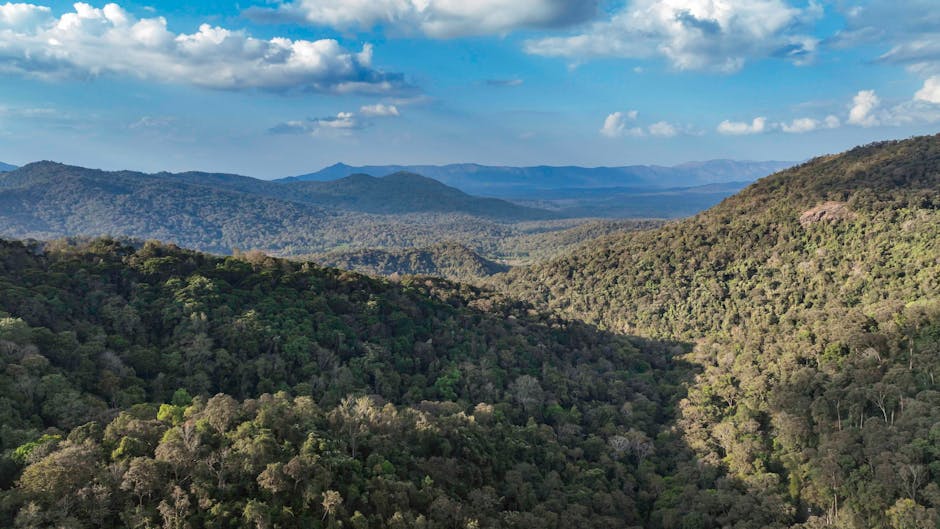
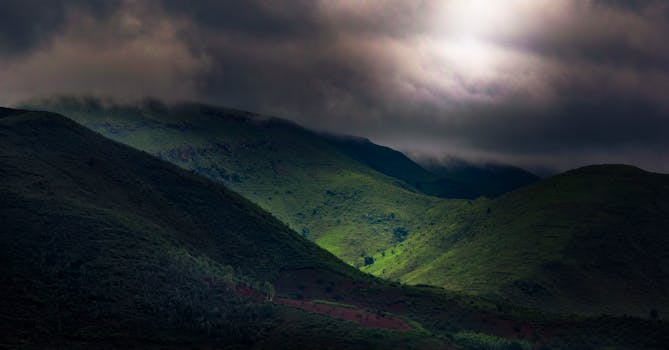
I still remember my first glimpse of Lepchajagat, a tiny hamlet tucked away in the misty hills near Darjeeling. As my car wound up the narrow, pine-lined roads, the chaos of city life melted away, replaced by an almost surreal silence broken only by the distant call of a Himalayan bird. I had stumbled upon this place by sheer chance, following a local’s tip during a tea stall chat in Darjeeling. What struck me was the unspoiled beauty—rolling meadows, dense oak forests, and a panoramic view of the Kanchenjunga range that felt like a private show just for me. Unlike its more famous neighbors, Lepchajagat remains untouched by commercial clutter, a secret whispered among those who crave solitude over selfies.
This underrated gem is special for its raw, unfiltered connection to nature and the warm hospitality of the Lepcha community who call it home. It’s a place where time slows down, where you can sip tea on a wooden balcony while clouds drift below you. In this guide, you’ll discover why Lepchajagat is a must-visit, the best things to do, how to reach, where to stay, and insider tips to make your trip unforgettable.
Why Visit Lepchajagat?
- Untouched Serenity — Escape the tourist traps of Darjeeling for a peaceful retreat amidst nature’s lap.
- Kanchenjunga Views — Witness breathtaking vistas of the world’s third-highest peak from your homestay window.
- Rich Biodiversity — Explore dense forests of oak and rhododendron, home to rare Himalayan birds and wildlife.
- Cultural Immersion — Connect with the indigenous Lepcha community and learn their unique traditions firsthand.
- Offbeat Charm — Enjoy a crowd-free experience, perfect for those seeking solitude over mainstream destinations.
- Affordable Getaway — Experience luxury of peace without burning a hole in your pocket.
- Photographer’s Paradise — Capture surreal landscapes, misty mornings, and vibrant local life in every frame.
Top Things to Do & See
Ghoom Rock
A massive boulder offering 360-degree views of the surrounding hills and valleys, especially magical at sunrise. Insider tip: Carry a small picnic; locals often skip this spot, leaving it blissfully empty.
Jorepokhri Lake
A serene twin lake surrounded by dense forests, believed to be sacred by the locals. Insider tip: Visit during early morning to spot migratory birds rarely seen by tourists.
Lepchajagat Nature Reserve
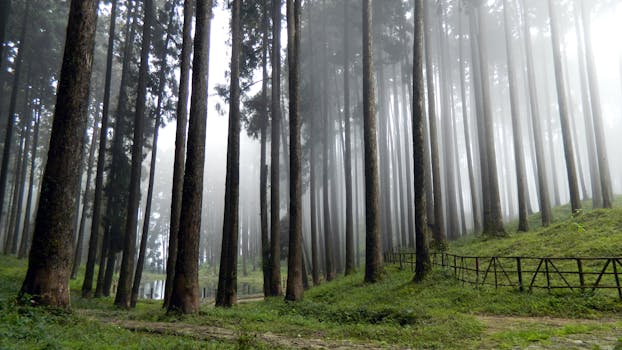
A haven for nature lovers with trails through ancient oak and pine forests. Insider tip: Ask a local guide to point out hidden orchid patches blooming in season.
Hawa Ghar Viewpoint
A scenic spot to soak in panoramic views of the Kanchenjunga range on clear days. Insider tip: Stay till dusk—locals say the sunset here paints the sky in rare hues.
Local Lepcha Village Walk
Wander through nearby villages to witness authentic Lepcha culture and architecture. Insider tip: Politely ask to join a family for tea; their stories are unforgettable.
Pashupati Market (Nepal Border)
A short drive away, this vibrant border market offers unique Nepali handicrafts and snacks. Insider tip: Bargain gently—locals appreciate a friendly chat over hard haggling.
How to Reach Lepchajagat
Lepchajagat is a secluded hamlet located about 19 kilometers from Darjeeling in West Bengal, making it accessible yet refreshingly remote. The nearest airport is Bagdogra Airport (IXB), roughly 85 kilometers away, with frequent flights from major Indian cities like Kolkata, Delhi, and Mumbai. From Bagdogra, hire a prepaid taxi for around Rs 2,500–3,000, which takes about 3.5 to 4 hours via winding hill roads. The nearest railway station is New Jalpaiguri (NJP), 80 kilometers away, well-connected to Kolkata and other hubs. From NJP, shared or private taxis are available for Rs 2,000–3,000, taking a similar duration as from Bagdogra. By road, if driving from Siliguri, follow the NH110 towards Darjeeling and take a detour at Sukhiapokhri; the journey is scenic but narrow, so drive cautiously. Shared jeeps from Darjeeling to Lepchajagat cost around Rs 200 per person and take about an hour. For the smoothest experience, pre-book a private cab from Bagdogra or NJP, as public transport options are limited beyond Darjeeling.
Best Time to Visit
Lepchajagat is a year-round destination, but the experience varies with the seasons. The peak season (October to February) offers clear skies, crisp weather, and the best views of the Kanchenjunga range, with temperatures ranging from 5°C to 15°C—perfect for trekking and sightseeing. Bring warm layers, as nights can get chilly. The shoulder season (March to May) is ideal for mild weather (10°C to 20°C) and blooming rhododendrons, adding vibrant colors to the forests. The monsoon months (June to September) bring heavy rainfall, making trails slippery and roads occasionally blocked, though the lush greenery and misty landscapes are surreal for those who don’t mind getting wet. Avoid this period if you’re not comfortable with unpredictable weather. Regardless of the season, carry a raincoat and check local forecasts, as hill weather can change rapidly.
Where to Stay
Lepchajagat offers limited but charming accommodation options catering to different budgets, most of which are homestays with stunning views. For budget travelers, consider staying at homestays near the main village area, like those run by local Lepcha families, costing Rs 1,000–1,500 per night with basic amenities and hearty home-cooked meals. For mid-range options, properties like Pinewood Homestay or similar near Hawa Ghar offer cozy rooms with balconies facing the hills for Rs 2,000–3,000 per night, often including breakfast. If you’re looking for a boutique experience, check into slightly upscale retreats like the Lepchajagat Forest Bungalow, managed by the West Bengal Forest Department, priced at Rs 3,500–4,500 per night; book in advance through their official website for availability. Most stays are clustered around the central village or along the forest reserve fringes, ensuring proximity to nature. Always confirm hot water and heating options, especially in colder months.
Trip Cost Breakdown (3-Day Trip for 2 People)
| Item | Cost |
|---|---|
| Accommodation (Mid-range homestay) | Rs 7,500 |
| Food (Local meals and snacks) | Rs 3,000 |
| Transport (Round trip taxi from Bagdogra) | Rs 6,000 |
| Activities (Guided walks, entry fees) | Rs 1,500 |
| Total | Rs 18,000 |
Suggested Itineraries
- 2-Day Quick Escape
- Day 1: Arrive from Bagdogra/NJP by noon, check into homestay, relax with tea while enjoying Kanchenjunga views. Evening village walk (4–6 PM) to interact with locals.
- Day 2: Early sunrise at Ghoom Rock (5–7 AM), breakfast, then visit Jorepokhri Lake (9–11 AM). Depart by noon for return journey.
- 3-Day Deep Dive
- Day 1: Reach Lepchajagat by afternoon, settle into accommodation, spend evening at Hawa Ghar Viewpoint (4–6 PM) for sunset views.
- Day 2: Morning trek in Lepchajagat Nature Reserve (6–9 AM), post-breakfast visit to Jorepokhri Lake (10 AM–12 PM). Afternoon village walk (2–4 PM) and cultural exchange with locals.
- Day 3: Sunrise at Ghoom Rock (5–7 AM), drive to Pashupati Market for shopping (9–11 AM), return by noon for checkout.
Ideal For
- Nature lovers seeking pristine landscapes and tranquil hikes.
- Couples looking for a romantic, offbeat getaway.
- Solo travelers craving solitude and self-reflection.
- Families wanting a safe, slow-paced holiday.
- Photographers chasing dramatic Himalayan vistas.
- Cultural enthusiasts eager to explore indigenous Lepcha heritage.
Safety, Permits & Local Etiquette
- Inner Line Permit: No permits are required for Indian nationals to visit Lepchajagat. Foreign travelers need to carry valid visas and register at the nearest police station if staying long-term.
- Mobile Connectivity: Network coverage is patchy; major operators like Airtel and Jio work sporadically. Carry a backup offline map and inform family of limited connectivity.
- Solo Female Traveller: Generally safe due to the small, tight-knit community. Stick to known paths, avoid isolated treks at night, and dress modestly to respect local norms.
- Do’s & Don’ts: Respect local customs by asking permission before photographing people. Avoid littering in forests; carry trash back. Bargain politely at markets, and greet locals with a smile—they’re incredibly warm.
Hidden Tips Only Repeat Visitors Know
- Visit during weekdays to avoid the minor weekend rush from nearby Darjeeling.
- Pack light woolens even in shoulder seasons; evenings get unexpectedly cold.
- Carry cash—ATMs are non-existent, and digital payments aren’t widely accepted.
- Ask homestay owners for homemade Lepcha meals; they’re fresher than restaurants.
- Trek early mornings in the nature reserve to spot elusive red pandas.
- Buy local handmade shawls directly from villagers for authentic souvenirs.
- Chat with elderly locals at tea stalls; their folklore is pure gold.
- Keep a small torch handy—power cuts are common after dusk.
Frequently Asked Questions
Q: Is Lepchajagat worth visiting?
Absolutely, if you crave peace over crowded tourist spots. Lepchajagat offers unspoiled Himalayan beauty, cultural depth, and solitude that’s hard to find elsewhere. It’s ideal for nature lovers and those seeking an authentic experience. Just don’t expect bustling nightlife or luxury amenities.
Q: How many days are enough for Lepchajagat?
A 2-day trip covers the main sights like Ghoom Rock and Jorepokhri Lake. However, 3 days allow deeper exploration of forests, villages, and local culture. It’s perfect for a relaxed pace without feeling rushed.
Q: Is Lepchajagat safe for solo female travellers?
Yes, it’s relatively safe due to the small, friendly community. Stick to populated areas, avoid night treks alone, and inform your homestay of plans. Locals are helpful, but basic precautions go a long way.
Q: Which is better — Lepchajagat or Darjeeling?
It depends on your vibe. Darjeeling offers more activities, shopping, and iconic spots but is crowded. Lepchajagat is quieter, with raw nature and fewer tourists, ideal for a peaceful escape over mainstream attractions.
Q: Do I need permits for Lepchajagat?
No permits are needed for Indian nationals. Foreign visitors should carry valid travel documents and may need to register with local authorities for extended stays. Always check latest guidelines before traveling.
Q: Is Lepchajagat expensive?
Not at all; it’s quite budget-friendly. Accommodation, food, and local transport are affordable compared to popular hill stations. A 3-day trip for two can cost under Rs 20,000 with mid-range options. Costs rise only if you opt for private taxis from distant cities.