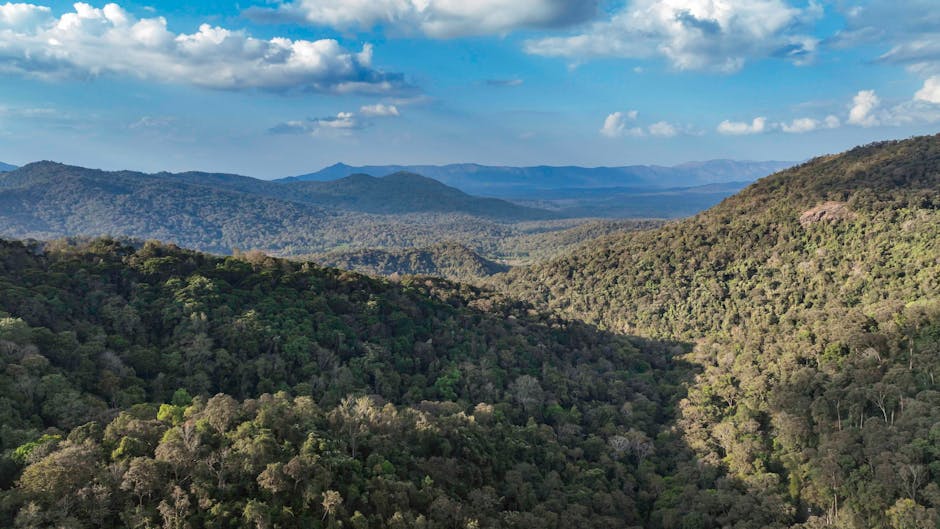
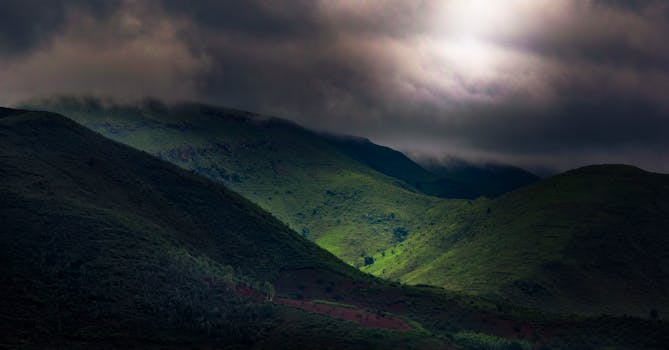
Kumaon villages
The right stay. At the right price. Every time.
Find your perfect Uttarakhand stay on Unpaqd — with our AI search feature
Curated 4.5+ rated homestays, price-match guarantee, and zero commissions-so you never overpay or settle. Just describe your ideal stay, and we'll do the rest.
Explore stays on UnpaqdSummary
- Kumaon villages: Uttarakhand's best-kept offbeat secret.
- Serene Himalayan hamlets offering unmatched peace.
- Perfect for nature lovers and slow travel.
- Authentic cultural experiences at every turn.
- Budget-friendly escape from tourist crowds.
- Hidden gem for soulful mountain getaways.
Kumaon Villages
As I trekked through a narrow, pine-flanked trail in the Kumaon region, I stumbled upon a tiny village called Kasar Devi. The air was crisp, the silence broken only by the distant chime of temple bells, and an elderly woman smiled at me, offering a cup of steaming rhododendron tea. It felt like stepping into a forgotten world, where time slows down and the mountains whisper ancient stories. Kumaon villages, nestled in the lesser-explored corners of Uttarakhand, are a mosaic of untouched beauty, vibrant culture, and raw Himalayan charm. Despite their proximity to popular hill stations like Nainital, they remain largely overlooked by mainstream tourists, preserving their authenticity. What makes them special is their ability to offer solitude, panoramic views, and a glimpse into the Pahadi way of life, far from commercialized itineraries. In this guide, you'll discover why these villages deserve a spot on your travel list, the best things to do, how to reach them, where to stay, and insider tips to make your journey unforgettable.
Why Visit Kumaon Villages?
- Untouched Beauty — These villages offer sweeping views of Himalayan peaks like Nanda Devi, often visible right from your homestay window.
- Cultural Immersion — Witness traditional Kumaoni festivals, taste local dishes like bhatt ki churkani, and interact with warm, hospitable locals.
- Peaceful Retreat — Unlike crowded hill stations, Kumaon villages provide solitude with minimal tourist footprints.
- Affordable Exploration — Enjoy a budget-friendly trip with low-cost stays and meals compared to mainstream destinations.
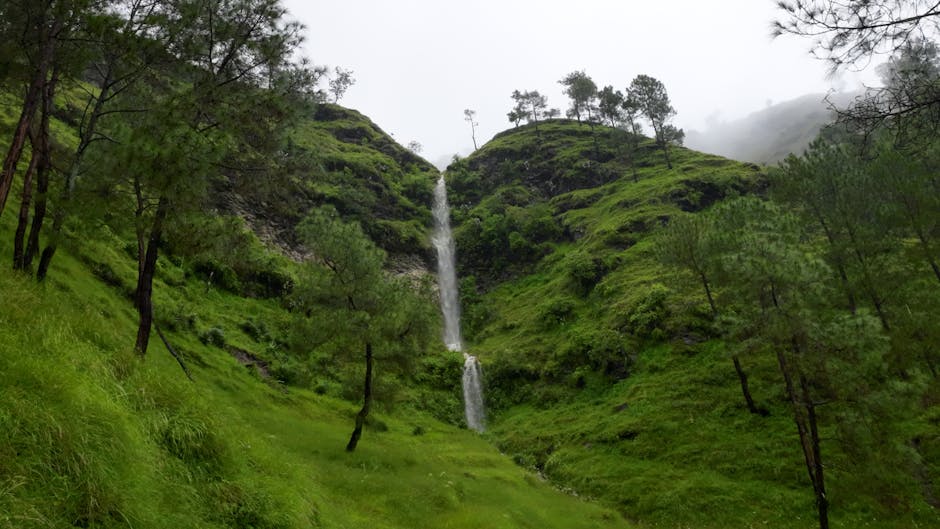
- Adventure Potential — From easy treks to hidden waterfalls, these villages are a paradise for outdoor enthusiasts.
- Sustainable Travel — Staying in local homestays directly supports village economies and promotes eco-conscious tourism.
- Spiritual Vibes — Many villages, like Kasar Devi, are known for their meditative energy, attracting artists and seekers alike.
Top Things to Do & See
Kasar Devi Temple
Perched on a hilltop, this ancient temple offers breathtaking views of the Almora valley. Insider tip: Visit during sunset for a magical golden glow locals swear by.
Chitai Golu Devta Temple
A sacred site near Almora, known for its unique tradition of tying bells as offerings. Insider tip: Chat with the priest to hear folklore about the deity’s justice.
Binsar Wildlife Sanctuary
A haven for birdwatchers and nature lovers with dense oak forests and Himalayan vistas. Insider tip: Carry binoculars; locals often spot rare birds near the entry gate.
Munsiyari Village
Gateway to the Johar Valley, offering stunning views of the Panchachuli peaks. Insider tip: Ask locals for directions to hidden meadows for a private picnic spot.
Jageshwar Dham
A cluster of over 100 ancient stone temples amidst deodar forests. Insider tip: Explore early morning to avoid small crowds and feel the spiritual calm.
Local Village Walks
Wander through terraced fields and stone houses in villages like Sattal or Pangot. Insider tip: Hire a local guide to learn about medicinal plants along the trails.
How to Reach Kumaon Villages
Reaching the Kumaon villages requires a bit of planning, but the journey is scenic and rewarding. The nearest airport is Pantnagar Airport, about 120 km from Almora, a central hub for accessing most villages. Flights from Delhi are frequent, with fares averaging Rs 3,000–5,000 per person one-way, and the drive from Pantnagar to Almora takes around 3–4 hours by taxi (Rs 2,500–3,000). The nearest major railway station is Kathgodam, roughly 90 km from Almora, connected to Delhi and other cities. Trains like the Shatabdi Express from Delhi to Kathgodam cost Rs 800–1,200 per person, and the journey takes about 5–6 hours. From Kathgodam, hire a shared taxi or private cab to Almora or other villages for Rs 1,500–2,000. By road, Almora is 340 km from Delhi, a 9–10 hour drive via NH9, passing through picturesque towns like Rampur and Haldwani. Buses from Delhi’s ISBT to Almora cost Rs 500–700 per person. Once in Almora, local taxis or shared jeeps can take you to smaller villages like Kasar Devi, Binsar, or Munsiyari for Rs 300–1,000 depending on the distance.
Best Time to Visit
The Kumaon villages are a year-round destination, but the experience varies with the seasons. Spring (March to May) and Autumn (September to November) are peak times, with pleasant temperatures between 15°C and 25°C, clear skies, and vibrant landscapes—ideal for trekking and sightseeing. Winter (December to February) offers a magical charm with occasional snowfall, especially in higher villages like Munsiyari, though temperatures can drop to 0°C; pack heavy woolens. The monsoon (June to August) brings lush greenery but also heavy rainfall, making roads slippery and prone to landslides—travel with caution or avoid this season if possible. Shoulder months like late February or early June offer fewer crowds and mild weather, striking a balance between comfort and solitude. Always check local weather updates before planning, as mountain conditions can change rapidly.
Where to Stay
Accommodation in Kumaon villages caters to various budgets, often blending rustic charm with modern comforts. For Budget Stays (Rs 800–1,500 per night), consider homestays in Kasar Devi or Sattal, run by local families, offering basic rooms with home-cooked meals—check platforms like Airbnb for options. For Mid-Range Stays (Rs 2,000–3,500 per night), look at guesthouses or small hotels in Almora or Binsar, such as those near Binsar Wildlife Sanctuary, providing cozy rooms with valley views. For a Boutique Experience (Rs 4,000–7,000 per night), opt for heritage properties or eco-resorts in Munsiyari or Pangot, like retreats offering guided treks and organic dining—book in advance during peak seasons. Staying in villages ensures an authentic experience, and many hosts double as guides, sharing local stories over evening bonfires.
Trip Cost Breakdown (3-Day Trip for 2 People)
| Item | Cost |
|---|---|
| Accommodation (Mid-Range) | Rs 9,000 |
| Food (Local Meals) | Rs 3,000 |
| Transport (Local Taxis & Shared Jeeps) | Rs 4,000 |
| Activities (Entry Fees & Guided Walks) | Rs 2,000 |
| Total | Rs 18,000 |
Suggested Itineraries
- 2-Day Quick Escape
- Day 1: Arrive in Almora by morning (9 AM). Check into a homestay in Kasar Devi (10 AM). Visit Kasar Devi Temple for sunset views (4 PM). Evening at leisure with local dinner (7 PM).
- Day 2: Early morning trek to Binsar Wildlife Sanctuary (6 AM). Return for breakfast (10 AM). Explore Chitai Golu Devta Temple (11 AM). Depart for home by afternoon (2 PM).
- 3-Day Deep Dive
- Day 1: Reach Almora by morning (9 AM). Settle into a stay in Kasar Devi (10 AM). Visit Kasar Devi Temple and enjoy sunset (4 PM). Dinner with bonfire (7 PM).
- Day 2: Morning drive to Binsar Wildlife Sanctuary for a nature walk (7 AM). Lunch at a local dhaba (1 PM). Afternoon visit to Jageshwar Dham temples (2 PM). Return to stay (6 PM).
- Day 3: Early village walk in nearby hamlets (6 AM). Breakfast with locals (9 AM). Visit Chitai Golu Devta Temple (10 AM). Depart by noon (12 PM).
Ideal For
- Nature enthusiasts seeking serene Himalayan landscapes.
- Couples looking for a quiet, romantic getaway.
- Solo travelers craving introspection and solitude.
- Families wanting an authentic cultural experience.
- Adventure seekers interested in offbeat treks and hikes.
- Photographers aiming to capture raw mountain beauty.
Safety, Permits & Local Etiquette
- Inner Line Permit: Not required for most Kumaon villages, though certain border areas like Munsiyari may need a quick registration at local checkposts—carry ID proof.
- Mobile Connectivity: Network is spotty in remote villages; major providers work in Almora, but expect weak signals in places like Binsar or Pangot—inform family in advance.
- Solo Female Traveller: Generally safe with friendly locals, but stick to well-trodden paths, avoid isolated areas at night, and dress modestly to blend in.
- Do's & Don'ts: Respect local customs by asking permission before photographing people. Avoid littering—carry trash back. Greet locals with a smile; they appreciate small gestures. Refrain from loud behavior near temples.
Hidden Tips Only Repeat Visitors Know
- Carry cash; ATMs are scarce in remote villages, and digital payments aren’t always accepted.
- Pack light woolens even in summer—nights get chilly at higher altitudes.
- Buy local handicrafts like woolen shawls directly from village markets for better prices.
- Ask homestay owners for homemade bal mithai, a Kumaoni sweet not found elsewhere.
- Visit during local fairs (like Nanda Devi Mela) for authentic cultural experiences—check dates with locals.
- Hire local guides for treks; they know shortcuts and hidden viewpoints tourists miss.
- Carry reusable water bottles—many villages have natural springs with potable water.
- Learn a few Kumaoni phrases like “Namaste Ji” to connect better with residents.
Frequently Asked Questions
Q: Is Kumaon villages worth visiting?
Absolutely, Kumaon villages are a treasure for anyone seeking peace and authenticity. They offer stunning Himalayan views, rich culture, and a break from crowded tourist spots. Unlike commercial hill stations, you’ll experience genuine Pahadi hospitality. It’s ideal if you value slow travel over rushed itineraries.
Q: How many days are enough for Kumaon villages?
A 2–3 day trip is perfect for a quick escape, covering key spots like Kasar Devi and Binsar. For a deeper dive into villages like Munsiyari or Jageshwar, plan 4–5 days. This allows time for treks, temple visits, and cultural immersion. Adjust based on your pace and interests.
Q: Is Kumaon villages safe for solo female travellers?
Yes, these villages are generally safe with welcoming locals. However, stick to populated areas, avoid late-night outings in remote spots, and dress conservatively. Always share your itinerary with someone trusted. Homestays run by families offer added security and comfort.
Q: Which is better — Kumaon villages or Nainital?
It depends on your vibe. Kumaon villages offer solitude, raw nature, and cultural depth, while Nainital is more developed with tourist amenities. Choose Kumaon for an offbeat experience, and Nainital for family-friendly activities and accessibility. Both have unique charms worth exploring.
Q: Do I need permits for Kumaon villages?
No special permits are needed for most Kumaon villages. However, for border-adjacent areas like Munsiyari, a simple registration at local checkposts might be required. Carry valid ID proof for verification. Check with local authorities if planning treks near restricted zones.
Q: Is Kumaon villages expensive?
Not at all; Kumaon villages are quite budget-friendly compared to mainstream hill stations. A mid-range trip for two can cost around Rs 15,000–20,000 for 3 days, including stay and food. Homestays and local eateries keep expenses low. Luxury options exist but aren’t necessary for a fulfilling experience.