Kudremukh Trek: Explore Karnataka’s Hidden Green Paradise – Complete Guide
The right stay. At the right price. Every time.
Find your perfect Karnataka stay on Unpaqd — with our AI search feature
Curated 4.5+ rated homestays, price-match guarantee, and zero commissions-so you never overpay or settle. Just describe your ideal stay, and we'll do the rest.
Explore stays on UnpaqdSummary
- Kudremukh Trek: A hidden gem in Karnataka’s Western Ghats.
- Perfect for offbeat adventurers seeking untouched natural beauty.
- Offers serene trails with breathtaking panoramic views.
- A peaceful escape far from crowded tourist spots.
- Incredible value for money with minimal expenses.
- Ideal for nature lovers and trekking enthusiasts.
Kudremukh Trek
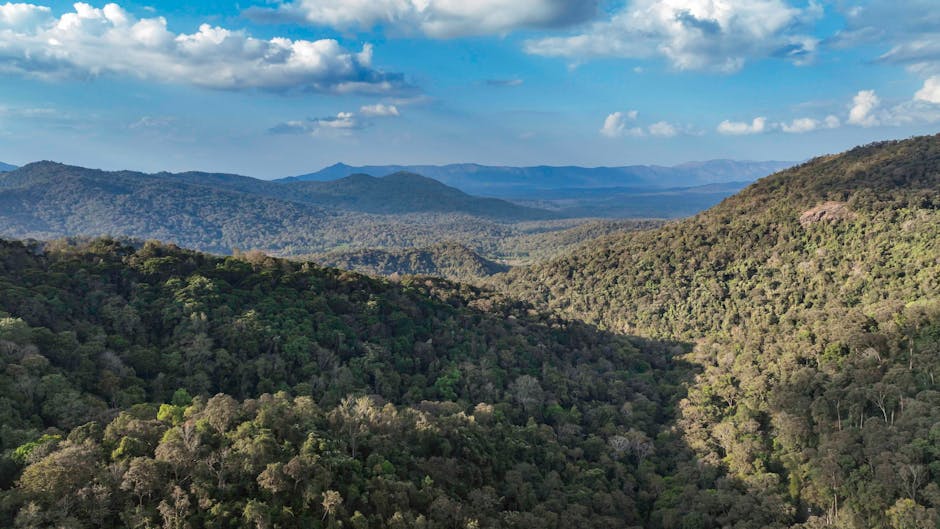
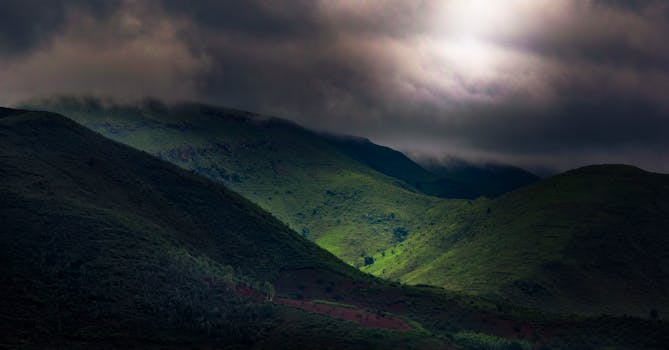
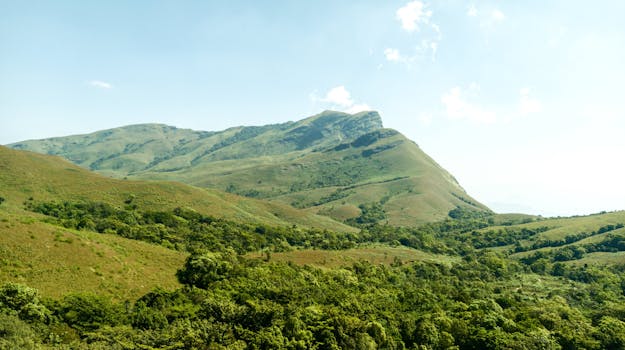
I still remember the first time I set foot on the trail to Kudremukh, early in the morning when the mist hung low over the rolling hills like a soft, white blanket. The air was crisp, carrying the faint scent of wet earth and wildflowers, and the only sound was the distant call of a Malabar hornbill. I had stopped at a tiny tea stall in Mullodi village, where an old man named Shankar handed me a steaming glass of kadak chai for just Rs 10, grinning as he warned me about the slippery rocks ahead. It was a moment of pure, unfiltered connection with the land and its people—a rarity in today’s over-touristed world. Kudremukh, tucked away in Chikkamagaluru district, remains criminally underrated despite being one of Karnataka’s most stunning treks. Its charm lies in the untouched grasslands, dense shola forests, and the iconic horseshoe-shaped peak that gives the trek its name. What makes it truly special? The solitude. Unlike more commercial trails, here you’re often the only soul for miles, with nothing but nature as your companion. Stick with me, and I’ll walk you through everything you need to uncover this hidden paradise.
Why Visit Kudremukh Trek?
- Unspoiled Wilderness — Sprawling over 600 square kilometers, Kudremukh National Park is a biodiversity hotspot with rare flora and fauna.
- Iconic Peak View — The summit reveals a horseshoe-shaped ridge, a unique formation that’s a photographer’s dream at sunrise.
- Shola Forest Magic — Walk through dense, misty forests where sunlight barely filters through, creating an otherworldly vibe.
- Waterfall Delights — Encounter hidden streams and waterfalls like Hanuman Gundi, perfect for a refreshing dip post-trek.
- Cultural Connect — Interact with locals in nearby villages like Mullodi, who share stories of the land’s mining past.
- Challenging Yet Accessible — A moderate 22-km round trip that tests endurance but doesn’t demand expert skills.
- Away from Crowds — Unlike Coorg or Ooty, Kudremukh offers solitude, with only a handful of trekkers on most days.
Top Things to Do & See
Kudremukh Peak
Witness the surreal horseshoe-shaped ridge at 1,894 meters, especially magical during golden hour. Insider tip: Start your trek by 6 AM from the base to catch the sunrise view—locals swear it’s unbeatable.
Shola Grasslands
Walk through endless stretches of rolling green hills that feel like a painting come to life. Insider tip: Look for wild bison grazing in the distance, but keep a safe gap as advised by forest guards.
Hanuman Gundi Falls
A stunning 100-foot waterfall en route, ideal for a quick break to soak in the cool mist. Insider tip: Visit post-monsoon for the fullest flow, and ask locals for the safest spot to dip your feet.
Lobo’s House Viewpoint
A lesser-known spot offering panoramic views of the Western Ghats’ endless ranges. Insider tip: It’s a short detour from the main trail—ask your guide about the unmarked path near the second stream.
Wildlife Spotting
Keep an eye out for langurs, deer, and rare birds like the Malabar trogon in the national park. Insider tip: Carry binoculars and stay silent near dense forest patches for better sightings.
Mullodi Village
A quaint hamlet at the trek’s base, perfect for soaking in local life and rustic charm. Insider tip: Try homemade idlis at Geetha’s tiny eatery for Rs 30 a plate—pure comfort food.
How to Reach Kudremukh Trek
Getting to Kudremukh Trek is a bit of a journey, but that’s what keeps it so pristine. The nearest major city is Mangalore, about 100 km away. If you’re flying in, Mangalore International Airport (IXE) is your best bet, with daily flights from Bangalore, Mumbai, and Delhi. From there, hire a taxi for around Rs 2,500–3,000 to reach Kalasa, the closest town to the trek base. Alternatively, if you’re taking the train, Mangalore Central Railway Station connects well with major cities. From the station, board a KSRTC bus to Kalasa (Rs 150–200 per person, 3 hours) via NH-169, a scenic route flanked by coffee estates and small villages.
For self-drive enthusiasts, the route from Bangalore is a solid option—roughly 330 km via NH-75. Start early to avoid traffic, and stop at the iconic Belur Temple en route for a quick detour. The drive takes about 6–7 hours, passing through Hassan and Mudigere. Fuel up at HP Petrol Pump in Mudigere, as options thin out closer to Kalasa. Once in Kalasa, head to Mullodi village, the trek’s starting point, about 10 km away on a narrow, winding road. Local autos charge Rs 300–400 for this last stretch. Parking is limited near the forest checkpost, so arrive early to secure a spot. A heads-up: roads can get slippery during rains, so drive cautiously or opt for public transport if you’re unsure.
Best Time to Visit
Kudremukh Trek shines brightest between October and February, when the weather is cool (15–25°C) and the trails are dry, making the climb safer and more enjoyable. This post-monsoon to winter window also offers clear skies for jaw-dropping views from the peak. March to May is a shoulder season—still doable, with temperatures climbing to 30°C, but the heat can sap your energy on the exposed grasslands. Monsoon (June–September) transforms the region into a lush green paradise, with waterfalls at their peak, but the trails turn treacherously slippery, and leeches are a constant nuisance. Plus, the forest department often restricts treks during heavy rains for safety. My pick? Late November—cool breezes, vibrant landscapes, and fewer trekkers.
Where to Stay
Accommodation near Kudremukh is basic but charming, mostly concentrated around Kalasa and Mullodi. For budget travelers, homestays like Shree Durga Homestay in Mullodi offer clean rooms for Rs 800–1,000 per night, often with home-cooked meals for an extra Rs 200 per person. If you’re looking for a mid-range option, try Bella Homestay in Kalasa, where rooms go for Rs 1,500–2,000 per night, complete with hot water and stunning views of the hills. For a slightly more upscale boutique experience, check into Thotadur Homestay near Kalasa, priced at Rs 2,500–3,000 per night. It’s a bit of a splurge, but the cozy cottages and personalized service make it worth it. Book in advance, especially during peak season, as options are limited. Camping is also permitted near the base with prior forest department approval—bring your own gear or rent tents for Rs 500 per night from local vendors in Mullodi.
Trip Cost Breakdown (3-Day Trip for 2 People)
| Item | Cost |
|---|---|
| Accommodation (2 nights at mid-range homestay) | Rs 4,000 |
| Food (meals and snacks) | Rs 2,000 |
| Transport (taxi from Mangalore and local autos) | Rs 3,500 |
| Activities (trek permit and guide fees) | Rs 1,500 |
| Total | Rs 11,000 |
Suggested Itineraries
- 2-Day Quick Escape
- Day 1: Arrive in Kalasa by noon, check into a homestay, and spend the afternoon exploring Hanuman Gundi Falls (1 PM–4 PM). Enjoy a quiet dinner at a local eatery by 7 PM.
- Day 2: Start the Kudremukh Trek at 6 AM from Mullodi, reach the peak by noon, and return by 4 PM. Head back to Mangalore or Bangalore post-trek.
- 3-Day Deep Dive
- Day 1: Reach Kalasa by midday, settle into your stay, and visit local coffee estates near town (2 PM–5 PM). Relax with a village walk in Mullodi by evening.
- Day 2: Begin the Kudremukh Trek at 5:30 AM, summit by 11 AM, soak in the views, and descend by 3 PM. Rest at the homestay with a hearty meal.
- Day 3: Explore nearby viewpoints like Lobo’s House (8 AM–10 AM), shop for local spices in Kalasa market (11 AM–1 PM), and depart by afternoon.
Ideal For
- Trekking enthusiasts looking for a moderate yet rewarding challenge.
- Nature lovers craving untouched landscapes and wildlife sightings.
- Solo travelers or small groups seeking solitude over crowded destinations.
- Photographers eager to capture dramatic peaks and misty forests.
- Budget travelers wanting an affordable outdoor adventure.
Safety, Permits & Local Etiquette
- Trek Permit: Mandatory for Kudremukh Trek, obtainable at the forest checkpost in Mullodi for Rs 475 per person. Only 50 trekkers are allowed daily, so book online via the Karnataka Forest Department portal or arrive early.
- Mobile Connectivity: Patchy at best—BSNL works sporadically near Mullodi, but there’s no signal on the trail. Inform family beforehand and carry a power bank.
- Solo Female Traveller: Relatively safe with a guide or group. Stick to daylight hours, avoid isolated detours, and dress conservatively in villages to blend in.
- Do’s & Don’ts: Carry reusable water bottles—plastic is banned. Don’t litter; fines are strict at Rs 500. Respect wildlife by maintaining distance. Wear sturdy shoes for rocky patches. Avoid loud music to preserve the tranquility locals cherish.
Hidden Tips Only Repeat Visitors Know
- Start your trek before sunrise from Mullodi to avoid the midday heat and secure parking near the checkpost.
- Pack salt to ward off leeches, especially if trekking just after rains—sprinkle it on your shoes.
- Carry extra socks; streams on the trail often leave your feet soaked, and there’s no place to dry them.
- Chat with forest guards at the base for real-time updates on trail conditions—they’re a goldmine of info.
- Buy local honey from roadside stalls near Kalasa for Rs 200 per jar—it’s pure and a great souvenir.
- Skip overpriced guides at the checkpost; negotiate with locals in Mullodi for Rs 500–700 for a full day.
- Bring lightweight rain gear even in dry seasons—sudden showers are common at higher altitudes.
- Stop at Sri Annapoorna Hotel in Kalasa for a quick dosa (Rs 40) before heading to the trek base.
Frequently Asked Questions
Q: Is Kudremukh Trek worth visiting?
Absolutely, if you’re into raw, uncommercialized nature. The trek rewards you with sweeping views of the Western Ghats, serene grasslands, and a sense of solitude hard to find elsewhere. It’s a moderate challenge, perfect for beginners with decent fitness. Plus, the cultural vibe of nearby villages adds depth to the experience.
Q: How many days are enough for Kudremukh Trek?
A 2-day trip works if you’re short on time—just trek and head back. But I’d recommend 3 days to fully soak in the trek, explore waterfalls like Hanuman Gundi, and unwind in Kalasa. It gives you buffer time for weather delays too.
Q: Is Kudremukh Trek safe for solo female travellers?
It’s safe with precautions. Join a group or hire a local guide from Mullodi for company and navigation. Stick to daylight hours and avoid straying from marked trails. Locals are friendly, but basic cultural sensitivity goes a long way.
Q: Which is better — Kudremukh Trek or Coorg?
Depends on your vibe. Kudremukh is for trekkers and solitude seekers, with rugged trails and minimal crowds. Coorg offers more polished experiences—coffee plantations and luxury stays—but it’s often overrun with tourists. Pick Kudremukh for adventure, Coorg for relaxation.
Q: Do I need permits for Kudremukh Trek?
Yes, a trek permit is mandatory, costing Rs 475 per person. It’s issued at the Mullodi forest checkpost or bookable online through the Karnataka Forest Department website. Only 50 slots are available daily, so plan ahead. Carry ID proof for verification.
Q: Is Kudremukh Trek expensive?
Not at all—it’s very budget-friendly. A 3-day trip for two can cost around Rs 11,000, covering stay, food, transport, and permits. Homestays are affordable, and local food is dirt cheap. It’s a steal for the experience you get.