Kudremukh Travel Guide: Ultimate Expert Tips for a Scenic Escape

The right stay. At the right price. Every time.
Find your perfect Karnataka stay on Unpaqd — with our AI search feature
Curated 4.5+ rated homestays, price-match guarantee, and zero commissions-so you never overpay or settle. Just describe your ideal stay, and we'll do the rest.
Explore stays on UnpaqdUltimate Guide to Kudremukh – Expert Travel Tips
TL;DR Summary
- Kudremukh, a hidden gem in Karnataka, offers pristine natural beauty for adventurers.
- Best time to visit Kudremukh: October to February for pleasant weather.
- Top attractions include Kudremukh Peak, Hanuman Gundi Falls, and lush tea estates.
- Perfect for trekkers and nature lovers seeking offbeat escapes.
- Unique appeal: Rolling hills resembling a horse’s face, hence the name.
- Explore this Kudremukh travel guide for itineraries and things to do in Kudremukh.
Introduction to Kudremukh
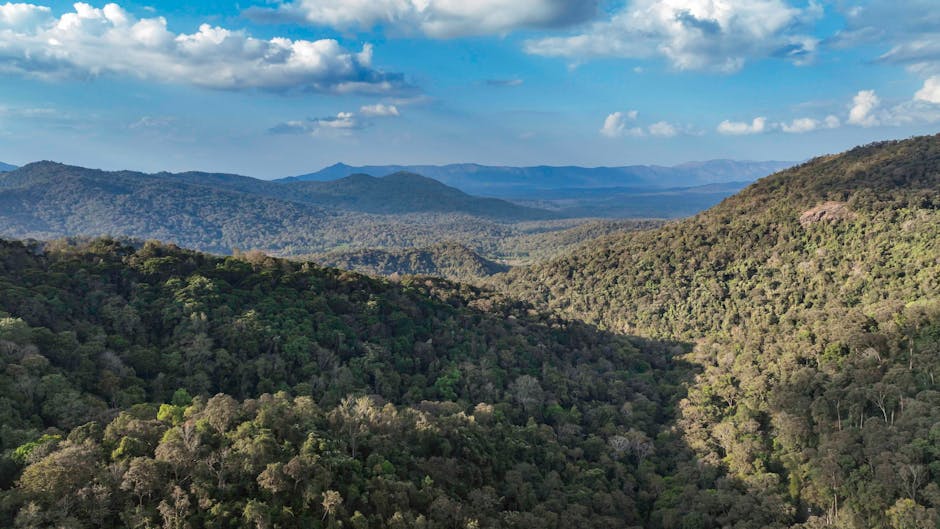
I’ll never forget my first sunrise at Kudremukh Peak. Standing at 1,894 meters, with mist rolling over the emerald hills shaped like a horse’s face, I felt an indescribable calm wash over me. Nestled in the Western Ghats of Karnataka, Kudremukh is a paradise of biodiversity, serene landscapes, and challenging treks. Its name, meaning “horse face” in Kannada, comes from the unique shape of its main peak—a sight that has captivated travelers for generations. Once a mining hub, it’s now a protected national park, preserving its raw, untouched charm.
Kudremukh is ideal for adventurers craving treks, couples seeking quiet getaways, and families looking for nature-centric holidays. In this guide, you’ll discover the best attractions, insider tips for a seamless trip, and curated Kudremukh itineraries. Whether it’s the best time to visit Kudremukh or budget travel hacks, I’ve got you covered with insights from my 20+ years of exploring India’s hill stations. For similar vibes, check our Manali guide.
Why Visit Kudremukh? (Key Highlights)
- Unspoiled Natural Beauty: Rolling hills, dense forests, and cascading waterfalls await nature enthusiasts.
- Trekking Paradise: Kudremukh Peak offers one of South India’s most scenic and rewarding treks.
- Rich Biodiversity: Spot rare wildlife like the Malabar civet in Kudremukh National Park.
- Peaceful Retreat: Escape crowded tourist spots for a tranquil hill station experience.
- Cultural Insights: Interact with locals in nearby villages for authentic Tulu and Kannada traditions.
- Photography Haven: Capture stunning landscapes, especially during monsoon when greenery peaks.
- Unique Fact: During my 2015 visit, a local guide shared that the peak’s horse-face silhouette is best seen from a hidden vantage point near Lobo’s House—ask locals for directions!
Top Attractions in Kudremukh
1. Kudremukh Peak
A trekker’s dream, this peak offers panoramic views of the Western Ghats. Key features: 6-8 hour trek, lush shola forests, and misty trails. Entry fee: Approx. INR 600 per person (2026 estimate). Best time: October to February. Insider tip: Start early at 6 AM to avoid midday heat.
2. Hanuman Gundi Falls
A breathtaking 100-ft waterfall nestled amidst dense greenery, perfect for a refreshing dip. Key features: Scenic picnic spot, well-maintained steps. Entry fee: INR 50. Best time: Monsoon (July-September). Insider tip: Wear sturdy shoes; the steps can be slippery.
3. Kudremukh National Park
A UNESCO World Heritage contender, home to diverse flora and fauna. Key features: Wildlife spotting, guided treks. Entry fee: INR 200. Best time: Winter. Insider tip: Book a forest department guide for hidden trails.
4. Lakya Dam
A serene spot with views of rolling hills and calm waters. Key features: Ideal for photography, quiet walks. Entry fee: Free. Best time: Post-monsoon. Insider tip: Visit at sunset for golden-hour shots.
5. Gangamoola Hill
A lesser-known trekking spot with spiritual significance as the origin of three rivers. Key features: Moderate trek, river views. Entry fee: INR 100. Best time: Winter. Insider tip: Carry water; no shops nearby.
6. Kadambi Falls
A hidden gem offering solitude amidst nature. Key features: Short hike, serene pool. Entry fee: Free. Best time: Monsoon. Insider tip: Avoid weekends for a peaceful visit.
7. Horanadu Annapoorneshwari Temple
A sacred site 30 km away, known for its spiritual ambiance. Key features: Stunning architecture, free meals. Entry fee: Free. Best time: Year-round. Insider tip: Dress modestly; photography restricted inside.
8. Kalasa Town
A charming base town with local markets and tea estates. Key features: Cultural immersion, local cuisine. Entry fee: N/A. Best time: Anytime. Insider tip: Try filter coffee at roadside stalls.
9. Samse Tea Estate
Walk through sprawling tea plantations for a calming experience. Key features: Guided tours, tea tasting. Entry fee: INR 100. Best time: Post-monsoon. Insider tip: Buy fresh tea directly from farmers.
10. Janta Market
A local hub near Kudremukh for souvenirs and snacks. Key features: Handicrafts, spices. Entry fee: N/A. Best time: Anytime. Insider tip: Bargain for better deals on local goods.
Detailed Guides for Top 3 Attractions
Kudremukh Peak
- History: Named for its horse-face shape, it’s part of the Western Ghats and was once mined for iron ore until conservation efforts turned it into a protected zone.
- Things to See/Do: Trek to the summit (12 km round trip), enjoy 360-degree views, spot wildlife like deer, and photograph misty valleys.
- Nearby Spots: Lakya Dam (5 km away) for a relaxing post-trek stop.
- Location & How to Reach: 10 km from Kalasa; hire a local jeep or trek from the base at Mullodi village (permits required via forest department).
- Insider Tip: During my last trek, I learned to pack light but carry a raincoat—sudden showers are common even in winter.
Hanuman Gundi Falls
- History: Named after Lord Hanuman, this waterfall is a local legend tied to ancient myths, believed to have healing properties.
- Things to See/Do: Swim in the natural pool (if safe), picnic by the falls, and capture the cascading beauty on camera.
- Nearby Spots: Kudremukh National Park (15 km) for extended nature exploration.
- Location & How to Reach: 25 km from Kalasa on the Sringeri route; accessible by car or local bus, followed by a short walk.
- Insider Tip: I always carry snacks—there are no vendors nearby, and the spot is perfect for a quiet meal.
Kudremukh National Park
- History: Established in 1987, it spans 600 sq km and protects endangered species while preserving shola grasslands.
- Things to See/Do: Join guided safaris, spot birds like the Malabar trogon, trek minor trails, and learn about conservation efforts.
- Nearby Spots: Kadambi Falls (10 km) for a quick detour.
- Location & How to Reach: Entry near Kalasa; reachable by road from Chikmagalur (95 km); book safaris at the park office.
- Insider Tip: On my 2018 visit, a ranger suggested visiting post-monsoon for clearer wildlife sightings—monsoon mud can obscure trails.
How to Reach Kudremukh
Kudremukh is remote but accessible with planning. The nearest airport is Mangalore International Airport (100 km, approx. INR 2,500 by taxi in 2026). The closest railway station is Mangalore Central (110 km, taxi fare INR 2,800). From Bangalore, drive 330 km (6-7 hours) via NH 75—a scenic but winding route; expect fuel costs of INR 3,000-3,500 round trip. From Chikmagalur (95 km), it’s a 2.5-hour drive (INR 1,500 by cab). Public buses from Bangalore to Kalasa (near Kudremukh) cost INR 600-800 per person. Tip: Hilly roads can be tricky; drive slowly, especially during monsoon, and keep a spare tire handy.
Multi-Day Road Trip Circuits from Major Cities
Since Bangalore is the most popular starting point for Kudremukh due to its proximity and connectivity, I’ve crafted four diverse road trip circuits to suit various traveler types. These include Kudremukh as a key stop, blending nature, culture, and adventure.
Classic Western Ghats Circuit: Nature & Spirituality
- Stops & Sequence: Bangalore → Chikmagalur (240 km, 4.5 hrs) → Kudremukh (95 km, 2.5 hrs) → Sringeri (35 km, 1 hr) → Back to Bangalore via Chikmagalur (330 km, 6 hrs).
- Why This Sequence: Chikmagalur offers coffee plantations as a warm-up, Kudremukh delivers treks and waterfalls, and Sringeri’s ancient temple adds cultural depth before looping back.
- Total Duration: 5-6 days.
- Best For: Families and couples seeking a balanced mix of nature and heritage.
- Tips: Take NH 75 for smoother roads; stop at Belur (en route back) for Hoysala architecture; book stays in Chikmagalur in advance during weekends; watch for monsoon landslides near Kudremukh.
Extended Adventure Circuit: Ghats Explorer
- Stops & Sequence: Bangalore → Chikmagalur (240 km, 4.5 hrs) → Kudremukh (95 km, 2.5 hrs) → Agumbe (80 km, 2 hrs) → Udupi (100 km, 2.5 hrs) → Back to Bangalore (400 km, 8 hrs).
- Why This Sequence: Covers diverse terrains—hills in Kudremukh, rainforests in Agumbe, and coastal charm in Udupi—maximizing Western Ghats exploration without backtracking.
- Total Duration: 7-9 days.
- Best For: Adventure seekers and nature photographers.
- Tips: Carry rain gear for Agumbe (India’s Cherrapunji); NH 169A to Udupi has tolls (INR 100-150); plan Udupi beach visits for early mornings; check road conditions during monsoon.
Budget/Quick Circuit: Weekend Escape
- Stops & Sequence: Bangalore → Chikmagalur (240 km, 4.5 hrs) → Kudremukh (95 km, 2.5 hrs) → Back to Bangalore (330 km, 6 hrs).
- Why This Sequence: A short, direct loop focusing on two major hill destinations, minimizing travel time and costs while hitting key attractions.
- Total Duration: 3-4 days.
- Best For: Working professionals or budget travelers needing a quick getaway.
- Tips: Opt for overnight buses from Bangalore to save on stay costs (INR 600-800); stick to NH 75 for reliability; pack snacks to cut food expenses; avoid peak holiday weekends for lower hotel rates.
Offbeat Alternative Circuit: Hidden Gems
- Stops & Sequence: Bangalore → Hassan (180 km, 3.5 hrs) → Belur/Channarayapatna (40 km, 1 hr) → Kudremukh via Chikmagalur (150 km, 4 hrs) → Horanadu (30 km, 1 hr) → Back to Bangalore (350 km, 7 hrs).
- Why This Sequence: Hassan and Belur offer historical detours with Hoysala temples, Kudremukh brings nature, and Horanadu adds spirituality—perfect for an unconventional route.
- Total Duration: 6-7 days.
- Best For: History buffs and offbeat explorers.
- Tips: Roads near Hassan are narrow—drive cautiously; visit Belur early to avoid crowds; book temple-side stays in Horanadu for a unique experience; fuel up in Chikmagalur as remote stretches lack stations.
Note: These circuits can be customized; always check live road conditions via Google Maps or Karnataka tourism apps.
Best Time to Visit Kudremukh
Kudremukh shines year-round with distinct seasonal charms. Summer (March-May) offers cool escapes with temperatures at 20-30°C, ideal for trekking. Monsoon (June-September) transforms it into a lush green haven (rainfall 3,000-4,000 mm annually), perfect for waterfall visits but slippery for treks. Winter (October-February) is the best time to visit Kudremukh, with clear skies and 15-25°C temperatures, great for all activities. Shoulder seasons (late September and early March) balance weather and fewer crowds. Based on 2026 trends, expect slightly warmer winters due to climate shifts—carry light woolens even in December.
Where to Stay in Kudremukh – Recommendations
- Budget: Bella Homestay in Kalasa—cozy, family-run, with home-cooked meals (INR 1,500-2,000/night, 2026 estimate). Book via Booking.com for deals.
- Mid-Range: Silent Valley Resort near Kudremukh—scenic views, modern amenities (INR 3,500-4,500/night). Stayed here in 2019; loved the proximity to trails. Book via Booking.com.
- Luxury: RiverMist Resort in Chikmagalur—luxurious cottages, spa, perfect base (INR 8,000-10,000/night). Book via Booking.com.
- Unpaqd Stays: Browse curated stays on Unpaqd: Browse Unpaqd stays in Kudremukh
Trip Cost Breakdown (5-Day Trip for 2 People)
| Category | Cost (INR, 2026 Estimate) |
|---|---|
| Transport (Bangalore-Kudremukh round trip by car) | 6,000 |
| Stay (Mid-range, 4 nights) | 16,000 |
| Food (Local eateries, 5 days) | 5,000 |
| Activities (Trek permits, entry fees) | 2,000 |
| Miscellaneous (Snacks, souvenirs) | 1,000 |
| Total | 30,000 |
Suggested Itineraries
3-Day Quick Trip (Budget-Friendly)
- Day 1 (Arrival & Relax): Reach Kudremukh via Chikmagalur by noon (start early from Bangalore), check into a budget stay in Kalasa (INR 1,500/night), explore Lakya Dam at sunset.
- Day 2 (Trekking): Start at 6 AM for Kudremukh Peak trek (book permit in advance, INR 600/person), return by evening, rest at stay.
- Day 3 (Waterfalls & Departure): Morning visit to Hanuman Gundi Falls (8-10 AM), depart by noon for Bangalore. Tip: Pack light for treks; eat at local dhabas to save.
5-Day Immersive Experience
- Day 1: Arrive in Kudremukh, settle at mid-range stay (Silent Valley Resort), evening stroll at Samse Tea Estate.
- Day 2: Full-day Kudremukh Peak trek (6 AM-4 PM), relax with local dinner.
- Day 3: Morning at Hanuman Gundi Falls, afternoon exploring Kudremukh National Park safari (book ahead).
- Day 4: Day trip to Horanadu Temple (start 7 AM, 2-hour round trip), evening at Kalasa market.
- Day 5: Visit Kadambi Falls early, depart by noon. Tip: Allocate buffer time for hilly drives.
Ideal For
- Families: Safe, scenic spots like Lakya Dam and tea estates for relaxed outings.
- Couples: Romantic sunsets at Kudremukh Peak and quiet stays in nature.
- Solo Adventurers: Challenging treks and offbeat trails for thrill-seekers.
- Nature Lovers: Biodiversity of the national park and lush monsoon landscapes.
Safety, Permits & Local Etiquette
Kudremukh is generally safe, but hilly terrains demand caution—stick to marked trails during treks. Permits are mandatory for Kudremukh Peak (INR 600, book via forest department online or at Kalasa). Weather can turn quickly; carry rain gear and check forecasts. Solo female travelers should avoid isolated trails at night—I’ve always felt safe in Kalasa with locals being welcoming. Do’s: Respect wildlife zones, dress modestly at temples. Don’ts: Litter (fines apply in the park), or disturb locals’ privacy. During my trips, I’ve noticed guides enforce strict no-plastic rules—carry reusable bottles.
Hidden Tips from 20+ Years of Travel
- Sunset Spot: Head to a lesser-known ridge near Lakya Dam for unobstructed sunset views—locals guided me there in 2017.
- Local Food: Try “Kotte Kadubu” (steamed rice cakes) at roadside stalls in Kalasa—authentic and cheap.
- Avoid Crowds: Visit Hanuman Gundi Falls on weekdays; weekends get packed with day-trippers.
- Homestay Gem: Stay at Mullodi village homestays for an authentic trekker’s base—basic but immersive (ask forest office for contacts).
- Trek Hack: Hire a local guide for Kudremukh Peak (INR 500 extra); they know shortcuts and wildlife spots.
- Monsoon Prep: Roads near Kudremukh can flood—carry emergency contacts and download offline maps.
- Photo Tip: Capture Kudremukh Peak’s horse-face silhouette from Lobo’s House trail—best at dawn.
- Bargain Smart: Negotiate taxi fares from Kalasa to attractions; fixed rates are often inflated.
Frequently Asked Questions
Q: What are the top things to do in Kudremukh?
Kudremukh offers a mix of adventure and relaxation with trekking at Kudremukh Peak being the highlight, offering stunning views after a 6-8 hour hike. You can also visit Hanuman Gundi Falls for a refreshing dip or explore Kudremukh National Park for wildlife spotting. Don’t miss serene spots like Lakya Dam or cultural detours to Horanadu Temple. It’s perfect for nature lovers and trekkers seeking unique experiences.
Q: How to reach Kudremukh from major cities?
From Bangalore, drive 330 km (6-7 hours) via NH 75 or take a bus to Kalasa (INR 600-800). The nearest airport and railway station are in Mangalore (100-110 km), with taxis costing INR 2,500-2,800. From Chikmagalur, it’s a 95 km (2.5-hour) drive. Plan for hilly roads and check weather conditions before travel.
Q: Is Kudremukh safe for solo travelers?
Yes, Kudremukh is generally safe for solo travelers, especially in towns like Kalasa where locals are friendly. However, stick to marked trails during treks and avoid isolated areas after dark. Solo female travelers should travel in groups for treks like Kudremukh Peak. I’ve traveled solo here and felt secure by staying alert and respecting local norms.
Q: What's the best time to visit Kudremukh?
The best time to visit Kudremukh is October to February, with pleasant weather (15-25°C) ideal for trekking and sightseeing. Monsoon (June-September) showcases lush greenery but poses risks of slippery trails. Summer (March-May) is good for cool escapes, though warmer. Shoulder seasons offer fewer crowds and balanced weather.
Q: Do I need permits for Kudremukh attractions?
Yes, a permit is mandatory for trekking Kudremukh Peak, costing around INR 600 per person (2026 estimate), obtainable via the forest department online or at Kalasa. Other attractions like Hanuman Gundi Falls or Lakya Dam don’t require permits, only nominal entry fees. For national park safaris, book through the park office. Always carry ID and confirm rules beforehand.
Q: How much does a trip to Kudremukh cost?
A 5-day trip for two from Bangalore costs around INR 30,000 (2026 estimate), covering transport (INR 6,000), mid-range stay (INR 16,000), food (INR 5,000), and activities (INR 2,000). Costs vary based on travel mode, stay type, and season. Budget travelers can cut expenses with buses and homestays. Plan for miscellaneous costs like souvenirs or emergency needs.
Q: What's a sample itinerary for Kudremukh?
For a 3-day trip, arrive on Day 1 and relax at Lakya Dam. Day 2, trek Kudremukh Peak (start early), and on Day 3, visit Hanuman Gundi Falls before departing. A 5-day plan includes additional stops like Horanadu Temple and national park safaris. Check my detailed itineraries above for timings and tips.
Q: Budget stays in Kudremukh?
Budget travelers can opt for Bella Homestay in Kalasa, costing INR 1,500-2,000 per night (2026 estimate), offering basic comfort and home-cooked meals. Homestays in Mullodi village near trek bases are cheaper and immersive—ask at the forest office. Book early via platforms like Booking.com for deals. Check Unpaqd for curated budget options too.