Kongthong: Explore India’s Whistling Village – Complete Travel Guide
The right stay. At the right price. Every time.
Find your perfect Meghalaya stay on Unpaqd — with our AI search feature
Curated 4.5+ rated homestays, price-match guarantee, and zero commissions-so you never overpay or settle. Just describe your ideal stay, and we'll do the rest.
Explore stays on UnpaqdSummary
- Kongthong: A mesmerizing hidden gem in Meghalaya's heart.
- Experience the unique whistling culture, unlike anywhere else.
- Perfect for peaceful, offbeat escapes from crowded tourist traps.
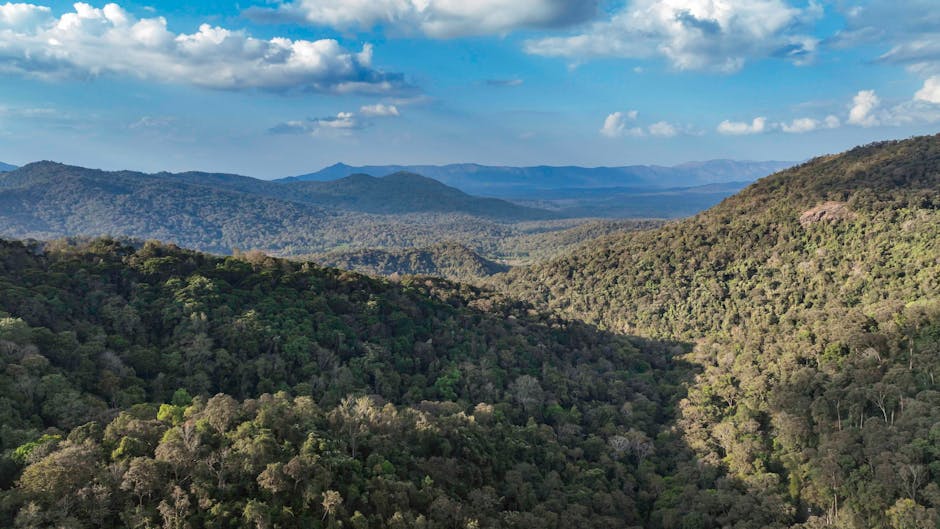
- Surrounded by lush hills and serene natural beauty.
- Affordable travel with authentic local experiences.
- Ideal for adventurers seeking untouched destinations.
Kongthong
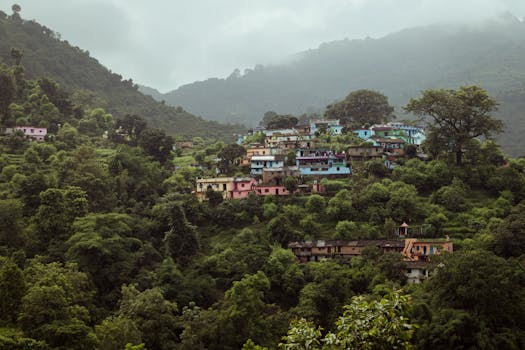
I’ll never forget the moment I first stepped into Kongthong. It was late afternoon, the golden light filtering through thick layers of mist as I trudged up a narrow, muddy trail after a bumpy ride from Sohra. A faint, melodic whistle echoed through the valley, almost like a birdcall, but it wasn’t. It was a villager calling out to someone—using a tune instead of a name. My guide, a soft-spoken local named Ryngkat, grinned and explained that here, everyone has a unique whistle, a musical identity passed down through generations. I was instantly hooked. Kongthong, tucked away in the East Khasi Hills of Meghalaya, remains criminally underrated, overshadowed by more popular spots like Cherrapunji or Mawlynnong. What makes it special isn’t just the surreal whistling tradition, but the untouched simplicity of life—bamboo huts perched on slopes, endless green vistas, and a quiet that soothes the soul. Stick with me as I unravel the magic of this extraordinary village and how you can explore it for yourself.
Why Visit Kongthong?
- Unique Whistling Culture — Kongthong is dubbed the "Whistling Village" for its tradition of assigning musical tunes as names, a rare linguistic heritage.
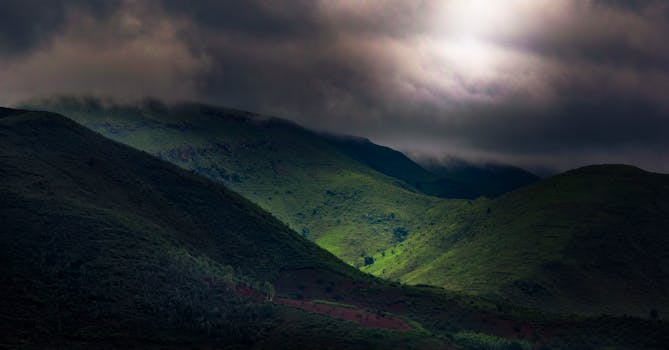
- Untouched Natural Beauty — Surrounded by rolling hills and dense forests, the village offers panoramic views straight out of a painting.
- Peaceful Escape — Far from tourist hordes, it’s a place to disconnect and soak in raw, unspoiled tranquility.
- Warm Locals — The Khasi villagers are incredibly welcoming, often inviting travelers for tea or to hear stories of their customs.
- Offbeat Adventure — Trek through hidden trails and discover waterfalls that aren’t on any map or guidebook.
- Cultural Immersion — Witness traditional Khasi rituals and learn about their matrilineal society firsthand.
- Affordable Exploration — Experience authentic rural life without burning a hole in your pocket.
Top Things to Do & See
Experience the Whistling Tradition
Listen to villagers communicate through distinct whistles, each tune a personal signature. Insider tip: Ask a local like Ryngkat to teach you a simple tune—most are happy to oblige.
Trek to Khongthong Waterfall
A moderate 2-hour hike leads to this secluded cascade hidden in the jungle. Insider tip: Carry a small picnic; the spot near the falls is perfect for a quiet lunch.
Explore Bamboo Bridges
Walk across intricate, handwoven bamboo bridges that connect village paths over streams. Insider tip: Visit early morning when the mist makes them look otherworldly.
Visit Local Homes
Get invited into a Khasi home to see their minimalist lifestyle and taste home-cooked meals. Insider tip: Bring small gifts like candies for kids as a gesture of thanks.
Photography at Sunrise Point
Capture breathtaking views of the valley as the first light hits the hills. Insider tip: Ask locals for the best vantage point; it’s a short climb behind the village church.
Attend a Village Gathering
If your visit coincides with a community event, join in for songs and stories. Insider tip: Stay respectful and ask permission before taking photos during rituals.
How to Reach Kongthong
Getting to Kongthong requires a bit of effort, but that’s what keeps it so pristine. The nearest major city is Shillong, about 60 km away. If you’re flying in, land at Shillong Airport (Umroi Airport), though flights are limited and often pricier. Alternatively, fly into Lokpriya Gopinath Bordoloi International Airport in Guwahati (about 150 km from Shillong) and take a shared taxi or bus to Shillong for around Rs 300–500 per person. From Shillong, hire a private cab or take a shared sumo (local jeep) to Sohra (Cherrapunji), which costs about Rs 150–200 per head for the 54 km journey along NH-6. The road is scenic but winding, so expect a 2-hour drive.
From Sohra, Kongthong is another 20 km, reachable via a narrow, partly unpaved road off the Sohra-Shella route. Hire a local taxi from Sohra for Rs 800–1,000 for a round trip, as public transport to Kongthong is scarce. The drive takes about an hour, passing through tiny hamlets and lush betel nut groves. If you’re driving yourself, keep an eye out for a small signboard near Khatarshnong village pointing toward Kongthong—GPS can be unreliable here. A tip: Start early to avoid afternoon rains that make the road slippery. Once in Kongthong, everything is walkable, though sturdy shoes are a must for the uneven trails.
Best Time to Visit
Kongthong shines brightest between November and February, when the weather is cool (10–20°C) and dry, perfect for trekking and soaking in the views. Early mornings can be chilly, so pack a light jacket. March to May is a pleasant shoulder season, with temperatures around 15–25°C and occasional showers that make the hills even greener. Monsoon, from June to September, brings heavy rainfall, turning trails muddy and travel tricky—avoid unless you’re prepared for leeches and slippery paths. Even then, the cascading waterfalls during rains are a sight to behold if you’re up for the challenge. Winters offer clear skies and cozy evenings by a fire, making it my personal favorite time to visit.
Where to Stay
Accommodation in Kongthong is limited and basic, reflecting its remote charm. Here are a few options catering to different budgets, mostly in and around the village center near the community hall.
- Budget: Homestays with Locals — Stay with Khasi families in simple bamboo cottages for Rs 800–1,200 per night. Expect shared bathrooms and hearty home-cooked meals (extra Rs 200 per meal). Book through local guides or ask around on arrival.
- Mid-Range: Kongthong Guest House — A small, family-run setup with clean rooms and attached baths for Rs 1,500–2,000 per night. Located near the village entrance, it offers basic amenities and stunning valley views from the verandah.
- Boutique: Eco-Lodges near Sohra — If you prefer more comfort, stay in Sohra (20 km away) at places like La Kupar Inn for Rs 2,500–3,500 per night. These offer modern facilities while still being close enough for day trips to Kongthong.
Trip Cost Breakdown (3-Day Trip for 2 People)
| Item | Cost |
|---|---|
| Accommodation (Homestay, 2 nights) | Rs 2,400 |
| Food (Meals for 3 days) | Rs 1,800 |
| Transport (Shillong to Kongthong round trip) | Rs 2,000 |
| Activities (Guide and trekking fees) | Rs 1,000 |
| Total | Rs 7,200 |
Suggested Itineraries
- 2-Day Quick Escape
- Day 1: Arrive in Kongthong by noon via Shillong-Sohra route. Settle into a homestay and spend the afternoon learning the whistling tradition with locals (2–3 PM). Evening village walk to spot bamboo bridges (5–6 PM).
- Day 2: Early morning trek to Khongthong Waterfall (6–9 AM). Return for breakfast, explore local homes (10 AM–12 PM), and depart by 2 PM for Shillong.
- 3-Day Deep Dive
- Day 1: Reach Kongthong by midday. Check into accommodation and relax with a village stroll, interacting with locals and hearing whistles (3–5 PM). Enjoy a quiet evening by a bonfire if your host arranges one (7–9 PM).
- Day 2: Start with a sunrise view at the hilltop point (5:30–7 AM). Post-breakfast, trek to Khongthong Waterfall (8–11 AM). Afternoon spent visiting homes and learning Khasi stories (2–4 PM).
- Day 3: Explore nearby trails or join a community event if available (9 AM–12 PM). Have lunch with locals and leave for Shillong by 3 PM.
Ideal For
- Culture enthusiasts eager to discover unique traditions like whistling names.
- Nature lovers looking for serene landscapes and offbeat treks.
- Solo travelers or small groups craving authentic, crowd-free experiences.
- Photographers hunting for untouched rural scenes and misty hills.
- Adventurous souls who enjoy remote destinations with minimal infrastructure.
Safety, Permits & Local Etiquette
- Inner Line Permit: Not required for Indian nationals visiting Kongthong. Foreign travelers need a Protected Area Permit (PAP), easily obtainable in Shillong or Guwahati for a small fee.
- Mobile Connectivity: Network is spotty at best. BSNL works intermittently in some areas; private operators like Airtel or Jio are unreliable. Inform family beforehand about potential disconnection.
- Solo Female Traveller: Generally safe due to the tight-knit, friendly community. Stick to main paths, avoid late-night solo walks, and dress modestly to respect local norms.
- Do's & Don'ts: Always ask before photographing people or rituals. Respect personal spaces in homes. Don’t litter—carry trash back. Contribute small amounts for hosted meals as a gesture of gratitude.
Hidden Tips Only Repeat Visitors Know
- Carry cash in small denominations; there are no ATMs or digital payment options in Kongthong.
- Pack rain gear and anti-leech socks, especially if visiting during or post-monsoon.
- Buy local honey from villagers near the community hall—pure, raw, and just Rs 200 for a small jar.
- Hire a local guide for treks (Rs 300–500 per day); they know shortcuts and hidden spots.
- Learn a few Khasi greetings like "Khublei" (thank you) to break the ice with locals.
- Visit the small village shop near the church for snacks; stock is limited, so plan ahead.
- Avoid weekends if possible—day-trippers from Shillong can slightly disrupt the quiet.
- If staying longer, ask about helping with farm chores for a truly immersive experience.
Frequently Asked Questions
Q: Is Kongthong worth visiting?
Absolutely, if you’re drawn to unique cultural experiences and serene landscapes. The whistling tradition alone is a marvel you won’t find elsewhere. It’s a refreshing break from over-touristed spots, offering raw authenticity. Just be prepared for basic amenities and a remote vibe.
Q: How many days are enough for Kongthong?
Two to three days are ideal to soak in the essence of Kongthong. A 2-day trip covers the whistling culture and key treks, while 3 days allow deeper interaction with locals and relaxed exploration. Anything less feels rushed.
Q: Is Kongthong safe for solo female travellers?
Yes, it’s quite safe due to the close-knit Khasi community and their hospitality. However, stick to well-trodden paths and avoid wandering alone after dark. Dressing conservatively and respecting local customs go a long way. I’ve met solo women travelers who felt very comfortable here.
Q: Which is better — Kongthong or Cherrapunji?
It depends on your vibe. Cherrapunji (Sohra) has dramatic waterfalls and more developed tourism, ideal for a broader Meghalaya experience. Kongthong, however, offers a niche cultural dive with its whistling tradition and peaceful isolation. I’d pick Kongthong for authenticity over Cherrapunji’s busier appeal.
Q: Do I need permits for Kongthong?
Indian nationals don’t need any permits to visit Kongthong. Foreign visitors require a Protected Area Permit, which can be arranged in Shillong or Guwahati at minimal cost. It’s a quick process, often completed in a day. Always carry ID proof just in case.
Q: Is Kongthong expensive?
Not at all—Kongthong is very budget-friendly. A 3-day trip for two can cost under Rs 7,500, covering stay, food, and transport. Homestays are cheap, and there are no hefty entry fees or tourist traps. It’s a steal for the experience you get.