Kinnaur offbeats

The right stay. At the right price. Every time.
Find your perfect Himachal Pradesh stay on Unpaqd — with our AI search feature
Curated 4.5+ rated homestays, price-match guarantee, and zero commissions-so you never overpay or settle. Just describe your ideal stay, and we'll do the rest.
Explore stays on UnpaqdSummary
- Kinnaur offbeats: A hidden gem in Himachal Pradesh's lap.
- Unspoiled landscapes perfect for peaceful, soulful escapes.
- Offbeat villages offering authentic Himalayan culture.
- Budget-friendly travel with immense value for money.
- Ideal for adventurers seeking raw, untouched beauty.
- A rare blend of serenity and rugged charm.
Kinnaur offbeats
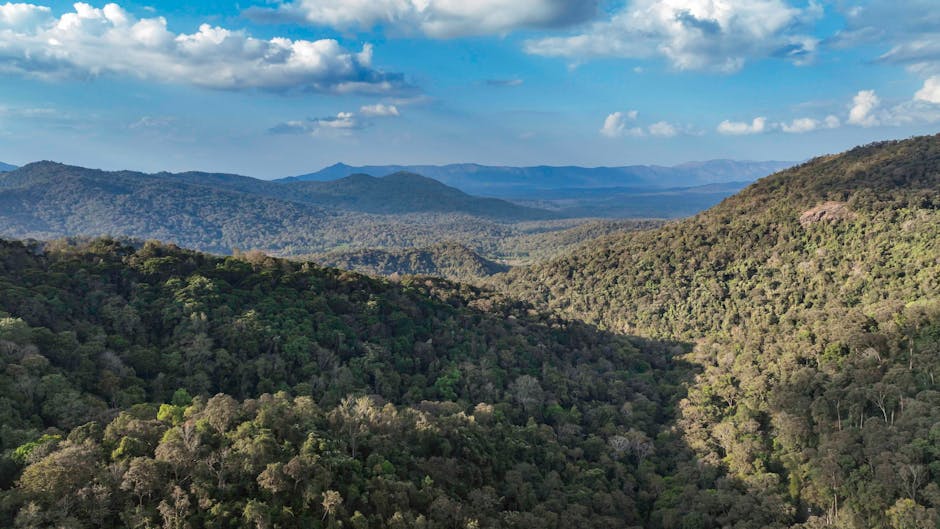
I remember my first journey into the lesser-known corners of Kinnaur, driving through narrow, winding roads with the Sutlej River shimmering below and snow-capped peaks piercing the sky. It felt like stumbling upon a secret the world hadn’t yet discovered. Unlike the crowded hill stations of Himachal, these offbeat hamlets offered silence so profound I could hear my own thoughts. Tucked away in the Kinnaur district, near the Indo-Tibet border, this region is a tapestry of ancient monasteries, apple orchards, and villages frozen in time. It’s not just a destination; it’s a feeling of being truly disconnected from the chaos of modern life. What makes it special is its raw authenticity—locals still live as they have for centuries, and tourism hasn’t diluted their warmth. In this guide, you’ll discover hidden villages, insider tips, must-see spots, and everything you need to plan an unforgettable escape into Kinnaur’s offbeat heart.Why Visit Kinnaur offbeats?
- Untouched Beauty — Kinnaur’s hidden villages like Nako and Chitkul offer postcard-perfect views of the Himalayas without the tourist clutter.
- Cultural Depth — Experience a unique blend of Hindu and Buddhist traditions, visible in ancient temples and monasteries.
- Adventure Haven — Trekking trails like the Kinnaur Kailash circuit challenge even seasoned adventurers with jaw-dropping vistas.
- Apple Orchard Magic — Walk through sprawling orchards, especially in Kalpa, and taste the freshest apples straight from the tree.
- Borderland Mystique — Proximity to the Indo-Tibet border adds a thrilling edge, with restricted zones whispering stories of mystery.
- Peaceful Retreat — Unlike Shimla or Manali, these spots promise solitude, perfect for introspection or quiet family time.
- Photographer’s Paradise — From dramatic cliffs to serene lakes, every frame in Kinnaur offbeats feels like a masterpiece waiting to be captured.
Top Things to Do & See
Chitkul Village
Known as the last inhabited village near the Indo-Tibet border, Chitkul mesmerizes with its wooden houses and panoramic Baspa Valley views. Insider tip: Visit the tiny Mathi Temple early in the morning to witness locals offering prayers with unmatched devotion.Nako Village
Perched at 3,600 meters, Nako is a serene hamlet with a tranquil lake and an 11th-century monastery. Insider tip: Walk to the lake at sunrise for mirror-like reflections of the surrounding peaks—few tourists know this spot.Kalpa
A picturesque town offering stunning views of the Kinnaur Kailash range, Kalpa feels like a painting come to life. Insider tip: Head to Roghi Village nearby for a closer look at traditional Kinnauri architecture untouched by time.Sangla Valley
This lush valley along the Baspa River is a haven for trekkers and nature lovers seeking solitude. Insider tip: Ask locals for directions to hidden meadows beyond the main trail—they’re perfect for a quiet picnic.Kinnaur Kailash Trek
A challenging yet rewarding trek, this route offers spiritual vibes and breathtaking views of the sacred Kinnaur Kailash peak. Insider tip: Carry a small offering for the local deity at the base—villagers believe it brings good luck.Ribba Village
Famous for its grape vineyards and homemade wine, Ribba offers a unique taste of Kinnauri hospitality. Insider tip: Visit during harvest season to join locals in grape-picking and sample fresh, organic wines.How to Reach Kinnaur offbeats
Getting to Kinnaur’s offbeat destinations requires some planning, but the journey is as scenic as the destination itself. The nearest airport is in Shimla, about 230 km from Kalpa, the gateway to most Kinnaur offbeats. Flights from Delhi to Shimla are frequent, with fares ranging between Rs 5,000 to Rs 8,000 per person one-way. From Shimla, hire a taxi (Rs 4,000–5,000 for a one-way trip) or take a local HRTC bus (Rs 400–500 per person) to Reckong Peo or Kalpa, which takes around 7–8 hours. The nearest railway station is also in Shimla, connected via the iconic Kalka-Shimla toy train or regular trains from major cities like Delhi. From Delhi, train tickets to Kalka cost Rs 1,000–2,000 per person, followed by a toy train ride to Shimla at Rs 300–500. By road, Kinnaur is accessible via the National Highway 5, starting from Shimla. The drive from Delhi to Kalpa is around 600 km and takes 14–16 hours, with stunning views along the way. Shared taxis or private cabs from Shimla to deeper offbeat spots like Chitkul or Nako cost Rs 1,500–2,500 per person. Always check road conditions, as landslides are common during monsoon.Best Time to Visit
Kinnaur offbeats shine brightest between April to June and September to October, considered the peak and shoulder seasons. During these months, the weather is pleasant, with temperatures ranging from 10°C to 25°C, ideal for trekking and sightseeing. Apple orchards are in full bloom or ready for harvest, adding to the charm. Summers (April–June) offer clear skies and vibrant landscapes, while autumn (September–October) brings crisp air and golden hues. Monsoon (July–August) is tricky, with heavy rainfall often triggering landslides and roadblocks, making travel risky. Winters (November–March) are harsh, with temperatures dropping to -5°C or lower, and heavy snowfall blocking access to villages like Chitkul and Nako. However, if you’re a snow enthusiast, winter can be magical with proper gear and local guidance.Where to Stay
Accommodation in Kinnaur offbeats ranges from budget guesthouses to charming boutique stays, mostly concentrated in Kalpa, Sangla, and Chitkul. For budget options, try homestays in Kalpa or Reckong Peo, costing Rs 800–1,500 per night, offering basic amenities and home-cooked meals. Mid-range picks include hotels like Hotel Kinner Villa in Kalpa or Apple Pie Hotel in Sangla, priced at Rs 2,000–3,500 per night with comfortable rooms and valley views. For a boutique experience, check into The Grand Shamba-La in Kalpa or Banjara Camps in Sangla, where rates start at Rs 4,000–6,000 per night, blending luxury with local aesthetics. Book in advance during peak seasons, as options are limited in remote villages like Nako and Chitkul, where homestays dominate.Trip Cost Breakdown (3-Day Trip for 2 People)
| Item | Cost |
|---|---|
| Accommodation (mid-range, 3 nights) | Rs 9,000 |
| Food (local meals & cafes) | Rs 3,000 |
| Transport (taxi from Shimla & local travel) | Rs 6,000 |
| Activities (trekking, entry fees) | Rs 2,000 |
| Total | Rs 20,000 |
Suggested Itineraries
- 2-Day Quick Escape
- Day 1: Arrive in Kalpa by noon via Shimla. Spend the afternoon exploring Roghi Village (2–3 pm) and enjoy sunset views of Kinnaur Kailash (5–6 pm). Overnight in Kalpa.
- Day 2: Drive to Chitkul early morning (7–9 am), explore the village and Mathi Temple (10 am–1 pm). Return to Kalpa by evening (3–5 pm) and head back to Shimla.
- 3-Day Deep Dive
- Day 1: Reach Kalpa by noon. Visit local temples and apple orchards (2–4 pm). Catch the sunset at Suicide Point (5–6 pm). Overnight in Kalpa.
- Day 2: Drive to Sangla Valley (8–10 am), trek to a nearby meadow (11 am–2 pm), and explore Baspa River trails (3–5 pm). Overnight in Sangla.
- Day 3: Head to Chitkul (7–9 am), visit the village and border viewpoints (10 am–1 pm). Return to Kalpa by afternoon (2–4 pm) and depart for Shimla.
Ideal For
- Nature lovers seeking pristine Himalayan landscapes and quiet retreats.
- Adventure enthusiasts looking for offbeat treks and rugged terrains.
- Cultural explorers eager to witness unique Kinnauri traditions and lifestyles.
- Photographers chasing dramatic mountain frames and serene village life.
- Couples or small groups wanting a peaceful, unconventional getaway.
Safety, Permits & Local Etiquette
- Inner Line Permit: Required for areas near the Indo-Tibet border, like Chitkul. Obtain it online or from the Deputy Commissioner’s office in Reckong Peo with ID proof.
- Mobile Connectivity: Network is patchy in remote villages like Nako and Chitkul. BSNL works sporadically; carry a satellite phone for emergencies.
- Solo Female Traveller: Generally safe with warm locals, but avoid isolated trails at night. Stick to populated areas and inform your stay host about plans.
- Do's & Don'ts: Respect monastery rules by dressing modestly. Don’t litter—carry trash back. Ask permission before photographing locals. Bargain politely at markets.
Hidden Tips Only Repeat Visitors Know
- Carry cash—ATMs are rare beyond Reckong Peo, and digital payments often fail.
- Pack layers even in summer; temperatures drop sharply at night in high-altitude villages.
- Buy local handicrafts like Kinnauri shawls directly from villagers for authentic deals.
- Taste homemade apple cider in Kalpa—ask homestay owners for the best stash.
- Hire local guides for treks; they know shortcuts and hidden viewpoints.
- Visit during local festivals like Phulaich for rare cultural insights and celebrations.
- Stock up on snacks in Shimla; remote villages have limited food options.
- Carry a portable charger—power cuts are frequent in offbeat hamlets.