Khimsar Dunes: Unveiling Rajasthan’s Hidden Desert Gem – Travel Guide
The right stay. At the right price. Every time.
Find your perfect Gujarat stay on Unpaqd — with our AI search feature
Curated 4.5+ rated homestays, price-match guarantee, and zero commissions-so you never overpay or settle. Just describe your ideal stay, and we'll do the rest.
Explore stays on UnpaqdSummary
- Khimsar Dunes: Rajasthan's lesser-known desert paradise.
- A serene escape from tourist-heavy Jaisalmer.
- Perfect for offbeat adventurers seeking solitude.
- Stunning sandscapes with rich cultural heritage.
- Budget-friendly with authentic local vibes.
- Ideal for a peaceful desert retreat.
Khimsar Dunes
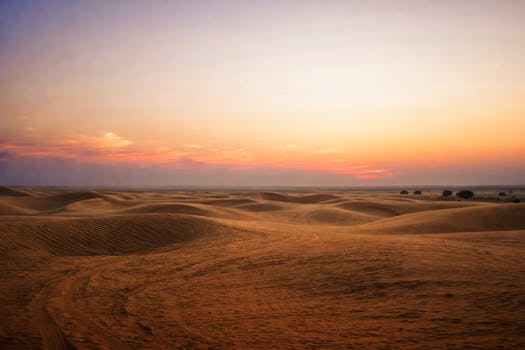
I still remember the first time I stumbled upon Khimsar Dunes. It was late afternoon, the sun casting a golden haze over endless ripples of sand, and I was sipping chai at a roadside dhaba just off NH-11. A local farmer, with a weathered turban and a warm smile, pointed me toward this hidden gem, barely 90 kilometers from Nagaur. “Not many go there, saab,” he said, “but the dunes sing when the wind blows.” Intrigued, I detoured, and what I found was a slice of untouched desert beauty—far from the crowded camel safaris of Sam or Jaisalmer. Khimsar Dunes isn’t just about sand; it’s the silence, the starlit nights, and the feeling of stepping into a forgotten world. What makes it underrated is precisely its anonymity—most travelers zip past on their way to bigger names, missing this quiet marvel. Stick with me, and I’ll unravel the secrets of this desert hideaway, from how to get there to where to pitch your tent under a billion stars.
Why Visit Khimsar Dunes?
- Untouched Beauty — Unlike Jaisalmer’s overrun dunes, Khimsar offers pristine, crowd-free landscapes for pure desert immersion.
- Cultural Depth — Nearby Khimsar village showcases authentic Rajasthani life, with locals often inviting visitors for folk music evenings.
- Starlit Nights — With zero light pollution, the night sky here reveals a mesmerizing carpet of stars, perfect for astrophotography.
- Affordable Adventure — Desert safaris and stays cost a fraction compared to popular spots, often under Rs 2,000 per person.
- Historical Charm — The 16th-century Khimsar Fort, just a short drive away, adds a layer of regal history to your trip.
- Wildlife Surprises — Spot desert foxes and chinkaras if you’re lucky, especially during early morning dune walks.
- Peaceful Solitude — It’s a rare place where you can sit atop a dune for hours without hearing another soul.
Top Things to Do & See
1. Dune Bashing at Khimsar Sand Dunes
Feel the adrenaline rush as you zip across towering dunes in a rugged 4x4 jeep. Insider tip: Book through local operators like Raju Bhai’s Desert Safari near Khimsar village for a raw, unpolished ride at half the touristy rates.
2. Sunset Camel Rides
Ride a camel as the sun dips below the horizon, painting the sand in fiery hues. Insider tip: Negotiate directly with camel owners near the dune entry for a ride as cheap as Rs 300 per person.
3. Stargazing in the Desert
Lie back on a blanket and lose yourself in a sky full of constellations. Insider tip: Head to the quieter eastern dunes around 9 PM for the clearest views, away from any camp lights.
4. Visit Khimsar Fort
Explore this historic fort, a 20-minute drive from the dunes, with its ancient walls and panoramic views. Insider tip: Ask the caretaker for stories about the fort’s royal past—locals love sharing unscripted tales.
5. Village Walks in Khimsar
Wander through the narrow lanes of Khimsar village to see colorful havelis and meet friendly artisans. Insider tip: Stop by Shyam Ji’s Chai Stall for a quick kulhad chai and chat with locals about desert life.
6. Desert Camping
Spend a night under the stars in a tented camp with bonfires and folk performances. Insider tip: Choose camps run by villagers over fancy resorts for a more authentic vibe—look for signs near the dune base.
How to Reach Khimsar Dunes
Khimsar Dunes lies in the heart of Rajasthan, roughly 100 km from Jodhpur, the nearest major city with good connectivity. If you’re flying in, Jodhpur Airport (JDH) is your best bet, with frequent flights from Delhi, Mumbai, and Jaipur. From the airport, hire a taxi directly to Khimsar for about Rs 2,500–3,000, a drive of around 2.5 hours via NH-62 and NH-11. Alternatively, if you’re taking the train, Jodhpur Junction is well-connected to major cities like Delhi and Ahmedabad. From the station, local buses or shared jeeps to Khimsar village cost around Rs 150–200 per person, though they can be cramped and slow—expect a 3-hour ride.
For road trippers, the most scenic route is via NH-11 from Jodhpur, passing through small towns like Osian, known for its ancient Jain temples. The road is mostly smooth, with plenty of dhabas en route—stop at Shree Ram Dhaba near Nagaur for their unbeatable dal baati churma at Rs 120 a plate. From Khimsar village, the dunes are just 10 km away, accessible by local auto-rickshaws for Rs 100 or private taxis for Rs 300. If you’re driving, note that the last 2 km to the dunes is a sandy track, so a high-clearance vehicle is ideal. Travel tip: Start early to avoid the midday desert heat, and carry extra water as facilities near the dunes are sparse.
Best Time to Visit
The prime window to explore Khimsar Dunes is between November and February, when the weather is cool, with daytime temperatures hovering between 20–25°C and nights dipping to a chilly 5–10°C. This is perfect for dune activities and camping without the scorching heat. The shoulder months of October and March are decent too, though days can touch 30°C. Avoid the summer months from April to June, as temperatures soar past 40°C, making outdoor exploration unbearable. Monsoon, from July to September, is tricky—while the desert sees little rain, sudden showers can make sandy tracks inaccessible, and the humidity feels oppressive. Pack light woolens for winter nights and sunscreen for any season, as the desert sun spares no one.
Where to Stay
Accommodation around Khimsar Dunes caters to different budgets, with options in and near Khimsar village. For budget travelers, basic guesthouses like Desert View Guest House offer clean rooms for Rs 800–1,000 per night, often with shared balconies overlooking the desert. If you’re looking for a mid-range stay, try Khimsar Sand Dunes Resort, located just 5 km from the dunes, with comfortable rooms and in-house safari options at Rs 2,500–3,000 per night. For a more boutique experience, splurge on a stay at Khimsar Fort Hotel, a heritage property with royal vibes, where rooms start at Rs 5,000 per night, including access to their manicured gardens and pool. Camping is another fantastic option—tented setups near the dunes, often arranged by locals, cost Rs 1,500–2,000 per person, including meals and a bonfire. Book in advance during peak season, as spots fill up fast despite the area’s low tourist footfall.
Trip Cost Breakdown (3-Day Trip for 2 People)
| Item | Cost |
|---|---|
| Accommodation (mid-range, 2 nights) | Rs 5,000 |
| Food (meals at dhabas & camps) | Rs 2,400 |
| Transport (taxi from Jodhpur & local autos) | Rs 3,500 |
| Activities (safari, camel ride, fort entry) | Rs 2,000 |
| Total | Rs 12,900 |
Suggested Itineraries
- 2-Day Quick Escape
- Day 1: Arrive in Khimsar by noon, check into your stay, and head for a sunset camel ride at 4:30 PM. End with a bonfire dinner at your camp by 8 PM.
- Day 2: Start with a 6 AM dune bashing session, followed by breakfast. Visit Khimsar Fort by 10 AM, then depart for Jodhpur by 1 PM.
- 3-Day Deep Dive
- Day 1: Reach Khimsar by midday, settle into your accommodation, and take a leisurely village walk at 3 PM. Enjoy stargazing at the dunes from 9 PM.
- Day 2: Begin with a 5:30 AM sunrise dune walk, followed by breakfast. Explore Khimsar Fort at 11 AM, then relax with a camel ride at 5 PM. Overnight at a desert camp.
- Day 3: Try dune bashing at 7 AM, return for a hearty meal, and spend the morning shopping for local handicrafts in the village. Depart by 2 PM.
Ideal For
- Couples seeking a romantic, off-the-grid getaway with stunning sunsets.
- Solo adventurers craving solitude and raw desert experiences.
- Families looking for a safe, budget-friendly cultural trip.
- Photographers chasing untouched landscapes and starry skies.
- History buffs intrigued by forts and rural Rajasthani heritage.
Safety, Permits & Local Etiquette
- Inner Line Permit: No permits are required for Khimsar Dunes, as it’s not a restricted area. Just carry a valid ID for hotel check-ins.
- Mobile Connectivity: Network coverage is patchy near the dunes. Airtel and Jio work intermittently in Khimsar village, but don’t rely on data once you’re deep in the desert.
- Solo Female Traveller: Generally safe with friendly locals, but stick to guided tours for dune activities. Avoid wandering alone at night in isolated areas.
- Do's & Don'ts: Dress modestly in the village to respect local customs. Don’t litter in the dunes—carry trash back. Bargain politely with vendors, and ask before photographing people.
Hidden Tips Only Repeat Visitors Know
- Visit the dunes just after a light rain if you’re there in monsoon; the sand hardens slightly, making walks easier.
- Carry a small portable speaker for your camp night—locals sometimes join in with impromptu singing if you play Rajasthani tunes.
- Skip overpriced bottled water at camps; buy from Mahesh General Store in Khimsar village for Rs 20 per liter.
- For the best dune photos, climb the tallest one near the western edge at sunrise—fewer footprints and softer light.
- Pack a scarf or bandana; sudden sand-laden winds can catch you off guard even on calm days.
- Chat up camel handlers during rides—they often know secret spots for spotting desert wildlife.
- If staying at a camp, request a tent on the outskirts for more privacy and quieter nights.
- Bring cash in small denominations; ATMs are scarce, and vendors rarely accept digital payments.
Frequently Asked Questions
Q: Is Khimsar Dunes worth visiting?
Absolutely, if you’re after an authentic desert experience without the tourist chaos of Jaisalmer. It’s quieter, cheaper, and offers a raw connection to Rajasthan’s sandscapes and culture. The nearby fort and village add depth to the trip. Perfect for anyone craving peace.
Q: How many days are enough for Khimsar Dunes?
A 2-day trip covers the basics like dune activities and a fort visit. However, 3 days let you soak in the village vibe, enjoy leisurely camel rides, and truly unwind. Don’t rush—Khimsar’s charm lies in its slow pace.
Q: Is Khimsar Dunes safe for solo female travellers?
Yes, it’s relatively safe with welcoming locals, but precautions are key. Stick to guided safaris, avoid isolated spots at night, and stay in well-reviewed accommodations. I’ve met solo women travelers here who felt comfortable with these measures.
Q: Which is better — Khimsar Dunes or Jaisalmer?
Khimsar Dunes wins for solitude and affordability, ideal for an intimate desert escape. Jaisalmer has more infrastructure and iconic forts but feels commercialized with crowds. Pick Khimsar for peace, Jaisalmer for bustle and history. It’s a personal choice.
Q: Do I need permits for Khimsar Dunes?
No permits are needed to visit Khimsar Dunes or the surrounding areas. It’s open to all tourists, domestic and international. Just carry a photo ID for hotel bookings or random checks. You’re good to go hassle-free.
Q: Is Khimsar Dunes expensive?
Not at all—Khimsar is quite budget-friendly compared to other desert destinations. A 3-day trip for two can cost under Rs 13,000, covering stays, food, and activities. Local operators keep safari and ride prices reasonable. It’s great value for money.