Khajuraho Side Villages
The right stay. At the right price. Every time.
Find your perfect Madhya Pradesh stay on Unpaqd — with our AI search feature
Curated 4.5+ rated homestays, price-match guarantee, and zero commissions-so you never overpay or settle. Just describe your ideal stay, and we'll do the rest.
Explore stays on UnpaqdTL;DR Summary
- Khajuraho Side Villages: India's untouched cultural treasure.
- Offbeat escape from tourist-heavy main temples.
- Peaceful rural charm with authentic vibes.
- Hidden heritage sites worth exploring.
- Budget-friendly for immersive travel.
- Perfect for slow, meaningful journeys.
Khajuraho Side Villages
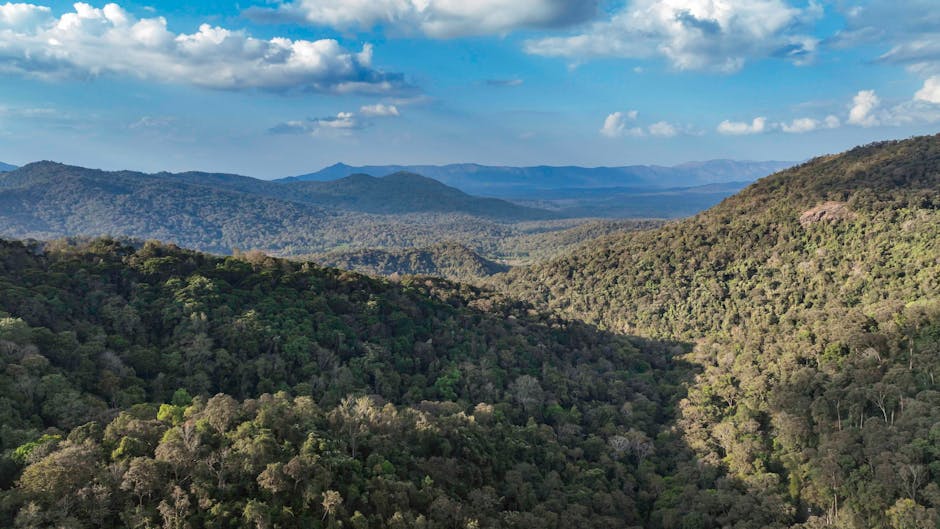
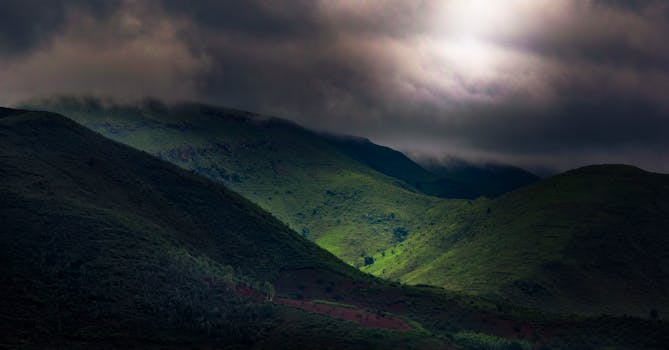
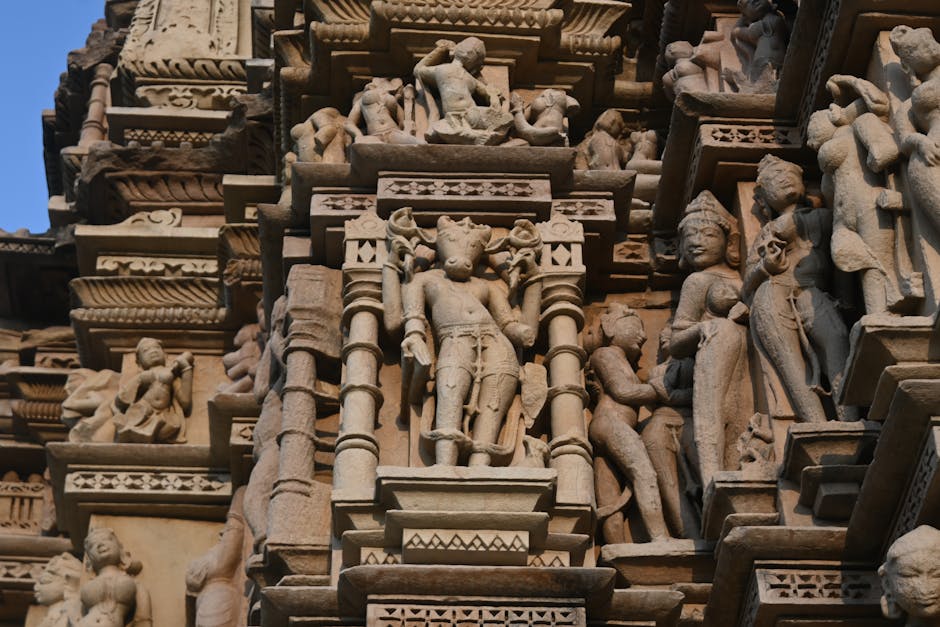
As I wandered through the dusty lanes of a small village near Khajuraho, I stumbled upon a forgotten temple, its intricate carvings whispering stories of a bygone era. The air was thick with the scent of fresh earth, and the only sounds were the distant clanging of cowbells and children laughing. Unlike the bustling main town of Khajuraho, famous for its UNESCO-listed temples, these side villages offered a raw, unfiltered glimpse into rural Madhya Pradesh. Here, time seemed to pause, and every mud house and ancient relic felt like a personal discovery. It’s a place where you don’t just visit history—you live it, surrounded by locals who welcome you with genuine warmth. These villages are criminally underrated, often overshadowed by their more famous neighbor, yet they hold a quiet magic that’s hard to find elsewhere. What makes them special is their untouched authenticity, a chance to see India’s cultural tapestry without the tourist gloss.
In this guide, you’ll discover why these villages deserve a spot on your travel list, the best things to see and do, how to plan your trip, and insider tips to make your journey unforgettable.
Why Visit Khajuraho Side Villages?
- Untouched Heritage — Beyond the main temples, these villages house lesser-known ruins with equally stunning carvings, minus the crowds.
- Rural Authenticity — Experience daily life in rural India, from watching artisans at work to sharing tea with farmers.
- Peaceful Retreat — Escape the tourist hustle of Khajuraho town for serene landscapes and quiet evenings under starry skies.
- Cultural Immersion — Participate in local festivals and traditions, often unscripted and far more intimate than staged events.
- Hidden Stories — Every village has oral histories and folklore tied to the Chandela dynasty, shared by elders over chai.
- Affordable Exploration — Enjoy a rich travel experience at a fraction of the cost of more commercialized destinations.
- Photographer’s Paradise — Capture timeless frames of ancient architecture, vibrant fields, and candid rural life.
Top Things to Do & See
Raghogarh Village
Marvel at the remnants of old havelis with fading frescoes that hint at a regal past. Insider tip: Ask locals about the hidden well nearby—its intricate stonework is a secret gem.
Bamitha Village
Witness traditional pottery-making by artisans who’ve preserved techniques for generations. Insider tip: Visit during early mornings to see them firing kilns by the riverbank.
Chhatarpur Countryside Trails
Trek through rolling fields and small hamlets for panoramic views of the Vindhya range. Insider tip: Carry a small notebook—locals love sharing folklore if you ask.
Rajnagar Ruins
Explore forgotten temples with carvings rivaling Khajuraho’s, but in blissful solitude. Insider tip: Head there at sunset for surreal golden-hour photography.
Local Markets of Panna
Dive into bustling weekly haats for handmade crafts and fresh produce straight from farms. Insider tip: Bargain gently—vendors often throw in a small gift if you’re polite.
Village Homestay Experiences
Live with a local family to learn cooking traditional dishes like bafla and dal. Insider tip: Offer to help with chores—it’s the fastest way to bond.
How to Reach Khajuraho Side Villages
Khajuraho Side Villages are accessible via the main town of Khajuraho, which serves as the gateway. The nearest airport is Khajuraho Airport, just 5–7 km from the town center, with direct flights from Delhi, Varanasi, and Agra. Flight costs typically range from Rs 4,000 to Rs 8,000 per person one-way, depending on the season and booking time. The nearest major railway station is also in Khajuraho, connected to cities like Delhi, Jhansi, and Agra. Train fares start at Rs 300 for sleeper class and go up to Rs 1,500 for AC coaches. By road, Khajuraho is about 280 km from Jhansi (5–6 hours) and 620 km from Delhi (10–12 hours). State-run buses or private taxis are available; bus fares start at Rs 200, while taxis cost Rs 3,000–5,000 one-way from Jhansi. From Khajuraho town, the side villages are 10–30 km away, easily reachable by auto-rickshaws (Rs 200–500 per trip) or rented bikes (Rs 300–500 per day). Hiring a local guide with transport for a day costs around Rs 1,000–1,500 and is the most convenient option.
Best Time to Visit
The ideal time to explore Khajuraho Side Villages is during the winter months, from November to February, when temperatures range between 10°C and 25°C, perfect for long walks and outdoor exploration. This is the peak season, so expect slightly higher accommodation rates, though crowds are still minimal compared to the main town. The shoulder seasons of October and March are also pleasant, with temperatures between 15°C and 30°C, offering a balance of good weather and fewer visitors. Summer, from April to June, can be harsh with temperatures soaring to 40°C or more, making outdoor activities uncomfortable. Monsoon, from July to September, brings heavy rainfall, turning village trails muddy and tricky to navigate, though the lush green landscapes are a visual treat if you don’t mind getting wet. Pack light woolens for winter evenings and rain gear if visiting during the wet months.
Where to Stay
Accommodation near Khajuraho Side Villages caters to various budgets, with options in and around Khajuraho town as a base, or homestays in the villages for a deeper experience. For budget travelers, guesthouses in Khajuraho town like those near the Western Group of Temples offer rooms for Rs 800–1,500 per night with basic amenities. Mid-range options include hotels like Hotel Harmony or similar near the main market, with comfortable stays priced between Rs 2,000–3,500 per night, often including breakfast. For a more boutique experience, consider staying at properties like The Lalit Temple View, a bit pricier at Rs 5,000–7,000 per night, offering luxury with proximity to the temples. For an authentic rural vibe, opt for village homestays in areas like Bamitha or Rajnagar, costing Rs 1,000–2,000 per night, including home-cooked meals. Book homestays through local contacts or guides for the best rates and authentic hosts.
Trip Cost Breakdown (3-Day Trip for 2 People)
| Item | Cost |
|---|---|
| Accommodation (mid-range) | Rs 9,000 |
| Food (local eateries & homestay meals) | Rs 3,000 |
| Transport (auto-rickshaws & bike rental) | Rs 2,500 |
| Activities (guide fees & entry tickets) | Rs 1,500 |
| Total | Rs 16,000 |
Suggested Itineraries
- 2-Day Quick Escape
- Day 1: Arrive in Khajuraho by morning; spend 9 AM–1 PM exploring the main temples. Post-lunch, head to Raghogarh Village (2 PM–5 PM) for haveli ruins and local interactions. Return to town for dinner by 8 PM.
- Day 2: Start early at 7 AM for Bamitha Village to see pottery-making (8 AM–11 AM). Visit Rajnagar Ruins from 12 PM–3 PM for temple exploration. Depart Khajuraho by evening.
- 3-Day Deep Dive
- Day 1: Reach Khajuraho by morning. Explore Western Group of Temples from 10 AM–1 PM. After lunch, visit Chhatarpur countryside trails (2 PM–5 PM) for a light trek. Evening free in town (6 PM onwards).
- Day 2: Head to Bamitha Village at 8 AM for pottery and artisan interactions (9 AM–12 PM). Post-lunch, explore Raghogarh Village ruins (1 PM–4 PM). Return for a relaxed dinner by 7 PM.
- Day 3: Visit Rajnagar Ruins at 9 AM–12 PM for history and photography. Spend 1 PM–3 PM at Panna local markets for souvenirs. Depart Khajuraho by late afternoon.
Ideal For
- History buffs fascinated by ancient architecture and untold stories.
- Cultural enthusiasts craving authentic rural Indian experiences.
- Photographers seeking candid shots of heritage and landscapes.
- Slow travelers who prefer offbeat, uncrowded destinations.
- Budget explorers looking for value-packed meaningful trips.
Safety, Permits & Local Etiquette
- Inner Line Permit: No special permits are required for visiting Khajuraho Side Villages as they fall under regular tourist-accessible areas in Madhya Pradesh.
- Mobile Connectivity: Network coverage is decent in Khajuraho town with major providers, but in remote villages, it can be spotty. Carry a local SIM for emergencies.
- Solo Female Traveller: Generally safe with friendly locals, but stick to daylight hours for village visits and avoid isolated trails alone. Dress modestly to blend in.
- Do's & Don'ts: Respect local customs by dressing conservatively, especially near temples. Ask permission before photographing people. Avoid littering in villages—carry trash back. Learn basic Hindi greetings to connect better.
Hidden Tips Only Repeat Visitors Know
- Visit villages early in the morning to catch locals starting their day—it’s the best time for genuine interactions.
- Carry small cash denominations; ATMs are scarce outside Khajuraho town, and vendors rarely have change.
- Pack a reusable water bottle—local shops sell bottled water, but refilling from trusted homestays cuts plastic waste.
- Hire a local guide for half a day; they often double as translators and know shortcuts to hidden spots.
- Try seasonal fruits like guava or custard apple from village vendors—they’re fresher than city markets.
- If staying in a homestay, request a rooftop dinner; the starry skies are mesmerizing away from town lights.
- Avoid weekends for main temple visits in Khajuraho—combine those days with village explorations for quieter experiences.
- Bring a small first-aid kit; medical facilities are limited in remote areas, though basic help is available in town.
Frequently Asked Questions
Q: Is Khajuraho Side Villages worth visiting?
Absolutely, if you crave offbeat travel with a cultural edge. These villages offer a peaceful contrast to the main Khajuraho temples, with hidden ruins and authentic rural life. They’re perfect for travelers seeking history and serenity without the tourist rush. You’ll leave with unique stories few others have.
Q: How many days are enough for Khajuraho Side Villages?
A 2-day trip covers the highlights if you’re short on time, pairing main temples with a couple of villages. For a deeper dive into rural life and hidden sites, plan 3–4 days. This allows leisurely exploration and meaningful local interactions. Rushing through misses the charm.
Q: Is Khajuraho Side Villages safe for solo female travellers?
Yes, it’s generally safe with welcoming locals, but precautions are key. Stick to daylight hours for village visits, travel in groups if possible, and dress modestly to respect local norms. Avoid isolated areas after dark. Most women report feeling comfortable with basic care.
Q: Which is better — Khajuraho Side Villages or main Khajuraho temples?
It depends on your vibe. Main Khajuraho temples are iconic, with polished UNESCO sites and easy access, ideal for first-timers. The side villages offer raw, uncrowded heritage and rural immersion, perfect for seasoned travelers. Combine both for the fullest experience.
Q: Do I need permits for Khajuraho Side Villages?
No, you don’t need any special permits to visit these villages. They’re open to all tourists, unlike some restricted areas in India. Just carry valid ID for general travel purposes. Entry to certain ruins might have small fees, payable on-site.
Q: Is Khajuraho Side Villages expensive?
Not at all—it’s a budget-friendly destination. Accommodation, food, and local transport are affordable, with a 3-day trip for two costing around Rs 15,000–20,000. Costs rise only if you opt for luxury stays in Khajuraho town. Villages themselves are economical to explore.