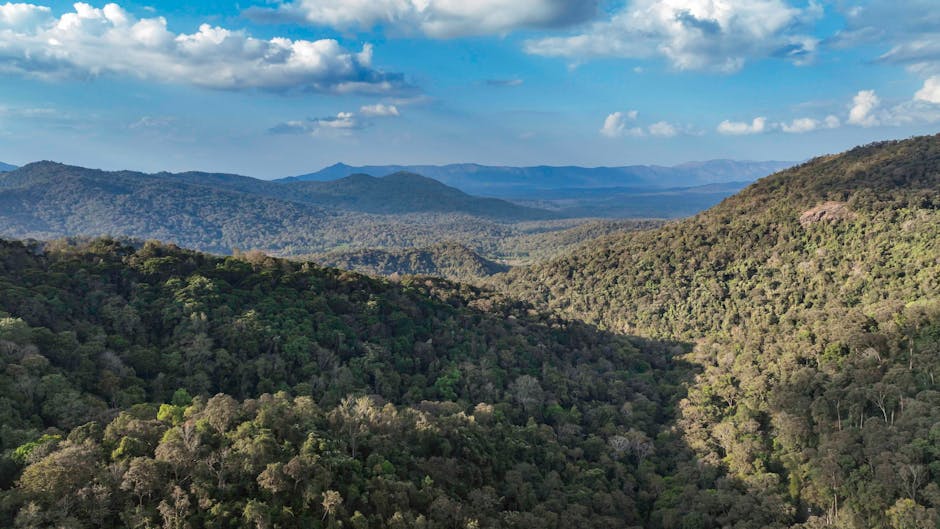
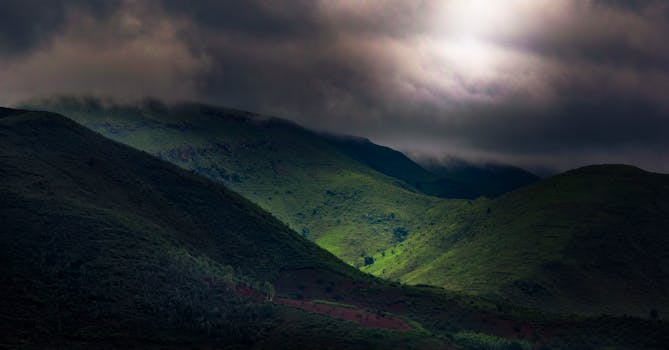
Khadir Marsh Lands: India’s Hidden Wetland Wonder – Complete Travel Guide
The right stay. At the right price. Every time.
Find your perfect Gujarat stay on Unpaqd — with our AI search feature
Curated 4.5+ rated homestays, price-match guarantee, and zero commissions-so you never overpay or settle. Just describe your ideal stay, and we'll do the rest.
Explore stays on UnpaqdSummary
- Khadir Marsh Lands: A serene, offbeat gem in India.
- Perfect for nature lovers seeking untouched beauty.
- Offers peaceful vibes away from tourist crowds.
- Budget-friendly with authentic local experiences.
- Ideal for slow travel and quiet reflection.
- A hidden treasure waiting to be explored.
Khadir Marsh Lands
I still remember the first time I stumbled upon Khadir Marsh Lands. It was late afternoon, the sun casting a golden sheen over endless stretches of shimmering wetlands, and I was sipping a cup of piping hot chai from a tiny roadside stall run by a smiling elderly woman named Meena. She pointed towards the marshes, her eyes gleaming with pride, and said, “Yeh humara khazana hai” — this is our treasure. I’d been driving aimlessly along dusty backroads, looking for something different, something real, and here it was. A vast, tranquil expanse in the heart of Gujarat’s Kutch region, far from the usual Rann of Kutch hype, yet brimming with raw, unfiltered charm.
What makes Khadir Marsh Lands so underrated is precisely its anonymity. Unlike the crowded salt flats nearby, this place feels like a secret only the locals guard. It’s special for the way the marshes shift with the seasons — a mirror-like surface after rains, a cracked mosaic in the dry months, and always alive with migratory birds. You’ll hear the distant call of a crane before you even see one. It’s not just a destination; it’s a quiet escape. In this guide, I’ll walk you through everything you need to uncover this hidden slice of paradise.
Why Visit Khadir Marsh Lands?
- Untouched Wilderness — Sprawling wetlands that transform with the seasons, offering a surreal landscape unlike anywhere else.
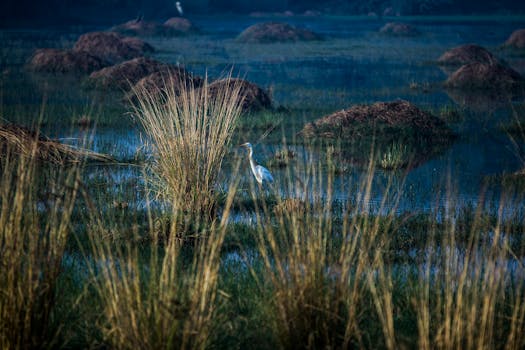
- Birdwatcher’s Haven — Home to rare migratory species like flamingos and pelicans, especially during winter months.
- Cultural Immersion — Nearby villages showcase Kutch’s vibrant handicrafts, with locals eager to share their stories.
- Serene Solitude — Far from tourist traps, it’s a place to disconnect and soak in nature’s rhythm.
- Photographer’s Dream — The interplay of water, sky, and earth creates dramatic frames at every turn.
- Affordable Exploration — Experience authentic Gujarat without the hefty price tag of more popular spots.
- Unique Ecology — Witness the rare phenomenon of marshlands meeting desert terrain in a striking contrast.
Top Things to Do & See
Marshland Sunrise Walk
There’s nothing quite like watching the first light reflect off the still waters of Khadir Marsh Lands. Insider tip: Head to the eastern edge near Bhujodi village at 5:30 AM for the best vantage point — locals often guide you if you ask politely.
Birdwatching at Central Wetland Zone
Spot flamingos, storks, and even the elusive black-necked crane with just a pair of binoculars. Insider tip: Carry a small notebook to jot down sightings; the local forest guard at the entry post loves swapping bird stories.
Village Homestay Experience in Khadir Bet
Live with a local family in the tiny islet of Khadir Bet, surrounded by marshes on all sides. Insider tip: Ask your host to teach you how to make traditional Kutchi rotlo — it’s a meal you’ll never forget.
Photography at Sunset Point
Capture the marshes glowing amber as the sun dips below the horizon. Insider tip: Walk 500 meters west from the main viewpoint for a quieter spot with fewer people interrupting your frame.
Explore Local Handicraft Stalls in Hodka
Just a short drive away, Hodka village brims with artisans selling intricate embroidery and mirror work. Insider tip: Bargain gently at stalls near Hodka crossroads; a small shawl can cost as low as Rs 300.
Canoeing in Shallow Marshes
Paddle through narrow water channels for an intimate look at the ecosystem. Insider tip: Rent a boat from Ramesh bhai near the main marsh entry for Rs 200 per hour — he knows the safest routes.
How to Reach Khadir Marsh Lands
Getting to Khadir Marsh Lands requires a bit of planning, but the journey is part of the adventure. The nearest major city is Bhuj, about 60 km away, which serves as the gateway to this lesser-known spot in Gujarat’s Kutch district. If you’re flying in, Bhuj Airport (BHJ) connects to Mumbai and Ahmedabad with daily flights; a one-way ticket usually costs between Rs 3,000 and Rs 5,000 depending on the season. From the airport, hire a taxi for around Rs 1,500 to reach the marshes directly, or take a shared auto to Bhuj city center for Rs 50 per person and figure out the next leg from there.
By train, Bhuj Railway Station is well-connected to cities like Ahmedabad and Mumbai. The overnight Gandhidham-Bhuj Express is a convenient option, with sleeper tickets priced at Rs 300–400. From the station, local buses heading towards Khavda village pass close to Khadir Marsh Lands — look for the route via NH-341. A bus ticket costs Rs 80, and the ride takes about 2 hours. Tell the conductor you’re heading to the marshes near Khadir Bet; they’ll point you to the right stop.
If you’re driving, take NH-341 from Bhuj towards Khavda, then follow the signboards for Khadir Bet, a small islet surrounded by the marshes. The road is mostly smooth, though the last 10 km can get bumpy with gravel patches. Keep an eye out for the small dhaba called “Shree Ram Tea Stall” on the left — it’s a good spot for a quick break and to ask for directions if needed. Total driving time is about 1.5 hours. Parking near the marsh entry is free but limited, so arrive early. For local transport, autos from Khavda to the marsh edge cost Rs 100–150 for a one-way trip. My advice? Rent a bike in Bhuj for Rs 500 per day if you want flexibility to explore at your own pace.
Best Time to Visit
Khadir Marsh Lands shines brightest between November and February, when the weather is cool with temperatures ranging from 10°C to 25°C. This is peak season for birdwatching, as migratory flocks paint the sky. The marshes are often full of water post-monsoon, creating reflective surfaces perfect for photography. March to May brings warmer days, around 30°C to 38°C, but the marshes start drying up, revealing cracked earth patterns that have their own stark beauty. It’s a quieter shoulder season if you prefer solitude. June to September sees monsoon rains, which can make the area muddy and hard to navigate, though the lush greenery is a sight if you’re willing to brave occasional downpours. I’d recommend winter for the most comfortable experience.
Where to Stay
Accommodation around Khadir Marsh Lands leans towards rustic and authentic, with options for every budget. For budget travelers, homestays in Khadir Bet are the way to go. Places like “Maa Ashapura Homestay” charge Rs 800–1,000 per night for two, including basic meals like roti and sabzi. It’s bare-bones but gives you a real taste of village life. For mid-range comfort, check out “Desert Haven Resort” near Khavda, about 15 km from the marshes. Rooms start at Rs 2,500 per night, with decent amenities like hot water and clean bedding. If you’re after something more boutique, “Kutch Wilderness Camp” near Hodka offers traditional mud huts with modern touches for Rs 4,000–5,000 per night. Book in advance, especially during winter, as options fill up fast with birdwatchers and photographers.
Trip Cost Breakdown (3-Day Trip for 2 People)
| Item | Cost |
|---|---|
| Accommodation (mid-range, 3 nights) | Rs 7,500 |
| Food (local meals & snacks) | Rs 3,000 |
| Transport (taxi from Bhuj + local autos) | Rs 3,500 |
| Activities (boat rental, guide fees) | Rs 1,500 |
| Total | Rs 15,500 |
Suggested Itineraries
- 2-Day Quick Escape
- Day 1: Arrive in Bhuj by morning, hire a taxi to Khadir Marsh Lands (1.5 hr). Reach by noon, check into a homestay in Khadir Bet. Spend the afternoon on a marshland walk, ending with sunset photography at 5:30 PM. Dinner at homestay by 8 PM.
- Day 2: Wake up at 5 AM for sunrise birdwatching at Central Wetland Zone. Return for breakfast by 9 AM, then visit Hodka village for handicraft shopping. Head back to Bhuj by 2 PM for your return journey.
- 3-Day Deep Dive
- Day 1: Reach Khadir Marsh Lands by noon via Bhuj. Settle into accommodation near Khavda. Post-lunch, explore the marshes on foot till 6 PM. Enjoy a quiet evening with local chai near Sunset Point.
- Day 2: Start at 5:30 AM for a sunrise canoe ride (book the previous day). Spend mid-morning birdwatching till 11 AM. After lunch, visit Khadir Bet for a village homestay experience and cultural exchange till evening.
- Day 3: Morning visit to Hodka for handicrafts and local interactions by 10 AM. Return to marshes for one last photo session till 1 PM. Drive back to Bhuj by 3 PM for departure.
Ideal For
- Nature enthusiasts craving untouched landscapes and biodiversity.
- Birdwatchers eager to spot rare migratory species.
- Photographers looking for unique, dramatic natural frames.
- Solo travelers or small groups seeking peaceful getaways.
- Cultural explorers interested in authentic Kutchi village life.
Safety, Permits & Local Etiquette
- Inner Line Permit: Not required for Indian nationals. Foreign visitors may need to register at Bhuj’s district office; carry passports and visas for smooth processing.
- Mobile Connectivity: Spotty at best. Airtel and Jio work intermittently near Khavda, but don’t expect consistent signal in the marshes. Inform family before heading out.
- Solo Female Traveller: Generally safe with friendly locals. Stick to daylight hours for exploration, dress modestly, and avoid isolated marsh areas after dark. Carry a whistle for emergencies.
- Do's & Don'ts: Respect local customs by asking permission before photographing people. Don’t litter in the marshes — carry a small bag for trash. Avoid loud music; it disturbs wildlife. Bargain respectfully at village stalls.
Hidden Tips Only Repeat Visitors Know
- Visit during the full moon for an ethereal night view of the marshes reflecting moonlight.
- Carry a lightweight hammock to relax near the marsh edges — there are plenty of sturdy shrubs to tie it to.
- Pack mosquito repellent; the still waters attract bugs, especially post-monsoon.
- Buy Kutchi snacks like fafda and jalebi from “Shanti Snacks” in Khavda for cheap, tasty munchies on the go.
- Chat with local shepherds near Khadir Bet for folklore about the marshes — their stories are gold.
- Bring cash; there are no ATMs or digital payment options once you leave Bhuj.
- Wear waterproof shoes; even in dry seasons, some marsh patches remain soggy.
- Stop by the tiny “Baba Chai Stall” near marsh entry for the best ginger tea at just Rs 10 per cup.
Frequently Asked Questions
Q: Is Khadir Marsh Lands worth visiting?
Absolutely, if you’re into serene, offbeat destinations. It’s a refreshing break from crowded tourist spots, with stunning natural beauty and rich birdlife. The tranquility and local culture make it a unique experience. Just don’t expect luxury amenities.
Q: How many days are enough for Khadir Marsh Lands?
Two to three days are ideal to soak in the marshes and nearby villages. A 2-day trip covers the basics like birdwatching and photography, while 3 days let you dive deeper into local life. Anything less feels rushed.
Q: Is Khadir Marsh Lands safe for solo female travellers?
Yes, it’s relatively safe with warm, welcoming locals. Stick to populated areas and avoid venturing into remote marsh sections alone after dark. Dress conservatively to blend in, and always share your plans with someone. I’ve met solo women travelers who felt comfortable with basic precautions.
Q: Which is better — Khadir Marsh Lands or Rann of Kutch?
It depends on what you seek. Rann of Kutch is more famous for its white salt desert and festivals, but it’s crowded. Khadir Marsh Lands offers solitude, wetlands, and birdlife with a raw, untouched vibe. Pick Khadir if peace trumps popularity for you.
Q: Do I need permits for Khadir Marsh Lands?
Indian nationals don’t need permits to visit. Foreign travelers should carry identification and may need to register at Bhuj’s administrative office for security checks. It’s a quick process, usually done in a day. Always have your documents handy just in case.
Q: Is Khadir Marsh Lands expensive?
Not at all; it’s very budget-friendly. A 3-day trip for two can cost under Rs 16,000, covering stay, food, and local travel. Homestays and local eateries keep expenses low. The biggest cost might be getting to Bhuj, depending on where you’re coming from.