Khadir Island Birding: Uncover India’s Hidden Avian Gem – Travel Guide
The right stay. At the right price. Every time.
Find your perfect Gujarat stay on Unpaqd — with our AI search feature
Curated 4.5+ rated homestays, price-match guarantee, and zero commissions-so you never overpay or settle. Just describe your ideal stay, and we'll do the rest.
Explore stays on UnpaqdSummary
- Khadir Island: Gujarat's secret birding paradise unveiled.
- Perfect offbeat escape for nature lovers and birdwatchers.
- Serene, untouched landscapes with minimal tourist crowds.
- Affordable adventure with incredible value for money.
- A haven for rare migratory birds and wildlife.
- Ideal for a peaceful, soul-soothing getaway.
Khadir Island Birding
I still remember the first time I set foot on Khadir Island, or Khadir Bet as the locals call it, in the heart of Gujarat’s Rann of Kutch. It was a crisp winter morning, just as the sun peeked through a veil of mist, casting a golden glow over the endless salt flats. I had stopped at a tiny roadside stall near Dholavira for a cup of piping hot kadak chai, served in a cracked glass by a smiling old man who pointed me toward the island with a weathered hand. “Birds, lots of birds,” he muttered in broken English, and I knew I was in for something special.
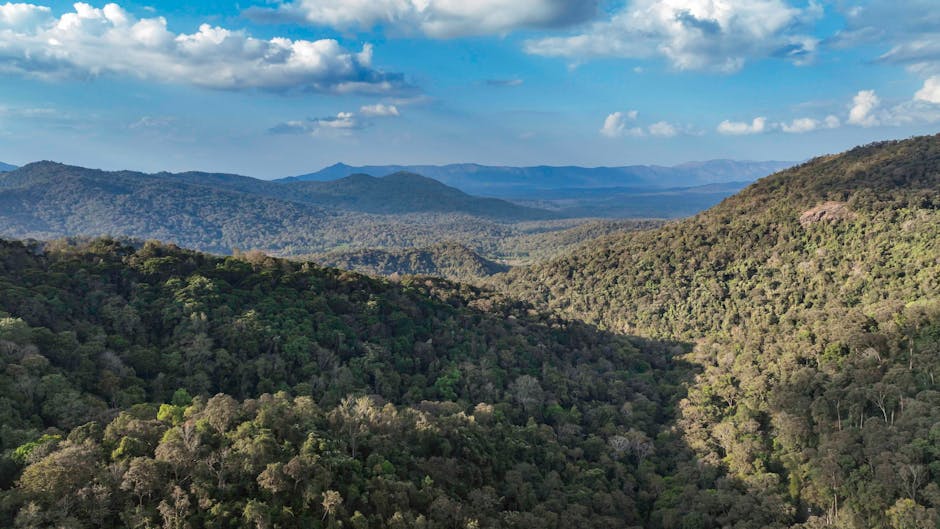
What struck me most was the sheer solitude of the place—hardly any tourists, just the sound of wings fluttering and the occasional call of a flamingo echoing across the marshlands. Khadir Island remains one of India’s most underrated birding spots, a hidden gem in the vast expanse of the Kutch Desert Wildlife Sanctuary. Unlike more popular destinations, here you’re not jostling for space with selfie sticks; it’s just you, your binoculars, and a world of feathered wonders. From rare migratory birds to the surreal white desert backdrop, this place is a quiet marvel. Stick with me as I unravel everything you need to know to explore this untouched paradise.
Why Visit Khadir Island Birding?
- Untouched Wilderness — Khadir Island lies within the Kutch Desert Wildlife Sanctuary, offering pristine habitats for over 300 bird species.
- Rare Migratory Birds — Spot elusive species like the Great Indian Bustard and flocks of flamingos during winter months.
- Surreal Landscapes — The island’s stark salt flats and marshy patches create a breathtaking contrast, perfect for photography.
- Cultural Connection — Proximity to Dholavira, a UNESCO World Heritage Site, lets you blend history with nature.
- Peaceful Solitude — Far from tourist traps, it’s a place to disconnect and immerse in raw, unspoiled beauty.
- Affordable Exploration — Birding here costs next to nothing compared to commercialized wildlife destinations.
- Unique Ecosystem — Witness the rare blend of desert and wetland ecosystems in a single frame.
Top Things to Do & See
Flamingo City
Watch thousands of flamingos paint the horizon pink during their migratory stopover. Insider tip: Visit just before sunrise near the southern marshes for the best views without disturbing their roost.
Great Indian Bustard Sighting
Catch a glimpse of the critically endangered Great Indian Bustard in the grasslands. Insider tip: Hire a local guide from Rapar village for Rs 500—they know the exact spots.
Salt Flat Walks
Stroll across the mesmerizing white desert of the Rann surrounding Khadir Island. Insider tip: Wear sturdy shoes; the salt crust can be deceptively sharp.
Marshland Birdwatching
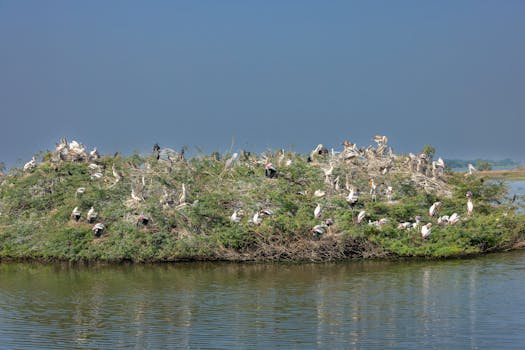
Spot pelicans, cranes, and ibises in the wetlands dotting the island. Insider tip: Carry a foldable stool from Bhuj market for long observation sessions.
Dholavira Ruins
Explore the ancient Harappan site just 40 km away for a dose of history. Insider tip: Visit post-birding in the late afternoon to avoid the midday heat.
Local Village Interactions
Meet the resilient Kutchi communities living near Khadir Bet. Insider tip: Buy handmade woolen shawls directly from artisans in Dholavira for Rs 300–400.
How to Reach Khadir Island Birding
Getting to Khadir Island is a bit of an adventure, but that’s what makes it so rewarding. The nearest major city is Bhuj, about 250 km away, which serves as the gateway to the Rann of Kutch region. If you’re flying in, Bhuj Airport (BHJ) has daily connections from Mumbai and Ahmedabad with fares averaging Rs 3,000–5,000 one-way. From there, hire a taxi or rent a car for around Rs 2,500–3,000 per day to cover the distance. Alternatively, take a train to Bhuj Railway Station, with overnight options like the Bhuj Express from Ahmedabad costing Rs 300–800 depending on the class.
By road, follow the NH-41 from Bhuj towards Rapar, a small town 165 km away, which takes about 4 hours due to patchy stretches. From Rapar, take the state highway towards Dholavira (another 85 km, roughly 2 hours), passing through dusty villages and endless arid landscapes. Look out for the signboard for Kutch Desert Wildlife Sanctuary near Dholavira—Khadir Island is a short 10-km detour from there, accessible via a narrow, bumpy track. Local shared jeeps from Rapar to Dholavira charge about Rs 150 per person, but you’ll need to arrange a private auto (Rs 300–400) for the final leg to the island.
A pro tip: Fuel stations are sparse after Rapar, so tank up at the Indian Oil pump just outside the town. Also, carry extra water and snacks—there are no shops once you leave Dholavira behind. The journey might test your patience, but the first sight of the shimmering salt flats makes every bumpy mile worth it.
Best Time to Visit
The prime window for birding on Khadir Island is between November and February, when migratory birds like flamingos and pelicans flock to the wetlands. Temperatures during this period hover between a pleasant 10°C at night to 25°C during the day, ideal for long hours outdoors. The shoulder months of October and March are also decent, though bird sightings might be fewer, and daytime heat can climb to 30°C. Monsoon, from June to September, transforms the Rann into a shallow lake, making access tricky and birding nearly impossible due to flooded trails. Plus, the humidity and sudden showers can be a dampener. If you’re after both comfort and avian diversity, stick to the cooler winter months.
Where to Stay
Accommodation options near Khadir Island are limited, given its remote location, but there’s something for every budget within a reasonable distance. Most stays are clustered around Dholavira or Rapar, as the island itself has no lodging facilities.
- Budget: Rann Homestay in Dholavira village offers basic rooms with shared bathrooms for Rs 800–1,000 per night. It’s a no-frills setup run by a local family, complete with home-cooked Kutchi meals for an extra Rs 200 per person.
- Mid-Range: Dholavira Tourism Resort near the archaeological site has clean, comfortable cottages for Rs 2,000–2,500 per night. It’s a government-run property with decent amenities and views of the surrounding desert.
- Boutique: For a touch of luxury, check into Rann Utsav Tent City near Dhordo, about 80 km from Khadir. Premium tents start at Rs 6,000 per night, including meals and cultural programs, though it’s a bit of a drive from the birding spots.
Booking in advance is a must during peak winter months, as options fill up fast with visitors exploring the greater Rann of Kutch area. If you’re on a tight budget, consider camping near Dholavira with your own gear—just check with locals for safe spots.
Trip Cost Breakdown (3-Day Trip for 2 People)
| Item | Cost |
|---|---|
| Accommodation (Mid-Range, 2 nights) | Rs 5,000 |
| Food (Meals at local eateries) | Rs 2,000 |
| Transport (Taxi from Bhuj + local autos) | Rs 6,000 |
| Activities (Guide fees, entry to Dholavira) | Rs 1,500 |
| Total | Rs 14,500 |
Suggested Itineraries
- 2-Day Quick Escape
- Day 1: Arrive in Bhuj by morning; drive to Dholavira (6 hours). Check into accommodation and spend the evening exploring the Harappan ruins (3–5 PM).
- Day 2: Start early at 5 AM for birding on Khadir Island; focus on Flamingo City and marshlands till noon. Return to Bhuj by evening.
- 3-Day Deep Dive
- Day 1: Reach Dholavira from Bhuj by afternoon. Settle in and visit the archaeological site from 3–6 PM.
- Day 2: Full day birding on Khadir Island from 5 AM to 4 PM, covering salt flats, grasslands, and wetlands. Evening with locals in Dholavira village.
- Day 3: Morning revisit to a favorite birding spot till 10 AM, then drive back to Bhuj by late afternoon.
Ideal For
- Birdwatchers seeking rare species in a tranquil setting.
- Nature photographers looking for dramatic landscapes and wildlife shots.
- Solo travelers craving solitude away from crowded tourist hubs.
- Budget adventurers wanting an affordable yet enriching experience.
- History buffs interested in combining birding with a visit to Dholavira.
Safety, Permits & Local Etiquette
- Inner Line Permit: No special permits are required for Indian nationals to visit Khadir Island or the Kutch Desert Wildlife Sanctuary. Foreign visitors may need to register at the Bhuj checkpoint with valid ID.
- Mobile Connectivity: Network coverage is spotty at best on the island. Airtel and Jio work intermittently near Dholavira, but don’t rely on constant connectivity.
- Solo Female Traveller: The area is generally safe with friendly locals, but stick to daylight hours for birding and avoid isolated trails alone. Staying in Dholavira ensures proximity to help if needed.
- Do's & Don'ts: Respect the sanctuary rules—don’t litter or disturb nesting sites. Dress in muted colors to blend in while birding. Always ask before photographing locals, and tip modestly for their time.
Hidden Tips Only Repeat Visitors Know
- Carry a small notebook to jot down bird sightings—local guides often share names in Gujarati that you won’t find in guidebooks.
- Stock up on snacks and water at Shreeji General Store in Rapar; options are scarce closer to the island.
- Visit the small tea stall near Dholavira checkpost for local gossip—they often know where rare birds were last spotted.
- Wear a wide-brimmed hat and sunscreen; the desert sun is harsher than it feels, even in winter.
- Bargain politely with auto drivers in Dholavira for island trips—Rs 300 is fair for a 2-hour round trip.
- If you’re driving, park near the sanctuary entry and walk in; vehicles can spook birds near marshy areas.
- Chat with forest guards at the Kutch Sanctuary outpost—they’re a goldmine of info on recent sightings.
- Pack lightweight binoculars and a zoom lens; heavy gear gets cumbersome on long treks across salt flats.
Frequently Asked Questions
Q: Is Khadir Island Birding worth visiting?
Absolutely, especially if you’re into birdwatching or crave offbeat destinations. The island offers a rare chance to see migratory birds in a surreal desert-wetland setting. It’s far less crowded than mainstream spots, giving you uninterrupted time with nature. Pair it with a Dholavira visit for a unique cultural twist.
Q: How many days are enough for Khadir Island Birding?
Two to three days are ideal to soak in the experience. A couple of days let you cover key birding spots like Flamingo City, while an extra day allows deeper exploration of grasslands and nearby history at Dholavira. Rushing through in a day might leave you wanting more.
Q: Is Khadir Island Birding safe for solo female travellers?
Yes, it’s relatively safe with a low crime rate and welcoming locals. However, stick to populated areas like Dholavira for stays and avoid venturing into remote spots alone after dark. Traveling during daylight and informing your accommodation of plans adds an extra layer of security.
Q: Which is better — Khadir Island Birding or Keoladeo National Park?
Khadir Island offers a raw, uncrowded experience with a unique desert backdrop, ideal for solitude seekers. Keoladeo (Bharatpur) has more infrastructure and a wider variety of birds but feels touristy. Choose Khadir for peace and rarity; pick Keoladeo for convenience and volume of sightings.
Q: Do I need permits for Khadir Island Birding?
No special permits are needed for Indian visitors to access Khadir Island or the surrounding sanctuary. Foreign nationals should carry valid ID and may need to register at Bhuj. Always check with local authorities in Dholavira for any last-minute updates on entry rules.
Q: Is Khadir Island Birding expensive?
Not at all—it’s one of the most budget-friendly wildlife destinations. A 3-day trip for two can cost under Rs 15,000, covering stay, food, and transport from Bhuj. Birding itself is free, with minimal guide fees. It’s a steal compared to pricier national parks.