Kedarnath Wildlife: Uncover India’s Hidden Himalayan Gem – Travel Guide
The right stay. At the right price. Every time.
Find your perfect Karnataka stay on Unpaqd — with our AI search feature
Curated 4.5+ rated homestays, price-match guarantee, and zero commissions-so you never overpay or settle. Just describe your ideal stay, and we'll do the rest.
Explore stays on UnpaqdSummary
- Kedarnath Wildlife: Uttarakhand's serene, offbeat natural treasure.
- A hidden gem for wildlife and nature lovers.
- Offers peaceful escapes away from crowded tourist spots.
- Budget-friendly with authentic Himalayan experiences.
- Perfect for trekking and birdwatching enthusiasts.
- Unspoiled beauty with minimal commercial interference.
Kedarnath Wildlife
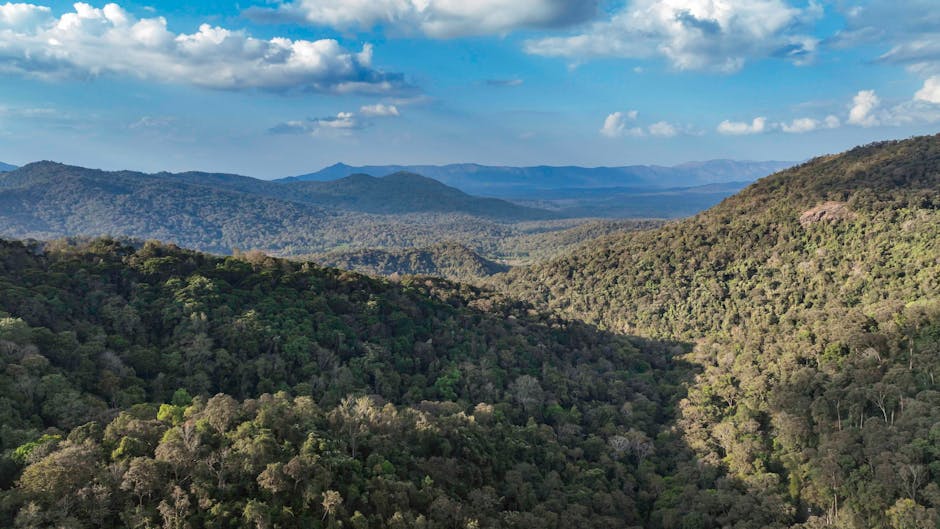
I still remember the first time I stumbled upon Kedarnath Wildlife Sanctuary. It was a chilly morning, just after dawn, with a thin mist hanging over the pine forests as I sipped steaming chai from a tiny stall near Sonprayag. The air was crisp, carrying the faint scent of cedar, and a local guide, Ramesh ji, casually mentioned a trail few tourists ever take. Intrigued, I followed his advice and found myself walking through a silent valley, spotting a Himalayan monal flashing its iridescent feathers. That moment hooked me. This sanctuary, spanning over 975 square kilometers in Uttarakhand’s Chamoli and Rudraprayag districts, is criminally underrated. While most flock to the nearby Kedarnath Temple for spiritual solace, the wildlife sanctuary offers raw, untouched nature—think dense oak forests, elusive snow leopards, and panoramic views of Chaukhamba Peak. What makes it special? It’s the rare blend of biodiversity and solitude, a place where you can hear your own thoughts amid the calls of rare birds. Stick with me as I unravel the secrets of this hidden Himalayan haven.
Why Visit Kedarnath Wildlife?
- Untouched Wilderness — Home to over 200 species of birds and rare mammals like the musk deer, it’s a paradise for nature buffs.
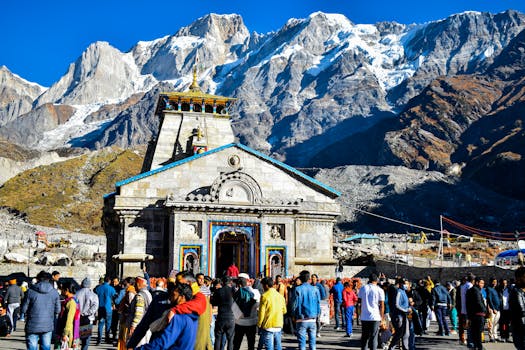
- Spiritual Connection — Proximity to Kedarnath Temple adds a layer of cultural depth to your nature escape.
- Stunning Vistas — Offers jaw-dropping views of snow-capped peaks like Chaukhamba and Kedarnath Dome.
- Trekking Haven — Trails like the Chopta-Tungnath route within the sanctuary are less crowded yet breathtaking.
- Rare Wildlife Sightings — Spot elusive creatures like the Himalayan black bear or even signs of a snow leopard if you’re lucky.
- Peaceful Retreat — Far from touristy chaos, it’s a place to reconnect with nature in silence.
- Photographer’s Delight — From vibrant rhododendron blooms to misty valleys, every frame is a postcard.
Top Things to Do & See
Chopta Valley
Known as the ‘Mini Switzerland’ of India, this lush meadow transforms into a snowy wonderland in winter. Insider tip: Visit the small tea stall run by Lakshman Singh near the valley entrance for the best ginger tea while watching the sunrise over Tungnath.
Tungnath Temple
Perched at 3,680 meters, it’s the highest Shiva temple in the world, surrounded by alpine beauty. Insider tip: Carry a small notebook—locals often share ancient folklore about the temple if you strike up a chat.
Deoria Tal
A serene lake at 2,438 meters, reflecting the Chaukhamba peaks on clear days. Insider tip: Camp overnight near the lake through local guides for Rs 500 per person to catch the magical first light.
Birdwatching at Mandal
A lesser-known spot within the sanctuary, teeming with Himalayan griffons and monals. Insider tip: Head out at 6 AM with binoculars—early mornings near Mandal village yield the best sightings.
Madmaheshwar Trek
A challenging 16-km trek through dense forests leading to an ancient Shiva temple. Insider tip: Stop at Ransi village en route for homemade rhododendron juice from local aunties.
Wildlife Spotting near Sonprayag
The sanctuary’s entry points near Sonprayag often reveal musk deer or langurs if you’re patient. Insider tip: Hire a local guide for Rs 800 a day—they know the hidden trails where animals graze.
How to Reach Kedarnath Wildlife
Getting to Kedarnath Wildlife Sanctuary is an adventure in itself, with the journey weaving through Uttarakhand’s rugged Himalayan terrain. The nearest major city is Dehradun, about 250 km away. If you’re flying in, Jolly Grant Airport in Dehradun is your best bet, with daily flights from Delhi, Mumbai, and Bangalore. From there, hire a taxi for Rs 4,000–5,000 to reach Guptkashi, a key base for the sanctuary, roughly a 6-hour drive via NH-7. Watch for the hairpin bends near Tilwara—stunning views but a bit nerve-wracking!
By train, the closest station is Rishikesh, 210 km from Guptkashi. Overnight trains from Delhi to Rishikesh cost around Rs 300–600 in sleeper class. From Rishikesh, shared jeeps or private taxis to Guptkashi are available for Rs 3,000–4,000, taking about 7 hours. If you’re driving, take NH-7 from Dehradun to Rudraprayag, then follow the state highway towards Guptkashi. Fuel up at Rudraprayag—petrol pumps are scarce beyond this point.
From Guptkashi, Sonprayag (a key entry point to the sanctuary) is just 30 km, a 1-hour drive or shared jeep ride for Rs 100 per person. Local buses from Guptkashi to Sonprayag run sporadically, so plan ahead—they leave mostly before noon from the main stand near Hotel Shivalik. Once in Sonprayag, trails to spots like Chopta or Mandal are accessible on foot or via hired ponies for Rs 1,000–1,500 per trip. Pro tip: Roads can be slippery during monsoon, so avoid self-driving if you’re not used to mountain terrain. Always carry cash—ATMs are rare past Guptkashi.
Best Time to Visit
The ideal window for Kedarnath Wildlife Sanctuary is between April and June, when the weather is pleasant, with temperatures hovering between 10°C and 20°C. Rhododendrons are in full bloom, painting the trails red and pink, and wildlife sightings are frequent. September to November is another great period, offering clear skies and crisp air, with temps dipping to 5°C–15°C—perfect for trekking to Tungnath or Deoria Tal. Winter, from December to February, brings heavy snowfall, especially above 3,000 meters, turning Chopta into a white paradise, though temperatures can plummet to -5°C. It’s magical but challenging—roads to higher altitudes often close. Monsoon, from July to August, is risky due to landslides and muddy trails, though the lush greenery is tempting. If you must visit then, stick to lower areas like Sonprayag and carry rain gear.
Where to Stay
Accommodation around Kedarnath Wildlife Sanctuary caters to various budgets, mostly clustered in Guptkashi, Sonprayag, and Chopta. For budget travelers, try GMVN Tourist Rest House in Guptkashi—basic dorms start at Rs 500 per night, with shared bathrooms but decent views. In Sonprayag, small guesthouses like Shree Kedar Lodge offer rooms for Rs 800–1,000, often with hot water if you ask in advance. For mid-range comfort, Hotel Mandakini in Guptkashi has clean rooms with mountain views for Rs 2,000–2,500 per night, plus a small in-house restaurant serving hot parathas. In Chopta, Magpie Camp offers tented stays for Rs 3,000 per night, including meals—perfect for a cozy wilderness vibe. If you’re after something boutique, check out Buransh Retreat near Chopta, with wooden cottages starting at Rs 5,000 per night. Book early during peak months—options are limited, and walk-ins often struggle.
Trip Cost Breakdown (3-Day Trip for 2 People)
| Item | Cost |
|---|---|
| Accommodation (mid-range) | Rs 6,000 |
| Food (local meals & chai) | Rs 3,000 |
| Transport (taxi from Dehradun & local jeeps) | Rs 5,500 |
| Activities (guide & entry fees) | Rs 2,000 |
| Total | Rs 16,500 |
Suggested Itineraries
- 2-Day Quick Escape
- Day 1: Arrive in Guptkashi by noon, check into a budget lodge, and drive to Sonprayag by 2 PM. Spend the afternoon exploring nearby trails for wildlife spotting (3–5 PM). Return for a quiet dinner at a local dhaba by 8 PM.
- Day 2: Start early at 5 AM for a short trek to Chopta Valley. Enjoy the views and birdwatching till noon. Head back to Guptkashi by 3 PM for your return journey.
- 3-Day Deep Dive
- Day 1: Reach Guptkashi by morning, settle in, and drive to Sonprayag by 1 PM. Spend the afternoon on a leisurely walk near Mandal for birdwatching (2–5 PM). Overnight in Sonprayag.
- Day 2: Begin at 6 AM for the Tungnath Temple trek from Chopta (5–6 hours round trip). Return by 3 PM, relax with tea at a local stall, and camp overnight in Chopta if possible.
- Day 3: Head to Deoria Tal at 7 AM for a short trek and lake views (3–4 hours). Return to Guptkashi by 4 PM for departure.
Ideal For
- Nature enthusiasts craving unspoiled Himalayan landscapes.
- Trekkers looking for moderate to challenging trails with stunning payoffs.
- Wildlife photographers eager to capture rare species in their habitat.
- Spiritual seekers wanting a blend of nature and sacred sites.
- Solo adventurers or small groups seeking solitude over crowded spots.
Safety, Permits & Local Etiquette
- Inner Line Permit: No special permits are required for Indian nationals to enter Kedarnath Wildlife Sanctuary, though a small entry fee of Rs 150 per person applies at checkpoints like Sonprayag. Foreign nationals may need to register at the forest office in Guptkashi.
- Mobile Connectivity: Network coverage is spotty. BSNL works intermittently in Guptkashi and Sonprayag, but higher areas like Chopta have no signal. Carry a power bank and inform family of potential disconnection.
- Solo Female Traveller: Generally safe in populated areas like Guptkashi, but remote trails can feel isolated. Stick to guided treks, avoid venturing alone after dark, and dress conservatively to blend in.
- Do's & Don'ts: Respect local customs near temples—cover shoulders and knees. Don’t litter; carry trash back. Avoid loud music or disturbing wildlife. Always ask before photographing locals.
Hidden Tips Only Repeat Visitors Know
- Bargain for shared jeeps in Guptkashi—drivers often quote Rs 150 but settle for Rs 100 per seat if you wait for a full load.
- Carry dry fruits and energy bars—food stalls are scarce on treks beyond Chopta, and hunger hits hard at high altitudes.
- Visit the tiny shop ‘Baba Kedar General Store’ in Sonprayag for cheap woollen caps and socks before treks—Rs 100 beats city prices.
- Chat with forest guards at Mandal checkpost—they often share recent wildlife sighting spots for free if you’re polite.
- Pack a lightweight raincoat even in summer—sudden showers are common, and ponchos sold locally for Rs 200 tear easily.
- Trek to Deoria Tal mid-week—weekends see more campers, and the quiet reflection of peaks in the lake gets ruined.
- Buy rhododendron squash from roadside vendors near Ransi village—Rs 50 for a small bottle, and it’s a unique souvenir.
- Start treks before 6 AM to avoid afternoon cloud cover—views from Tungnath are often obscured by mist after 11 AM.
Frequently Asked Questions
Q: Is Kedarnath Wildlife worth visiting?
Absolutely, especially if you crave nature without the tourist hordes. The sanctuary offers pristine forests, rare wildlife, and treks like Tungnath that rival more famous spots. It’s a refreshing escape with a spiritual undertone due to nearby sacred sites. You’ll leave feeling rejuvenated.
Q: How many days are enough for Kedarnath Wildlife?
Two to three days are ideal for a fulfilling trip. A quick 2-day itinerary covers Chopta and Tungnath, while a 3-day plan lets you explore Deoria Tal and deeper trails. Any less, and you’ll miss the sanctuary’s true charm.
Q: Is Kedarnath Wildlife safe for solo female travellers?
It’s relatively safe in busier areas like Guptkashi and Sonprayag, with friendly locals. However, remote trails can feel isolating, so join guided groups for treks. Stick to daylight hours and avoid secluded spots alone for peace of mind.
Q: Which is better — Kedarnath Wildlife or Binsar Wildlife Sanctuary?
It depends on your vibe. Kedarnath Wildlife excels with high-altitude treks and spiritual connections near Kedarnath Temple, plus rarer wildlife. Binsar, also in Uttarakhand, is more accessible and offers panoramic Himalayan views with easier trails. Pick Kedarnath for adventure, Binsar for relaxation.
Q: Do I need permits for Kedarnath Wildlife?
No special permits are needed for Indian visitors, just a nominal entry fee of Rs 150 at checkpoints like Sonprayag. Foreign nationals might need to register at the forest office in Guptkashi. Carry ID proof, as spot checks are common on trails.
Q: Is Kedarnath Wildlife expensive?
Not at all—it’s quite budget-friendly. A 3-day trip for two can cost around Rs 16,000–18,000, covering stay, food, and transport. Local dhabas and guesthouses keep costs low, and trekking fees are minimal. It’s value for money compared to commercialized destinations.